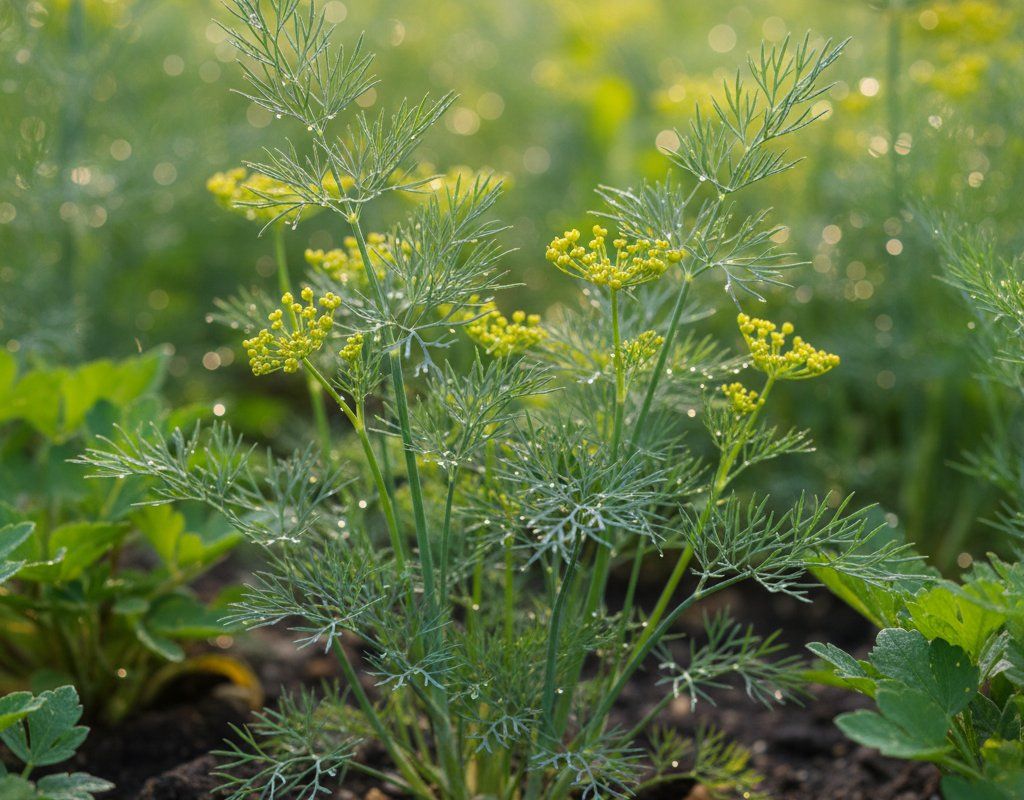
Dill in Zone 7B — Desert Southwest
Anethum graveolens · Your Complete 2026 Planting Guide
Last Call for Seed Starting!
Indoor seed starting window closes in 4 days.
Start Seeds This Week
Start seeds now for transplanting later.
Or Wait for Starts
If you don’t want to start seeds, starts will be available around March 22.
How to Plant Dill in Zone 7B — Desert Southwest
Here are all your options for getting dill in the ground, from the easiest method to more advanced approaches.
Direct Sow Seeds
RecommendedMid March through late September
around March 15
Consider succession planting every 2-3 weeks for continuous harvest.
Dill has a taproot and prefers direct sowing, but transplants work if handled carefully.
Start Seeds Indoors
RecommendedMid February through early March
around February 22
Then transplant: Late March through early May
Start seeds 4-6 weeks before transplanting outdoors.
Buy Starts
Works WellLate March through early May
around March 22
Plant purchased starts after last frost (March 15).
Transplant Outdoors
Timing InfoLate March through early May
around March 22
Can tolerate light frost, but wait for soil to be workable.
You have a nice window — no need to rush.
Fall Planting
Mid September through mid October
October 4 ideal · Direct sow for fall harvest
Plant a second crop in mid-summer for fall harvest. Dill actually prefers the cooling temperatures of fall.
Overview
Dill brings that distinctive tangy flavor that transforms pickles, fish, and summer salads into something special here in the Desert Southwest. This hardy herb thrives in our mild winters and can handle our spring heat better than many other cool-season crops, making it perfect for our two growing seasons. Fresh dill tastes leagues better than the dried stuff from the store, and you'll find yourself using those feathery leaves in everything from potato salad to grilled vegetables.
Our extreme summer heat and arid conditions do present challenges for dill, but smart timing makes all the difference. With our 245-day growing season, you can enjoy fresh dill from late spring through fall by planting in spring for early harvest and again in fall for winter production. The key is working with our climate, not against it.
Starting Seeds Indoors
Starting dill seeds indoors makes sense if you want to get a jump on the season or have better control over germination in our unpredictable spring weather. Start your seeds mid-February through early March, about 4 weeks before you plan to transplant outside. Use standard seed trays filled with quality seed-starting mix, and keep them warm (65-70°F) for best germination.
Bottom watering works particularly well for dill seeds in our dry air - fill a tray with water and let the soil soak it up from below. This prevents the fine seeds from washing around and keeps moisture levels more consistent. Place your trays in a sunny south-facing window or under grow lights for 12-14 hours daily.
Since we can start planting outdoors quite early in our very-early spring season, indoor starting isn't always necessary. But it's helpful if you want seedlings ready to go the moment our soil warms up in late March.
Transplanting Outdoors
Transplant your dill seedlings outdoors from late March through early May, when nighttime temperatures stay consistently above 40°F. Our spring weather can swing wildly, so watch the forecast and be ready to protect young plants if unexpected cold snaps threaten. Dill handles light frost, but tender transplants need a week to toughen up first.
Harden off your seedlings gradually over 7 days by placing them outside for increasing periods each day. Start with 2-3 hours of morning sun and work up to full days. This helps them adjust to our intense desert sun and dry air without shock.
Space transplants 12 inches apart to give their upright growth habit room to develop. Plant them at the same depth they were growing in their containers. Water thoroughly after transplanting, and consider temporary shade cloth during the hottest part of the day if you're planting in April or early May.
Direct Sowing
Direct sowing works excellently for dill since it has a taproot that doesn't love being disturbed. You can sow from mid-March through late September, giving you flexibility for both spring and fall crops. The soil temperature should be at least 50°F for good germination - use a soil thermometer to check.
Prepare your bed by loosening the soil 6-8 inches deep, which helps in areas where caliche might be an issue. Scatter seeds thinly and cover with just 1/4 inch of soil since they need some light to germinate. Space your final plants 12 inches apart by thinning seedlings once they're 2-3 inches tall.
For fall planting, sow mid-September through mid-October when our extreme heat starts backing off but soil is still warm. The cooler weather actually improves dill's flavor and extends your harvest window well into winter.
Watering Dill in Zone 7B (Desert Southwest)
Dill needs moderate, consistent moisture but can't tolerate soggy soil - a challenge in our arid climate where water management becomes critical. During spring growth, provide about 1 inch of water per week through a combination of rainfall and irrigation. Our monsoon moisture in summer can help, but don't count on it for consistent supply.
Use the finger test by sticking your finger 2 inches into the soil. If it's dry at that depth, it's time to water deeply. Water at the base of plants rather than overhead - our low humidity means foliage dries quickly, but efficient water use matters more here. Deep, less frequent watering encourages better root development than daily sprinkles.
During our extreme heat periods, dill will bolt quickly if stressed by drought. This is why most Desert Southwest gardeners treat it as a spring and fall crop rather than trying to push it through summer. Keep soil consistently moist but not waterlogged, especially during the 40-day period before your first harvest.
A thin layer of mulch helps retain moisture in our arid conditions, but keep it light - heavy mulch can hold too much moisture against the crown in clay soils or create hiding spots for pests.
🧪Fertilizing Dill
Feeding Schedule
Organic Fertilizer Options
Harvest Time
Your first dill harvest typically comes in late April if you planted early spring, continuing through late November with succession plantings and fall crops. The 40-day maturity window means you'll have harvestable leaves about 6 weeks after direct sowing. Start snipping the feathery outer leaves when plants reach 6-8 inches tall, cutting just above where new growth emerges.
For fresh leaves, harvest in the cool morning hours when essential oils are strongest. Cut stems about 1/3 of the way down, leaving plenty of foliage to keep the plant growing. Regular harvesting actually encourages more leaf production and delays flowering - important in our climate where heat stress can trigger early bolting.
If you want dill seed for pickling, let some plants flower and go to seed. The flower heads turn brown and dry when seeds are ready, usually 90 days from planting. Shake the seed heads into a paper bag on a dry morning. Our low humidity helps seeds cure quickly once harvested.
Plan your final harvest before our first frost in mid-November. Unlike some herbs, dill doesn't handle freezing, so harvest everything and preserve it by freezing whole sprigs in ice cube trays with water, or dry the leaves for winter use.
Common Problems in Zone 7B (Desert Southwest)
Bolting What it looks like: Your dill suddenly sends up a tall flower stalk, and the leaves become bitter or tough. The plant shifts all its energy to seed production instead of growing more of those tender feathery leaves you want.
What causes it: Heat stress is the main culprit in our Desert Southwest climate. When temperatures spike into the 90s and above, dill thinks it's time to reproduce quickly before dying. Long daylight hours and drought stress make it worse.
How to fix/prevent it: Plant early enough that you get 4-6 weeks of harvest before our heat really kicks in, usually by late March. Provide afternoon shade cloth (30-50%) once temperatures consistently hit the upper 80s. Keep soil consistently moist - drought stress triggers bolting faster than anything.
Aphids What it looks like: Clusters of tiny green, black, or white bugs covering stems and the undersides of leaves. You'll notice sticky honeydew residue and new growth that curls or looks distorted. Ants farming the aphids are often your first clue.
What causes it: These sap-sucking insects multiply rapidly in warm weather, and our mild winters don't kill them off completely. They love the tender new growth that dill produces, especially when plants are stressed by heat or inconsistent watering.
How to fix/prevent it: Blast them off with a strong spray from your hose - the low humidity means plants dry quickly afterward. Encourage beneficial insects like ladybugs by planting alyssum or marigolds nearby. For heavy infestations, insecticidal soap works well and won't harm beneficials if you spray in early morning or evening.
Caterpillars What it looks like: Chewed leaves with large holes, often with dark droppings nearby. You might spot green caterpillars, particularly parsley worms (which are actually swallowtail butterfly larvae) that can strip a plant quickly.
What causes it: Several caterpillar species love dill and other plants in the carrot family. Our long growing season means multiple generations can attack the same plants, especially during fall when butterflies are laying eggs for overwintering.
How to fix/prevent it: Hand-pick larger caterpillars in the morning when they're sluggish. Bt (Bacillus thuringiensis) works excellently for smaller caterpillars without harming beneficial insects. Row covers help during peak egg-laying times, but remove them once plants need full sun.
Desert Southwest Specific Challenges: Our extreme heat and arid conditions stress dill plants, making them more susceptible to all these problems. The key is timing your plantings for our cooler periods and maintaining consistent moisture without overwatering in our alkaline soils. Summer heat above 100°F will bolt dill within days, so plan spring and fall crops accordingly.
Best Companions for Dill
Plant these nearby for healthier Dill and better harvests.


Keep Away From
Companion Planting Details
Dill makes an excellent companion for cabbage family crops like broccoli and kale, helping repel cabbage worms while attracting beneficial wasps that control other pests. Plant it near cucumbers to improve their flavor and deter cucumber beetles - particularly helpful since both crops prefer our cooler growing seasons. Onions planted nearby help deter aphids from your dill while the dill attracts beneficial insects that protect the onions from thrips.
Avoid planting dill near carrots or tomatoes. Carrots and dill can cross-pollinate if allowed to go to seed, producing inferior offspring. Tomatoes and dill compete for similar nutrients, and since tomatoes are summer crops in our desert climate while dill prefers spring and fall, they're naturally on different schedules anyway. Lettuce makes a good short-term companion for spring dill plantings, as both prefer cooler weather and can be harvested before our extreme heat arrives.
🌸Best Flowers to Plant with Dill
These flowers protect your Dill from pests and attract pollinators for better harvests.
For Pest Control




Get a Reminder When It's Time to Plant
We'll email you when key planting windows open for your zone.