
Parsley in Zone 7B — Desert Southwest
Petroselinum crispum · Your Complete 2026 Planting Guide
Time to Buy Starts!
Seed starting window passed, but starts are available now.
Buy Starts Now
Head to your local nursery, Home Depot, or farmers market for transplants.
- Look for stocky plants with dark green leaves
- Avoid leggy seedlings or plants already flowering
- Check that roots aren't circling the pot (rootbound)
How to Plant Parsley in Zone 7B — Desert Southwest
Here are all your options for getting parsley in the ground, from the easiest method to more advanced approaches.
Direct Sow Seeds
RecommendedEarly March through late August
around March 1
Consider succession planting every 2-3 weeks for continuous harvest.
Parsley is slow to germinate (2-4 weeks). Soaking seeds helps.
Start Seeds Indoors
RecommendedLate December through mid January
around January 4
Then transplant: Early to late March
Start seeds 8-10 weeks before transplanting outdoors.
Start indoors 8-10 weeks early due to slow germination.
Buy Starts
Works WellEarly to late March
around March 1
Plant purchased starts after last frost (March 15).
Transplant Outdoors
Timing InfoEarly to late March
around March 1
Can tolerate light frost, but wait for soil to be workable.
You have a nice window — no need to rush.
Fall Planting
Late August through late September
September 13 ideal · Direct sow for fall harvest
Plant a second crop in mid-summer for fall harvest. Parsley actually prefers the cooling temperatures of fall.
Overview
Parsley thrives in our Desert Southwest Zone 7B, offering fresh herbs year-round when you time it right. This hardy biennial handles our alkaline soil better than most herbs and provides continuous harvests through our long 245-day growing season. Fresh parsley adds bright flavor that store-bought versions can't match, and it's surprisingly versatile in everything from Middle Eastern dishes to garnishes.
Our extreme heat and arid conditions can stress parsley during peak summer, but this hardy herb actually prefers our cooler months. With proper timing and shade protection, you'll have fresh parsley from spring through fall, taking advantage of both our mild winters and extended fall season.
Starting Seeds Indoors
Starting parsley indoors makes sense if you want an early spring harvest or precise timing for your herb garden. Sow seeds in late December through mid-January, about 8-10 weeks before your last frost in mid-March. Parsley germination is notoriously slow—expect 2-4 weeks even under ideal conditions.
Use seed trays with good drainage and keep soil consistently moist through bottom watering. A heat mat helps maintain 65-70°F for better germination in our cool desert winters. Once seedlings emerge, they need bright light or grow lights for 12-14 hours daily.
Since our spring arrives very early in the Desert Southwest, indoor starting gives you transplants ready for our optimal planting window in early March. However, direct sowing often works just as well here given our mild winter temperatures.
Transplanting Outdoors
Transplant parsley seedlings from early to late March, once nighttime temperatures stay above 25°F. This timing takes advantage of our mild spring before extreme heat arrives. Start hardening off seedlings one week before transplanting—gradually increase outdoor exposure by 2-3 hours daily.
Space transplants 6-10 inches apart in prepared beds with amended soil. Plant at the same depth they grew in containers, and water thoroughly after transplanting. Choose a location with morning sun and afternoon shade, as full desert sun can scorch young plants.
Watch for late cold snaps in March—while parsley handles light frost, protecting transplants with row covers during unexpected freezes helps them establish faster. Once established, they'll handle our variable spring weather much better.
Direct Sowing
Direct sowing parsley works well in the Desert Southwest from early March through late August, though spring and fall plantings perform best. Soak seeds overnight before planting to speed up the naturally slow 2-4 week germination period. This simple step can cut germination time in half.
Prepare beds with compost to improve our typically alkaline soil, and sow seeds ¼ inch deep with 6-10 inches spacing. Keep soil consistently moist during germination—this is critical in our arid climate where surface soil dries quickly. Consider using shade cloth over spring plantings if temperatures spike unexpectedly.
Fall direct sowing from late August through late September often produces the strongest plants. Cooler temperatures and potential monsoon moisture create ideal conditions for establishment. Spring sowings need careful attention to watering, while fall plantings benefit from our naturally cooling weather pattern.
Watering Parsley in Zone 7B (Desert Southwest)
Parsley needs moderate, consistent moisture throughout our Desert Southwest growing season—it's definitely not drought tolerant despite being hardy. During establishment and germination, check soil daily and keep the top 2 inches consistently moist. Use the finger test: if dry at 2 inches deep, it's time to water.
Provide about 1 inch of water weekly through deep, infrequent watering rather than daily sprinkles. In our arid climate, water at the base of plants rather than overhead to reduce evaporation and prevent fungal issues. During extreme heat periods above 105°F, you may need to water every other day, especially for plants in containers.
Watch for stress signs: wilting during morning hours (not just afternoon heat), yellowing leaves, or stunted growth indicate underwatering. Overwatering shows as yellowing from the base up or musty-smelling soil—more common during our mild winters when evaporation slows dramatically.
Apply 2-3 inches of light mulch around plants to conserve moisture and moderate soil temperature. Avoid thick mulches that can encourage crown rot in our monsoon season when humidity briefly spikes.
🧪Fertilizing Parsley
Feeding Schedule
Organic Fertilizer Options
Harvest Time
Expect your first parsley harvest in early May, about 10-12 weeks from spring planting. Look for stems with at least three fully developed leaf segments—these outer stems are ready for cutting. Always cut at the base of the stem, not just the leafy tips, to encourage continued production from the center crown.
Harvest regularly from the outside in, taking no more than one-third of the plant at any time. This "cut and come again" approach keeps plants productive through our long growing season. During extreme heat periods, harvest in early morning when leaves have maximum moisture content and flavor.
Continue harvesting through late November until our first frost arrives. Parsley is biennial, producing leaves the first year and flowers the second. If plants bolt to seed during summer heat stress, cut flower stalks immediately to redirect energy back to leaf production.
As first frost approaches in mid-November, harvest heavily and preserve what you can't use fresh. Well-established plants often survive light frosts and continue producing through mild winter spells, giving you fresh herbs well into December.
Common Problems in Zone 7B (Desert Southwest)
Slow Germination Seeds taking 3-4 weeks to emerge, or failing to germinate entirely. This is parsley's biggest frustration for desert gardeners. Our alkaline soil and fluctuating spring temperatures compound naturally slow germination rates. Soak seeds 12-24 hours before planting, maintain consistent soil moisture, and use fresh seeds—parsley viability drops significantly after one year. Consider starting a new batch every two weeks to ensure continuous harvests.
Carrot Rust Fly Small dark flies hovering near plants, followed by wilting foliage despite adequate watering. You'll see rusty brown tunnels in roots if you dig up affected plants. These fly larvae tunnel into parsley roots just like carrots. Row covers provide the best protection during active fly periods in spring and fall. Interplant with onions whose scent confuses the flies, and avoid thinning during peak fly season since bruised leaves attract them.
Crown Rot Yellowing starts at the plant base and moves upward, often accompanied by musty-smelling soil around the crown. This fungal problem worsens during our monsoon season when humidity briefly spikes. Ensure good drainage by amending heavy clay soils with compost, and avoid overhead watering. Plant in raised beds if your soil has caliche hardpan issues that prevent drainage.
Desert Southwest Specific Challenges: Our extreme heat above 105°F can cause bolt-resistant varieties to suddenly flower and turn bitter. Provide afternoon shade during peak summer, and time plantings for cooler months. Low humidity stress shows as crispy leaf edges—increase watering frequency rather than amount during heat waves, and consider shade cloth during temperature spikes.
Best Companions for Parsley
Plant these nearby for healthier Parsley and better harvests.
View Full Companion Planting Chart →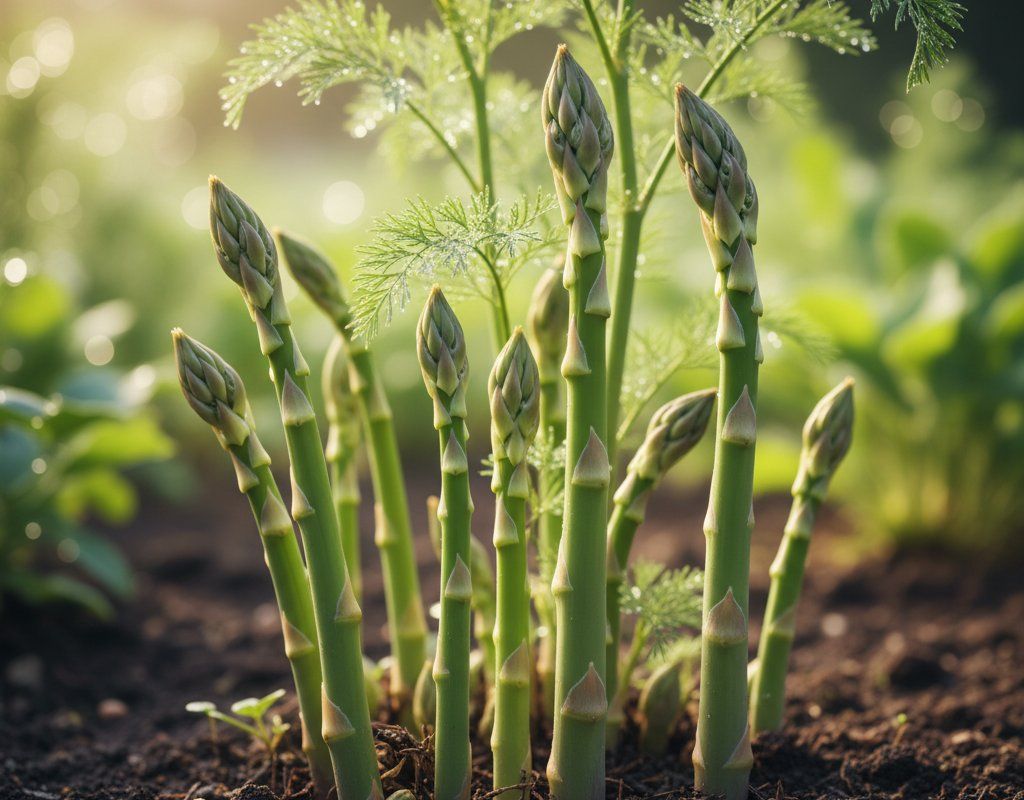



Companion Planting Details
Plant parsley near tomatoes, asparagus, and corn for mutual benefits in desert conditions. Parsley's deep taproot brings up nutrients that benefit shallow-rooted tomatoes, while tomatoes provide afternoon shade that parsley needs during extreme heat. Asparagus and parsley both prefer consistent moisture, making irrigation planning easier in our water-scarce environment.
Avoid planting parsley near lettuce and mint in the Desert Southwest. Lettuce's high water needs compete with parsley during our dry periods, and mint spreads aggressively in irrigated areas, overwhelming parsley's slower growth. Keep roses nearby though—parsley reportedly improves their fragrance while benefiting from the regular watering roses need to survive our climate.
🌸Best Flowers to Plant with Parsley
These flowers protect your Parsley from pests and attract pollinators for better harvests.
For Pest Control




Get a Reminder When It's Time to Plant
We'll email you when key planting windows open for your zone.