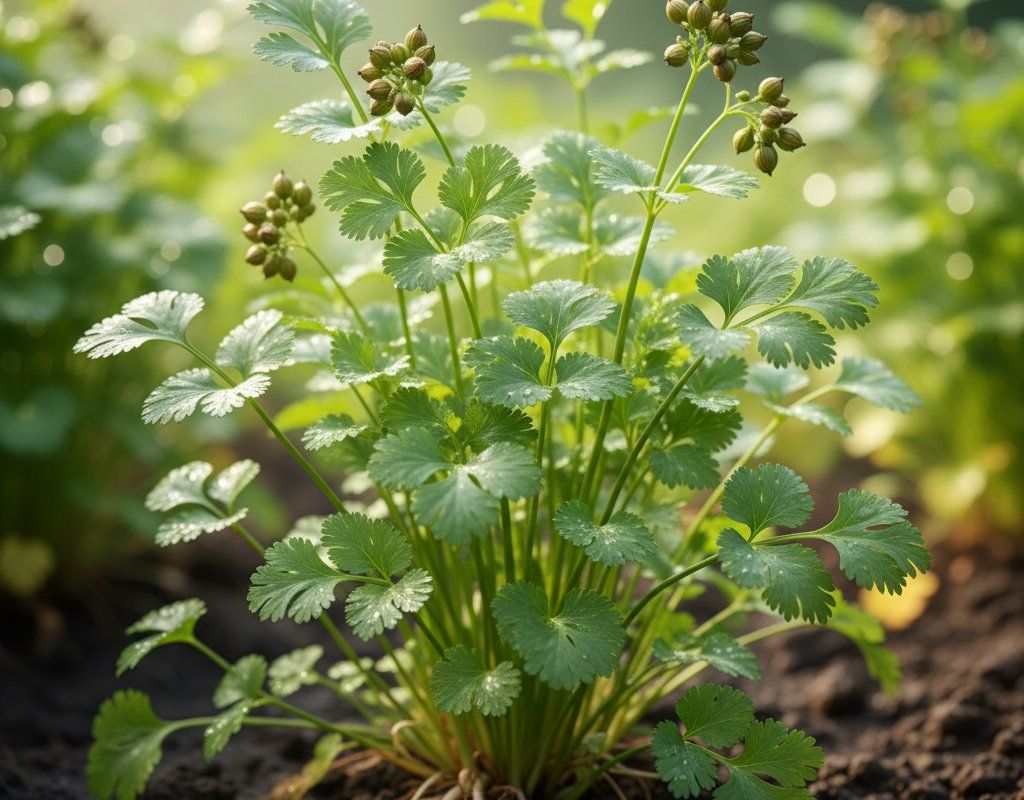
Cilantro in Zone 8A — Pacific Northwest
Coriandrum sativum · Your Complete 2026 Planting Guide
Planning Ahead — Great!
You’re ahead of the season. Here’s when to start.
Mark Your Calendar
How to Plant Cilantro in Zone 8A — Pacific Northwest
Here are all your options for getting cilantro in the ground, from the easiest method to more advanced approaches.
Direct Sow Seeds
RecommendedLate March through early September
around March 27
Consider succession planting every 2-3 weeks for continuous harvest.
Cilantro bolts quickly in heat. Direct sow in cool weather for best results.
Start Seeds Indoors
RecommendedEarly to late March
around March 13
Then transplant: Early April through late May
Start seeds 4-6 weeks before transplanting outdoors.
Buy Starts
Works WellEarly April through late May
around April 10
Plant purchased starts after last frost (April 10).
Transplant Outdoors
Timing InfoEarly April through late May
around April 10
Can tolerate light frost, but wait for soil to be workable.
You have a nice window — no need to rush.
Fall Planting
Early September through early October
September 18 ideal · Direct sow for fall harvest
Plant a second crop in mid-summer for fall harvest. Cilantro actually prefers the cooling temperatures of fall.
Overview
Cilantro thrives in our Pacific Northwest climate, making it one of the most reliable herbs for Zone 8A gardens. Our mild summers and cool nights create perfect conditions for this heat-sensitive herb, allowing you to grow fresh cilantro from spring through fall when other regions struggle with bolting. The leaves add bright, citrusy flavor to everything from salsa to curries, and you can harvest continuously for months.
While cilantro can be finicky about heat and timing, our 203-day growing season gives you multiple chances to succeed. The key is working with our cool springs and taking advantage of our extended fall weather. With proper timing and succession planting, you'll have fresh cilantro from your garden well into November.
Starting Seeds Indoors
Starting cilantro indoors isn't the primary method, but it makes sense if you want an early harvest or better control over germination. Start seeds in early to late March, about 4 weeks before your planned transplant date. Our slow spring warmup means indoor starting can give you a head start when outdoor conditions are still too cool and wet.
Use seed trays with good drainage and keep soil consistently moist through bottom watering. Cilantro seeds benefit from soaking overnight before planting, which helps with their notoriously slow germination. Place trays in a warm spot (65-70°F) and provide bright light once seedlings emerge.
Keep seedlings under grow lights or in a bright window, as our overcast spring days don't provide enough natural light indoors. The main downside is that cilantro develops a taproot and doesn't love transplanting, so handle seedlings gently and don't let them get rootbound.
Transplanting Outdoors
Transplant cilantro seedlings outdoors from early April through late May, once soil has warmed slightly and the wettest spring weather has passed. In our region, early April usually works well since cilantro can handle light frosts and actually prefers cooler conditions.
Harden off seedlings gradually over a week, starting with a few hours of outdoor exposure and building up to full days. Our cool spring nights are perfect for this process. Space plants 6-8 inches apart to allow good air circulation, which helps prevent disease issues in our wet spring conditions.
Choose a spot with morning sun and afternoon shade if possible, as this mimics cilantro's preferred growing conditions. The plants will establish quickly in our cool, moist spring weather and should be ready for first harvest within 3-4 weeks of transplanting.
Direct Sowing
Direct sowing works well for cilantro and is actually preferred since the plants don't suffer transplant shock. Sow seeds from late March through early September, with the best results coming from cool-weather plantings. Our mild summers make multiple succession sowings possible.
Prepare soil by working in compost and ensuring good drainage. Cilantro seeds are slow to germinate (10-14 days), so keep soil consistently moist during this period. Sow seeds ¼ inch deep and space them 6-8 inches apart, or sow more densely and thin later.
The main challenge with direct sowing is that cilantro bolts quickly once temperatures consistently hit the mid-80s. In our region, this means spring and fall plantings are most successful, with summer sowings needing afternoon shade. Plan succession plantings every 2-3 weeks for continuous harvest.
Watering Cilantro in Zone 8A (Pacific Northwest)
Cilantro needs consistent moisture to prevent bolting, making water management crucial in our dry summer months. During our wet springs, you'll rarely need to water, but as conditions dry out in late June, regular watering becomes essential. Check soil moisture with your finger - if it's dry 2 inches down, it's time to water.
Provide about 1 inch of water per week during the growing season, increasing to 1.5 inches during warm spells. Water deeply at the base of plants rather than overhead to prevent leaf diseases, which can be an issue in our humid spring conditions. Our dry summer air helps reduce disease pressure later in the season.
During our mild summers, cilantro won't stress as much as in hotter regions, but consistent moisture is still critical. Plants that experience drought stress will bolt immediately, ending your harvest. Morning watering works well since our cool nights allow plants to recover from any daily heat stress.
Apply a thin layer of organic mulch around plants to retain moisture and keep roots cool during warm weather. Our relatively low summer humidity means mulch won't create fungal problems, and it significantly reduces watering needs during our dry months from July through September.
🧪Fertilizing Cilantro
Feeding Schedule
Organic Fertilizer Options
Harvest Time
Your first cilantro harvest typically comes in mid-May through early November, depending on planting time. Plants are ready when they reach 6+ inches tall, usually 45 days from seed. Look for full-sized, bright green leaves with that characteristic citrusy fragrance - this indicates peak flavor.
Cut outer stems at the base using clean scissors or a sharp knife, leaving the center growth point intact for continued production. Harvest in the morning when leaves are crisp and full of moisture. Regular harvesting every few days encourages new growth and delays bolting.
Once cilantro sends up a flower stalk (bolting), leaf production slows and flavor becomes bitter. In our region, this typically happens during warm spells in summer or as day length increases. When bolting occurs, cut the entire plant and start fresh from seed - our long growing season allows multiple successions.
As first frost approaches in late October, harvest heavily and preserve excess by freezing in ice cubes or drying. Our mild falls often extend the harvest well into November, giving you one of the longest cilantro seasons anywhere.
Common Problems in Zone 8A (Pacific Northwest)
Bolting shows up as tall flower stalks emerging from the center of your cilantro plants, with leaves becoming smaller and more bitter. In our region, bolting typically occurs during warm spells in summer or when day length increases in late spring. Our mild temperatures help, but cilantro is still sensitive to heat and long days.
Prevent bolting by choosing bolt-resistant varieties and succession planting every 2-3 weeks. Provide afternoon shade during our warmest months and maintain consistent soil moisture. When temperatures consistently reach the low 80s, consider moving to shadier spots or waiting until fall for new plantings.
Aphids appear as clusters of tiny green, black, or white insects on leaf undersides and stems, often leaving sticky honeydew residue and causing leaves to curl. These sap-sucking pests multiply quickly during warm weather and are attracted to the tender new growth that cilantro produces.
Knock aphids off with a strong water spray or encourage natural predators like ladybugs and lacewings. Insecticidal soap works for heavy infestations, and our dry summer conditions help prevent the humid environments aphids prefer. Avoid over-fertilizing with nitrogen, which creates the lush growth they love.
Leaf spot manifests as brown or black spots on cilantro leaves, often with yellow halos. This fungal disease thrives in our wet spring conditions when moisture sits on leaves and air circulation is poor. It's more common during our overcast, damp spring weather.
Improve air circulation by proper spacing and avoid overhead watering. Water at soil level in the morning so plants dry quickly. Remove affected leaves immediately and consider copper-based fungicides in severe cases. Our dry summers naturally reduce leaf spot pressure.
Pacific Northwest Specific Challenges: Our combination of wet springs and dry summers creates unique timing challenges for cilantro. Plant too early and wet conditions may cause damping-off; plant too late and summer heat triggers bolting. The key is timing plantings for late spring and early fall when conditions are cool but not soggy.
Best Companions for Cilantro
Plant these nearby for healthier Cilantro and better harvests.

Keep Away From

Companion Planting Details
Cilantro makes an excellent companion for tomatoes, peppers, and other heat-loving crops in our Pacific Northwest gardens. It provides living mulch around these larger plants while our cool conditions keep it productive longer than in hotter regions. The herb's strong scent may help deter aphids and whiteflies from your warm-season vegetables.
Plant cilantro alongside spinach and other cool-season greens for efficient use of garden space. Both crops appreciate similar growing conditions and can share irrigation systems. The upright growth habit of cilantro contrasts nicely with low-growing lettuce. Avoid planting near fennel, as these two herbs can cross-pollinate and affect flavor, plus they compete for similar nutrients and space in the garden.
🌸Best Flowers to Plant with Cilantro
These flowers protect your Cilantro from pests and attract pollinators for better harvests.



Get a Reminder When It's Time to Plant
We'll email you when key planting windows open for your zone.