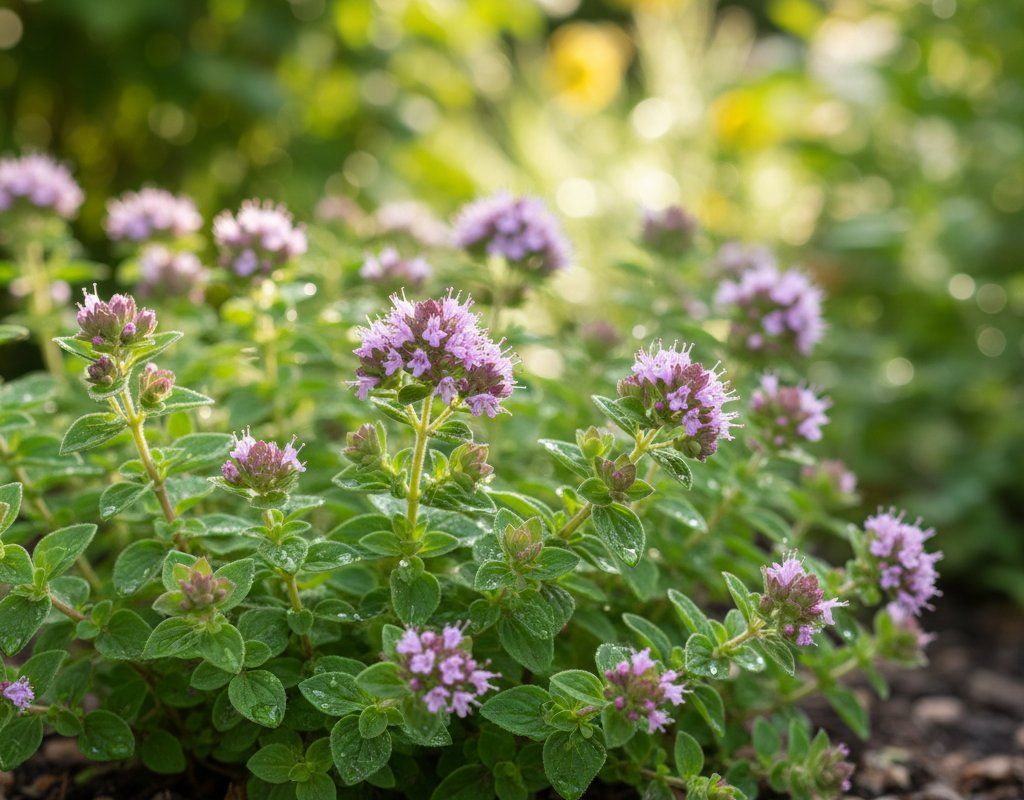
Oregano in Zone 8A — Pacific Northwest
Origanum vulgare · Your Complete 2026 Planting Guide
Missed Seed Starting? No Problem!
Wait for starts to become available.
What to Do
Starts will be available at nurseries in 37 days (around April 10).
How to Plant Oregano in Zone 8A — Pacific Northwest
Here are all your options for getting oregano in the ground, from the easiest method to more advanced approaches.
Buy Starts
RecommendedEarly April through late May
around April 10
Plant purchased starts after last frost (April 10).
Easy from seed but slow. Starts give faster results.
Start Seeds Indoors
Works WellEarly to late February
around February 13
Then transplant: Early April through late May
Start seeds 8-10 weeks before transplanting outdoors.
Direct Sow Seeds
Works WellEarly April through early September
around April 10
Consider succession planting every 2-3 weeks for continuous harvest.
Transplant Outdoors
Timing InfoEarly April through late May
around April 10
Can tolerate light frost, but wait for soil to be workable.
You have a nice window — no need to rush.
Overview
Oregano thrives in our Pacific Northwest Zone 8A climate, making it one of the most rewarding herbs to grow in our region. Our mild summers with cool nights actually enhance oregano's essential oil production, creating more flavorful leaves than you'll ever find in the store. The plant loves our well-draining soils and once established, it handles our dry summer months beautifully without constant watering.
While our cool spring soil can slow initial growth and our shorter warm season means patience is key, oregano's hardy nature makes it manageable for PNW gardeners. With our 203-day growing season, you'll have plenty of time to establish plants and harvest continuously from late spring through our excellent long fall. The key is working with our regional timing rather than fighting it.
Starting Seeds Indoors
Starting oregano from seed indoors works well if you want multiple plants or specific varieties not available as starts. Begin sowing in early to late February, about 8 weeks before you plan to transplant outdoors in April. Use seed trays with good drainage and keep them in a warm spot (65-70°F works best) until germination occurs in 7-14 days.
Bottom watering prevents damping-off issues that can plague herb seedlings in our humid spring conditions. Once seedlings emerge, they need bright light - either a sunny south window or grow lights for 12-14 hours daily. Our overcast spring days often don't provide enough natural light alone.
Keep in mind that oregano from seed grows slowly at first, so buying starts might be more practical if you only need a plant or two. However, if you're planning a large herb garden or want unusual varieties, indoor sowing gives you the best selection and value.
Transplanting Outdoors
Transplant oregano outdoors anytime from early April through late May, once soil temperatures consistently stay above 50°F. In our region, this timing avoids the worst of our cool spring soil while ensuring plants establish before summer. Space plants 12-18 inches apart - oregano spreads as it matures, and good air circulation prevents moisture-related problems.
Harden off seedlings gradually over a week by placing them outside for increasing periods daily. Start with 2-3 hours in filtered sunlight, building up to full outdoor exposure. Our spring weather can swing from mild to surprisingly cool overnight, so bring them in if temperatures drop below 40°F.
Choose a sunny, well-draining spot for transplanting. Oregano performs best with 6-8 hours of direct sun, which can be challenging to find in our often overcast springs. Once established, these hardy perennials will reward you with years of harvests and minimal maintenance.
Direct Sowing
Direct sowing oregano works from early April through early September, though spring and early summer plantings establish best in our climate. Sow seeds when soil temperatures reach at least 55°F and the ground isn't muddy from our wet spring weather. Wait for a dry spell if your soil stays soggy - oregano hates waterlogged conditions.
Prepare your planting area by working compost into well-draining soil. Scatter seeds thinly and barely cover them with soil - oregano needs light to germinate. Keep the seeded area consistently moist (not soggy) for the 10-14 days it takes for germination. Our mild spring temperatures are actually perfect for this process.
Space plants 12-18 inches apart once they're 2-3 inches tall, thinning weaker seedlings. Direct-sown oregano takes longer to reach harvestable size compared to transplants, but it often develops stronger root systems that handle our dry summers better once established.
Watering Oregano in Zone 8A (Pacific Northwest)
Oregano's drought tolerance makes it perfect for our dry summer climate once established. During the first month after transplanting, water deeply once or twice weekly to help roots develop. Check soil moisture by sticking your finger 2 inches deep - if it's dry, it's time to water. Our mild summer temperatures mean plants won't wilt as quickly as they would in hotter regions.
Once established (usually by midsummer), oregano needs very little supplemental water in our Pacific Northwest climate. Our average 36-50 inches of annual rainfall, concentrated in fall through spring, provides most of what the plant needs. During our typical dry summer months, a deep watering every 10-14 days is usually sufficient, especially with our cool nights that reduce water stress.
Water at the base of plants rather than overhead to prevent moisture on leaves, though our dry summer humidity means this is less critical than in more humid regions. Overwatering dilutes the essential oils that give oregano its flavor - a common mistake in our naturally wet climate. Yellow leaves and musty smell indicate too much water, while gray-green leaves and crispy edges suggest underwatering.
A thin layer of mulch around plants helps retain moisture during our dry spells while preventing weeds. Use materials like compost or shredded leaves rather than thick bark mulch, which can hold too much moisture against the plant's crown during our wet winters.
Pruning & Maintaining Oregano
Oregano needs minimal pruning but benefits from periodic cutting to maintain compact growth and prevent flowering. Cut back about one-third of the plant in midsummer (typically July in our region) to encourage fresh, tender growth. This timing works perfectly with our mild summer heat - the plant recovers quickly without stress.
Pinch off flower buds as they appear to keep energy focused on leaf production. If you want to save seeds, let a few stems flower at the end of the season, but remove most buds for the best leaf flavor. Regular harvesting naturally provides much of the pruning your plant needs.
In late fall, around mid to late October before our first frost arrives, cut plants back to about 2 inches from the ground. This prepares them for winter dormancy and prevents old growth from harboring moisture that could cause rot during our wet winters. The plants will return vigorously the following spring.
🧪Fertilizing Oregano
Feeding Schedule
Organic Fertilizer Options
Harvest Time
Expect your first oregano harvest in late May through early June, about 45 days after transplanting or when direct-sown plants reach 4+ inches tall. In our Pacific Northwest climate, this timing coincides perfectly with the end of our wet spring and beginning of the dry season. Young plants benefit from light harvesting initially - take only a few sprigs to let them establish strong root systems.
Harvest oregano anytime once plants are established, but flavor peaks just before the plant flowers. Cut stems just above a pair of leaves to encourage branching and continued growth. Morning harvesting after dew evaporates gives you the best essential oil concentration. Take no more than one-third of the plant at any single harvest to maintain healthy growth.
Our mild summers and cool nights actually intensify oregano's flavor compared to hotter regions. You can harvest continuously through early November, right up until our first frost in late October. The long harvest window means you'll have fresh oregano for months, with flavor remaining strong even as temperatures cool.
As fall progresses, oregano's growth slows but doesn't stop until frost. Take final harvests before hard frost hits, and consider drying or freezing larger amounts for winter use. The plant will die back to the crown but return reliably next spring in our Zone 8A climate.
Common Problems in Zone 8A (Pacific Northwest)
Root Rot Soggy, blackened roots and yellowing leaves that start from the bottom of the plant indicate root rot. The plant may suddenly wilt despite wet soil, and you might notice a musty smell around the base. This problem often develops during our wet springs or from overwatering during summer months. Our heavy clay soils in some areas can worsen drainage issues, making oregano particularly susceptible. Prevent root rot by improving drainage with compost or planting in raised beds. Once established, reduce watering frequency - oregano prefers our natural dry summers. Remove affected plants immediately and don't replant oregano in the same spot without improving soil drainage first.
Aphids Look for clusters of tiny, soft-bodied insects in green, black, or white on stems and leaf undersides. You'll also notice sticky honeydew residue and curled or distorted new growth on affected plants. These sap-sucking insects reproduce rapidly and populations can explode during warm spells in our mild summer climate. Ants often farm aphids for their honeydew, so ant activity around plants is another warning sign. Knock aphids off with a strong water spray from your hose - this works well in our dry summer conditions. Encourage natural predators like ladybugs and lacewings by avoiding broad-spectrum pesticides. For heavy infestations, use insecticidal soap or neem oil, and avoid excess nitrogen fertilizer which attracts them.
Spider Mites Fine stippling appears on leaves as tiny white dots, followed by fine webbing on leaf undersides and between stems. Leaves eventually turn bronze or yellow as damage progresses. These tiny arachnids thrive in hot, dry conditions, though our mild summers usually keep populations manageable compared to hotter regions. However, they can still be problematic during our driest summer periods, especially on plants under stress. Daily strong water sprays for a week effectively control spider mites - our dry summer humidity means this won't create other moisture problems. Increase humidity around plants with mulch or companion plantings. Neem oil or insecticidal soap provide additional control if needed.
Pacific Northwest Specific Challenges Our region's mild summer heat and dry conditions actually benefit oregano by concentrating essential oils and reducing many pest pressures common in more humid climates. However, our wet springs can slow establishment and create root rot risks if drainage is poor. The key is working with our natural seasonal patterns - letting winter rains hydrate the soil, then relying on oregano's drought tolerance during our dry summer months.
Best Companions for Oregano
Plant these nearby for healthier Oregano and better harvests.

Keep Away From
Companion Planting Details
Oregano makes an excellent companion for warm-season vegetables that benefit from its pest-repelling properties and similar water needs. Plant it near peppers and tomatoes - oregano's strong scent helps deter aphids and spider mites that commonly attack these crops in our region. The herb's low water requirements match well with established tomato and pepper plants during our dry summers. Oregano also complements squash and beans by attracting beneficial insects while its spreading habit provides living mulch that conserves moisture.
Avoid planting oregano near moisture-loving plants like lettuce or herbs that need frequent watering, as their different water requirements don't match well in our climate. The herb's spreading growth habit means it needs space and can overwhelm smaller, delicate plants over time. In our Pacific Northwest gardens, oregano works best as part of a Mediterranean-style planting with other drought-tolerant herbs and vegetables that thrive in well-draining soil.
🌸Best Flowers to Plant with Oregano
These flowers protect your Oregano from pests and attract pollinators for better harvests.
For Pest Control



Get a Reminder When It's Time to Plant
We'll email you when key planting windows open for your zone.