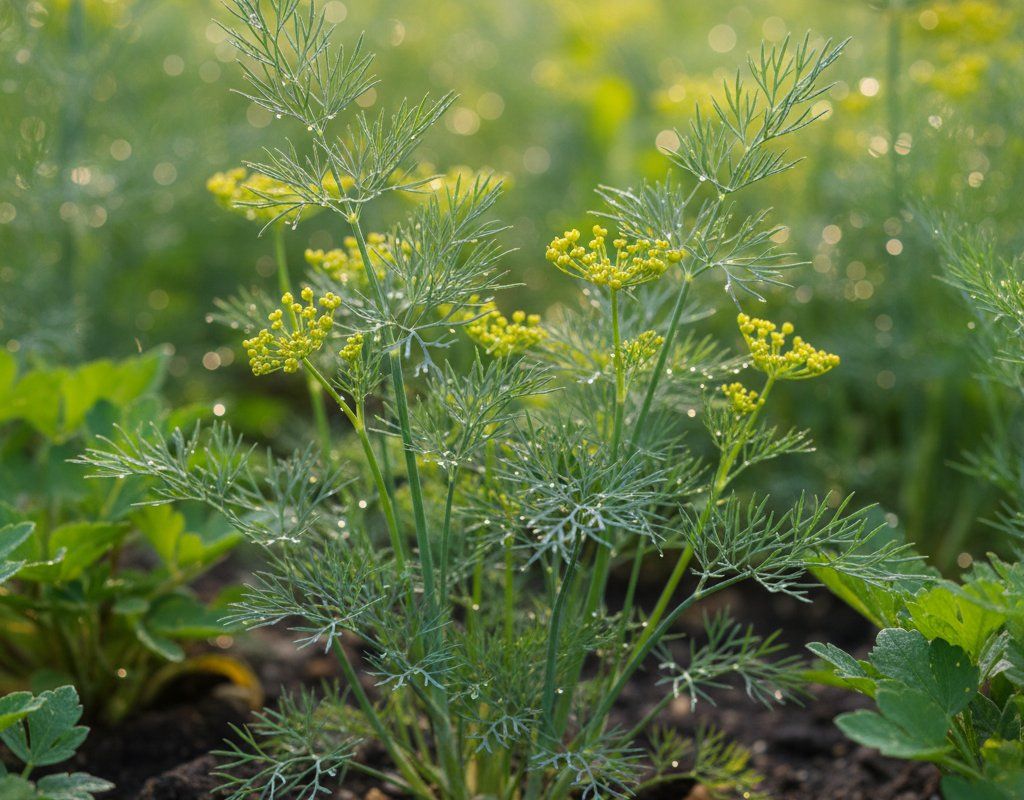
Dill in Zone 8A — Pacific Northwest
Anethum graveolens · Your Complete 2026 Planting Guide
Planning Ahead — Great!
You’re ahead of the season. Here’s when to start.
Mark Your Calendar
How to Plant Dill in Zone 8A — Pacific Northwest
Here are all your options for getting dill in the ground, from the easiest method to more advanced approaches.
Direct Sow Seeds
RecommendedEarly April through early September
around April 10
Consider succession planting every 2-3 weeks for continuous harvest.
Dill has a taproot and prefers direct sowing, but transplants work if handled carefully.
Start Seeds Indoors
RecommendedMid March through early April
around March 20
Then transplant: Mid April through late May
Start seeds 4-6 weeks before transplanting outdoors.
Buy Starts
Works WellMid April through late May
around April 17
Plant purchased starts after last frost (April 10).
Transplant Outdoors
Timing InfoMid April through late May
around April 17
Can tolerate light frost, but wait for soil to be workable.
You have a nice window — no need to rush.
Fall Planting
Early September through early October
September 18 ideal · Direct sow for fall harvest
Plant a second crop in mid-summer for fall harvest. Dill actually prefers the cooling temperatures of fall.
Overview
Dill thrives in our Pacific Northwest climate, giving you fresh feathery leaves and aromatic seeds throughout our long growing season. The mild summers and cool nights that define our region actually improve dill's flavor, preventing the harsh bitterness that develops in hotter climates. You'll harvest tender leaves for pickling, cooking, and fresh eating from late spring through fall, making this herb incredibly rewarding for our 203-day growing season.
While our wet springs can slow soil warming and make timing tricky, dill's hardy nature works beautifully with our climate patterns. The key is working with our seasonal rhythms rather than fighting them, timing your sowings to take advantage of our excellent spring and fall growing conditions.
Starting Seeds Indoors
Starting dill indoors isn't the most common approach since dill has a taproot that prefers undisturbed soil, but it can work well during our slow springs. Start seeds in mid-March through early April, about four weeks before you plan to transplant outdoors. This gives you a head start when our soil is still too cool and wet for direct sowing.
Use seed trays with individual cells to minimize root disturbance later. Keep the soil warm (around 65-70°F) and provide good light once seedlings emerge. Bottom watering works best to prevent damping-off, which can be an issue during our overcast spring days.
The main advantage of indoor starting here is getting around our cool, wet springs. You'll have sturdy transplants ready when conditions improve, rather than waiting for the soil to warm up enough for direct sowing.
Transplanting Outdoors
Transplant your dill seedlings outdoors from mid-April through late May, once soil temperatures consistently reach 50°F and the worst of our spring rains have passed. Handle the seedlings carefully since dill's taproot doesn't like disturbance - transplant shock can cause premature bolting.
Harden off seedlings gradually over a week, starting with just a few hours outdoors during our milder afternoon temperatures. Our spring weather swings can be dramatic, so watch for unexpected cool snaps that might set back tender transplants.
Space plants 12 inches apart in well-draining soil. The wet spring conditions we often experience make good drainage crucial - dill won't tolerate waterlogged roots, and our heavy spring rains can be problematic in clay soils.
Direct Sowing
Direct sowing is actually dill's preferred method since it avoids transplant shock to the taproot. You can sow from early April through early September, giving you multiple opportunities for succession plantings throughout our growing season. Early spring sowings work once soil temperatures reach 50°F and the ground isn't muddy from winter rains.
Prepare the soil by working in compost to improve drainage - this is especially important in our clay-heavy soils that can stay soggy through spring. Sow seeds about ¼ inch deep and 12 inches apart, or sow more densely and thin later.
The beauty of direct sowing here is that you can make successive plantings every 2-3 weeks through summer. Our mild temperatures mean dill won't bolt as quickly as it would in hotter climates, giving you a longer harvest window from each sowing.
Watering Dill in Zone 8A (Pacific Northwest)
Dill needs consistent, moderate moisture throughout the growing season, but our Pacific Northwest climate makes watering relatively straightforward compared to hotter regions. During spring, our natural rainfall usually provides adequate water, though you'll need to supplement during dry spells.
Once our dry summer months arrive, provide about an inch of water per week through deep, infrequent watering sessions. Water at the base of plants rather than overhead - while our dry summer humidity reduces disease risk, dill's feathery foliage can hold moisture and encourage fungal issues if watered from above.
Use the finger test to check soil moisture: stick your finger 2 inches deep into the soil. If it's dry at that depth, it's time to water. During our mild summer heat (rarely above 90°F), dill won't stress as quickly as in hotter climates, but consistent moisture prevents premature bolting.
A light mulch around plants helps retain moisture during the dry summer months and reduces watering frequency. Signs of underwatering include wilting and premature flowering, while overwatering shows as yellowing leaves and poor growth - particularly problematic in our heavier soils that drain slowly.
🧪Fertilizing Dill
Feeding Schedule
Organic Fertilizer Options
Harvest Time
You can start harvesting dill leaves about 40 days after sowing, typically beginning in mid-May for spring plantings. The feathery foliage is best harvested in the morning after dew has dried but before the day warms up. Cut outer stems first, leaving the center to continue growing.
For fresh leaves, harvest continuously throughout the growing season by pinching off stems as needed. The mild temperatures of our Pacific Northwest summers mean leaves stay tender longer than in hotter climates. Regular harvesting actually encourages bushier growth and delays flowering.
If you want dill seeds, allow some plants to flower and develop seed heads. The umbrella-shaped flowers turn brown and dry when ready, usually in late summer. Cut the entire seed head into a paper bag and shake gently to release the seeds.
With our long mild fall extending into late October, you can continue harvesting fresh dill well past what gardeners in colder zones manage. Make your final harvest before our first frost, which typically arrives in late October, and consider drying or freezing the last harvest for winter use.
Common Problems in Zone 8A (Pacific Northwest)
Bolting Premature flowering appears as tall flower stalks shooting up from the center of the plant, with leaves becoming bitter and tough. In our region, bolting is often triggered by temperature swings during spring or extended dry periods during summer. Our mild summers actually help prevent heat-induced bolting compared to hotter climates.
Plant at proper timing for spring crops, provide consistent moisture during dry summer months, and choose locations with afternoon shade during our warmest weeks. Succession planting every 2-3 weeks gives you fresh crops as older ones go to seed.
Aphids Look for clusters of tiny green, black, or white insects on stems and leaf undersides, along with sticky honeydew residue and curled new growth. Our mild, dry summers can actually reduce aphid pressure compared to more humid regions, but populations can still build up on tender new growth.
Strong water sprays work well in our dry climate since leaves dry quickly afterward. Encourage beneficial insects like ladybugs and lacewings, which thrive in our region. For heavy infestations, insecticidal soap is effective, and avoid over-fertilizing with nitrogen, which attracts aphids.
Caterpillars Parsley worms (swallowtail butterfly larvae) are the most common caterpillars on dill, appearing as green caterpillars with black stripes and orange spots. They can quickly defoliate plants by eating foliage and stems.
Hand-picking works well for small infestations, and many PNW gardeners choose to tolerate some damage to support native butterfly populations. For severe infestations, Bt (Bacillus thuringiensis) provides organic control. Row covers during peak egg-laying periods can prevent problems.
Pacific Northwest Specific Challenges: Our wet springs can encourage fungal issues if drainage is poor, while slugs thrive in our moist conditions and will eat young dill seedlings. However, our dry summers and mild temperatures actually reduce many common herb problems, making dill easier to grow here than in more challenging climates.
Best Companions for Dill
Plant these nearby for healthier Dill and better harvests.


Keep Away From
Companion Planting Details
Dill makes an excellent companion for cabbage family crops like broccoli and kale, which thrive in our cool spring and fall conditions. The dill attracts beneficial insects that help control cabbage worms and aphids, while the timing works perfectly - you can interplant spring dill with early brassicas. Cucumbers also benefit from dill's pest-repelling properties, and both crops appreciate similar watering schedules during our dry summers.
Plant dill near lettuce and other salad greens for a natural pest management system - the strong scent helps deter some leaf-eating insects. However, avoid planting dill near carrots, as they can cross-pollinate and affect flavor, and keep it away from tomatoes, which prefer different growing conditions and can be inhibited by dill's strong root exudates.
🌸Best Flowers to Plant with Dill
These flowers protect your Dill from pests and attract pollinators for better harvests.
For Pest Control




Get a Reminder When It's Time to Plant
We'll email you when key planting windows open for your zone.