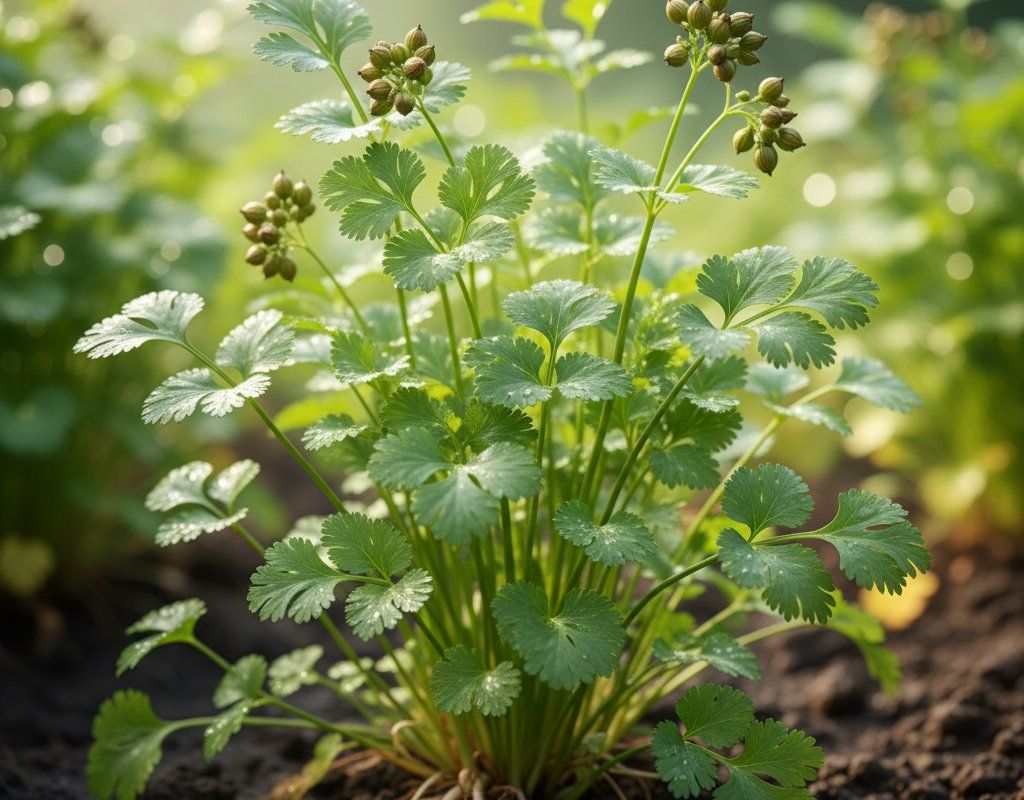
Cilantro in Zone 8B — Desert Southwest
Coriandrum sativum · Your Complete 2026 Planting Guide
Time to Buy Starts!
Seed starting window passed, but starts are available now.
Buy Starts Now
Head to your local nursery, Home Depot, or farmers market for transplants.
- Look for stocky plants with dark green leaves
- Avoid leggy seedlings or plants already flowering
- Check that roots aren't circling the pot (rootbound)
How to Plant Cilantro in Zone 8B — Desert Southwest
Here are all your options for getting cilantro in the ground, from the easiest method to more advanced approaches.
Direct Sow Seeds
RecommendedMid February through early October
around February 11
Consider succession planting every 2-3 weeks for continuous harvest.
Cilantro bolts quickly in heat. Direct sow in cool weather for best results.
Start Seeds Indoors
RecommendedLate January through mid February
around January 28
Then transplant: Late February through early April
Start seeds 4-6 weeks before transplanting outdoors.
Buy Starts
Works WellLate February through early April
around February 25
Plant purchased starts after last frost (February 25).
Transplant Outdoors
Timing InfoLate February through early April
around February 25
Can tolerate light frost, but wait for soil to be workable.
You have a nice window — no need to rush.
Fall Planting
Early October through early November
October 20 ideal · Direct sow for fall harvest
Plant a second crop in mid-summer for fall harvest. Cilantro actually prefers the cooling temperatures of fall.
Overview
Cilantro thrives in the Desert Southwest's mild winters and two growing seasons, giving you fresh leaves from late winter through early summer and again in fall. This cool-season herb loves our February-through-April window when temperatures hover in the perfect 60-75°F range, and you'll get another excellent harvest period during our extended fall season. The intense flavor of homegrown cilantro puts store-bought to shame, and you can harvest continuously for months with proper succession planting.
The Desert Southwest's extreme heat and arid conditions mean timing is everything with cilantro. Plant too late in spring or too early in summer, and you'll watch your plants bolt to seed within weeks. But work with our 279-day growing season, and you'll enjoy fresh cilantro from late March through early December with strategic plantings in the cool months.
Starting Seeds Indoors
Starting cilantro seeds indoors makes sense if you want an extra-early spring harvest or need to avoid late winter temperature swings. Start seeds in late January through mid-February, about four weeks before your planned transplant date. Use seed trays with quality potting mix and keep them in a warm spot (65-70°F) for best germination.
Bottom watering works well for cilantro seedlings since the seeds can be finicky about moisture levels. Place your seed trays in shallow water and let the soil absorb moisture from below rather than watering from the top. With our very early spring character in the Desert Southwest, indoor starting gives you more control over timing than direct seeding in potentially variable February weather.
Since cilantro doesn't love root disturbance, consider biodegradable pots if you're starting indoors. The plants will establish faster outdoors when the entire pot can go into the ground.
Transplanting Outdoors
Transplant your cilantro seedlings outdoors from late February through early April, when nighttime temperatures stay consistently above 40°F. Your transplants should have at least two sets of true leaves and sturdy stems before heading outside. Space plants 6-8 inches apart to allow good air circulation and room for the upright growth habit.
Harden off seedlings gradually over one week by placing them outside for increasing periods daily. Start with morning sun only, then extend to longer outdoor exposure. Our late February weather can still surprise with cold snaps or strong winds, so watch the forecast and protect plants if needed.
Choose your transplant location carefully in the Desert Southwest. Morning sun with afternoon shade works best, especially as spring progresses toward summer heat. Plant in well-draining soil amended with compost, since our alkaline caliche can be challenging for cilantro's moderate water needs.
Direct Sowing
Direct sowing works well for cilantro from mid-February through early October, though spring and fall plantings give the best results. Sow seeds ¼ inch deep in well-prepared soil when temperatures are consistently between 55-75°F. Space seeds about 2 inches apart, then thin to 6-8 inches once seedlings emerge.
The key advantage of direct sowing is avoiding transplant shock, which can trigger premature bolting. However, our desert conditions mean you need consistent soil moisture during germination, which can be tricky to maintain. Cover the seeded area with a light layer of compost to help retain moisture and protect emerging seedlings.
Skip summer direct sowing unless you can provide significant shade and consistent water. Cilantro bolts quickly when soil temperatures exceed 75°F, and direct-sown seeds struggle in our extreme heat. Your best direct-sowing windows are February through March and September through early October.
Watering Cilantro in Zone 8B (Desert Southwest)
Cilantro needs consistent moisture to prevent bolting, especially critical in our arid Desert Southwest climate. Check soil moisture by inserting your finger 2 inches deep – if it's dry, it's time to water. During cool spring weather, this typically means watering every 3-4 days, but monitor closely as temperatures rise.
Provide about 1-1.5 inches of water weekly through deep, infrequent watering sessions. Water at the base of plants rather than overhead to minimize evaporation in our low-humidity conditions. Morning watering works best, giving plants time to absorb moisture before afternoon heat kicks in.
Watch for stress signals: wilting, premature flowering (bolting), or bitter-tasting leaves all indicate water stress. In our extreme summer heat, even well-watered cilantro may struggle, which is why fall and winter growing seasons work so much better here. During monsoon season, adjust watering based on natural rainfall, but don't assume storms provide enough consistent moisture.
Apply a thin layer of organic mulch around plants to help retain soil moisture and keep root zones cooler. This is especially important as spring temperatures climb toward summer, helping extend your harvest window before plants bolt to seed.
🧪Fertilizing Cilantro
Feeding Schedule
Organic Fertilizer Options
Harvest Time
Your first cilantro harvest typically arrives 45 days after planting, usually late March through early December depending on your planting schedule. Begin harvesting when plants reach 6+ inches tall and have developed several sets of mature leaves. Cut outer stems at the base using clean scissors or garden snips, leaving the center growing point intact for continued production.
Harvest frequently to encourage new growth and delay bolting. Take what you need for meals every few days rather than waiting for large harvests. The more you cut, the more the plant produces – until heat stress triggers flowering. Morning harvest gives you the most flavorful leaves before afternoon heat affects essential oils.
Once cilantro sends up a central flower stalk (bolting), leaf production slows dramatically and flavor becomes bitter. This happens quickly in rising spring temperatures, often by late April or May in the Desert Southwest. At this point, let the plant go to seed for coriander harvest, or pull it and plant new seeds for fall growing.
Plan succession plantings every 2-3 weeks during cool months to maintain continuous harvest. Your fall plantings, started in early October, often provide the best cilantro harvest of the year, lasting well into December before our first frost arrives.
Common Problems in Zone 8B (Desert Southwest)
Bolting Premature flowering shows up as a tall central stem shooting up from the plant's center, followed by umbrella-shaped white flowers. Leaves become bitter and tough once bolting begins. This happens when cilantro experiences heat stress, long daylight hours, or inconsistent watering – all common triggers in our Desert Southwest climate. Plant during cool months (February-April, September-November), provide afternoon shade as temperatures rise, and maintain consistent soil moisture. Choose slow-bolt varieties and succession plant every 2-3 weeks rather than fighting summer heat.
Aphids Look for clusters of tiny green, black, or white soft-bodied insects on leaf undersides and new growth tips. You'll notice sticky honeydew residue and distorted, curled leaves. Our warm spring weather creates perfect conditions for rapid aphid reproduction, and they love the tender new growth that cilantro produces. Spray them off with a strong water stream in early morning, encourage beneficial insects like ladybugs, or use insecticidal soap for heavy infestations. Avoid over-fertilizing with nitrogen, which creates the soft, succulent growth aphids prefer.
Leaf Spot Brown or black spots on leaves, starting small and enlarging with yellow halos around them. Leaves may turn yellow and drop prematurely. This fungal issue develops during our monsoon season when humidity spikes and moisture sits on leaves. Ensure good air circulation with proper 6-8 inch spacing, water at soil level rather than overhead, and remove affected leaves immediately. Our typically dry conditions help prevent leaf spot, but be vigilant during summer monsoons.
Desert Southwest Specific Challenges Our extreme heat and arid conditions make cilantro a cool-season-only crop here. The combination of 105°F+ temperatures, intense sun, and low humidity creates impossible growing conditions for cilantro from May through September. Focus your energy on spring and fall plantings, provide afternoon shade even during cool months, and maintain consistent soil moisture despite our minimal rainfall.
Best Companions for Cilantro
Plant these nearby for healthier Cilantro and better harvests.

Keep Away From

Companion Planting Details
Plant cilantro near tomatoes, peppers, and beans – the herbs' shallow roots won't compete with these deeper-rooted plants, and cilantro can help deter aphids and other pests that bother warm-season vegetables. Spinach makes an excellent companion since both prefer cool weather and similar growing conditions, letting you maximize space during our prime spring growing window. The combination works especially well in the Desert Southwest because you can provide afternoon shade for both crops as temperatures rise.
Avoid planting cilantro near fennel, which can cross-pollinate and affect flavor if allowed to go to seed. Keep these herbs in separate garden areas to maintain the distinct taste profiles you're growing them for. In our intense desert conditions, focus companion plantings on crops that share similar water and shade requirements rather than traditional companion planting rules.
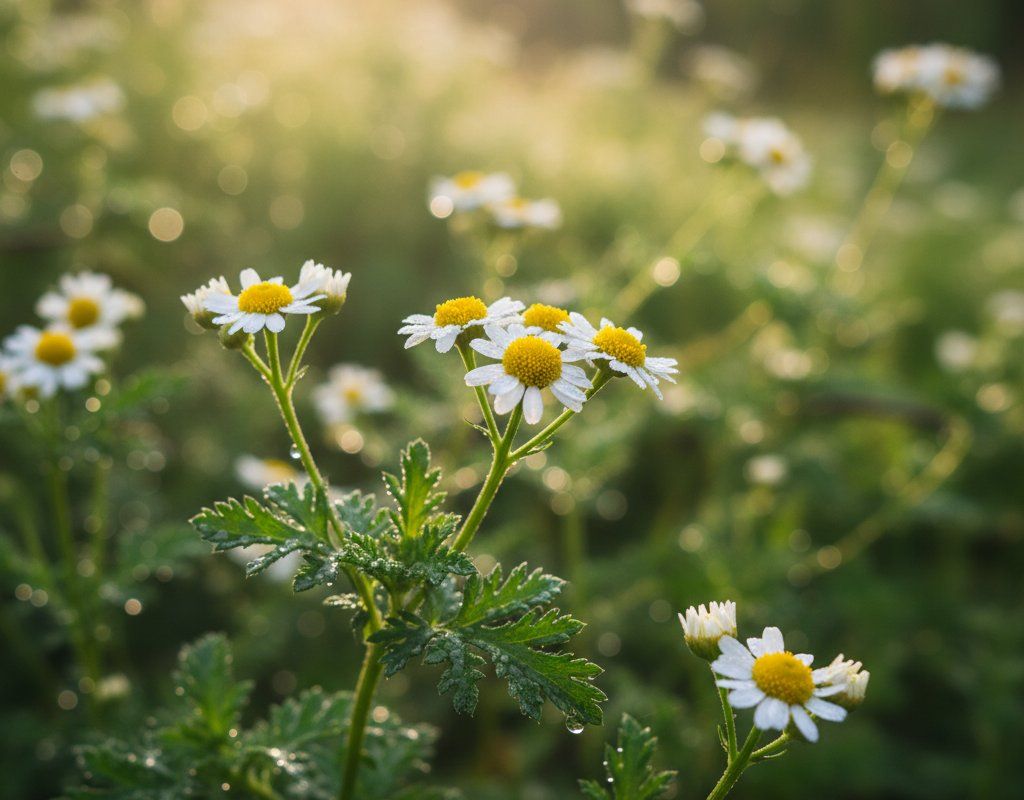
🌸Best Flowers to Plant with Cilantro
These flowers protect your Cilantro from pests and attract pollinators for better harvests.



Get a Reminder When It's Time to Plant
We'll email you when key planting windows open for your zone.