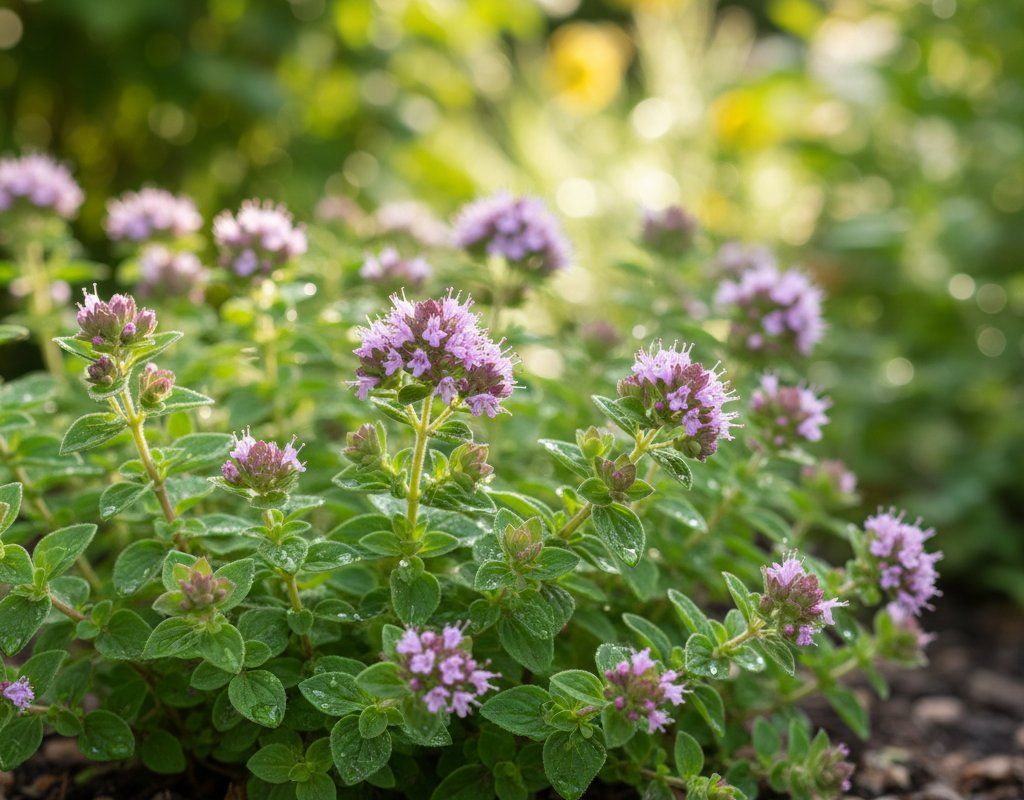
Oregano in Zone 8B — Desert Southwest
Origanum vulgare · Your Complete 2026 Planting Guide
Time to Buy Starts!
Seed starting window passed, but starts are available now.
Buy Starts Now
Head to your local nursery, Home Depot, or farmers market for transplants.
- Look for stocky plants with dark green leaves
- Avoid leggy seedlings or plants already flowering
- Check that roots aren't circling the pot (rootbound)
How to Plant Oregano in Zone 8B — Desert Southwest
Here are all your options for getting oregano in the ground, from the easiest method to more advanced approaches.
Buy Starts
RecommendedLate February through early April
around February 25
Plant purchased starts after last frost (February 25).
Easy from seed but slow. Starts give faster results.
Start Seeds Indoors
Works WellLate December through mid January
around December 31
Then transplant: Late February through early April
Start seeds 8-10 weeks before transplanting outdoors.
Direct Sow Seeds
Works WellLate February through early October
around February 25
Consider succession planting every 2-3 weeks for continuous harvest.
Transplant Outdoors
Timing InfoLate February through early April
around February 25
Can tolerate light frost, but wait for soil to be workable.
You have a nice window — no need to rush.
Overview
Oregano thrives in our Desert Southwest climate, offering intense flavor that actually improves in our hot, dry conditions. The low humidity and alkaline soil naturally concentrate the essential oils that make oregano so aromatic, giving you restaurant-quality herbs right from your garden. Plus, this drought-tolerant Mediterranean native handles our extreme heat better than most herbs once established.
While our intense summer sun and caliche soil present challenges, oregano's hardy nature and your timing make success very manageable. With our 279-day growing season, you can harvest fresh oregano from mid-spring through early winter, giving you months of continuous production that far exceeds what gardeners in shorter seasons enjoy.
Starting Seeds Indoors
Starting oregano seeds indoors makes sense if you want multiple plants or specific varieties not available as transplants. Sow seeds in late December through mid-January, about 8 weeks before your late February transplant window. Our very-early spring character means you'll need these plants ready to go outdoors while other regions are still dealing with snow.
Use seed starting trays with good drainage and keep soil consistently moist using bottom watering - this prevents the tiny seeds from washing away. Place trays in a warm spot (65-70°F) with bright light once germination occurs. Seeds are slow to start, often taking 2-3 weeks, so patience is key.
The main downside is oregano's notoriously slow growth from seed - you won't see substantial plants for months. Most Desert Southwest gardeners find purchasing transplants more practical, especially since oregano plants are inexpensive and readily available at local nurseries in late winter.
Transplanting Outdoors
Transplant oregano outdoors from late February through early April, after our last frost risk passes. This timing takes advantage of our mild spring temperatures before the extreme heat arrives. Harden off transplants gradually over a week, starting with morning sun only and building to full exposure.
Space plants 12-18 inches apart - they'll spread into low mounds that eventually touch. Choose a spot with excellent drainage since oregano despises wet feet, especially important in our clay-heavy desert soils. If you're dealing with caliche, consider raised beds or containers.
Plant on a calm day when possible, as our spring winds can stress newly transplanted herbs. Water thoroughly after planting, then back off to let roots establish. The cooler nights and moderate daytime temperatures of late winter make this the ideal transplant window.
Direct Sowing
Direct sowing oregano works in our Desert Southwest climate, though germination can be spotty. Sow seeds from late February through early October, with the best results coming from spring and fall plantings. Summer sowings struggle unless you provide afternoon shade and consistent moisture.
Prepare soil by working in compost and ensuring excellent drainage - oregano seeds rot in soggy conditions. Scatter seeds lightly on the surface and barely cover with fine soil, as they need light to germinate. Keep soil consistently moist until seedlings establish, which takes 2-4 weeks depending on temperature.
The main challenge with direct sowing is our intense sun and low humidity, which can dry out seedlings quickly. Fall sowings often perform better than spring ones since plants establish during cooler weather and mature during our mild winter months.
Watering Oregano in Zone 8B (Desert Southwest)
Oregano's drought tolerance makes it perfect for water-conscious Desert Southwest gardeners, but establishment watering is crucial during your first season. Water newly planted oregano deeply twice weekly for the first month, then gradually reduce to once weekly. Check soil moisture with the finger test - if it's dry 2 inches down, it's time to water.
During our extreme summer heat, even drought-tolerant oregano appreciates weekly deep watering. Apply water at the base rather than overhead - our arid air helps prevent fungal issues, but wet leaves in 105°F heat can lead to scalding. Give established plants about 1 inch of water weekly during peak summer, less during our mild winters.
Take advantage of monsoon moisture when it arrives, but don't rely on it completely. Our 8-15 inches of annual rainfall isn't consistent enough for oregano's needs, especially during establishment. Watch for signs of stress: wilting in morning hours indicates underwatering, while yellowing lower leaves suggest overwatering.
Mulch lightly around plants with gravel or decomposed granite rather than organic mulches, which can retain too much moisture in our clay soils. Overwatered oregano loses its intense flavor as excess moisture dilutes the essential oils that make this herb so valuable.
Pruning & Maintaining Oregano
Oregano requires minimal pruning but benefits from strategic cutting to maintain plant health and flavor intensity. Cut back plants by one-third in midsummer when growth becomes leggy - this encourages fresh, tender shoots and prevents the plant from putting energy into flowers, which reduces leaf flavor.
Harvest regularly throughout the growing season by cutting stems just above a pair of leaves. This pinching technique keeps plants bushy and productive. Remove any flower buds as soon as they appear unless you want to collect seeds, since flowering shifts the plant's energy away from leaf production.
In late November, before our first frost arrives in early December, cut plants back to 2 inches above ground level. This severe pruning helps oregano survive our occasional winter freezes and promotes vigorous spring regrowth. Don't worry about being harsh - oregano responds well to aggressive cutting.
🧪Fertilizing Oregano
Feeding Schedule
Organic Fertilizer Options
Harvest Time
Expect your first meaningful oregano harvest about 6-8 weeks after transplanting, typically by mid-April in our zone. Plants need to reach at least 4 inches tall before you start cutting stems. The best flavor comes from harvesting just before the plant flowers, when essential oil concentration peaks.
Cut stems in early morning after dew evaporates but before afternoon heat intensifies the oils. Use clean scissors to cut stems 2-3 inches long, always cutting just above a leaf pair to encourage branching. You can harvest continuously from established plants - regular cutting actually improves flavor and plant health.
During our extreme summer heat, oregano may slow production and develop a more concentrated, almost spicy flavor. This is normal and actually prized by many cooks. Continue light harvesting through summer, but avoid heavy cutting when temperatures exceed 100°F for extended periods.
As our first frost approaches in early December, harvest heavily for drying or freezing. Cut all usable stems since the plant will die back anyway. Well-established oregano often survives our mild winters and returns vigorously in spring, giving you years of harvests from a single planting.
Common Problems in Zone 8B (Desert Southwest)
Root Rot Yellowing leaves starting from the bottom, wilting despite moist soil, and stems that feel soft or mushy at soil level indicate root rot. Black or brown roots confirm the diagnosis. Our clay soils and tendency to overcompensate for drought conditions create perfect root rot conditions, especially during cooler months when evaporation slows.
Fix this by improving drainage immediately - transplant to raised beds or containers if necessary. Reduce watering frequency and water only when soil feels dry 2 inches down. Add coarse sand or perlite to heavy clay soils. Severely affected plants usually can't be saved, but catching it early allows for recovery.
Aphids Look for clusters of tiny, soft-bodied insects in green, black, or white on stems and leaf undersides. You'll notice sticky honeydew residue and curled or distorted new growth. Our warm Desert Southwest temperatures allow aphid populations to explode rapidly, especially on stressed plants during late spring and early fall.
Combat aphids with strong water sprays in early morning - this knocks them off without wasting water during peak heat. Encourage natural predators like ladybugs and lacewings by avoiding broad-spectrum pesticides. For heavy infestations, use insecticidal soap or neem oil. Avoid excess nitrogen fertilizer, which creates the tender growth aphids prefer.
Spider Mites Fine stippling on leaves (tiny white dots), delicate webbing on leaf undersides, and leaves turning bronze or yellow signal spider mite damage. These tiny arachnids thrive in our hot, dry conditions and populations explode during drought stress - exactly what our summers provide.
Daily water sprays for a week provide the best control, targeting leaf undersides where mites hide. Increase humidity around plants with mulching or companion plantings. Neem oil offers systemic control, while predatory mites (available online) provide long-term biological control. Never use broad-spectrum pesticides that kill beneficial insects.
Desert Southwest Specific Challenges Our extreme heat and arid conditions actually benefit oregano's flavor development, but they stress plants enough to make them susceptible to spider mites and aphids. The alkaline soil and potential caliche layer can create drainage problems leading to root rot, while our intense UV radiation can cause leaf burn on water-stressed plants during peak summer.
Best Companions for Oregano
Plant these nearby for healthier Oregano and better harvests.

Keep Away From
Companion Planting Details
Plant oregano near peppers, tomatoes, and squash - these companions benefit from oregano's natural pest-repelling properties while providing some afternoon shade during our intense summer heat. Oregano's low water needs complement these vegetables' established watering schedules, and the herb's sprawling growth habit helps shade soil around taller plants, reducing moisture loss.
Beans make excellent oregano companions since they fix nitrogen in soil, providing gentle fertilization without the excess growth that attracts aphids. Avoid planting oregano near water-hungry plants like lettuce or spinach, as their different irrigation needs create management conflicts in our water-conscious Desert Southwest gardens.
🌸Best Flowers to Plant with Oregano
These flowers protect your Oregano from pests and attract pollinators for better harvests.
For Pest Control



Get a Reminder When It's Time to Plant
We'll email you when key planting windows open for your zone.