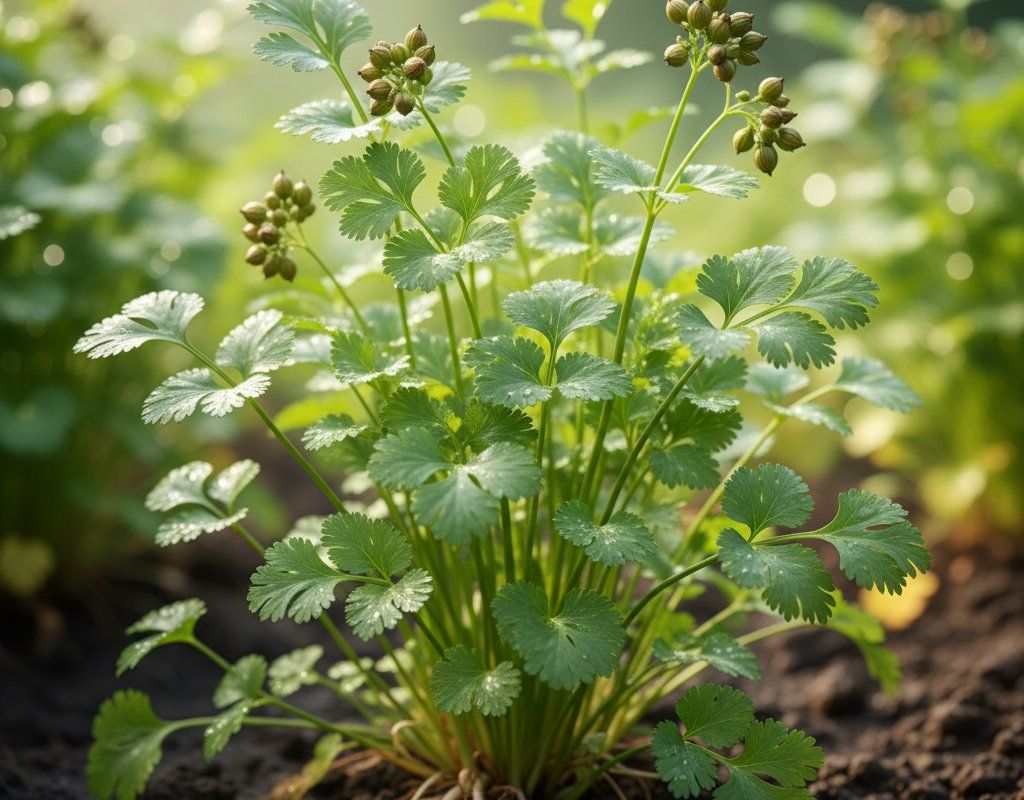
Cilantro in Zone 8B — Northern California
Coriandrum sativum · Your Complete 2026 Planting Guide
Time to Buy Starts!
Seed starting window passed, but starts are available now.
Buy Starts Now
Head to your local nursery, Home Depot, or farmers market for transplants.
- Look for stocky plants with dark green leaves
- Avoid leggy seedlings or plants already flowering
- Check that roots aren't circling the pot (rootbound)
How to Plant Cilantro in Zone 8B — Northern California
Here are all your options for getting cilantro in the ground, from the easiest method to more advanced approaches.
Direct Sow Seeds
RecommendedMid February through late September
around February 15
Consider succession planting every 2-3 weeks for continuous harvest.
Cilantro bolts quickly in heat. Direct sow in cool weather for best results.
Start Seeds Indoors
RecommendedLate January through mid February
around February 1
Then transplant: Early March through mid April
Start seeds 4-6 weeks before transplanting outdoors.
Buy Starts
Works WellEarly March through mid April
around March 1
Plant purchased starts after last frost (March 1).
Transplant Outdoors
Timing InfoEarly March through mid April
around March 1
Can tolerate light frost, but wait for soil to be workable.
You have a nice window — no need to rush.
Fall Planting
Late September through late October
October 14 ideal · Direct sow for fall harvest
Plant a second crop in mid-summer for fall harvest. Cilantro actually prefers the cooling temperatures of fall.
Overview
Cilantro thrives in Northern California's Mediterranean climate, giving you fresh herbs from early spring through late fall. Our mild winters and long growing season mean you can succession plant cilantro almost year-round, dodging the worst heat with strategic timing. The cool morning fog in coastal areas and moderate summer temperatures create ideal conditions for this cool-season herb that struggles in truly hot climates.
While cilantro has a reputation for bolting quickly in heat, our 269-day growing season gives you multiple planting windows to work around those warm summer months. The key is understanding when to plant and when to take a break – timing your sowings for our cooler periods while using partial shade during the warmer stretches.
Starting Seeds Indoors
Starting cilantro indoors makes sense if you want an early spring crop or precise timing for your garden plan. Sow seeds in late January through mid-February, about four weeks before you plan to transplant outdoors. Use standard seed trays filled with quality potting mix, keeping the soil consistently moist but not waterlogged.
Bottom watering works well for cilantro seedlings – place your seed trays in a shallow pan of water and let the soil absorb moisture from below. This prevents the delicate stems from damping off. Keep seedlings in a bright, cool location since cilantro prefers temperatures around 60-70°F.
Since our Northern California springs start early, you'll have transplant-ready seedlings when outdoor conditions become favorable in early March. Indoor starting gives you more control over germination, but remember that cilantro doesn't love root disturbance, so handle transplants gently.
Transplanting Outdoors
Transplant your indoor-started cilantro seedlings from early March through mid-April, after our last frost risk has passed. This timing takes advantage of our cool, mild spring weather before summer heat triggers bolting. Space plants 6-8 inches apart to allow good air circulation.
Harden off seedlings gradually over a week, starting with just an hour or two of outdoor exposure in a sheltered spot. Our early spring can still have temperature swings and occasional strong winds, so ease them into outdoor conditions slowly. Choose a location with morning sun and afternoon shade if possible.
Plant on a calm, overcast day if you can – our spring weather often provides perfect transplanting conditions with mild temperatures and high humidity. Water thoroughly after planting and keep soil consistently moist as roots establish.
Direct Sowing
Direct sowing works well for cilantro in Northern California, especially during our cooler months. Sow seeds from mid-February through late September, but avoid the hottest summer months of July and August unless you can provide consistent shade and moisture. Fall plantings from late September through late October often perform better than summer sowings.
Prepare your soil by working in compost and ensuring good drainage. Cilantro seeds need consistent moisture to germinate, which can be challenging during our dry summers. Sow seeds ¼ inch deep and 6-8 inches apart, or plant more densely and thin later.
The main advantage of direct sowing is avoiding transplant shock, since cilantro has a taproot that doesn't love disturbance. However, you'll need to stay on top of watering during germination, especially if you're planting during our dry season. Consider covering newly sown areas with row cover to retain moisture and moderate temperatures.
Watering Cilantro in Zone 8B (Northern California)
Cilantro needs consistent moisture but not waterlogged conditions – aim for soil that feels like a wrung-out sponge. In our Mediterranean climate, this means about 1 inch of water per week during the growing season, but you'll need to adjust based on our variable microclimates and seasonal patterns.
During our dry summers, check soil moisture daily by sticking your finger 2 inches deep. If it's dry at that depth, it's time to water. Morning watering works best in our low-humidity climate, allowing plants to dry before evening and reducing disease risk. Water at the base of plants rather than overhead – our dry air means less disease pressure, but targeted watering is still more efficient.
In coastal areas with morning fog, you may need less frequent watering than inland gardens. Conversely, if you're dealing with hot, dry winds or live in a warmer microclimate, increase your watering frequency. Mulch around plants with compost or straw to retain moisture and moderate soil temperature.
Summer heat stress combined with dry conditions will cause cilantro to bolt almost immediately, so don't let the soil dry out completely. During our wet winter months, reduce watering frequency but maintain consistent moisture. Signs of underwatering include wilting and rapid bolting, while overwatering shows up as yellowing leaves and slow growth.
🧪Fertilizing Cilantro
Feeding Schedule
Organic Fertilizer Options
Harvest Time
You can start harvesting cilantro leaves when plants reach 6 inches tall, typically 6-8 weeks after planting. In Northern California, this means first harvests from early April through early December, depending on your planting schedule. Cut outer stems at the base rather than picking individual leaves – this encourages continued growth from the center.
Harvest regularly to keep plants productive, cutting what you need every few days rather than taking large amounts at once. Once you see a central flower stalk forming, the plant is bolting and leaf flavor will become bitter. At this point, harvest heavily and start your next succession planting.
During our cooler months, cilantro plants can produce for several months with regular harvesting. Summer plantings may only last 3-4 weeks before bolting, which is why succession planting every 2-3 weeks works better than trying to keep one planting going through the heat.
As first frost approaches in late November, harvest remaining plants completely. You can also let some plants go to seed to collect coriander seeds for cooking and next year's plantings – our mild fall weather often allows seeds to fully mature on the plant.
Common Problems in Zone 8B (Northern California)
Bolting shows up as a central flower stalk shooting up from the middle of your cilantro plant, often seemingly overnight. The leaves become smaller, tougher, and bitter once this happens. In Northern California, bolting is triggered by our warm spring days, long summer daylight, or inconsistent watering during hot spells. Plant during cooler months (fall through early spring), provide afternoon shade during warm weather, and keep soil consistently moist. Succession plant every 2-3 weeks rather than trying to keep one planting productive through the summer.
Aphids appear as clusters of tiny green, black, or white soft-bodied insects on stems and leaf undersides, often accompanied by sticky honeydew and curled new growth. These reproduce rapidly in our warm, dry conditions and are especially problematic during spring and fall when temperatures are moderate. Blast them off with water from your hose, encourage beneficial insects like ladybugs, or use insecticidal soap for heavy infestations. Avoid over-fertilizing with nitrogen, which creates tender growth that attracts aphids.
Leaf spot appears as brown or black spots on cilantro leaves, often with a yellow halo around the spots. While less common in our low-humidity climate, it can occur during wet winters or if you're overhead watering frequently. Improve air circulation by proper spacing, water at soil level rather than on leaves, and remove affected leaves promptly. Avoid working in the garden when plants are wet.
Northern California Specific Challenges: Our variable microclimates mean that cilantro planted in a warm, inland location may bolt weeks before the same variety in a cool, foggy coastal garden. During fire season, ash and poor air quality can stress plants, making them more susceptible to bolting and pest problems. Water restrictions may force you to be more strategic about when you plant – focus on fall and winter plantings when natural rainfall can supplement irrigation.
Best Companions for Cilantro
Plant these nearby for healthier Cilantro and better harvests.

Keep Away From

Companion Planting Details
Cilantro pairs well with tomatoes in Northern California gardens since the herb's cool-season preference complements tomatoes' warm-season growth – plant cilantro in the partial shade created by mature tomato plants during summer heat. Spinach makes an excellent companion as both prefer similar cool, moist conditions and can be succession planted together through fall and winter. Peppers also work well, with cilantro providing ground cover and pest deterrent benefits while peppers offer some shade during warmer months.
Plant cilantro near beans to take advantage of the nitrogen fixation that supports the herb's leafy growth, plus the timing works well for fall plantings of both crops. Avoid planting near fennel, which can cross-pollinate with cilantro if both go to seed, potentially affecting seed viability and flavor. The allelopathic compounds in fennel may also inhibit cilantro's growth in our already challenging summer conditions.
🌸Best Flowers to Plant with Cilantro
These flowers protect your Cilantro from pests and attract pollinators for better harvests.



Get a Reminder When It's Time to Plant
We'll email you when key planting windows open for your zone.