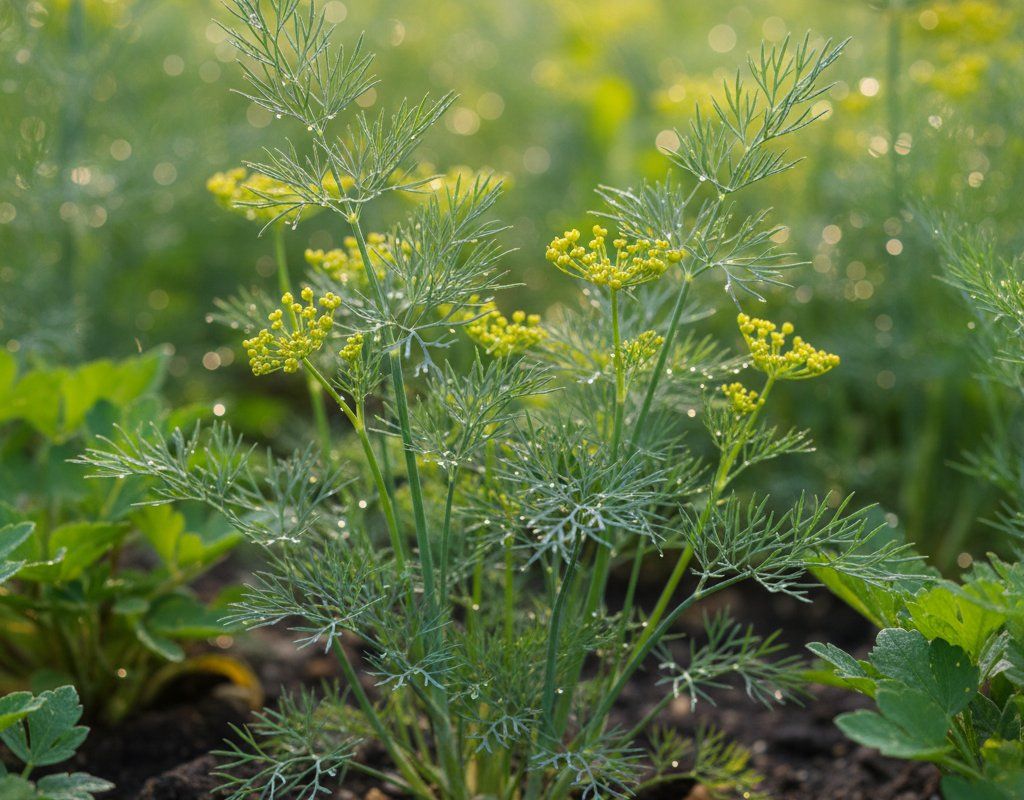
Dill in Zone 8B — Northern California
Anethum graveolens · Your Complete 2026 Planting Guide
Missed Seed Starting? No Problem!
Wait for starts to become available.
What to Do
Starts will be available at nurseries in 4 days (around March 8).
How to Plant Dill in Zone 8B — Northern California
Here are all your options for getting dill in the ground, from the easiest method to more advanced approaches.
Direct Sow Seeds
RecommendedEarly March through early October
around March 1
Consider succession planting every 2-3 weeks for continuous harvest.
Dill has a taproot and prefers direct sowing, but transplants work if handled carefully.
Start Seeds Indoors
RecommendedEarly to late February
around February 8
Then transplant: Early March through mid April
Start seeds 4-6 weeks before transplanting outdoors.
Buy Starts
Works WellEarly March through mid April
around March 8
Plant purchased starts after last frost (March 1).
Transplant Outdoors
Timing InfoEarly March through mid April
around March 8
Can tolerate light frost, but wait for soil to be workable.
You have a nice window — no need to rush.
Fall Planting
Late September through late October
October 14 ideal · Direct sow for fall harvest
Plant a second crop in mid-summer for fall harvest. Dill actually prefers the cooling temperatures of fall.
Overview
Dill thrives in Northern California's Mediterranean climate, offering you fresh, aromatic leaves and seeds throughout our extended growing season. The feathery foliage adds delicate flavor to everything from potato salad to pickles, while the seeds provide that classic dill pickle taste. Our mild winters and long frost-free period mean you can succession plant dill from early spring through fall, giving you a steady supply of this versatile herb.
While dill can bolt quickly in hot weather, our moderate summer temperatures and cool nights work in your favor. The key is timing your plantings to avoid the peak heat of late summer and taking advantage of our 269-day growing season. Plant in spring for early summer harvest, then again in late summer for fall and winter picking.
Starting Seeds Indoors
Starting dill indoors isn't the preferred method since this herb has a taproot that dislikes transplanting, but it can work if you're careful. Start seeds in early to late February, about 4 weeks before your last frost in early March. Use deep seed trays or individual peat pots to accommodate the developing taproot.
Keep the seeds warm (65-70°F) and provide bright light once they germinate. Bottom watering works best to avoid disturbing the delicate seedlings. With our early spring season, indoor starting mainly makes sense if you want to get a jump on the season or if you're dealing with particularly wet outdoor conditions in late winter.
The transplant shock risk makes direct sowing the better choice for most Northern California gardeners, but if you do start indoors, handle the seedlings gently and transplant while they're still small.
Transplanting Outdoors
If you've started dill indoors, transplant seedlings outdoors from early March through mid-April, after any hard frost danger passes. Our typical last frost around early March gives you flexibility, but watch for those occasional temperature swings that can catch tender plants off guard.
Harden off seedlings gradually over a week, starting with a few hours of morning sun and building up to full outdoor exposure. Space plants 12 inches apart to give them room to develop their upright growth habit. Handle the roots carefully during transplanting since dill's taproot is sensitive to disturbance.
Plant on an overcast day or in late afternoon to reduce transplant shock. Water gently after planting and provide some afternoon shade for the first few days if we're having an unusually warm early spring.
Direct Sowing
Direct sowing is your best bet with dill since it develops a taproot that prefers undisturbed soil. You can sow from early March through early October, taking advantage of our long growing season. The seeds germinate best in soil temperatures between 60-70°F, which we typically reach by mid-March.
Prepare a sunny spot with well-draining soil, loosened to at least 8 inches deep for the taproot. Sow seeds ¼ inch deep and space them about 12 inches apart, or plant more thickly and thin as needed. The seeds usually germinate within 7-10 days in our spring conditions.
For continuous harvest, succession plant every 2-3 weeks through early summer, then resume planting in late August for fall crops. This strategy helps you avoid the peak heat when dill tends to bolt quickly and gives you fresh leaves throughout most of the year.
Watering Dill in Zone 8B (Northern California)
Dill needs consistent, moderate moisture but doesn't tolerate waterlogged soil or drought stress. In our Mediterranean climate, this means adjusting your watering schedule seasonally. During spring and fall, when natural rainfall might supplement your watering, check soil moisture with the finger test - stick your finger 2 inches deep and water if it's dry.
Summer watering requires more attention since we get virtually no rainfall. Aim for about 1 inch of water per week, delivered deeply at the base of plants rather than overhead. Our low humidity means the foliage dries quickly, reducing disease pressure, but plants still need consistent soil moisture to prevent bolting. Water early morning to minimize evaporation in our warm afternoons.
Watch for signs of stress: wilting despite moist soil often indicates overwatering, while yellowing lower leaves or premature flowering suggests drought stress. Dill bolts quickly when stressed by heat combined with dry soil, so maintaining even moisture during warm spells is crucial.
A light mulch around plants helps retain soil moisture and keeps roots cool during our moderate-to-hot summer days. Organic matter like compost worked into the soil before planting also improves water retention without creating soggy conditions that dill dislikes.
🧪Fertilizing Dill
Feeding Schedule
Organic Fertilizer Options
Harvest Time
Your first dill harvest typically comes 40 days after planting, which means early April if you direct sowed in early March. You can snip the feathery leaves anytime they're large enough to use, cutting stems just above a set of leaves to encourage continued growth. Fresh leaves have the best flavor when harvested in the morning after dew dries but before afternoon heat intensifies.
For continuous production, harvest regularly and pinch off flower buds to keep the plant focused on leaf production. However, if you want dill seeds for pickling, let some plants flower and go to seed. The umbrella-shaped flower heads turn brown and dry when seeds are ready - usually about 2-3 weeks after flowering. Shake the dried heads into a paper bag to collect seeds.
In Northern California, you can harvest fresh dill leaves from early April through early December by succession planting. Cool fall weather actually improves flavor, so your autumn-planted dill often tastes better than summer crops that struggled with heat. As our first frost approaches in late November, harvest remaining plants entirely and dry or freeze the foliage.
The key to extended harvests is preventing the plant from going to seed too early. Regular picking, adequate water, and timing plantings to avoid peak summer heat will keep your dill productive throughout our long growing season.
Common Problems in Zone 8B (Northern California)
Bolting shows up as a tall flower stalk shooting up from the center of the plant, often accompanied by leaves that become bitter or sparse. Once dill bolts, leaf production essentially stops as the plant shifts energy to seed production. In our Northern California climate, bolting is triggered by the combination of long summer days and heat stress, especially when soil dries out during warm spells. Combat this by timing plantings for cooler months, providing consistent moisture, and choosing locations with afternoon shade during summer. Succession planting every few weeks gives you fresh plants as older ones bolt.
Aphids appear as clusters of tiny green, black, or white insects on new growth and stem tips, often leaving sticky honeydew residue that attracts ants. These sap-suckers multiply rapidly in warm weather and can quickly overwhelm young dill plants. Our dry summers actually help since aphids struggle in low humidity, but they can still be problematic in microclimates with more moisture or during mild, damp periods. Blast them off with a strong water spray, encourage beneficial insects like ladybugs with diverse plantings, or use insecticidal soap for heavy infestations. Avoid over-fertilizing with nitrogen, which creates tender growth that aphids love.
Caterpillars, particularly parsleyworms (the larvae of swallowtail butterflies), chew holes in dill foliage and can strip plants quickly. These green caterpillars with black stripes actually turn into beautiful butterflies, so many gardeners tolerate some damage or hand-pick them to relocate rather than kill them. In Northern California, caterpillar pressure peaks during warm months when multiple generations overlap. Inspect plants regularly and either remove caterpillars by hand or use Bt (Bacillus thuringiensis) if damage becomes severe.
Northern California Specific Challenges: Our variable microclimates mean dill might bolt quickly in inland valleys while thriving near the coast. Fire season smoke can stress plants and affect growth, while water restrictions during drought years require efficient watering strategies. The key is choosing the right location and timing for your specific microclimate.
Best Companions for Dill
Plant these nearby for healthier Dill and better harvests.


Keep Away From
Companion Planting Details
Dill makes an excellent companion for cabbage family plants, helping repel cabbage worms and flea beetles while its flowers attract beneficial insects. Plant it near cucumbers where it may help deter cucumber beetles, and alongside lettuce where its upright growth provides light shade without competing for nutrients. Onions planted nearby help deter aphids while their different root zones prevent competition.
Avoid planting dill near carrots since they're in the same family and can cross-pollinate, potentially affecting flavor. Keep it away from tomatoes as dill can inhibit tomato growth when planted too close. In our Northern California gardens, these companion relationships work best when you consider mature plant sizes and our intense afternoon sun - use taller dill to provide beneficial shade for heat-sensitive companions during summer months.
🌸Best Flowers to Plant with Dill
These flowers protect your Dill from pests and attract pollinators for better harvests.
For Pest Control




Get a Reminder When It's Time to Plant
We'll email you when key planting windows open for your zone.