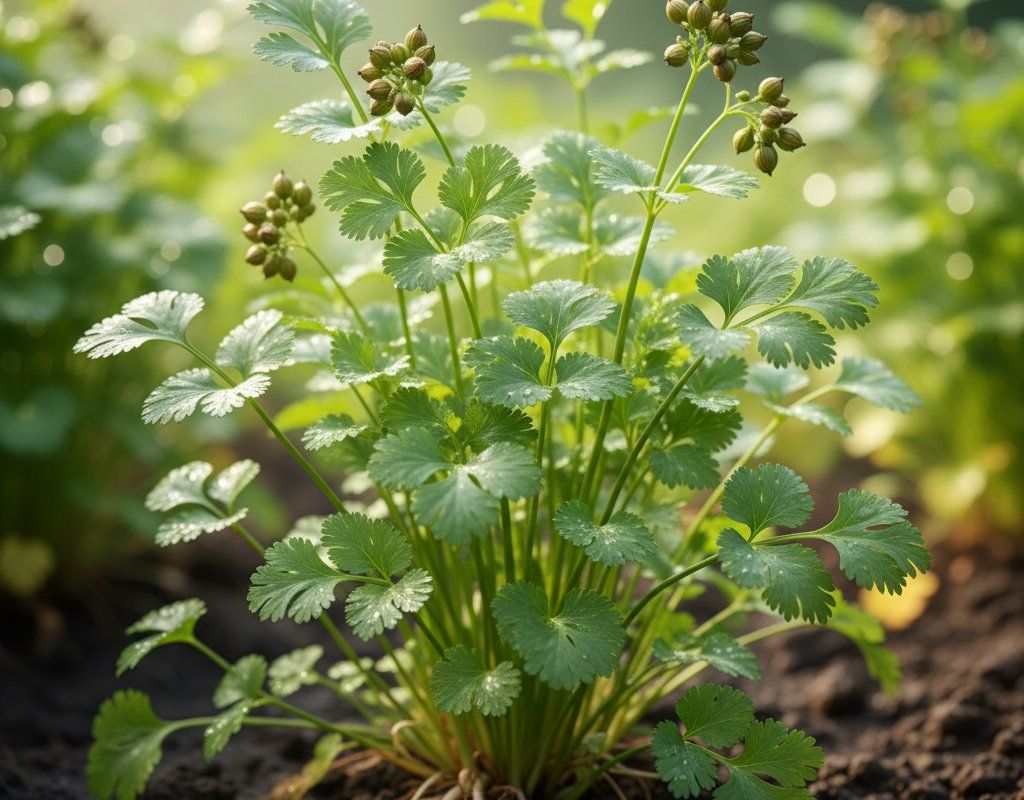
Cilantro in Zone 8B — Pacific Northwest
Coriandrum sativum · Your Complete 2026 Planting Guide
Ideal Time: Start Seeds Indoors!
This is the perfect time for the biggest, best harvest.
Start Seeds Now
- Start seeds in trays or pots with seed-starting mix
- Keep soil moist and warm (70-80°F)
- Transplant outdoors Early April through mid May
Not Starting from Seed?
Buy starts around April 5 — that works great too!
How to Plant Cilantro in Zone 8B — Pacific Northwest
Here are all your options for getting cilantro in the ground, from the easiest method to more advanced approaches.
Direct Sow Seeds
RecommendedLate March through early September
around March 22
Consider succession planting every 2-3 weeks for continuous harvest.
Cilantro bolts quickly in heat. Direct sow in cool weather for best results.
Start Seeds Indoors
RecommendedEarly to late March
around March 8
Then transplant: Early April through mid May
Start seeds 4-6 weeks before transplanting outdoors.
Buy Starts
Works WellEarly April through mid May
around April 5
Plant purchased starts after last frost (April 5).
Transplant Outdoors
Timing InfoEarly April through mid May
around April 5
Can tolerate light frost, but wait for soil to be workable.
You have a nice window — no need to rush.
Fall Planting
Early September through early October
September 20 ideal · Direct sow for fall harvest
Plant a second crop in mid-summer for fall harvest. Cilantro actually prefers the cooling temperatures of fall.
Overview
Cilantro thrives in our Pacific Northwest climate, giving you fresh herbs from late spring through fall with multiple plantings. Our mild summers and cool nights create perfect conditions for this cool-season crop, which struggles in hotter regions but flourishes here where temperatures rarely climb above 90°F. You'll get tender, flavorful leaves with that distinctive bright taste that store-bought cilantro often lacks.
The key to success in Zone 8B is working with our wet springs and understanding that cilantro bolts quickly once warm weather arrives. With our 210-day growing season, you have plenty of opportunities for succession plantings from early spring through early fall. Time your plantings right, and you'll have fresh cilantro for months rather than weeks.
Starting Seeds Indoors
Starting cilantro seeds indoors makes sense if you want an earlier harvest or live in a particularly wet microclimate. Begin sowing in seed trays from early to late March, about 4 weeks before you plan to transplant outdoors. Cilantro seeds germinate slowly in cool conditions, which matches our typical overcast spring days perfectly.
Set up your seed trays in a warm spot (65-70°F) with good light once seedlings emerge. Bottom watering works well for cilantro seedlings since it prevents damping off in our naturally humid spring conditions. The slow start actually works in your favor here - you're not racing against time like gardeners in hotter climates.
Keep in mind that cilantro doesn't love root disturbance, so handle transplants gently. Many PNW gardeners find direct sowing more reliable, but indoor starting gives you better control over timing and protects seeds from our heavy spring rains.
Transplanting Outdoors
Transplant your cilantro seedlings outdoors from early April through mid-May, once soil temperatures reach about 50°F consistently. Our cool spring soil takes time to warm up, so don't rush this timing even if air temperatures feel mild during the day.
Harden off seedlings gradually over a week by exposing them to outdoor conditions for increasing periods daily. Space plants 6-8 inches apart in rows or clusters - closer spacing actually helps prevent bolting by creating some shade. Choose a spot with morning sun but afternoon protection, especially as we head into the dry summer months.
Watch for late cold snaps that can stress young plants and trigger early bolting. If unseasonably warm weather hits right after transplanting, provide some shade cloth during the hottest part of the day until plants establish.
Direct Sowing
Direct sowing works beautifully for cilantro in our climate, especially for succession plantings. Sow seeds from late March through early September, timing new plantings every 2-3 weeks for continuous harvest. The cool, moist conditions of late spring and early fall provide ideal germination weather.
Prepare your soil by working in compost and ensuring good drainage - our wet springs can cause seeds to rot if soil stays soggy. Plant seeds about ¼ inch deep and 6-8 inches apart. In hot summer weather, provide afternoon shade or wait until late summer when temperatures moderate.
The main advantage of direct sowing is avoiding transplant shock, which can trigger premature bolting. Seeds sown directly in cool soil develop stronger root systems and typically last longer before going to seed. Just protect newly emerged seedlings from slugs, which love our moist spring conditions.
Watering Cilantro in Zone 8B (Pacific Northwest)
Cilantro needs consistent moisture but not waterlogged conditions - about 1 inch of water weekly works well in our climate. During our wet spring months, you'll rarely need supplemental watering except in unusually dry spells. The finger test helps: check soil moisture 2 inches deep before watering.
Summer watering changes dramatically once our dry season begins, typically by late June. Water deeply at the base of plants rather than overhead to prevent leaf diseases in our humid morning conditions. Cilantro bolts quickly when stressed by drought, so maintain steady soil moisture even during our mild summer heat.
Your watering schedule will shift with our seasons: minimal watering needed in spring and fall, more frequent deep watering during the dry summer months. A light mulch helps retain moisture without creating slug habitat. Signs of underwatering include wilting and premature flowering, while overwatering shows as yellowing leaves and poor growth.
Fall plantings need less water as our rainy season returns, but don't let them completely dry out during late summer establishment. The cool, moist conditions of October and November create perfect growing weather for late-season cilantro.
🧪Fertilizing Cilantro
Feeding Schedule
Organic Fertilizer Options
Harvest Time
Your first cilantro harvest will be ready from early May through early November, depending on planting time. Begin harvesting when plants reach 6+ inches tall, about 45 days from seeding. Cut outer stems at the base rather than picking individual leaves - this encourages bushy growth and continued production.
Harvest regularly to prevent bolting, cutting stems just above a leaf joint to promote new growth. In our mild summer climate, you can often get 4-6 weeks of harvest from each planting before the plant sends up flower stalks. Once cilantro bolts, leaves become bitter and tough, though you can harvest the seeds (coriander) if desired.
Time your succession plantings to ensure continuous harvest throughout the growing season. Plant new seeds every 2-3 weeks from spring through late summer. The long, mild fall weather means late plantings often provide the best harvest, lasting well into November before our first frost arrives.
As November approaches and frost threatens, harvest entire plants or cut stems to preserve indoors. Unlike many crops, cilantro doesn't store well fresh, so plan to use it quickly or preserve it by freezing or making herb pastes.
Common Problems in Zone 8B (Pacific Northwest)
Bolting appears as a tall flower stalk shooting up from the center of your cilantro plant, causing leaves to become bitter and production to stop. In the Pacific Northwest, this typically happens when plants experience stress from inconsistent watering or sudden temperature swings during our variable spring weather. Combat bolting by keeping soil consistently moist, providing afternoon shade during warm spells, and succession planting every 2-3 weeks rather than trying to keep one planting going all season.
Aphids show up as clusters of tiny green, black, or white insects on stems and leaf undersides, often accompanied by sticky honeydew residue and curled leaves. Our mild summer temperatures can allow aphid populations to build up gradually. Knock them off with a strong spray from your hose in the morning, then encourage beneficial insects like ladybugs by planting nearby flowers. For persistent problems, insecticidal soap works well in our dry summer conditions.
Leaf spot appears as small brown or yellow spots on cilantro leaves, eventually causing leaves to yellow and drop. This fungal problem thrives in our humid spring mornings combined with overhead watering. Prevent it by watering at soil level rather than on leaves, ensuring good air circulation between plants, and avoiding working with plants when they're wet from morning dew.
Pacific Northwest Specific Challenges: Our combination of wet springs, mild summers, and long falls actually favors cilantro over many regions. The main challenge is timing plantings around our weather patterns - too early and wet spring conditions can cause problems, too late in summer and heat stress triggers bolting. Our slug populations love young cilantro seedlings, so protect new plantings with copper barriers or organic slug bait.
Best Companions for Cilantro
Plant these nearby for healthier Cilantro and better harvests.

Keep Away From

Companion Planting Details
Cilantro makes an excellent companion for tomatoes and peppers in our climate, providing ground cover that helps retain moisture during our dry summer months while the slight shade from larger plants helps prevent premature bolting. Plant cilantro around the base of pepper plants especially - it won't compete for nutrients but will help keep soil cool and moist.
Pair cilantro with spinach and other cool-season crops for efficient space use, as they share similar growing requirements and timing in our Pacific Northwest gardens. Both appreciate consistent moisture and some protection from intense afternoon sun. Avoid planting cilantro near fennel, as these two herbs can cross-pollinate and affect flavor, plus fennel's allelopathic properties may inhibit cilantro growth.
🌸Best Flowers to Plant with Cilantro
These flowers protect your Cilantro from pests and attract pollinators for better harvests.



Get a Reminder When It's Time to Plant
We'll email you when key planting windows open for your zone.