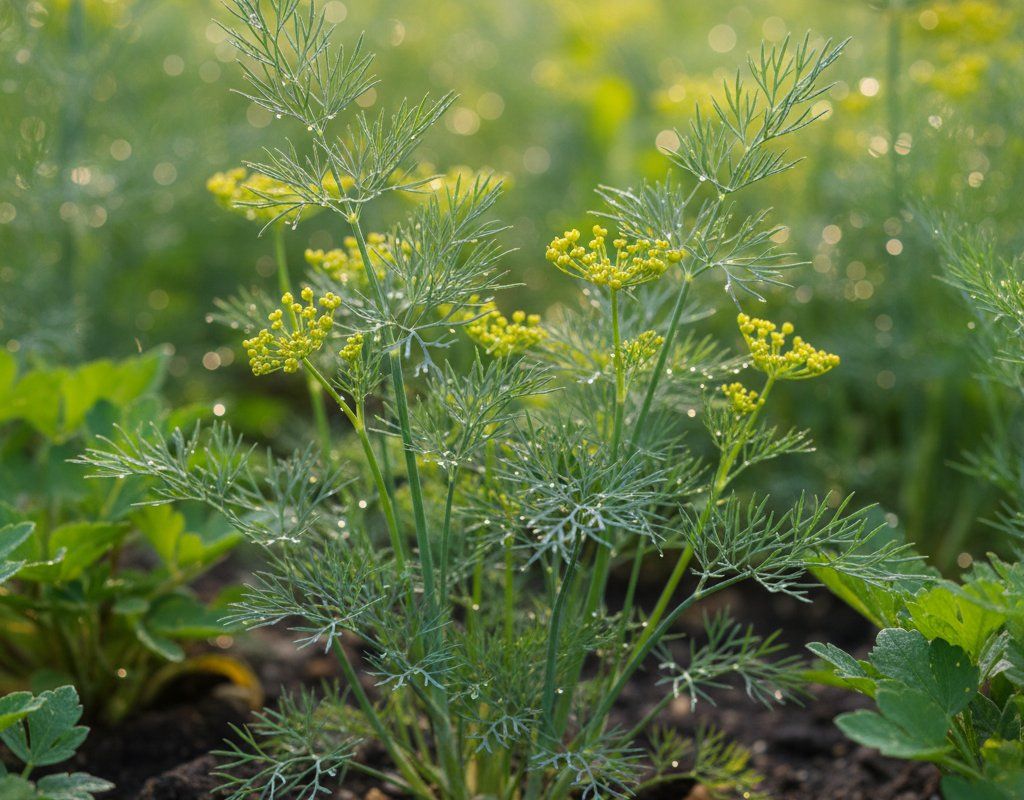
Dill in Zone 8B — Pacific Northwest
Anethum graveolens · Your Complete 2026 Planting Guide
Planning Ahead — Great!
You’re ahead of the season. Here’s when to start.
Mark Your Calendar
How to Plant Dill in Zone 8B — Pacific Northwest
Here are all your options for getting dill in the ground, from the easiest method to more advanced approaches.
Direct Sow Seeds
RecommendedEarly April through early September
around April 5
Consider succession planting every 2-3 weeks for continuous harvest.
Dill has a taproot and prefers direct sowing, but transplants work if handled carefully.
Start Seeds Indoors
RecommendedEarly to late March
around March 15
Then transplant: Mid April through late May
Start seeds 4-6 weeks before transplanting outdoors.
Buy Starts
Works WellMid April through late May
around April 12
Plant purchased starts after last frost (April 5).
Transplant Outdoors
Timing InfoMid April through late May
around April 12
Can tolerate light frost, but wait for soil to be workable.
You have a nice window — no need to rush.
Fall Planting
Early September through early October
September 20 ideal · Direct sow for fall harvest
Plant a second crop in mid-summer for fall harvest. Dill actually prefers the cooling temperatures of fall.
Overview
Dill is perfectly suited to our Pacific Northwest climate, thriving in our mild summers and cool nights that enhance its delicate, fresh flavor. Our long growing season of 210 days means you can succession plant from spring through early fall, keeping fresh dill fronds on your table through nearly eight months of the year. The herb's feathery foliage adds texture to the garden while providing endless culinary possibilities, from fresh salmon dishes to pickled vegetables.
While our cool, overcast springs can slow germination and our wet weather occasionally brings challenges, dill's hardy nature and preference for moderate temperatures makes it one of the most reliable herbs you can grow here. The timing windows are forgiving, and dill actually prefers our cooler conditions to intense heat, meaning you'll get better flavor and longer harvests than gardeners in hotter climates.
Starting Seeds Indoors
Starting dill seeds indoors makes sense if you want to get a jump on the season or ensure germination during our unpredictable spring weather. Sow seeds in early to late March, about 4 weeks before you plan to transplant outdoors. Use seed trays with good drainage and keep them at around 65-70°F for best germination.
Bottom watering works well for dill seedlings since it prevents the delicate foliage from getting waterlogged during our overcast spring days. Place trays in your brightest south-facing window or under grow lights, as dill needs good light to develop sturdy stems. The slow, cool character of our springs actually works in your favor here, giving seedlings time to develop strong root systems.
Keep in mind that dill has a taproot and doesn't love being transplanted, so handle seedlings gently and consider using biodegradable pots that can go directly in the ground.
Transplanting Outdoors
Move your dill seedlings outdoors from mid-April through late May, timing it for after our last frost risk passes in early April. Harden them off gradually over a week, starting with just a couple hours of outdoor exposure and building up to full days. Our spring weather swings make this hardening period especially important.
Space transplants 12 inches apart in well-draining soil, as dill needs room for its taproot to develop. Choose your spot carefully since dill doesn't like to be moved once established. The cool, moist conditions of late spring are ideal for helping transplants settle in without shock.
Watch for late cold snaps through early May – while dill is hardy, young transplants benefit from row cover protection if temperatures drop below 40°F for extended periods.
Direct Sowing
Direct sowing is actually dill's preferred method since it avoids disturbing the taproot, and our climate makes this approach very successful. You can sow from early April through early September, giving you multiple succession plantings throughout the season. The seeds germinate well in our cool spring soil, though it may take 2-3 weeks when soil temperatures are still in the 50s.
Prepare your bed with loose, well-draining soil since dill doesn't tolerate waterlogged conditions during our wet springs. Sow seeds ¼ inch deep and space them to allow 12 inches between mature plants. The seeds are tiny, so don't worry if your spacing isn't perfect – you can thin later.
For best results, wait until soil has warmed to at least 55°F and isn't muddy from spring rains. The long daylight hours of our Pacific Northwest summers help seeds germinate quickly once conditions are right.
Watering Dill in Zone 8B (Pacific Northwest)
Dill needs moderate, consistent moisture but absolutely cannot tolerate soggy soil – something to keep in mind during our wet springs. During the dry summer months, plan to water deeply once or twice per week, providing about an inch of water total. Our mild summer temperatures mean dill won't stress as quickly as it would in hotter climates.
Use the finger test to check soil moisture: stick your finger 2 inches down, and water when it feels dry at that depth. Water at the base of plants rather than overhead, since our naturally dry summer air means foliage dries quickly and you'll avoid encouraging any fungal issues that might carry over from our wet spring weather.
Watch for signs of underwatering like wilting or yellowing lower leaves, and overwatering symptoms such as musty soil smell or sluggish growth. During our dry summer months, a 2-3 inch layer of mulch helps retain moisture and keeps roots cool, which is especially helpful for extending your harvest window.
The key with dill is consistency – irregular watering during our transition from wet spring to dry summer can trigger premature bolting, ending your harvest early.
🧪Fertilizing Dill
Feeding Schedule
Organic Fertilizer Options
Harvest Time
Your first dill harvest will be ready from mid-May through early November, with leaves ready to pick about 40 days after planting. Start harvesting the feathery foliage as soon as plants reach 4-6 inches tall, cutting individual fronds at the base or snipping what you need with scissors. Regular harvesting actually encourages more leaf production.
For the best flavor, harvest in the morning after the dew has dried but before the day warms up. Cut the outer leaves first, allowing the center to continue growing. If you're growing dill for seed, let some plants flower and wait until the seed heads turn brown and dry – usually by late summer in our climate.
Our long, mild fall extends the dill season beautifully, often providing fresh fronds right up until the first hard frost in early November. To keep succession harvests coming, sow new seeds every 3-4 weeks through early September, taking advantage of our extended growing season.
When frost threatens, harvest remaining plants entirely and freeze or dry the leaves for winter use. Unlike some herbs, dill doesn't overwinter here, so enjoy it while you can.
Common Problems in Zone 8B (Pacific Northwest)
Bolting: Dill sends up tall flower stalks prematurely, and the leaves become bitter or sparse. You'll notice the plant stretching upward with umbrella-like flower clusters forming at the top. In our Pacific Northwest climate, this typically happens when plants experience stress from inconsistent watering during the transition from wet spring to dry summer, or during unexpected warm spells in late spring.
Keep soil consistently moist but not soggy, and consider providing some afternoon shade during our occasional heat waves above 85°F. Succession planting every few weeks ensures continuous harvests even if some plants bolt early.
Aphids: Look for clusters of tiny green, black, or white insects on new growth and stem tips, along with sticky honeydew residue and curled leaves. Our mild summer temperatures create ideal breeding conditions for these pests, though the dry air helps prevent massive infestations common in more humid climates.
A strong spray from your hose knocks most aphids off, and they rarely return in serious numbers thanks to our beneficial insect population. Encourage ladybugs and lacewings by planting diverse flowers nearby, or use insecticidal soap for heavier infestations.
Caterpillars: Various caterpillars, particularly those of swallowtail butterflies, love dill foliage. You'll see irregular holes in leaves and dark droppings, plus the caterpillars themselves – often green with black stripes. While these can defoliate plants quickly, many gardeners enjoy watching the butterflies and plant extra dill to share.
Hand-picking works well for small numbers, or use Bt (bacillus thuringiensis) spray for larger infestations. Consider it a good problem to have – it means you're supporting local pollinators.
Pacific Northwest Specific Challenges: Our region's combination of cool, wet springs followed by dry summers creates unique timing challenges for dill. Slow soil warming delays early plantings, while the dramatic shift to dry conditions can shock plants into bolting. However, our mild heat and naturally low humidity mean fewer disease pressures and pest problems than gardeners in other regions face.
Best Companions for Dill
Plant these nearby for healthier Dill and better harvests.


Keep Away From
Companion Planting Details
Dill makes an excellent companion for cabbage family crops like broccoli, kale, and Brussels sprouts, as it attracts beneficial wasps that prey on cabbage worms – particularly valuable during our mild summers when these pests remain active longer. Plant dill near cucumbers to attract pollinators and beneficial insects, though keep it on the edges since both plants need good air circulation in our occasionally humid spring conditions.
Lettuce and other salad greens benefit from dill's presence, as the herb's flowers attract predatory insects while providing some light shade during our longer summer days. Onions and dill grow well together, with onions helping deter some of the aphids that can bother dill during warm spells.
Avoid planting dill near carrots, as they can cross-pollinate and affect flavor, and keep it away from tomatoes since dill can inhibit tomato growth – though our cool nights mean this pairing is less problematic here than in hotter climates.
🌸Best Flowers to Plant with Dill
These flowers protect your Dill from pests and attract pollinators for better harvests.
For Pest Control




Get a Reminder When It's Time to Plant
We'll email you when key planting windows open for your zone.