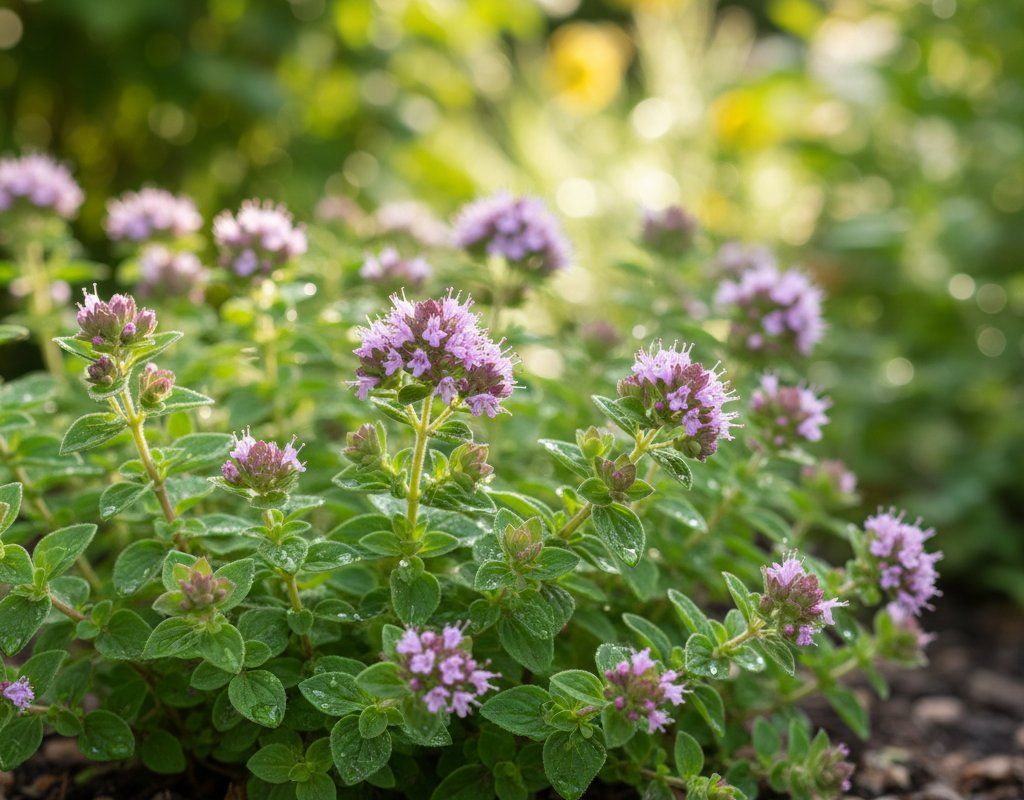
Oregano in Zone 8B — Pacific Northwest
Origanum vulgare · Your Complete 2026 Planting Guide
Missed Seed Starting? No Problem!
Wait for starts to become available.
What to Do
Starts will be available at nurseries in 32 days (around April 5).
How to Plant Oregano in Zone 8B — Pacific Northwest
Here are all your options for getting oregano in the ground, from the easiest method to more advanced approaches.
Buy Starts
RecommendedEarly April through mid May
around April 5
Plant purchased starts after last frost (April 5).
Easy from seed but slow. Starts give faster results.
Start Seeds Indoors
Works WellEarly to late February
around February 8
Then transplant: Early April through mid May
Start seeds 8-10 weeks before transplanting outdoors.
Direct Sow Seeds
Works WellEarly April through early September
around April 5
Consider succession planting every 2-3 weeks for continuous harvest.
Transplant Outdoors
Timing InfoEarly April through mid May
around April 5
Can tolerate light frost, but wait for soil to be workable.
You have a nice window — no need to rush.
Overview
Oregano is a must-grow herb here in the Pacific Northwest. Its robust flavor elevates everything from pizzas to roasted vegetables, and the satisfaction of snipping fresh oregano from your own garden on a cool summer night is unmatched. Plus, it's a perennial, so it'll come back year after year.
Our wet springs and mild summers can present some challenges, but with a little attention to timing, oregano thrives in our 210-day growing season. You'll find that starting seeds at the right time or using transplants will give you a head start.
Starting Seeds Indoors
Starting oregano indoors is an option, especially if you want a jump start on the season, but it's not always necessary. Given our mild summers, direct sowing often works just fine. However, if you're eager to harvest as early as possible, indoor starts can be beneficial.
Start your seeds indoors from early to late February, about eight weeks before the last expected frost. Use seed trays with a good seed-starting mix, provide warmth (a heat mat is helpful), and ensure ample light with grow lights. Remember to water from the bottom to avoid damping off, which can be a problem with our overcast spring days.
Transplanting Outdoors
Transplant your oregano seedlings outdoors from early April through mid May. Before planting, harden them off by gradually exposing them to outdoor conditions for about a week. This is especially important since we often have cool, wet weather during this time.
Space your oregano plants 12-18 inches apart in a sunny spot with well-draining soil. While oregano is easy to grow from seed, using transplants will give you faster results, especially if our spring is slow to warm up.
Direct Sowing
Direct sowing oregano is a perfectly viable option in our climate. You can sow seeds directly into the garden from early April through early September. This wide window allows for multiple sowings and continuous harvests.
Prepare the soil by loosening it and removing any weeds. Oregano prefers soil temperatures around 70°F for optimal germination, so waiting until the soil warms up a bit in late spring is ideal. Space seeds 12-18 inches apart, or sow them closer and thin later. Direct sowing is less work than starting indoors, but it may take a little longer to get your first harvest.
Watering Oregano in Zone 8B (Pacific Northwest)
Oregano is drought-tolerant once established, making it a great choice for our dry summer months in the Pacific Northwest. Overwatering can actually dilute the essential oils that give oregano its flavor, so less is more. Aim for well-drained soil to prevent root rot.
During the wet springs, you may not need to water at all unless we have an unusually dry spell. Once summer arrives, water deeply but infrequently, about once a week, providing about 1 inch of water. Use the "finger test": if the top 2 inches of soil are dry, it's time to water.
Water at the base of the plant rather than overhead to minimize fungal issues in our somewhat humid climate, even though we have dry summers. Signs of underwatering include wilting leaves, while yellowing leaves can indicate overwatering. A layer of mulch can help retain moisture and suppress weeds, but avoid piling it up against the stem to prevent rot.
Pruning & Maintaining Oregano
Oregano requires minimal pruning, but a little attention will keep it productive and compact. In midsummer, cut back the plant by about one-third to encourage fresh growth and prevent it from getting leggy. This also stimulates more flavorful leaves.
Throughout the growing season, feel free to snip off stems as needed for cooking. In late fall, after the first frost around early November, cut the plant back to about 2 inches above the ground. This helps it overwinter well and encourages new growth in the spring.
🧪Fertilizing Oregano
Feeding Schedule
Organic Fertilizer Options
Harvest Time
You can expect your first oregano harvest starting in mid May and continuing through early November. Oregano is ready to harvest about 45 days after planting or transplanting, but the best flavor comes just before the plant flowers. Look for sprigs that are at least 4 inches long.
To harvest, simply cut the stems above a leaf pair. This encourages the plant to branch out and produce more leaves. Regular harvesting will keep your oregano plant productive throughout the season. As the first frost approaches in early November, harvest any remaining oregano to dry or use fresh.
Common Problems in Zone 8B (Pacific Northwest)
Oregano is generally a low-maintenance plant, but it can occasionally encounter a few problems here in the Pacific Northwest. The most common issues are root rot, aphids, and spider mites.
Root Rot
- What it looks like: Yellowing leaves, stunted growth, and a mushy, brown root system.
- What causes it: Overwatering and poorly draining soil. Our wet springs can exacerbate this issue.
- How to fix/prevent it: Ensure well-draining soil. Water less frequently, especially during wet periods. Improve drainage by adding compost or perlite to the soil.
Aphids
- What it looks like: Clusters of tiny soft-bodied insects (green, black, or white) on stems and leaf undersides. Sticky honeydew residue. Curled or distorted new growth.
- What causes it: Rapid-reproducing sap-sucking insects. Populations explode in warm weather. Ant colonies may farm them for honeydew.
- How to fix/prevent it: Strong water spray knocks them off. Encourage ladybugs and lacewings (natural predators). Insecticidal soap for heavy infestations. Neem oil works systemically. Avoid excess nitrogen fertilizer (it attracts them).
Spider Mites
- What it looks like: Fine stippling on leaves (tiny white dots). Fine webbing on leaf undersides and between stems. Leaves turn bronze or yellow.
- What causes it: Tiny arachnids that thrive in hot, dry conditions. Populations explode in drought stress.
- How to fix/prevent it: Strong water spray (daily for a week) is the best treatment. Increase humidity around plants. Neem oil or insecticidal soap. Release predatory mites (Phytoseiulus persimilis). Avoid broad-spectrum pesticides that kill predators.
Pacific Northwest Specific Challenges: Our mild heat and dry-summer rainfall can create ideal conditions for spider mites if plants are stressed, while our wet springs can increase the risk of root rot. Monitor your plants regularly and adjust watering practices as needed. Late blight is usually a tomato/potato problem, but keeping the air circulating around plants can help prevent most fungal issues.
Best Companions for Oregano
Plant these nearby for healthier Oregano and better harvests.

Keep Away From
Companion Planting Details
Oregano makes a great companion plant for several vegetables in the Pacific Northwest garden. It's known to repel pests, which can benefit plants like peppers, tomatoes, squash, and beans.
Oregano is said to improve the flavor of tomatoes, while its pest-repelling properties can help protect squash from squash bugs and beans from bean beetles. There are no significant bad companions to worry about with oregano. It's a pretty easygoing plant.
🌸Best Flowers to Plant with Oregano
These flowers protect your Oregano from pests and attract pollinators for better harvests.
For Pest Control



Get a Reminder When It's Time to Plant
We'll email you when key planting windows open for your zone.