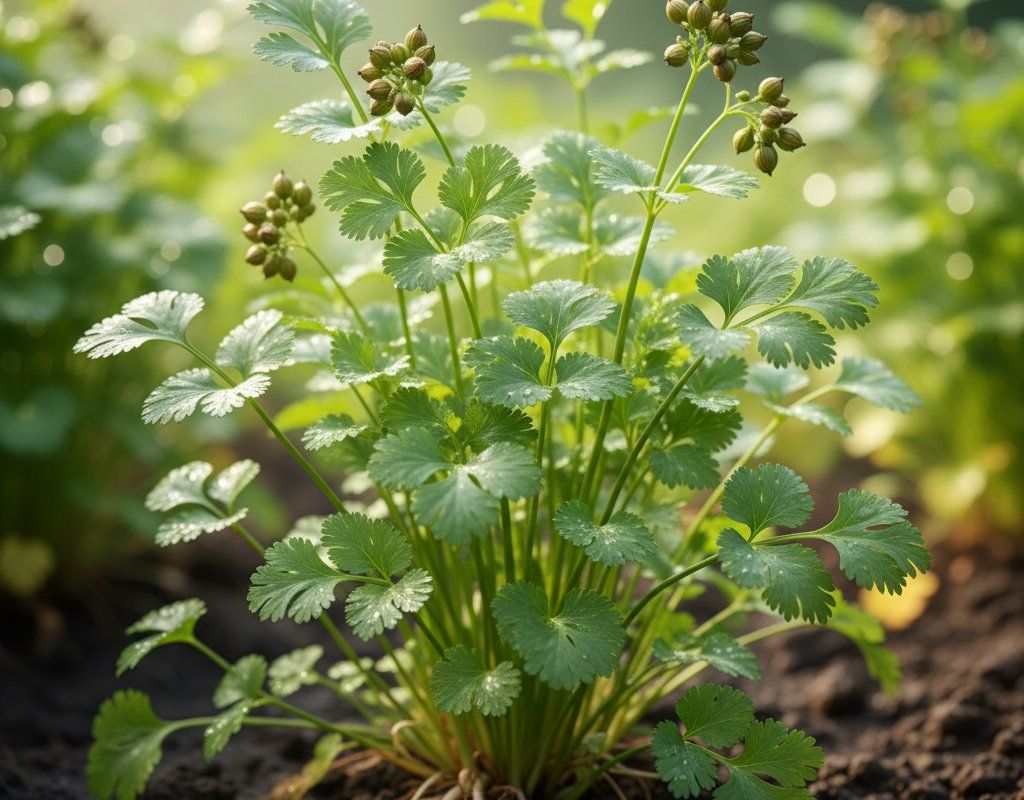
Cilantro in Zone 9A — Desert Southwest
Coriandrum sativum · Your Complete 2026 Planting Guide
Time to Buy Starts!
Seed starting window passed, but starts are available now.
Buy Starts Now
Head to your local nursery, Home Depot, or farmers market for transplants.
- Look for stocky plants with dark green leaves
- Avoid leggy seedlings or plants already flowering
- Check that roots aren't circling the pot (rootbound)
How to Plant Cilantro in Zone 9A — Desert Southwest
Here are all your options for getting cilantro in the ground, from the easiest method to more advanced approaches.
Direct Sow Seeds
RecommendedEarly February through mid October
around February 1
Consider succession planting every 2-3 weeks for continuous harvest.
Cilantro bolts quickly in heat. Direct sow in cool weather for best results.
Start Seeds Indoors
RecommendedMid January through early February
around January 18
Then transplant: Mid February through late March
Start seeds 4-6 weeks before transplanting outdoors.
Buy Starts
Works WellMid February through late March
around February 15
Plant purchased starts after last frost (February 15).
Transplant Outdoors
Timing InfoMid February through late March
around February 15
Can tolerate light frost, but wait for soil to be workable.
You have a nice window — no need to rush.
Fall Planting
Mid October through mid November
October 29 ideal · Direct sow for fall harvest
Plant a second crop in mid-summer for fall harvest. Cilantro actually prefers the cooling temperatures of fall.
Overview
Cilantro thrives in our Desert Southwest climate when you time it right, giving you fresh herb harvests throughout our mild winters and cool seasons. This fast-growing annual loves our February-through-April window and comes back strong in fall, providing that distinctive flavor that store-bought versions never match. In our two growing seasons, cilantro becomes a reliable cool-weather performer that actually prefers some protection from our intense summer sun.
Yes, our extreme heat and arid conditions mean cilantro requires careful timing, but with our 298-day growing season, you have plenty of opportunity to grow multiple successions. The key is working with our climate rather than against it—plant early in our very-early spring, provide afternoon shade during warm spells, and take advantage of that extended fall season when most other regions are already frozen.
Starting Seeds Indoors
Starting cilantro seeds indoors makes sense during our mid-January through early February window, especially when you want precise timing for your spring garden. Our very-early spring character means you can get transplants ready for outdoor planting while many gardeners elsewhere are still dealing with snow. This method gives you better control over germination in seed trays filled with quality potting mix.
Set up your seed trays in a warm spot (65-70°F works well) with good light—a south-facing window or grow lights both work. Bottom watering works better than overhead watering for cilantro seeds, keeping the soil consistently moist without waterlogging. The seeds typically germinate within 7-14 days.
Plan to start seeds about 4 weeks before your intended transplant date. Since our last frost usually arrives around mid-February, you can time indoor starts to have sturdy seedlings ready for our mild late-winter weather.
Transplanting Outdoors
Your indoor-started cilantro seedlings are ready to transplant outdoors from mid-February through late March, taking advantage of our mild winter temperatures. Start hardening them off about a week before transplanting by gradually exposing them to outdoor conditions—begin with a few hours of morning sun and work up to full days outside.
Space your transplants 6-8 inches apart in prepared soil, giving them room to develop their characteristic upright growth habit. Our February weather can still bring occasional temperature swings, so have row cover ready if an unexpected cold snap threatens young transplants.
Plant them in a spot that gets morning sun but some afternoon shade, especially as we move into late March. Our desert conditions mean these cool-season plants benefit from protection during the warmer parts of the day, even in what other regions would consider mild weather.
Direct Sowing
Direct sowing cilantro works well in the Desert Southwest from early February through mid-October, but timing matters more here than in milder climates. Your best success comes from sowing in our cooler months—February through April, then again from late September through October when temperatures start dropping from summer extremes.
Prepare your soil by working in some compost to help retain moisture in our arid conditions. Cilantro seeds need consistent moisture to germinate, which can be challenging with our low humidity and tendency for soil to dry out quickly. Sow seeds about ¼ inch deep and keep the soil surface consistently moist until germination occurs in 7-14 days.
Space your rows to allow 6-8 inches between plants once they're established. Remember that cilantro bolts quickly once our heat arrives, so direct sowing in mid-to-late spring means you'll need to harvest fast and succession plant every 2-3 weeks for continuous harvests.
Watering Cilantro in Zone 9A (Desert Southwest)
Cilantro needs consistent moisture to prevent the quick bolting that our extreme heat and arid conditions can trigger. Unlike drought-tolerant desert plants, cilantro requires moderate water throughout its growing cycle—about 1-1.5 inches per week through deep, less frequent watering rather than daily light sprinklings that encourage shallow roots.
Use the finger test to check soil moisture: stick your finger 2 inches deep into the soil near your plants. If it's dry at that depth, it's time to water. Our low humidity means soil dries out faster than in more humid climates, so you'll likely need to water 2-3 times per week during our spring growing season.
Water at the base of plants rather than overhead to reduce evaporation in our arid air and prevent leaf diseases that can develop when water sits on foliage. During our monsoon months, adjust your watering schedule based on natural rainfall, but don't rely entirely on sporadic summer storms.
A thin layer of mulch around plants helps retain soil moisture and keeps roots cooler during warm spells. Watch for signs of water stress—wilting during the heat of the day even when soil is moist, or leaves turning yellow-green, which often means the plant is preparing to bolt due to heat and drought stress.
🧪Fertilizing Cilantro
Feeding Schedule
Organic Fertilizer Options
Harvest Time
Your first cilantro harvest typically arrives from mid-March through mid-December, with the earliest crops ready about 45 days after planting. Start harvesting when plants reach 6+ inches tall and have developed several sets of true leaves—you'll see the characteristic deeply-lobed cilantro leaf shape rather than the rounded cotyledon leaves.
Cut outer stems at the base rather than picking individual leaves, which encourages continued growth from the center of the plant. Use clean scissors or garden shears and harvest in the morning when leaves are crisp and full of moisture. Take no more than one-third of the plant at any one harvest to keep it producing.
For continuous harvests, cut stems regularly even if you don't need all the cilantro immediately—regular harvesting delays bolting and keeps plants productive longer. Once you see a central flower stalk developing, harvest heavily since leaf quality diminishes quickly after bolting begins.
As our first frost approaches in early December, harvest any remaining plants completely. Unlike some herbs that can handle light frost, cilantro quality drops significantly once cold-damaged, so it's better to harvest and preserve what you have rather than gamble on mild winter weather.
Common Problems in Zone 9A (Desert Southwest)
Bolting Your cilantro suddenly sends up a tall flower stalk from the center, and the leaves become bitter or lose their characteristic flavor. You'll notice the plant stretching upward rapidly, often within a few days of the first warm spell.
This happens when our desert heat kicks in earlier than expected or when plants experience drought stress in our arid conditions. Even a few days of temperatures climbing into the 80s can trigger bolting in cilantro, especially if soil moisture isn't consistent.
Prevent bolting by providing afternoon shade during warm weather, keeping soil consistently moist, and succession planting every 2-3 weeks rather than depending on one large planting. Choose slow-bolt varieties like 'Slow Bolt' or 'Leisure' that tolerate heat better than standard types.
Aphids You'll find clusters of tiny green, black, or white insects on stem tips and leaf undersides, often accompanied by sticky honeydew residue and curled new growth. These soft-bodied pests multiply rapidly in our warm spring weather.
Our dry desert air actually helps control aphids somewhat, but they still appear when plants are stressed or when we bring in transplants from nurseries. Ant colonies in our desert soils often farm aphids for their honeydew, making infestations more persistent.
Knock aphids off with a strong water spray from your hose—this works especially well in our low humidity since the pests have trouble climbing back up dry stems. Encourage beneficial insects like ladybugs and lacewings by avoiding broad-spectrum pesticides. For heavy infestations, use insecticidal soap or neem oil, applying in early morning or evening to avoid leaf burn in our intense sun.
Leaf Spot Brown or black spots appear on leaves, often with yellow halos around the edges. In severe cases, entire leaves turn yellow and drop, leaving plants looking sparse and unhealthy.
This fungal problem develops when irrigation water sits on leaves too long, which can happen during our monsoon season or if you're overhead watering in our humid summer evenings. Poor air circulation around plants makes the problem worse.
Water at soil level rather than overhead, and space plants properly to ensure good air movement. Remove affected leaves immediately and dispose of them away from the garden. If leaf spot appears during monsoon season, reduce supplemental watering until soil moisture levels drop.
Desert Southwest Specific Challenges Our extreme heat and arid conditions create unique challenges for cilantro that gardeners in milder climates don't face. The combination of intense sun, low humidity, and alkaline soil means plants bolt faster, require more consistent watering, and benefit from afternoon shade even during what other regions would consider cool weather. Success here depends on timing plantings with our mild periods and providing protection during heat spells.
Best Companions for Cilantro
Plant these nearby for healthier Cilantro and better harvests.

Keep Away From

Companion Planting Details
Cilantro pairs beautifully with tomatoes, peppers, and beans in Desert Southwest gardens—the herb's shallow root system doesn't compete with these deeper-rooted crops, and its strong scent may help deter some pests that target these vegetables. Plant cilantro on the north side of tomato and pepper plants to take advantage of natural shade as these crops grow taller. Spinach makes an excellent cool-season companion since both crops prefer similar growing conditions and timing in our two growing seasons.
Avoid planting cilantro near fennel, which can cross-pollinate and affect seed production if you plan to save cilantro seeds for coriander. Fennel also tends to inhibit the growth of many herbs and vegetables, making it a poor neighbor in our water-conscious desert gardens where every plant needs to pull its weight.
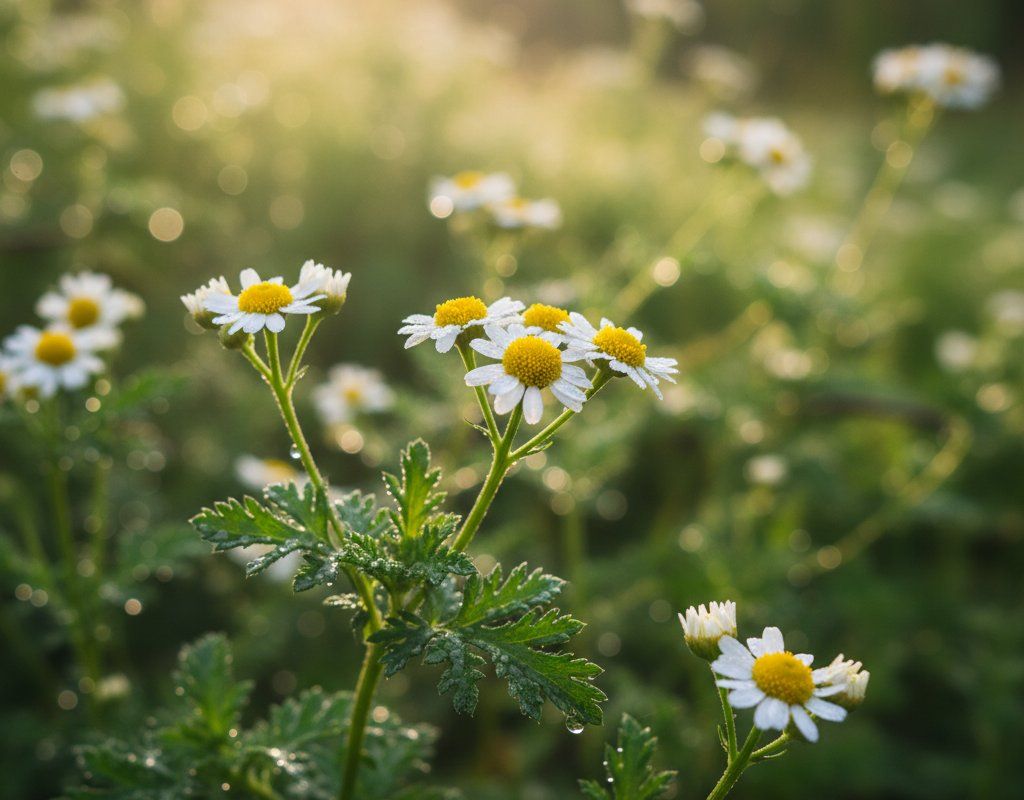
🌸Best Flowers to Plant with Cilantro
These flowers protect your Cilantro from pests and attract pollinators for better harvests.



Get a Reminder When It's Time to Plant
We'll email you when key planting windows open for your zone.