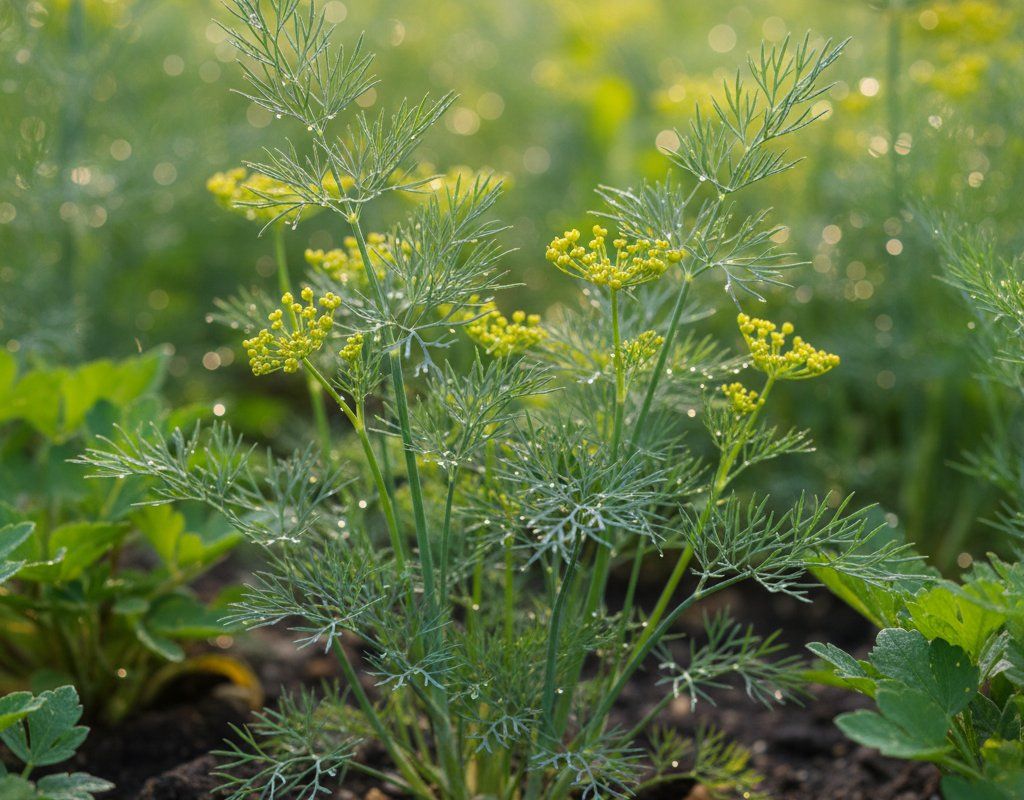
Dill in Zone 9A — Desert Southwest
Anethum graveolens · Your Complete 2026 Planting Guide
Time to Buy Starts!
Seed starting window passed, but starts are available now.
Buy Starts Now
Head to your local nursery, Home Depot, or farmers market for transplants.
- Look for stocky plants with dark green leaves
- Avoid leggy seedlings or plants already flowering
- Check that roots aren't circling the pot (rootbound)
How to Plant Dill in Zone 9A — Desert Southwest
Here are all your options for getting dill in the ground, from the easiest method to more advanced approaches.
Direct Sow Seeds
RecommendedMid February through mid October
around February 15
Consider succession planting every 2-3 weeks for continuous harvest.
Dill has a taproot and prefers direct sowing, but transplants work if handled carefully.
Start Seeds Indoors
RecommendedMid January through early February
around January 25
Then transplant: Late February through early April
Start seeds 4-6 weeks before transplanting outdoors.
Buy Starts
Works WellLate February through early April
around February 22
Plant purchased starts after last frost (February 15).
Transplant Outdoors
Timing InfoLate February through early April
around February 22
Can tolerate light frost, but wait for soil to be workable.
You have a nice window — no need to rush.
Fall Planting
Mid October through mid November
October 29 ideal · Direct sow for fall harvest
Plant a second crop in mid-summer for fall harvest. Dill actually prefers the cooling temperatures of fall.
Overview
Dill transforms your Desert Southwest kitchen with its bright, tangy flavor that's perfect for pickles, fish dishes, and fresh summer salads. In our Zone 9A climate, dill thrives during our mild winters and can provide fresh herbs almost year-round when you time plantings right. The feathery foliage adds delicate texture to your garden, and the umbrella-shaped flower heads attract beneficial insects that help control pests naturally.
Our extreme heat and arid conditions mean dill requires strategic timing, but don't let that discourage you. With our 298-day growing season, you have multiple planting windows to work with. The key is avoiding the brutal summer months and taking advantage of our excellent spring and fall growing conditions. Once you understand the rhythm of desert gardening, dill becomes a reliable herb that rewards you with continuous harvests.
Starting Seeds Indoors
Starting dill seeds indoors makes sense if you want to get a jump on the season or have better control over germination. Start seeds from mid-January through early February, about four weeks before you plan to transplant outdoors. Use seed trays filled with quality potting mix, and keep them in a warm spot around 65-70°F.
Dill seeds need consistent moisture to germinate, so bottom watering works best here in our dry climate. Set your seed trays in shallow pans of water and let the soil absorb moisture from below. This prevents the surface from drying out too quickly in our low humidity. Place trays near a sunny south-facing window or under grow lights once seeds sprout.
Keep in mind that dill has a long taproot and doesn't love being transplanted, so handle seedlings gently. The indoor start method works well for getting your spring crop established early, but many Desert Southwest gardeners prefer direct sowing for better root development.
Transplanting Outdoors
Transplant your indoor-started dill seedlings from late February through early April, when nighttime temperatures stay consistently above 32°F. This timing takes advantage of our mild spring weather before the extreme heat kicks in. Harden off seedlings gradually over one week by placing them outside for increasing periods each day.
Space transplants 12 inches apart to give each plant room to develop its full, feathery growth. Dill's taproot means you need to be extra careful not to disturb the roots when transplanting. Dig holes slightly larger than your seedling containers and plant at the same depth they were growing indoors.
Our spring weather can be unpredictable, so keep shade cloth handy for sudden warm spells. Even in late February, Desert Southwest sunshine can be intense enough to shock newly transplanted seedlings. Water transplants thoroughly after planting and maintain consistent soil moisture as they establish.
Direct Sowing
Direct sowing is often the preferred method for dill since it develops a strong taproot that doesn't appreciate being disturbed. In the Desert Southwest, you can direct sow from mid-February through mid-October, though timing matters significantly for success. Spring plantings (mid-February through early April) and fall plantings (mid-October through mid-November) work best.
Prepare your soil by working in compost to improve drainage and water retention. Dill prefers loose, well-draining soil that won't become waterlogged during monsoon season. Scatter seeds thinly and cover with about 1/4 inch of soil. Space plantings 12 inches apart or thin seedlings to this distance once they're established.
The main advantage of direct sowing is stronger root development, but germination can be inconsistent in our alkaline desert soils. Consider succession planting every 2-3 weeks during appropriate seasons to ensure continuous harvests. Avoid summer direct sowing unless you can provide significant shade and consistent moisture.
Watering Dill in Zone 9A (Desert Southwest)
Dill needs moderate, consistent watering but cannot tolerate our extreme summer heat without extra care. During spring and fall growing seasons, provide about 1 inch of water per week, checking soil moisture with the finger test down to 2 inches deep. In our arid climate, you'll likely need to water 2-3 times per week rather than one deep watering.
Water at the base of plants rather than overhead to reduce evaporation and prevent fungal issues. This is especially important during our humid monsoon season when overhead watering can promote disease. Morning watering allows plants to dry before evening and makes the most of available moisture before our intense afternoon sun.
Summer survival requires daily attention if you're growing dill through the heat. Provide shade cloth and increase watering frequency, but never let soil become waterlogged. Signs of underwatering include wilting and premature bolting, while overwatering shows as yellowing lower leaves and poor growth.
A thin layer of mulch helps retain soil moisture in our dry climate, but keep it light since heavy mulch can create problems during monsoon season. Gravel mulch or light organic matter works well to reduce evaporation without trapping excess moisture against plant stems.
🧪Fertilizing Dill
Feeding Schedule
Organic Fertilizer Options
Harvest Time
Your first dill harvest typically begins in late March if you planted in February, continuing through mid-December with successive plantings. Dill matures quickly at about 40 days, but you can start harvesting feathery leaves much earlier for fresh use. Cut outer leaves first, allowing the center to continue growing.
For fresh leaves, harvest in the morning after dew has dried but before the heat of the day. Cut stems about 4-6 inches long, taking no more than one-third of the plant at once. This encourages continued growth and prevents the plant from bolting prematurely. The tender, young growth has the best flavor for fresh eating.
If you want dill seed for pickling, let some plants flower and develop seed heads. Wait until the flower heads turn brown and dry, then cut the entire head and shake seeds into a paper bag. This usually happens about 90 days from planting. In our Desert Southwest climate, time seed collection before our early December frosts.
Succession plant every 2-3 weeks during appropriate seasons to ensure continuous harvests. Dill bolts quickly in heat, so having new plants coming along keeps your kitchen supplied. During extreme heat, focus on harvesting leaves early in the day when plants are most turgid and flavorful.
Common Problems in Zone 9A (Desert Southwest)
Bolting shows up as tall flower stalks shooting up from the center of your dill plant, with leaves becoming bitter and tough. In the Desert Southwest, this happens fast once temperatures consistently hit the 90s, which is why spring and fall plantings work best here. Our intense sun and heat trigger premature flowering even with adequate water. Prevent bolting by providing shade cloth during warm spells, maintaining consistent soil moisture, and timing plantings for cooler months. Once bolting starts, harvest remaining leaves quickly or let the plant go to seed if you want to collect dill seeds.
Aphids appear as clusters of tiny green, black, or white insects on stems and leaf undersides, leaving sticky honeydew residue and causing curled growth. These multiply rapidly in our warm Desert Southwest springs and can explode during mild winter growing periods. Encourage beneficial insects like ladybugs, or spray them off with water in the morning. Insecticidal soap works well, but avoid applying during the heat of the day. Avoid over-fertilizing with nitrogen, which creates tender growth that aphids love.
Caterpillars, particularly parsley worms (swallowtail butterfly larvae), can strip dill plants quickly. These large, colorful caterpillars are actually beneficial butterfly larvae, so hand-picking and relocating them to wild plants is the preferred method. If damage is severe, Bt (Bacillus thuringiensis) provides organic control. Check plants regularly since caterpillars can defoliate small dill plants overnight.
Desert Southwest Specific Challenges: Our extreme heat causes rapid bolting, while alkaline soils can limit nutrient uptake. The combination of intense UV radiation and low humidity stresses plants quickly, making shade cloth essential during warm months. Focus your dill growing on our excellent fall through spring window when conditions favor leafy growth over premature flowering.
Best Companions for Dill
Plant these nearby for healthier Dill and better harvests.


Keep Away From
Companion Planting Details
Dill makes an excellent companion in Desert Southwest vegetable gardens, particularly with cool-season crops that share similar growing windows. Plant dill near cabbage family plants (broccoli, cauliflower, kale) where it helps repel cabbage worms and attracts beneficial wasps. Cucumber and dill grow well together since both prefer consistent moisture and benefit from some afternoon shade in our climate. The dill's flowers bring in predatory insects that help control cucumber beetles.
Lettuce and dill make natural partners for fall and winter growing here, with dill's upright growth providing light shade for lettuce during unexpectedly warm winter days. Onions planted nearby help deter aphids from both crops. Avoid planting dill near carrots since they're in the same family and can cross-pollinate, affecting flavor. Also keep dill away from tomatoes, as dill can inhibit tomato growth and the timing doesn't work well anyway - tomatoes need our intense summer heat while dill prefers cooler months.
🌸Best Flowers to Plant with Dill
These flowers protect your Dill from pests and attract pollinators for better harvests.
For Pest Control




Get a Reminder When It's Time to Plant
We'll email you when key planting windows open for your zone.