
Parsley in Zone 9A — Desert Southwest
Petroselinum crispum · Your Complete 2026 Planting Guide
You Can Still Sow!
Direct sowing window is open for Parsley.
Direct Sow Now
Parsley is slow to germinate (2-4 weeks). Soaking seeds helps.
How to Plant Parsley in Zone 9A — Desert Southwest
Here are all your options for getting parsley in the ground, from the easiest method to more advanced approaches.
Direct Sow Seeds
RecommendedEarly February through mid September
around February 1
Consider succession planting every 2-3 weeks for continuous harvest.
Parsley is slow to germinate (2-4 weeks). Soaking seeds helps.
Start Seeds Indoors
RecommendedLate November through late December
around December 7
Then transplant: Early February through early March
Start seeds 8-10 weeks before transplanting outdoors.
Start indoors 8-10 weeks early due to slow germination.
Buy Starts
Works WellEarly February through early March
around February 1
Plant purchased starts after last frost (February 15).
Transplant Outdoors
Timing InfoEarly February through early March
around February 1
Can tolerate light frost, but wait for soil to be workable.
You have a nice window — no need to rush.
Fall Planting
Late September through late October
October 8 ideal · Direct sow for fall harvest
Plant a second crop in mid-summer for fall harvest. Parsley actually prefers the cooling temperatures of fall.
Overview
Parsley thrives in our Desert Southwest climate, offering fresh herbs year-round during our extended 298-day growing season. This hardy biennial produces abundant, flavorful leaves that taste infinitely better than store-bought options, and it handles our mild winters beautifully while providing continuous harvests from spring through late fall.
While our extreme summer heat and arid conditions present challenges, parsley's natural hardiness makes it surprisingly manageable here in Zone 9A. With proper timing and consistent moisture, you'll have fresh parsley for cooking, garnishing, and enjoying the satisfaction of homegrown herbs that actually taste like something.
Starting Seeds Indoors
Starting parsley seeds indoors works well but isn't essential in our region. If you choose this method, sow seeds in late November through late December, about 8-10 weeks before your planned transplant date. Parsley is notoriously slow to germinate, often taking 2-4 weeks even under ideal conditions.
Set up your seed trays in a warm spot with good light, maintaining soil temperature around 70°F. Use bottom watering to keep the soil consistently moist without waterlogging the surface. Soaking seeds overnight before planting can speed up germination slightly.
The indoor approach gives you more control over that lengthy germination period, especially valuable since our very-early spring means you'll want transplants ready by early February when outdoor conditions become favorable.
Transplanting Outdoors
Transplant your parsley seedlings outdoors from early February through early March, once nighttime temperatures consistently stay above freezing. Start hardening off seedlings about a week before transplanting by gradually exposing them to outdoor conditions for increasing periods each day.
Space transplants 6-10 inches apart in well-draining soil. Our alkaline desert soil benefits from some compost worked in before planting. Choose a location that gets morning sun but has some afternoon shade protection, especially important as we head toward summer's extreme heat.
During transplant time in our region, watch for those occasional late cold snaps that can surprise us in February. Have row covers ready if temperatures threaten to dip below 28°F, though parsley handles light frost quite well.
Direct Sowing
Direct sowing parsley works from early February through mid-September, though timing matters significantly in our climate. Spring sowing (February through March) gives the best results, allowing plants to establish before summer's brutal heat arrives.
Prepare your soil by working in compost to improve drainage and buffer our naturally alkaline conditions. Sow seeds about ¼ inch deep and keep the soil consistently moist during the long germination period. Soaking seeds for 12-24 hours before planting can reduce germination time from 3-4 weeks down to 2-3 weeks.
Fall planting (late September through October) offers another excellent window, taking advantage of our second growing season as temperatures moderate and monsoon moisture provides natural irrigation assistance. Space plants 6-10 inches apart and be patient – parsley's slow start pays off with months of continuous harvests.
Watering Parsley in Zone 9A (Desert Southwest)
Parsley needs moderate, consistent moisture throughout our arid Desert Southwest climate. Water deeply but less frequently, providing about 1-1.5 inches per week including any monsoon rainfall. The finger test works well – stick your finger 2 inches into the soil, and water when it feels dry at that depth.
During our extreme summer heat (often reaching 105°F), parsley benefits from morning watering at the base of plants rather than overhead sprinkling. Our low humidity means water evaporates quickly, so deeper, less frequent watering encourages strong root development that can access moisture longer.
Pay special attention during germination, keeping soil consistently moist for those 2-4 weeks it takes seeds to sprout. Once established, parsley handles brief dry periods better than constantly soggy soil, which can lead to crown rot in our heavy clay or caliche-influenced soils.
A 2-3 inch layer of organic mulch around plants helps retain moisture and moderate soil temperature, especially valuable during our intense summer months. Watch for wilting during afternoon heat as a sign plants need water, but remember that some temporary wilting is normal when temperatures soar above 100°F.
🧪Fertilizing Parsley
Feeding Schedule
Organic Fertilizer Options
Harvest Time
Your first parsley harvest typically begins mid-April through mid-December, about 70 days after planting. Look for outer stems that have developed three distinct leaf segments – these are mature enough to harvest while allowing the center to continue growing.
Cut individual stems at the base near soil level rather than just pinching off the tips. This encourages new growth from the center and keeps plants productive. Always harvest the oldest, outer stems first, working your way inward as new growth appears.
Parsley provides continuous harvests throughout our long growing season when cut regularly. In fact, frequent harvesting keeps plants more tender and delays flowering. During our mild winters, established plants often continue producing fresh leaves right through December.
As temperatures drop toward our first frost in early December, harvest heavily and preserve excess by freezing or drying. Since parsley is biennial, second-year plants will bolt to seed in late spring, so plan to replant annually for the best leaf production.
Common Problems in Zone 9A (Desert Southwest)
Slow Germination Parsley seeds can take 2-4 weeks to sprout, leading many Desert Southwest gardeners to think their seeds failed. You'll see no activity for weeks, then suddenly tiny green shoots appear. Our warm soil temperatures actually help, but the wait tests patience.
This happens because parsley seeds have a hard coat and natural germination inhibitors. Pre-soaking seeds for 12-24 hours before planting helps break down these barriers. Keep soil consistently moist during this extended period, and resist the urge to overseed thinking the first batch failed.
Crown Rot Plants develop dark, mushy areas at the base where stems meet soil, eventually causing the entire plant to collapse. Leaves may yellow and wilt despite adequate soil moisture. This fungal problem thrives in our heavy clay soils or areas with caliche that don't drain well.
Poor drainage combined with overwatering creates perfect conditions for crown rot, especially during monsoon season when humidity briefly increases. Improve soil drainage with compost, avoid overhead watering that keeps the crown wet, and space plants adequately for air circulation. Plant in raised beds if your soil has drainage issues.
Carrot Rust Fly Small dark flies hover around plants, and you'll notice rusty-brown tunnels in any nearby carrot roots, plus wilting foliage despite adequate water. The larvae tunnel into roots and can affect parsley since it's in the same family as carrots.
These flies become active during warm periods and lay eggs near plant stems. Row covers provide the most effective prevention, especially during spring establishment. Interplanting with onions helps confuse the flies with conflicting scents, and prompt harvesting reduces damage.
Desert Southwest Specific Challenges: Our extreme summer heat can cause parsley to bolt prematurely, while low humidity stress may lead to crispy leaf edges. The key is providing afternoon shade during summer's peak and maintaining consistent soil moisture despite our arid conditions and intense evaporation rates.
Best Companions for Parsley
Plant these nearby for healthier Parsley and better harvests.
View Full Companion Planting Chart →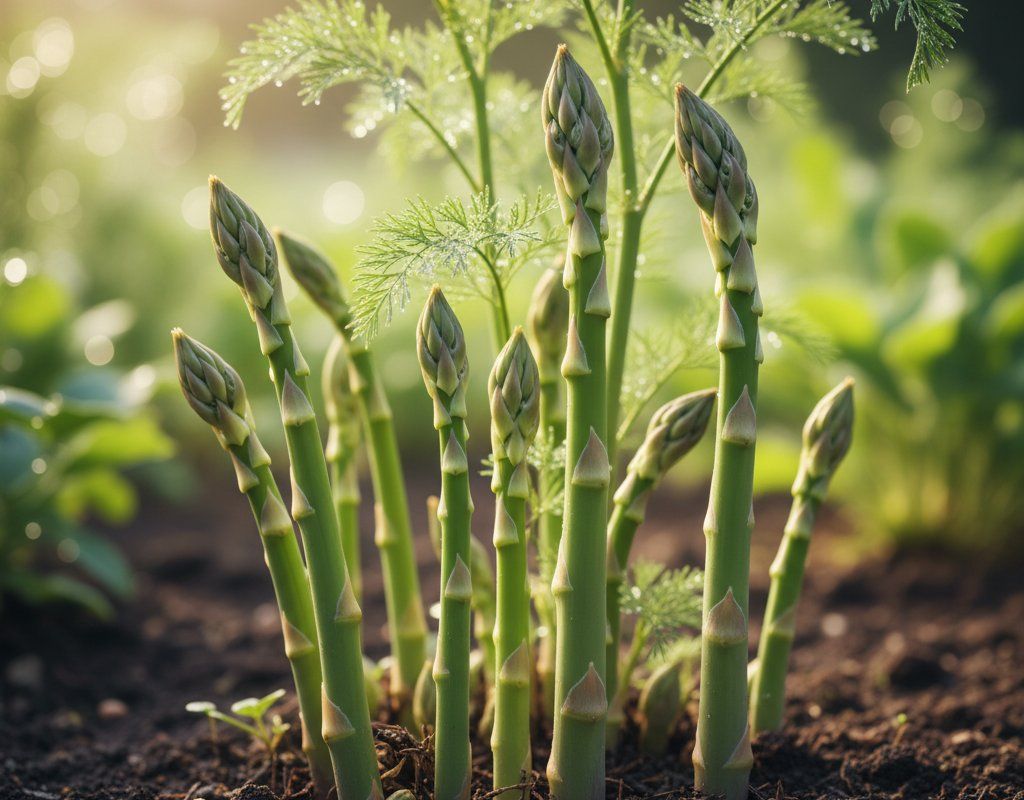



Companion Planting Details
Parsley makes an excellent companion for tomatoes, helping to improve their flavor while its deep taproot doesn't compete with tomato's spreading root system. Plant parsley around the base of asparagus spears – it appreciates the light shade asparagus provides during our intense summer heat, and both plants have similar water needs that work well in our climate.
Corn and parsley also pair well since corn provides natural afternoon shade that parsley craves during summer's extreme heat. Avoid planting parsley near lettuce, as both compete for the same soil nutrients and moisture levels, and lettuce's shallow roots suffer when parsley's deeper roots claim available water during our dry periods. Also skip planting near mint, which spreads aggressively and can overtake parsley's slower-growing habit in our favorable growing conditions.
🌸Best Flowers to Plant with Parsley
These flowers protect your Parsley from pests and attract pollinators for better harvests.
For Pest Control




Get a Reminder When It's Time to Plant
We'll email you when key planting windows open for your zone.