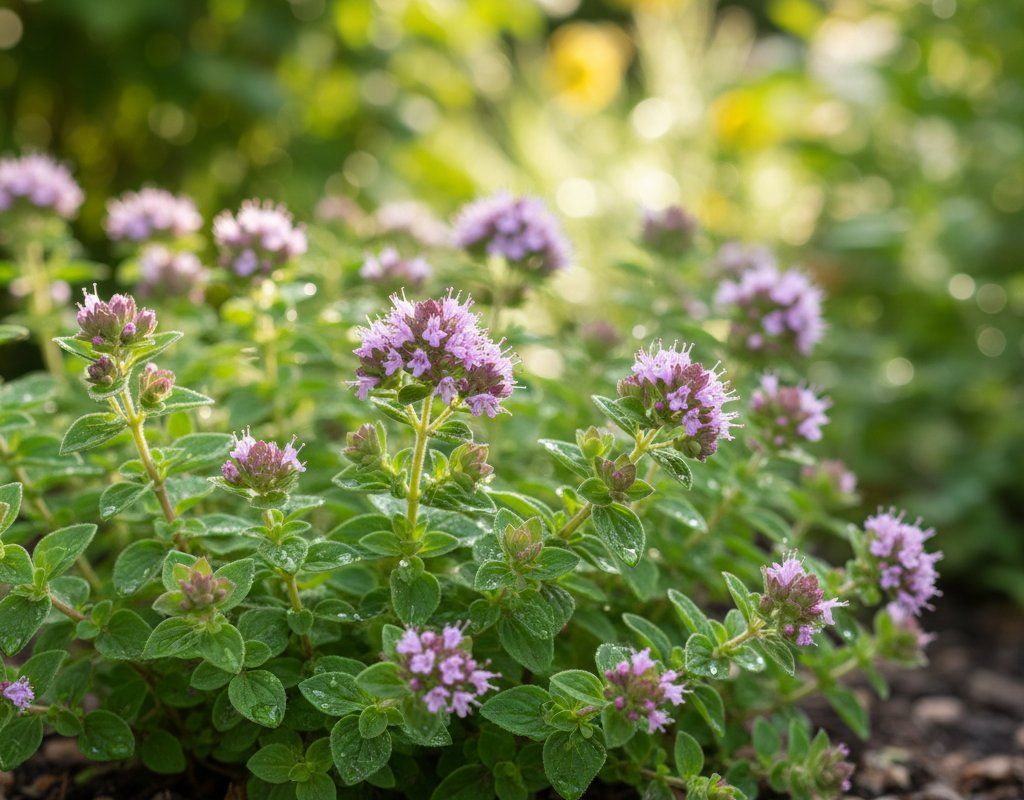
Oregano in Zone 9A — Northern California
Origanum vulgare · Your Complete 2026 Planting Guide
Time to Buy Starts!
Seed starting window passed, but starts are available now.
Buy Starts Now
Head to your local nursery, Home Depot, or farmers market for transplants.
- Look for stocky plants with dark green leaves
- Avoid leggy seedlings or plants already flowering
- Check that roots aren't circling the pot (rootbound)
How to Plant Oregano in Zone 9A — Northern California
Here are all your options for getting oregano in the ground, from the easiest method to more advanced approaches.
Buy Starts
RecommendedMid February through early April
around February 20
Plant purchased starts after last frost (February 20).
Easy from seed but slow. Starts give faster results.
Start Seeds Indoors
Works WellMid December through early January
around December 26
Then transplant: Mid February through early April
Start seeds 8-10 weeks before transplanting outdoors.
Direct Sow Seeds
Works WellMid February through early October
around February 20
Consider succession planting every 2-3 weeks for continuous harvest.
Transplant Outdoors
Timing InfoMid February through early April
around February 20
Can tolerate light frost, but wait for soil to be workable.
You have a nice window — no need to rush.
Overview
Oregano thrives in Northern California's Mediterranean climate, making it one of the most rewarding herbs you can grow here. Our warm, dry summers and mild winters create perfect conditions for this drought-tolerant perennial, which develops intense flavor under our bright sunshine and low humidity. You'll harvest fresh oregano nearly year-round, with peak flavor developing during our hottest months when store-bought herbs are expensive and often flavorless.
While our fire season and water restrictions might seem challenging, oregano actually prefers these drier conditions once established. With our generous 288-day growing season, you can start harvesting in spring and continue through our mild winters, making this Mediterranean native a natural fit for water-wise NorCal gardens.
Starting Seeds Indoors
Starting oregano seeds indoors isn't essential in Northern California, but it gives you a head start if you want earlier harvests. Sow seeds from mid-December through early January, about 8 weeks before your last frost window in mid-February. This timing lets you transplant strong seedlings when our early spring begins.
Set up seed trays in a warm spot (70-75°F) with good light once seedlings emerge. Bottom watering works best to prevent damping-off disease. Seeds are tiny and slow to germinate, often taking 10-14 days even in ideal conditions.
Since oregano transplants are readily available at local nurseries and seeds can be fussy, most NorCal gardeners find buying starts more practical. However, if you want specific varieties or enjoy the seed-starting process, winter indoor sowing works well with our predictable spring transplant timing.
Transplanting Outdoors
Transplant oregano seedlings from mid-February through early April, after our last frost risk passes. Young plants handle light frost, but established transplants perform better than newly planted ones during any late cold snaps. This timing takes advantage of our early spring warmth and gives plants months to establish before summer heat.
Harden off seedlings for a week with gradual outdoor exposure, starting with morning sun only. Space plants 12-18 inches apart since oregano spreads as it matures. Our spring weather can shift quickly from mild to warm, so watch new transplants for the first two weeks and provide afternoon shade if temperatures jump above 80°F unexpectedly.
Choose a spot with excellent drainage since oregano cannot tolerate soggy soil, especially important during our winter rainy season. Most NorCal gardeners find transplants much easier than direct seeding since established plants handle our summer drought conditions better.
Direct Sowing
Direct sowing oregano works in Northern California's mild climate, though germination can be spotty and slow. Sow seeds from mid-February through early October, though spring and fall sowings typically perform better than summer plantings. Seeds need consistent moisture for 2-3 weeks, which can be challenging during our dry summer months.
Prepare soil by working in compost and ensuring good drainage. Scatter tiny seeds lightly over the surface and barely cover them, as they need light to germinate. Keep soil consistently moist but not waterlogged, checking daily since our low humidity dries surface soil quickly.
Space plantings 12-18 inches apart, though you'll likely need to thin seedlings later. Fall sowings often work better than spring ones since autumn moisture helps with germination, and plants establish during our mild winter before facing their first summer drought. However, most NorCal gardeners prefer transplants for more reliable results.
Watering Oregano in Zone 9A (Northern California)
Oregano's drought tolerance makes it perfect for Northern California's water-wise gardening approach. Newly planted oregano needs regular watering for the first month, but once established, it thrives with minimal irrigation. During our dry summers, deep weekly watering (about 1/2 inch) works better than frequent shallow watering.
Use the finger test by checking soil moisture 2 inches down before watering. In our low-humidity climate, surface soil dries quickly but deeper soil often remains moist longer. Water at the plant base rather than overhead, since oregano's essential oils concentrate better with lower humidity around the foliage.
During our rainy winter months from November through March, established oregano usually needs no supplemental watering. In fact, overwatering during this period can cause root rot in our clay soils. If your oregano leaves look pale or growth seems sluggish, you're probably watering too much rather than too little.
Summer heat stress shows as slightly wilted leaves during the hottest afternoon hours, but plants typically recover by evening without extra water. A thin layer of gravel mulch around plants helps retain soil moisture while preventing the stem rot that organic mulches can cause during our wet winters.
Pruning & Maintaining Oregano
Oregano requires minimal pruning but benefits from strategic cutting to maintain compact growth and encourage fresh leaves. Cut plants back by about one-third in midsummer, typically around July, to prevent them from becoming woody and to promote tender new growth for fall harvesting. This timing works perfectly with our Mediterranean climate pattern.
Pinch off flower buds as they appear if you want maximum leaf production, though oregano flowers attract beneficial insects to your garden. The leaves have the best flavor just before flowering, so harvest heavily when you see buds forming. Regular harvesting throughout the growing season acts as natural pruning.
In late fall, around November, cut plants back to about 2 inches above ground level. This prepares them for our mild winter and encourages vigorous spring growth. Since oregano is perennial in our zone, this winter pruning helps plants return stronger the following season, often spreading to fill their allotted space more completely.
🧪Fertilizing Oregano
Feeding Schedule
Organic Fertilizer Options
Harvest Time
Expect your first oregano harvest from early April through mid-December in Northern California, with plants ready about 45 days after transplanting. Once plants reach 4 inches tall, you can begin cutting sprigs regularly, which actually encourages more growth in our long growing season. The best flavor develops just before plants flower, typically during our warm late spring and early summer months.
Harvest by cutting stems just above a leaf pair, leaving enough foliage for the plant to continue photosynthesis. Morning cutting, after dew dries but before afternoon heat, gives you the most concentrated essential oils. In our dry climate, oregano's flavor intensifies throughout summer as plants focus energy into aromatic compounds rather than rapid growth.
You can harvest continuously through our growing season, with peak production during the moderate heat of late spring and early fall. Summer harvests work well too, though growth slows during the hottest weeks. Even light frost doesn't stop harvesting since oregano remains flavorful well into our mild winter months.
As our first frost approaches in early December, harvest heavily and dry or freeze your oregano for winter storage. Plants will return next spring, but fresh winter harvesting becomes limited during our coldest months, making end-of-season preservation worthwhile.
Common Problems in Zone 9A (Northern California)
Root Rot Oregano leaves turn yellow and plants wilt despite moist soil, often with a musty smell around the base. In Northern California, this typically occurs during our wet winter months in heavy clay soils or areas with poor drainage. Our Mediterranean plants aren't adapted to prolonged soil moisture, making drainage crucial for success. Improve soil with compost and perlite before planting, or grow oregano in raised beds. Once root rot appears, it's usually fatal, so prevention through proper site selection works better than treatment.
Aphids Clusters of tiny green, black, or white insects appear on stems and leaf undersides, leaving sticky honeydew residue and causing curled new growth. In Northern California's low-humidity climate, aphid populations can explode during warm spring weather when beneficial insects haven't yet reached peak numbers. Strong water spray knocks them off effectively, especially in the morning when they're less active. Encourage ladybugs and lacewings by planting nearby flowers, and avoid excess nitrogen fertilizer which makes plants more attractive to aphids.
Spider Mites Fine stippling appears on leaves like tiny white dots, often with fine webbing on leaf undersides. These microscopic arachnids thrive in our hot, dry summer conditions, especially when plants are drought-stressed. Daily strong water sprays for a week work better than chemical treatments, and increasing humidity around plants helps prevent reinfestation. In Northern California's dry climate, spider mites often indicate the plant needs slightly more water during peak summer heat.
Northern California Specific Challenges Our moderate-to-hot summers and low humidity create ideal conditions for oregano, but the same dry conditions that benefit the plant can stress it enough to attract spider mites. During drought years or under water restrictions, find the balance between oregano's drought tolerance and its need for enough moisture to resist pest problems. Our microclimates also mean coastal gardens may see fewer pest issues than inland areas, where heat and dryness are more extreme.
Best Companions for Oregano
Plant these nearby for healthier Oregano and better harvests.

Keep Away From
Companion Planting Details
Oregano makes an excellent companion for heat-loving vegetables in Northern California gardens. Plant it near peppers and tomatoes, where its strong scent helps deter aphids and other soft-bodied pests while attracting beneficial insects when allowed to flower. The herb's low water needs complement these warm-season crops perfectly during our dry summers. Oregano also pairs well with squash and beans, providing ground-level pest deterrence while the larger plants offer some afternoon shade during the hottest part of our growing season.
Unlike many herbs, oregano has no significant bad companions since it doesn't compete aggressively or release growth-inhibiting compounds. Its spreading habit means you'll want to give it adequate space, but it coexists peacefully with most garden plants. In water-wise Northern California gardens, group oregano with other Mediterranean herbs like rosemary and thyme, creating a drought-tolerant section that requires minimal irrigation once established.
🌸Best Flowers to Plant with Oregano
These flowers protect your Oregano from pests and attract pollinators for better harvests.
For Pest Control




Get a Reminder When It's Time to Plant
We'll email you when key planting windows open for your zone.