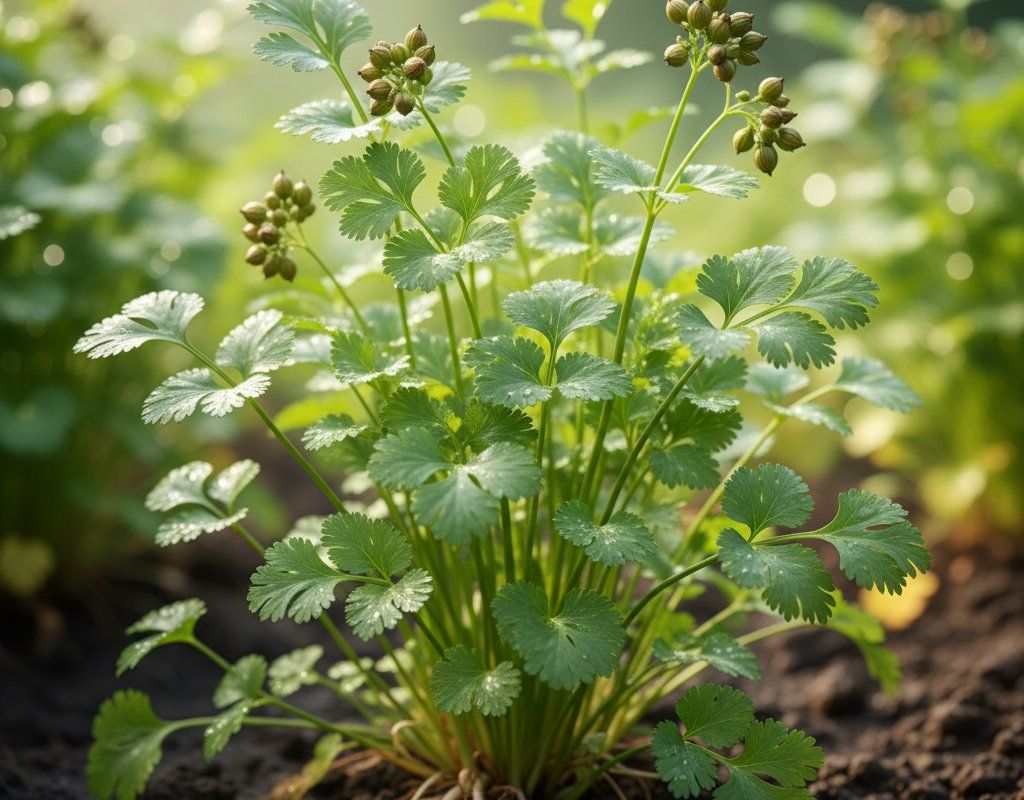
Cilantro in Zone 9B — Southern California
Coriandrum sativum · Your Complete 2026 Planting Guide
Harvest Time!
Your Cilantro should be producing now!
Harvest Tips
Harvest in the morning after dew dries for the best flavor.
How to Plant Cilantro in Zone 9B — Southern California
Here are all your options for getting cilantro in the ground, from the easiest method to more advanced approaches.
Direct Sow Seeds
RecommendedMid January through late October
around January 11
Consider succession planting every 2-3 weeks for continuous harvest.
Cilantro bolts quickly in heat. Direct sow in cool weather for best results.
Start Seeds Indoors
RecommendedLate December through mid January
around December 28
Then transplant: Late January through early March
Start seeds 4-6 weeks before transplanting outdoors.
Buy Starts
Works WellLate January through early March
around January 25
Plant purchased starts after last frost (January 25).
Transplant Outdoors
Timing InfoLate January through early March
around January 25
Can tolerate light frost, but wait for soil to be workable.
You have a nice window — no need to rush.
Fall Planting
Late October through late November
November 13 ideal · Direct sow for fall harvest
Plant a second crop in mid-summer for fall harvest. Cilantro actually prefers the cooling temperatures of fall.
Overview
Cilantro thrives in Southern California's mild winters and offers something many commercial varieties can't match — that bright, citrusy punch that defines fresh Mexican and Asian cuisine. Here in Zone 9B, you can grow cilantro nearly year-round, taking advantage of our 334-day growing season to keep a steady supply of fresh leaves on your table. The herb grows quickly in our cool winter months, and with proper timing, you can even coax decent harvests during the milder parts of our growing season.
Our hot summers and occasional Santa Ana winds can challenge cilantro since it bolts quickly in heat, but timing your plantings around our mild winters makes it surprisingly manageable. The key is working with Southern California's natural rhythm — planting when temperatures stay moderate and succession sowing every few weeks to maintain continuous harvests before the real heat kicks in.
Starting Seeds Indoors
Starting cilantro seeds indoors makes sense if you want an early jump on the growing season or need more control over germination. Sow seeds in late December through mid-January, about four weeks before you plan to transplant outdoors. This timing works well with our very early spring, giving you seedlings ready to go out when nighttime temperatures stay consistently above the mid-30s.
Set up seed trays in a warm spot with good light — a south-facing window or grow lights work fine. Cilantro seeds are actually coriander fruits that split into two halves, so don't worry if germination seems uneven at first. Bottom watering keeps the soil evenly moist without disturbing the seeds, which is especially helpful since cilantro can be a bit finicky about germination.
The main advantage of indoor starting here in Southern California is getting seedlings established before any late-season rain events that might waterlog direct-sown seeds. However, cilantro doesn't love root disturbance, so many gardeners prefer direct sowing once soil conditions are right.
Transplanting Outdoors
Transplant your indoor-started cilantro seedlings from late January through early March, when nighttime temperatures consistently stay above 35°F. This timing aligns perfectly with our mild winter weather, giving plants a chance to establish before any warm spells trigger premature bolting.
Harden off seedlings gradually over a week by placing them outside for increasing periods each day. Start with a few hours of morning sun and work up to full outdoor exposure. Our January and February weather can swing between mild days and surprisingly cool nights, so this gradual transition prevents transplant shock.
Space transplants 6-8 inches apart in well-draining soil with some afternoon shade if possible. The winter sun in Southern California is gentler, but providing protection from hot afternoon rays becomes crucial as we move toward spring. Plant them slightly deeper than they were growing in their containers to encourage strong root development.
Direct Sowing
Direct sowing works well for cilantro in Southern California from mid-January through late October, though you'll get the best results during cooler periods. The soil should be workable and not waterlogged from winter rains — wait for a dry spell if needed. Cilantro seeds prefer soil temperatures between 55-70°F, which happens naturally during our mild winter months.
Prepare your planting area with loose, well-draining soil and scatter seeds about 6-8 inches apart. Cover lightly with about ¼ inch of soil since cilantro needs some darkness to germinate properly. The seeds are actually hard coriander fruits, so soaking them overnight before planting can improve germination rates in our sometimes-dry conditions.
The biggest advantage of direct sowing here is avoiding transplant shock, since cilantro develops a taproot that doesn't love being disturbed. However, be realistic about timing — direct sowing works great in winter and early spring, but summer sowings often bolt before producing much foliage unless you can provide significant shade and consistent moisture.
Watering Cilantro in Zone 9B (Southern California)
Cilantro needs consistent moisture to prevent bolting, which makes watering strategy crucial in Southern California's dry climate. During our mild winters when most growth happens, water deeply once or twice per week, providing about 1-1.5 inches total. Check soil moisture by sticking your finger 2 inches deep — if it's dry, it's time to water.
Summer watering becomes more challenging since cilantro bolts quickly in hot, dry conditions. If you're growing cilantro during warmer months, you'll need to water every 2-3 days and provide afternoon shade. Morning watering works best in our low-to-moderate humidity, allowing leaves to dry quickly and reducing disease risk while giving plants moisture for the heat of the day.
Water at the base of plants rather than overhead to keep leaves dry, especially important during our winter wet season when fungal problems can develop. Signs of underwatering include wilting and premature flowering, while overwatering shows up as yellowing leaves and stunted growth. In our clay-heavy soils, overwatering happens easily, so ensure good drainage.
A thin layer of organic mulch helps retain moisture during dry spells and keeps soil temperatures more stable. This is particularly valuable during those warm February or March days that can stress young plants and trigger early bolting.
🧪Fertilizing Cilantro
Feeding Schedule
Organic Fertilizer Options
Harvest Time
Expect your first cilantro harvest from late February through early January, depending on when you planted and growing conditions. The 45-day maturity time holds true in Southern California's mild climate, though cool winter weather might extend this slightly while warm spells speed things up.
Start harvesting when plants reach 6 inches tall by cutting outer stems at the base, leaving the center growing point intact. Take no more than one-third of the plant at once to keep it producing new leaves. Fresh cilantro leaves have the best flavor before the plant sends up its flowering stalk — once you see that central stem starting to elongate and develop flower buds, harvest immediately as the leaves quickly become bitter.
For continuous production, succession plant every 2-3 weeks during the optimal growing season. This strategy works particularly well in Southern California since our long, mild growing season allows multiple plantings. Cut stems cleanly with sharp scissors or garden snips to prevent damage to the remaining plant.
As your first frost approaches around late December, harvest any remaining cilantro completely. The plants won't survive even our mild frosts, but you can often squeeze in one more planting in October or November for fresh herbs through early winter.
Common Problems in Zone 9B (Southern California)
Bolting shows up as a tall central stem shooting up with small white flowers, after which leaves become bitter and production stops. This happens when cilantro experiences heat stress, long days, or inconsistent watering — all common triggers in Southern California's variable spring weather. Plant during cooler months, provide afternoon shade during warm spells, and keep soil consistently moist. Choose slow-bolt varieties like 'Slow Bolt' or 'Leisure' for better heat tolerance.
Aphids appear as clusters of tiny green, black, or white insects on stem tips and leaf undersides, often leaving sticky honeydew residue and causing new growth to curl. These sap-sucking pests multiply rapidly in our warm weather and are often tended by ants. Knock them off with a strong spray from the hose, encourage beneficial insects like ladybugs, or apply insecticidal soap for heavy infestations. Avoid over-fertilizing with nitrogen, which makes plants more attractive to aphids.
Leaf spot creates brown or black spots on leaves, often with yellow halos, and can cause leaves to yellow and drop. This fungal problem develops during our winter wet season when leaves stay moist too long. Water at the base of plants rather than overhead, ensure good air circulation between plants, and avoid working in the garden when leaves are wet. Remove affected leaves immediately and consider copper-based fungicides for severe infections.
Southern California's hot, dry summers and mild, wet winters create unique challenges for cilantro. The combination of heat stress and inconsistent moisture during spring transitions often triggers premature bolting, while winter dampness can encourage fungal issues. Success comes from timing plantings with our natural cool seasons and adjusting watering practices as conditions change.
Best Companions for Cilantro
Plant these nearby for healthier Cilantro and better harvests.

Keep Away From

Companion Planting Details
Cilantro makes an excellent companion for tomatoes, naturally repelling aphids and spider mites while attracting beneficial insects like parasitic wasps. Plant it around the base of tomato cages in late winter, and it'll be finishing up just as tomatoes need more space. Spinach pairs well since both prefer cool weather and similar watering schedules — they can share garden space during Southern California's mild winter months.
Peppers and beans also benefit from cilantro's pest-deterrent properties, and the timing works well since you can often get a cilantro harvest before warm-season crops need the full space. However, keep cilantro away from fennel, which can inhibit cilantro's growth and affect seed production if you're planning to save coriander seeds. The two plants seem to compete for similar soil nutrients and don't thrive when planted close together.
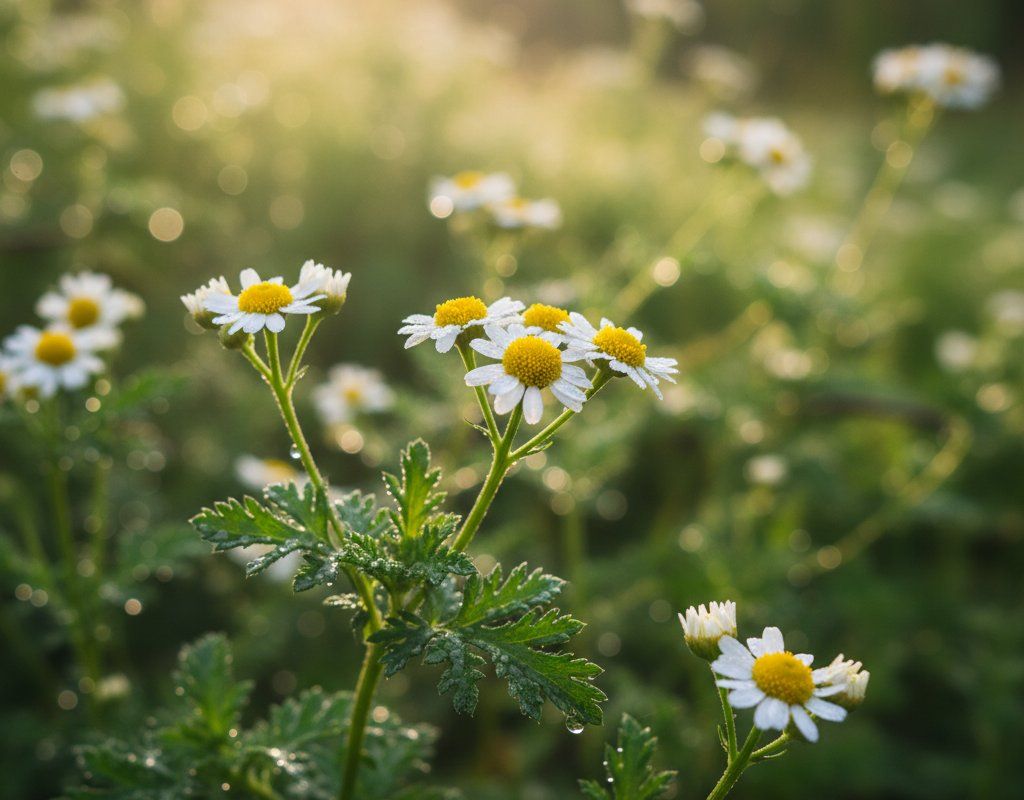
🌸Best Flowers to Plant with Cilantro
These flowers protect your Cilantro from pests and attract pollinators for better harvests.



Get a Reminder When It's Time to Plant
We'll email you when key planting windows open for your zone.