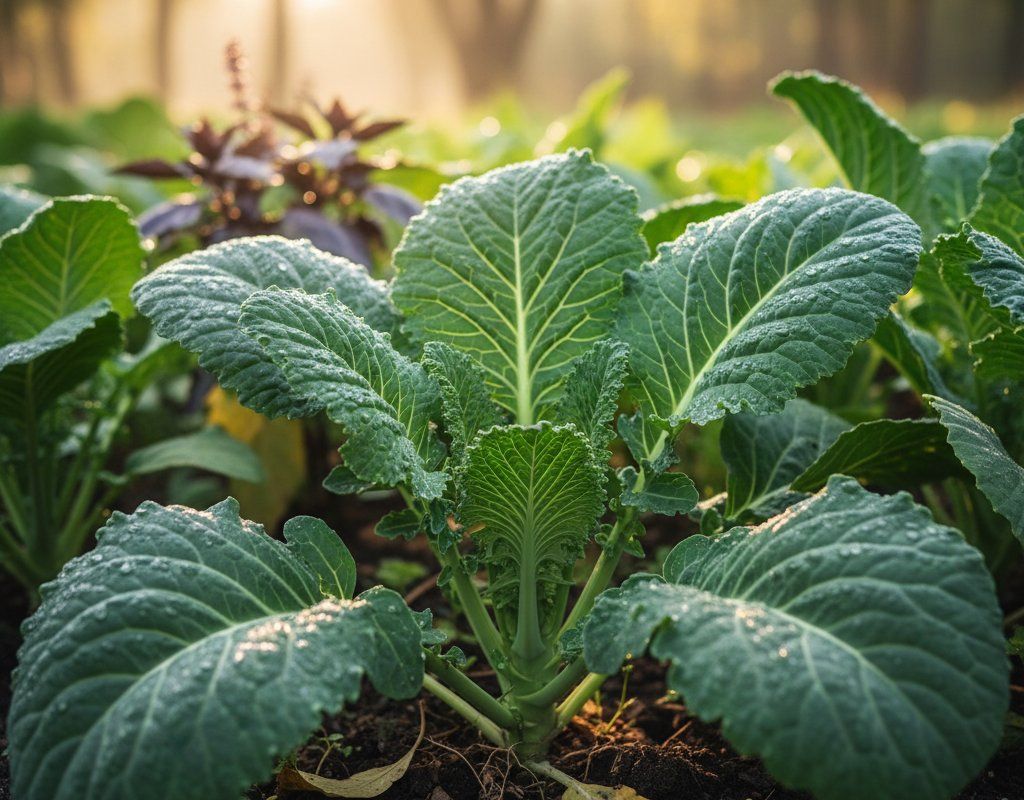
Collard Greens in Zone 10B — Florida
Brassica oleracea var. viridis · Your Complete 2026 Planting Guide
You Can Still Sow!
Direct sowing window is open for Collard Greens.
Direct Sow Now
Plant seeds directly in prepared garden soil.
How to Plant Collard Greens in Zone 10B — Florida
Here are all your options for getting collard greens in the ground, from the easiest method to more advanced approaches.
Direct Sow Seeds
RecommendedLate December through early October
around December 22
Consider succession planting every 2-3 weeks for continuous harvest.
Start Seeds Indoors
RecommendedEarly to late December
around December 8
Then transplant: Early January through early February
Start seeds 4-6 weeks before transplanting outdoors.
Buy Starts
Works WellEarly January through early February
around January 5
Plant purchased starts after last frost (January 5).
Transplant Outdoors
Timing InfoEarly January through early February
around January 5
Can tolerate light frost, but wait for soil to be workable.
You have a nice window — no need to rush.
Fall Planting
Early to late October
October 15 ideal · Direct sow for fall harvest
Plant a second crop in mid-summer for fall harvest. Collard Greens actually prefers the cooling temperatures of fall.
Overview
Collard Greens are a Southern staple, and here in Zone 10B, you can enjoy them fresh from your garden practically year-round. Their slightly bitter flavor mellows beautifully when cooked, and they're incredibly versatile in everything from soups and stews to simple sauteed sides. There’s something deeply satisfying about harvesting your own homegrown greens, especially when you know exactly what went into them.
Our Florida gardening calendar is different, with summer being more of a survival mode for many crops. But don't worry, the timing for growing Collard Greens perfectly aligns with our cooler months, making it very manageable. With our 360-day growing season, you'll have plenty of opportunities to grow these greens for fresh eating.
Starting Seeds Indoors
Starting Collard Greens indoors isn’t essential in Florida, but it can give you a slight head start. If you want to go this route, begin in early to late December, about four weeks before you plan to transplant. Use seed trays with a good seed-starting mix, keep them warm, and provide plenty of light – a simple grow light works wonders.
Bottom watering is a great trick to keep the soil moist without overwatering. Since our spring character is reversed compared to other regions, starting indoors helps you get your plants in the ground and established before the weather heats up too much.
Transplanting Outdoors
Transplant your Collard Greens seedlings outdoors from early January through early February. Before you move them permanently, harden them off by gradually exposing them to outdoor conditions for about a week. This helps them adjust to the sun and wind, preventing transplant shock.
Space your plants 18-24 inches apart to give them plenty of room to grow. Keep an eye on the weather forecast; even though we're in Zone 10B, we can still get some cool snaps during this time, so be prepared to cover your seedlings if necessary.
Direct Sowing
Direct sowing Collard Greens is a perfectly viable option for Florida gardeners. You can sow seeds directly into your garden beds from late December through early October. Just make sure the soil is well-prepared, loose, and consistently moist.
The soil temperature needs to be at least 60°F for good germination, which is generally not a problem during our prime growing season. Space the seeds 18-24 inches apart, or thin the seedlings to that spacing once they emerge. Direct sowing saves you the hassle of transplanting, but you'll need to be diligent about weed control.
Watering Collard Greens in Zone 10B (Florida)
Consistent watering is key to growing tender, delicious Collard Greens, especially in our Florida climate. While they are more heat-tolerant than some other brassicas, they still need regular moisture to thrive. During our typically dry spring (late winter/early spring for the rest of the US), aim to give your Collard Greens about 1-1.5 inches of water per week.
Stick your finger about 2 inches deep into the soil; if it feels dry, it's time to water. During our wet-summer months, you may not need to water as frequently, but keep an eye on the soil moisture. Water at the base of the plants rather than overhead to minimize fungal diseases, which are rampant with our extreme humidity.
Overwatering can lead to root rot, so watch for yellowing leaves or stunted growth. Underwatering will result in tough, bitter leaves. A good layer of mulch, like pine straw or wood chips, helps retain moisture in the soil and suppress weeds, which is always a plus.
🧪Fertilizing Collard Greens
Feeding Schedule
Organic Fertilizer Options
Harvest Time
You can expect your first harvest of Collard Greens from early March through early January, depending on when you planted. The leaves are ready to harvest when they're about 10-12 inches long. Pick the lower, older leaves first, leaving the top rosette to continue growing.
This encourages continuous production throughout the season. Collard Greens actually taste sweeter after a touch of frost, so don't be afraid to leave them in the garden as long as possible. As our first frost approaches in late December, harvest any remaining leaves to enjoy before the cold weather sets in.
Common Problems in Zone 10B (Florida)
Here are some common problems you might encounter growing Collard Greens in Florida:
Cabbage Worms
- What it looks like: Smooth green caterpillars chewing irregular holes in leaves. You'll also see dark green droppings and white butterflies fluttering around.
- What causes it: These are the larvae of white cabbage butterflies. They love warm climates and can go through multiple generations in a season.
- How to fix/prevent it: Bt spray is your best friend. Use floating row covers to prevent the butterflies from laying eggs. Handpick caterpillars when you see them. Interplant with aromatic herbs like thyme and sage to deter them.
Aphids
- What it looks like: Clusters of tiny green, black, or white insects on stems and leaf undersides. You might also notice sticky honeydew and curled or distorted new growth.
- What causes it: Aphids are sap-sucking insects that reproduce rapidly, especially in warm weather. Ants often "farm" them for their honeydew.
- How to fix/prevent it: A strong spray of water will knock them off. Encourage ladybugs and lacewings, which are natural predators. Use insecticidal soap for heavy infestations. Neem oil also works well. Avoid excess nitrogen fertilizer, as it attracts them.
Cabbage Loopers
- What it looks like: Similar to cabbage worms, these are light green caterpillars that move in a looping motion. They chew large holes in leaves.
- What causes it: These are the larvae of moths. They thrive in warm, humid climates.
- How to fix/prevent it: Handpicking is effective for small infestations. Bt spray works well. Row covers can prevent moths from laying eggs.
Downy Mildew
- What it looks like: Yellow patches on leaf tops with fuzzy gray-purple growth on undersides. Leaves brown and die from the bottom up.
- What causes it: This is a fungal disease that spreads in cool, humid conditions via wind-carried spores.
- How to fix/prevent it: Remove affected leaves immediately. Improve air circulation by spacing plants properly. Water at the base, never overhead. Copper-based fungicides can help prevent it. Plant resistant varieties if available.
Florida Specific Challenges: Our hot heat, very-high humidity, and wet-summer rainfall create a perfect environment for fungal diseases and pests. Be vigilant about monitoring your plants and take action quickly when you spot problems. Nematodes can also be an issue in our sandy soil, so consider using nematode-resistant varieties or amending your soil with plenty of organic matter.
Best Companions for Collard Greens
Plant these nearby for healthier Collard Greens and better harvests.



Keep Away From

Companion Planting Details
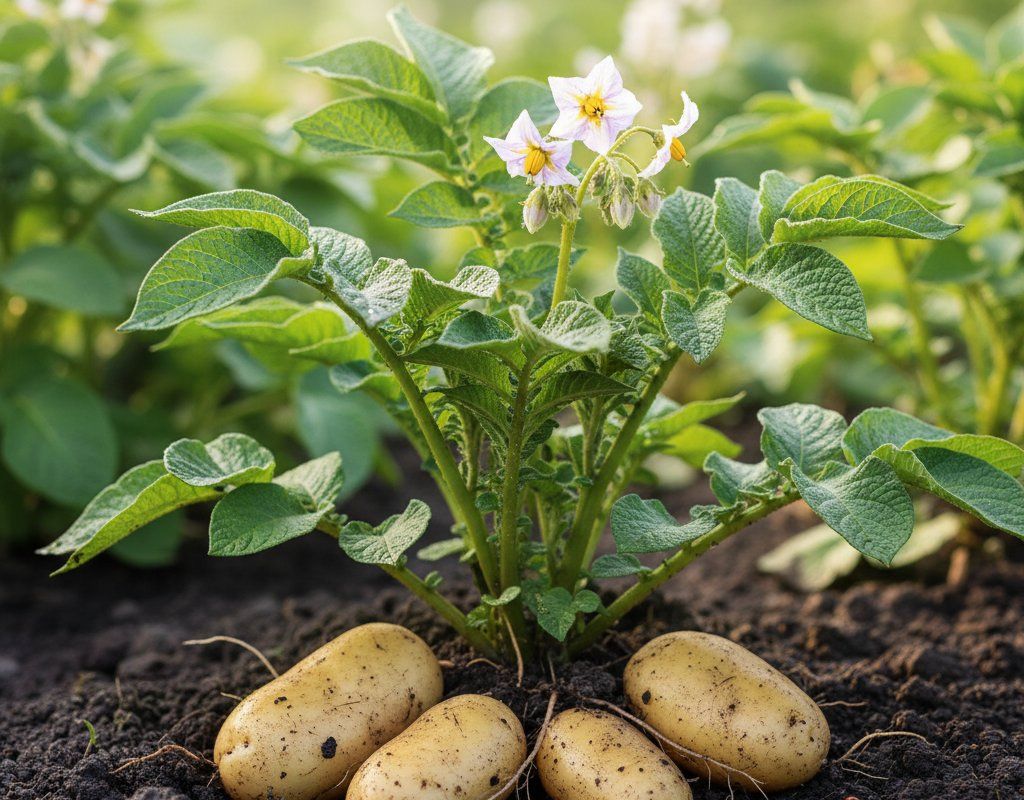
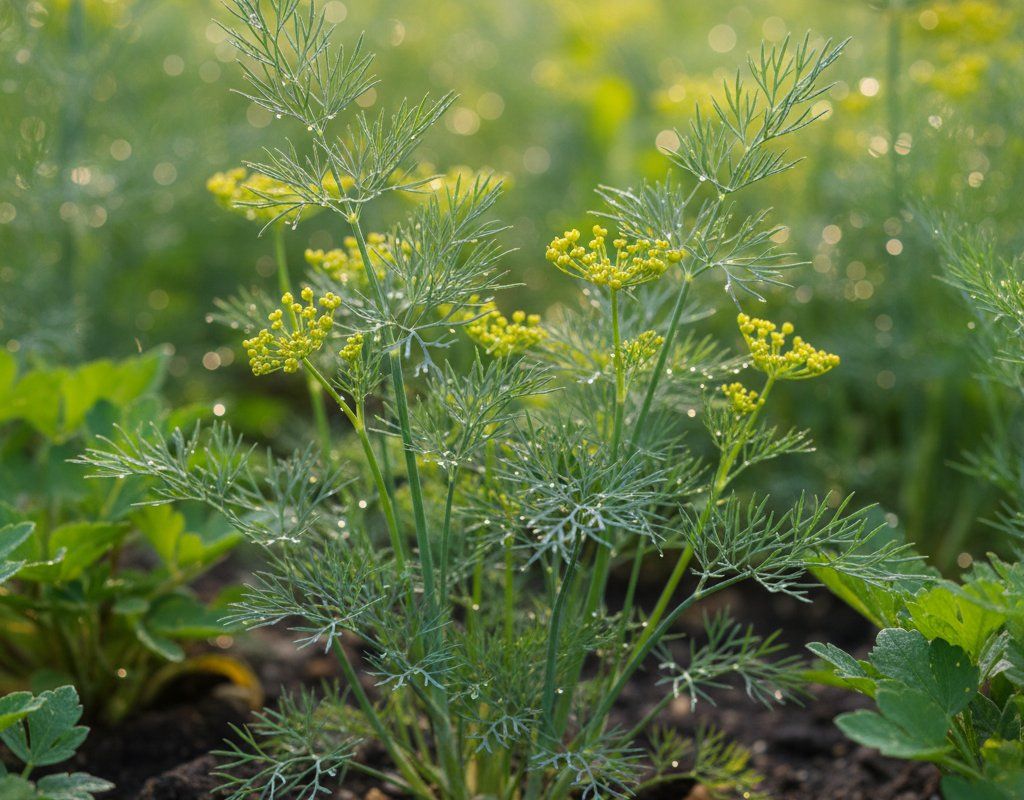
Companion planting can be a great way to help your Collard Greens thrive in Florida. Onions and garlic are good companions because their strong scent deters many pests. Beets and potatoes are also beneficial, as they don't compete for the same nutrients. Dill attracts beneficial insects that prey on aphids and other pests.
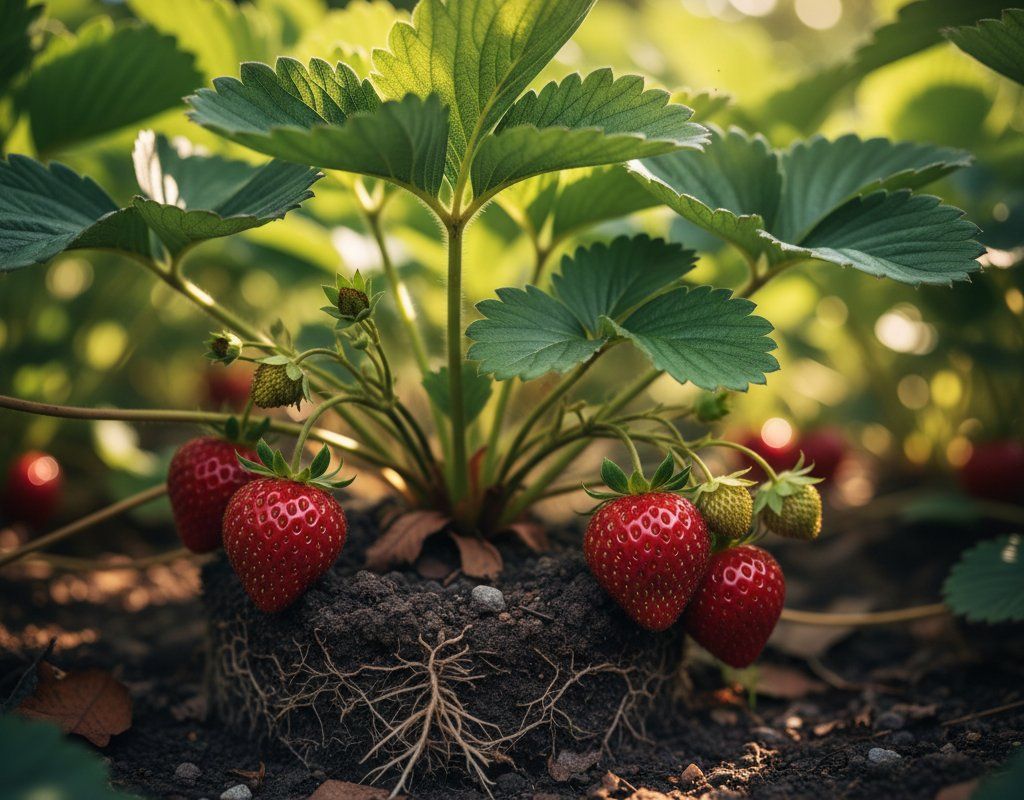
Avoid planting strawberries or tomatoes near your Collard Greens. Strawberries are susceptible to some of the same fungal diseases, and tomatoes can attract pests that will also target your greens.
🌸Best Flowers to Plant with Collard Greens
These flowers protect your Collard Greens from pests and attract pollinators for better harvests.
For Pest Control

Get a Reminder When It's Time to Plant
We'll email you when key planting windows open for your zone.