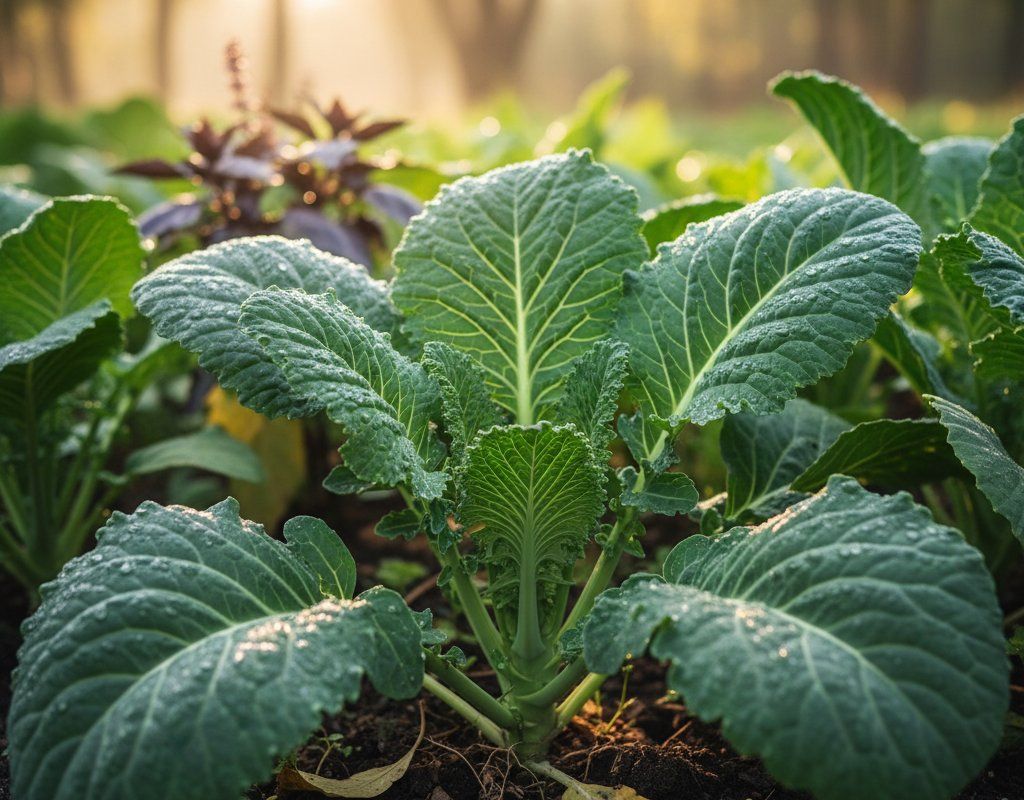
Collard Greens in Zone 7A — Mountain West
Brassica oleracea var. viridis · Your Complete 2026 Planting Guide
Planning Ahead — Great!
You’re ahead of the season. Here’s when to start.
Mark Your Calendar
How to Plant Collard Greens in Zone 7A — Mountain West
Here are all your options for getting collard greens in the ground, from the easiest method to more advanced approaches.
Direct Sow Seeds
RecommendedEarly April through mid July
around April 6
Consider succession planting every 2-3 weeks for continuous harvest.
Start Seeds Indoors
RecommendedMid March through early April
around March 23
Then transplant: Mid April through mid May
Start seeds 4-6 weeks before transplanting outdoors.
Buy Starts
Works WellMid April through mid May
around April 20
Plant purchased starts after last frost (April 20).
Transplant Outdoors
Timing InfoMid April through mid May
around April 20
Can tolerate light frost, but wait for soil to be workable.
You have a nice window — no need to rush.
Fall Planting
Mid July through early August
July 25 ideal · Direct sow for fall harvest
Plant a second crop in mid-summer for fall harvest. Collard Greens actually prefers the cooling temperatures of fall.
Overview
Collard greens thrive in our cool Mountain nights and intense sunlight, developing a uniquely sweet and earthy flavor that's unmatched. Their versatility in the kitchen, from Southern-style braising to vibrant salads, makes them a rewarding addition to any high-altitude garden. Plus, harvesting your own greens is incredibly satisfying.
Our short growing season and alkaline soil present challenges, but with careful timing and soil management, you can enjoy a bountiful harvest. With a 173-day growing season, you have the time to make it happen.
Starting Seeds Indoors
Starting collard greens indoors in the Mountain West is possible, but often not necessary unless you're aiming for an extra-early harvest. If you want to get a jump start, begin seeds indoors mid-March through early April, about four weeks before your target transplant date.
Use seed trays with a good seed-starting mix, provide warmth (a heat mat is helpful), and ensure adequate light with grow lights. Remember to water from the bottom to prevent damping off. Keep in mind our late springs can be unpredictable, so watch the weather forecast.
Transplanting Outdoors
Transplant your collard greens seedlings outdoors mid-April through mid-May, after hardening them off for about a week. Gradually expose them to increasing amounts of sunlight and outdoor conditions each day.
Space the plants 18-24 inches apart to allow for adequate growth. Be mindful of late frosts, a common occurrence in the Mountains, and protect young transplants with row covers if necessary.
Direct Sowing
Direct sowing collard greens is a straightforward option, especially given our relatively long days of sunshine. Sow seeds early April through mid-July, ensuring the soil temperature is consistently above 50°F.
Prepare the soil by amending with compost to improve drainage and nutrient content. Sow seeds ½ inch deep, spacing them 18-24 inches apart to avoid overcrowding as they mature. Thin seedlings to the strongest plant once they emerge.
Watering Collard Greens in Zone 7A (Mountain West)
In our dry Mountain West climate, consistent watering is crucial for healthy collard greens, even though they're more heat-tolerant than some other brassicas. Aim for about 1-1.5 inches of water per week, especially during the hottest part of the summer.
Use the "finger test" to determine when to water: if the soil is dry to a depth of about 2 inches, it's time to water. Water at the base of the plants to avoid wetting the leaves, which can encourage fungal diseases in our cool nights, despite the low humidity.
Underwatering will result in stunted growth and tough leaves, while overwatering can lead to root rot. Mulching around the plants with straw or wood chips helps retain moisture, regulate soil temperature, and suppress weeds.
🧪Fertilizing Collard Greens
Feeding Schedule
Organic Fertilizer Options
Harvest Time
You can expect your first harvest of collard greens mid-June through mid-October, about 75 days after planting. Look for lower leaves that are 10-12 inches long and a healthy, dark green color.
Harvest by snipping off the outer leaves near the base of the plant, leaving the top rosette intact to continue producing new leaves. Collard greens have a sweeter flavor after they've been kissed by a frost, so late-season harvests are especially delicious.
As the first frost approaches in early October, consider covering your plants with row covers or blankets to extend the harvest a bit longer. You can continue harvesting until the plants are completely frozen.
Common Problems in Zone 7A (Mountain West)
Here are some common problems you might encounter with collard greens in the Mountain West:
Cabbage Worms
- What it looks like: Smooth green caterpillars chewing irregular holes in leaves. You'll also see dark green droppings and white butterflies fluttering around.
- What causes it: These are the larvae of white cabbage butterflies, which can have multiple generations in our warmer months.
- How to fix/prevent it: Use Bt spray, which is very effective. Floating row covers will prevent the butterflies from laying eggs. You can also handpick the caterpillars or interplant with aromatic herbs like thyme and sage.
Aphids
- What it looks like: Clusters of tiny insects (green, black, or white) on stems and leaf undersides. Sticky honeydew residue and curled or distorted new growth are other signs.
- What causes it: Rapidly reproducing sap-sucking insects that thrive in warm weather.
- How to fix/prevent it: A strong spray of water will knock them off. Encourage ladybugs and lacewings, which are natural predators. Insecticidal soap can be used for heavy infestations. Avoid excess nitrogen fertilizer, which attracts them.
Cabbage Loopers
- What it looks like: Similar to cabbage worms, but these are pale green caterpillars that move in a looping motion. They also chew holes in leaves.
- What causes it: The larvae of a moth.
- How to fix/prevent it: Similar to cabbage worms, use Bt spray or handpick them. Row covers can help prevent the moths from laying eggs.
Downy Mildew
- What it looks like: Yellow patches on the tops of leaves with fuzzy gray-purple growth on the undersides. Leaves will brown and die from the bottom up.
- What causes it: An oomycete pathogen that spreads in cool, humid conditions via wind-carried spores.
- How to fix/prevent it: Remove affected leaves immediately and improve air circulation. Water at the base of the plant, never overhead. Copper-based fungicides can be used for prevention.
Mountain West Specific Challenges: Our moderate-at-altitude heat, low humidity, and dry rainfall mean that while fungal diseases are less prevalent than in humid regions, consistent watering and protection from intense UV are crucial. The alkaline soil also necessitates amending with compost and other organic matter to provide the necessary nutrients. Hail can also damage leaves, so consider using netting if hail is forecast.
Best Companions for Collard Greens
Plant these nearby for healthier Collard Greens and better harvests.





Keep Away From


Companion Planting Details
Companion planting can benefit your collard greens in the Mountain West. Onions and garlic are good companions because their strong scent deters pests like aphids and cabbage moths. Beets improve the soil structure and nutrient availability, while potatoes don't directly benefit the collards, they don't compete for the same resources. Dill attracts beneficial insects like ladybugs, which prey on aphids and other pests.
Avoid planting collard greens near strawberries or tomatoes. Strawberries are susceptible to some of the same fungal diseases as collards, increasing the risk of infection. Tomatoes can stunt the growth of collards due to allelopathic compounds they release into the soil.
🌸Best Flowers to Plant with Collard Greens
These flowers protect your Collard Greens from pests and attract pollinators for better harvests.
For Pest Control

Get a Reminder When It's Time to Plant
We'll email you when key planting windows open for your zone.