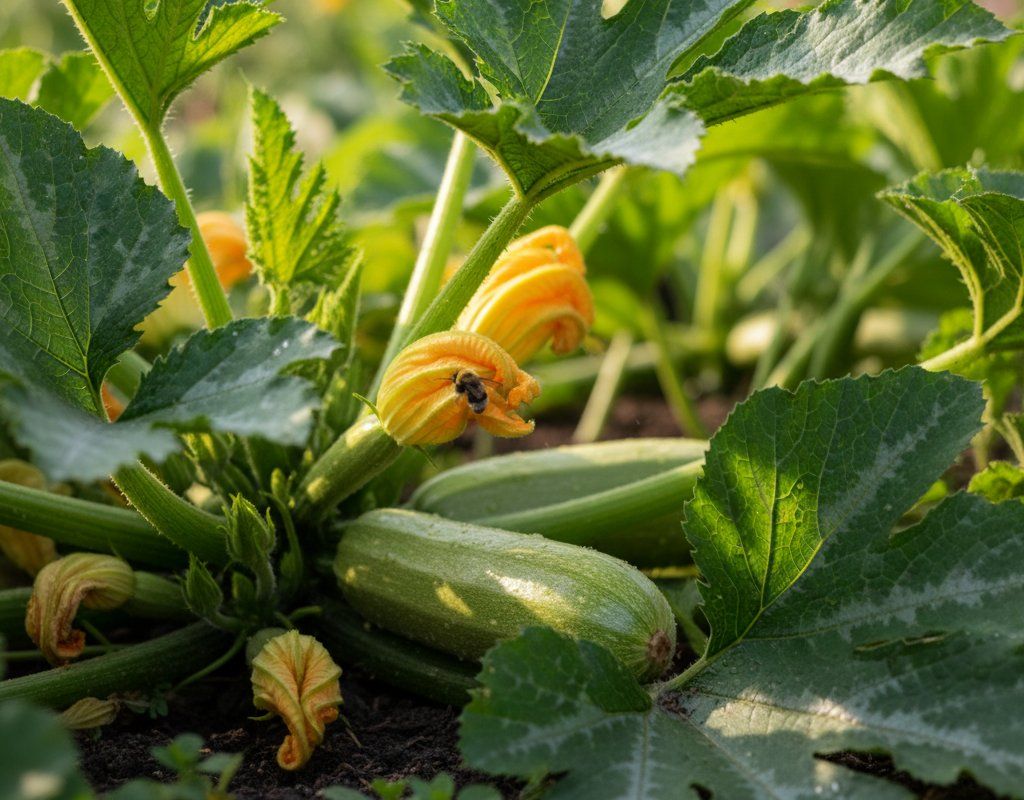
Zucchini in Zone 3B — Mountain West
Cucurbita pepo · Your Complete 2026 Planting Guide
Planning Ahead — Great!
You’re ahead of the season. Here’s when to start.
Mark Your Calendar
How to Plant Zucchini in Zone 3B — Mountain West
Here are all your options for getting zucchini in the ground, from the easiest method to more advanced approaches.
Direct Sow Seeds
RecommendedEarly June through early July
around June 1
Direct sow as soon as conditions allow.
Zucchini grows so fast that direct sowing is usually easiest.
Buy Starts
Works WellEarly June through early July
around June 8
Plant purchased starts after last frost (May 25).
Start Seeds Indoors
Works WellMid May through early June
around May 18
Then transplant: Early June through early July
Start seeds 3-5 weeks before transplanting outdoors.
Only start indoors if you want earlier harvest. Don't start too early.
Transplant Outdoors
Timing InfoEarly June through early July
around June 8
Wait until nighttime temperatures stay above 50°F.
You have a nice window — no need to rush.
Overview
Zucchini brings incredible versatility to your Mountain West garden, thriving in our intense high-altitude sun while producing abundantly through our brief but productive growing season. The combination of cool nights and bright days creates zucchini with exceptional flavor and firm texture – far superior to the watery grocery store versions that travel here from lower elevations. You'll harvest enough from just two plants to supply your kitchen with fresh zucchini, plus plenty for neighbors, zucchini bread, and preserving.
Our 108-day growing season and early September frosts mean timing is everything with this frost-tender crop, but don't let that intimidate you. Zucchini grows remarkably fast in our intense Mountain sun, going from seed to harvest in just 50 days. The key is waiting until our soils warm reliably in early June, then enjoying the rapid summer growth that our climate delivers.
Starting Seeds Indoors
Starting zucchini seeds indoors makes sense only if you're eager for the earliest possible harvest in our short season. Begin seeds mid-May through early June, about three weeks before you plan to transplant outdoors. Set up seed trays in a warm spot (70-80°F) with good light – a south-facing window or grow lights work well in our late Mountain springs.
Use bottom watering to keep seedlings healthy without encouraging damping-off disease. Fill a tray with water and let the seed cells soak it up from below. This method works especially well in our dry air, which can quickly dehydrate surface-watered seedlings.
Honestly, zucchini grows so fast once our soil warms that indoor starting often isn't worth the effort. Direct-sown seeds frequently catch up to transplants within weeks, and you avoid transplant shock altogether. Consider indoor starting only if you have a very short season or want zucchini ready for specific summer events.
Transplanting Outdoors
Transplant zucchini seedlings outdoors from early June through early July, once nighttime temperatures consistently stay above 50°F. Our Mountain nights can still dip surprisingly cool even in early summer, so wait for stable weather patterns before moving tender seedlings outside.
Harden off seedlings gradually over a full week before transplanting. Start with just an hour of morning sun, then increase exposure daily until they're spending full days outdoors. Our intense UV and dramatic day-night temperature swings can shock unhardened plants, stunting growth for the entire season.
Space transplants 36-48 inches apart in full sun locations that receive 6-8 hours of direct light. Choose your most protected spots if possible – areas sheltered from hail and strong afternoon winds. Our alkaline soils benefit from compost worked in before planting, which also helps with drainage during our occasional heavy summer storms.
Direct Sowing
Direct sowing is the best approach for zucchini in our Mountain climate, eliminating transplant shock while taking advantage of our rapidly warming June soils. Sow seeds from early June through early July, once soil temperature reaches at least 65°F and nighttime air temperatures stay consistently above 50°F.
Prepare your planting area by working compost into our typically alkaline soil, creating small hills or mounds about 6 inches high for better drainage. Plant 2-3 seeds per hill, spacing hills 36-48 inches apart. Our intense sun means zucchini needs room for good air circulation, especially important in preventing powdery mildew in our dry climate.
Cover newly planted seeds with row cover or clear plastic jugs if cool nights threaten – even mid-June can surprise us with unexpected temperature drops. Remove covers once plants are established and true leaves appear. Seeds germinate quickly in our warm days, often within a week, and plants grow rapidly once established in our high-altitude conditions.
Watering Zucchini in Zone 3B (Mountain West)
Zucchini demands consistent, deep watering throughout our dry Mountain summers, requiring about 1-2 inches per week including any rainfall we receive. In our typical 10-20 inch annual precipitation climate, plan on supplemental watering most of the season. Our low humidity means soil moisture evaporates quickly, especially in the heat-absorbing raised beds many of us use.
Water deeply at the base of plants rather than overhead, which becomes crucial in our dry air conditions where wet leaves can actually promote powdery mildew. Use the finger test – stick your finger 2 inches into the soil near the plant base. If it's dry at that depth, it's time to water. Our intense UV and moderate summer temperatures (typically reaching 85°F) create steady water demand without the extreme stress seen in hotter climates.
Apply 2-3 inches of mulch around plants to conserve moisture and moderate soil temperature swings. Grass clippings, straw, or shredded leaves work well in our conditions. Watch for wilting during our hottest afternoon hours – temporary wilting is normal, but plants should recover by evening. Persistent wilting indicates water stress that can trigger blossom end rot.
Overwatering shows up as yellowing lower leaves and reduced flowering, while underwatering causes poor fruit development and increases susceptibility to pests like squash vine borers. Consistent moisture is especially critical during fruit development – irregular watering is the primary cause of blossom end rot in our climate.
🧪Fertilizing Zucchini
Feeding Schedule
Organic Fertilizer Options
Harvest Time
Your first zucchini harvest typically begins in late July through early August, about 50 days after planting in our Mountain conditions. Our combination of intense sunlight and cool nights produces exceptionally flavorful zucchini with firm texture – you'll notice the difference immediately when compared to store-bought options.
Harvest zucchini when fruits reach 6-8 inches long for the best eating quality. Check plants daily once production begins because zucchini grows incredibly fast in our high-altitude sun – a 6-inch fruit can become an oversized, spongy baseball bat overnight. Cut fruits with a sharp knife rather than pulling, leaving about an inch of stem attached to prevent damage to the main plant.
Regular harvesting encourages continued production throughout our growing season. Remove any oversized fruits even if you can't use them, as leaving large zucchini on the plant signals it to stop producing new flowers. The plants will keep producing until our first frost arrives in early September, giving you 6-8 weeks of steady harvest.
As September approaches and frost threatens, harvest all remaining fruits regardless of size. Green, immature zucchini won't ripen after harvest, but small ones are tender and delicious. Cover plants with row cover or old sheets if light frost is predicted – you can often extend harvest a week or two past the first light freeze.
Common Problems in Zone 3B (Mountain West)
Squash Vine Borers Look for sudden wilting of entire vines or sections, even when soil is moist, along with sawdust-like frass around the base of stems. If you slice open affected stems, you'll find fat, white grubs tunneling through the interior. These are larvae of a clearwing moth that targets the base of squash stems, cutting off water and nutrient flow to the entire plant.
Our relatively short season actually helps with vine borer management since the moth's flight period often coincides with our late planting window. Delay planting until early June to avoid the first generation of moths. Wrap the base of stems with aluminum foil once plants are established, or use row covers during the moth flight period (typically mid-June). If you catch an infestation early, inject Bt (Bacillus thuringiensis) directly into stem holes.
Powdery Mildew This appears as white or grayish powdery coating on leaves, stems, and sometimes fruit. Leaves eventually curl, yellow, and die back, reducing plant vigor significantly. Counterintuitively, our dry Mountain air can actually favor powdery mildew development – this fungus thrives on dry leaf surfaces, unlike most plant diseases.
Our cool nights combined with warm days create ideal conditions for powdery mildew. Improve air circulation by spacing plants adequately (36-48 inches apart) and removing lower leaves that touch the soil. Spray with neem oil, potassium bicarbonate, or surprisingly effective milk spray (1 part milk to 9 parts water). Remove affected leaves promptly and dispose of them away from the garden.
Blossom End Rot You'll see sunken, dark brown or black leathery patches on the bottom (blossom end) of developing fruits. This typically affects the first fruits of the season and looks like a disease but is actually a calcium deficiency caused by inconsistent watering patterns.
Our dry climate makes consistent watering challenging, leading to drought-flood cycles that prevent proper calcium uptake. The single most effective fix is maintaining even soil moisture through deep, regular watering and heavy mulching. Our alkaline soils usually contain adequate calcium, so the problem is uptake, not availability. Avoid over-fertilizing with nitrogen, which can interfere with calcium absorption.
Mountain West Specific Challenges Our intense UV can stress plants if they're not properly established, while sudden afternoon thunderstorms followed by dry periods create the inconsistent moisture conditions that trigger many zucchini problems. The combination of cool nights and warm days, while great for flavor, creates perfect conditions for powdery mildew. Plan for adequate spacing and consistent watering to work with our unique high-altitude growing conditions.
Best Companions for Zucchini
Plant these nearby for healthier Zucchini and better harvests.


Keep Away From
Companion Planting Details
Plant zucchini with corn and beans for a productive three-sisters arrangement – the corn provides some afternoon shade protection from our intense UV, while beans fix nitrogen that benefits the heavy-feeding zucchini. Radishes planted around the edges help deter cucumber beetles and squash bugs while making efficient use of space in our short growing season. Mint planted nearby (in containers to prevent spreading) repels ants and various pests while thriving in our cool nights and intense sun.
Avoid planting zucchini near potatoes, which compete for similar nutrients and can harbor similar pests like Colorado potato beetles that sometimes cross over to squash family plants. In our alkaline soils, both crops also prefer similar soil amendments, so separating them prevents resource competition. Keep zucchini away from shallow-rooted crops that might compete for the consistent surface moisture zucchini requires in our dry climate.
🌸Best Flowers to Plant with Zucchini
These flowers protect your Zucchini from pests and attract pollinators for better harvests.
For Pest Control








Get a Reminder When It's Time to Plant
We'll email you when key planting windows open for your zone.