
Cucumber in Zone 3B — Midwest
Cucumis sativus · Your Complete 2026 Planting Guide
Planning Ahead — Great!
You’re ahead of the season. Here’s when to start.
Mark Your Calendar
How to Plant Cucumber in Zone 3B — Midwest
Here are all your options for getting cucumber in the ground, from the easiest method to more advanced approaches.
Direct Sow Seeds
RecommendedLate May through early July
around May 27
Consider succession planting every 2-3 weeks for continuous harvest.
Direct sowing is easiest. Start indoors only if you need a head start.
Buy Starts
Works WellEarly June through early July
around June 3
Plant purchased starts after last frost (May 20).
Start Seeds Indoors
Works WellEarly to late May
around May 13
Then transplant: Early June through early July
Start seeds 3-5 weeks before transplanting outdoors.
Start only 3 weeks before transplant — cucumbers grow fast and get rootbound.
Transplant Outdoors
Timing InfoEarly June through early July
around June 3
Wait until nighttime temperatures stay above 50°F.
You have a nice window — no need to rush.
Overview
Fresh cucumbers from your own garden taste nothing like those waxy supermarket specimens — they're crisp, flavorful, and incredibly satisfying to harvest throughout our warm Midwest summers. These vigorous vines produce heavily in our fertile soil and thrive in the summer heat, making them perfect for fresh eating, pickling, or sharing with neighbors. With adequate water and space, you'll have more cucumbers than you know what to do with from late July through our first frost.
While our variable spring weather and short growing season might seem challenging for heat-loving cucumbers, the timing actually works beautifully in Zone 3B. Our 118-day growing season gives cucumbers plenty of time to mature, and by waiting until the soil warms properly, you'll avoid the setbacks that come with rushing the season. The key is patience in spring and consistent care through those summer heat spells.
Starting Seeds Indoors
Starting cucumber seeds indoors makes sense only if you want the earliest possible harvest or need to maximize your short season. Since cucumbers are fast-growing and prefer direct sowing, indoor starting isn't essential but can give you a 2-3 week head start. Begin seeds in early to late May, about 3 weeks before your planned transplant date.
Use seed trays or individual pots in a warm spot — cucumbers need soil temperatures around 70-75°F to germinate well. Bottom watering works best to prevent damping-off and keeps seedlings sturdy. Our moderate-to-late spring start means you won't be starting these as early as gardeners in warmer zones, but that's actually perfect timing for our climate.
Keep indoor starts to just 3 weeks max before transplanting. Cucumbers grow fast and become rootbound quickly, which stresses them and reduces production. If your seedlings get leggy or pot-bound, they'll struggle more than direct-sown plants once moved outdoors.
Transplanting Outdoors
Move indoor-started cucumber seedlings outdoors from early June through early July, once soil temperatures stay consistently above 60°F and nighttime temps don't drop below 50°F. In our Midwest climate, this timing avoids both late frost and the stress of transplanting during summer heat spells. Harden off seedlings gradually over a week with increasing outdoor exposure.
Space transplants 36-60 inches apart depending on your variety and whether you're using supports. Slicing cucumbers need more room than compact pickling types. Dig holes slightly larger than the root ball and plant at the same depth they were growing in containers.
Watch weather forecasts carefully during transplant season — our variable spring can still surprise you with a cold snap even in early June. Have row covers ready for unexpected temperature drops, and be prepared to provide some shade if a sudden heat wave hits newly transplanted seedlings.
Direct Sowing
Direct sowing is the easiest and most reliable method for cucumbers in our Midwest gardens. Sow seeds from late May through early July once soil temperatures reach 65-70°F consistently. Wait until after Memorial Day as a general rule — rushing the season with cool soil leads to poor germination and weak plants. You have about a 6-week window for successive plantings.
Prepare your planting area by working compost into the soil, especially important if you're dealing with heavy Midwest clay. Plant seeds 1 inch deep and space them 36-60 inches apart, or plant in hills with 3-4 seeds per hill spaced 3-4 feet apart. Our fertile soil gives cucumbers everything they need, but good drainage is crucial.
Direct-sown cucumbers establish quickly and often outperform transplants since they avoid transplant shock. The warm soil and increasing day length of late spring give them ideal conditions to take off. Even July plantings will produce well before our mid-September first frost, giving you fresh cucumbers for late summer meals.
Watering Cucumber in Zone 3B (Midwest)
Cucumbers are 95% water, so consistent moisture is absolutely critical for quality fruit and heavy production. In our Midwest climate with moderate-to-humid summers, you'll typically need to provide 1-2 inches of water per week, including rainfall. During summer heat spells when temperatures push into the 90s, increase watering frequency but keep the amounts consistent.
Use the finger test — stick your finger 2 inches into the soil near the base of plants. If it's dry at that depth, it's time to water. Water deeply at the base rather than overhead, especially during our humid periods when wet foliage can encourage powdery mildew. Early morning watering allows leaves to dry quickly if they do get wet.
Uneven watering is the main cause of bitter cucumbers, so consistency matters more than total amount. A soaker hose or drip irrigation works perfectly for maintaining steady soil moisture. During our typical wet summers, you might not need much supplemental watering until mid-to-late July when heat and plant size increase water demands.
Apply 2-3 inches of organic mulch around plants to retain moisture and keep soil temperatures even. Our clay soil holds moisture well once established, but the mulch prevents the surface from forming a crust during drying cycles and helps moderate temperature swings during summer heat spells.
Supporting Your Cucumber
Trellising cucumbers is one of the best investments you can make in your Midwest garden. Vertical growing saves space, improves air circulation (crucial during our humid summers), produces straighter fruit, and makes harvesting much easier. A sturdy trellis also helps during severe weather by giving plants something to anchor against.
Install supports at planting time — trying to add them later disturbs established root systems. Use a trellis, fence, or strong stakes with netting that can handle 20-30 pounds of mature vines and fruit. Position supports on the north side of plants so they don't shade other crops as vines climb.
Train young vines to climb by gently weaving them through supports or tying them loosely with soft cloth strips. Cucumbers have tendrils that grab onto supports naturally, but they need initial guidance. Check weekly and redirect growth as needed — vines can take off quickly during our summer heat and may need frequent training.
🧪Fertilizing Cucumber
Feeding Schedule
Organic Fertilizer Options
Harvest Time
Your first cucumbers will be ready from late July through mid-September, about 55 days from seeding. The exact timing depends on variety and when you planted, but most Midwest gardeners see their first harvest in early August from late May sowings. Summer heat spells can accelerate ripening, so check plants daily once fruit starts forming.
Harvest cucumbers when they're firm, dark green, and have reached the appropriate size for your variety — usually 6-8 inches for slicers and 3-4 inches for picklers. The skin should have a slight gloss and give slightly to pressure. Harvest before the skin turns yellow or develops a waxy appearance, which indicates overripeness and bitter flavor.
Cut or twist fruit from the vine rather than pulling, which can damage the plant. Harvest every 2-3 days during peak production — missing even a few days can result in oversized, seedy fruit that signals the plant to stop producing. Regular picking encourages continuous flowering and fruit set through late summer.
As our first frost approaches in mid-September, harvest all remaining fruit regardless of size. Green tomatoes can ripen indoors, but cucumbers won't improve after picking. Use small or imperfect cucumbers for relish or quick pickles rather than letting them go to waste.
Common Problems in Zone 3B (Midwest)
Powdery Mildew White or grayish powdery coating appears on leaves, stems, and sometimes fruit. Leaves curl, turn yellow, and eventually die back. Plants look dusted with flour, starting on older leaves and spreading upward. This fungal disease thrives in our Midwest conditions of warm days, cool nights, and moderate humidity. Improve air circulation through proper spacing and pruning lower leaves. Remove affected foliage immediately. Neem oil or potassium bicarbonate sprays help control spread. Surprisingly, milk spray (1 part milk to 9 parts water) is quite effective — apply weekly as prevention.
Cucumber Beetles Small yellow-green beetles with black spots or stripes feed on leaves and flowers, creating small holes throughout the foliage. More seriously, these beetles transmit bacterial wilt disease that causes plants to wilt suddenly and die. The striped cucumber beetle is most common in our area. Use row covers until flowering begins, then remove for pollination. Hand-pick beetles in early morning when they're sluggish. Yellow sticky traps help monitor and catch adults. Neem oil or pyrethrin spray provides organic control, but reapply after rain.
Bitter Fruit Cucumbers taste bitter, especially near the stem end, even though they look normal. This happens when plants produce excess cucurbitacin, a natural compound that increases under stress. Water stress, temperature extremes, and uneven watering are the main culprits in our climate. Maintain consistent soil moisture — never let plants wilt. During summer heat spells, provide afternoon shade if possible. Harvest regularly since oversized fruit becomes increasingly bitter. Choose 'burpless' varieties which have been bred for lower cucurbitacin levels.
Midwest Specific Challenges: Our moderate-to-humid summers create perfect conditions for foliar diseases like powdery mildew, while temperature swings stress plants and increase bitterness. The combination of wet-summer rainfall followed by heat spells means you'll need to balance consistent watering with good drainage and air circulation.
Best Companions for Cucumber
Plant these nearby for healthier Cucumber and better harvests.

Keep Away From
Companion Planting Details
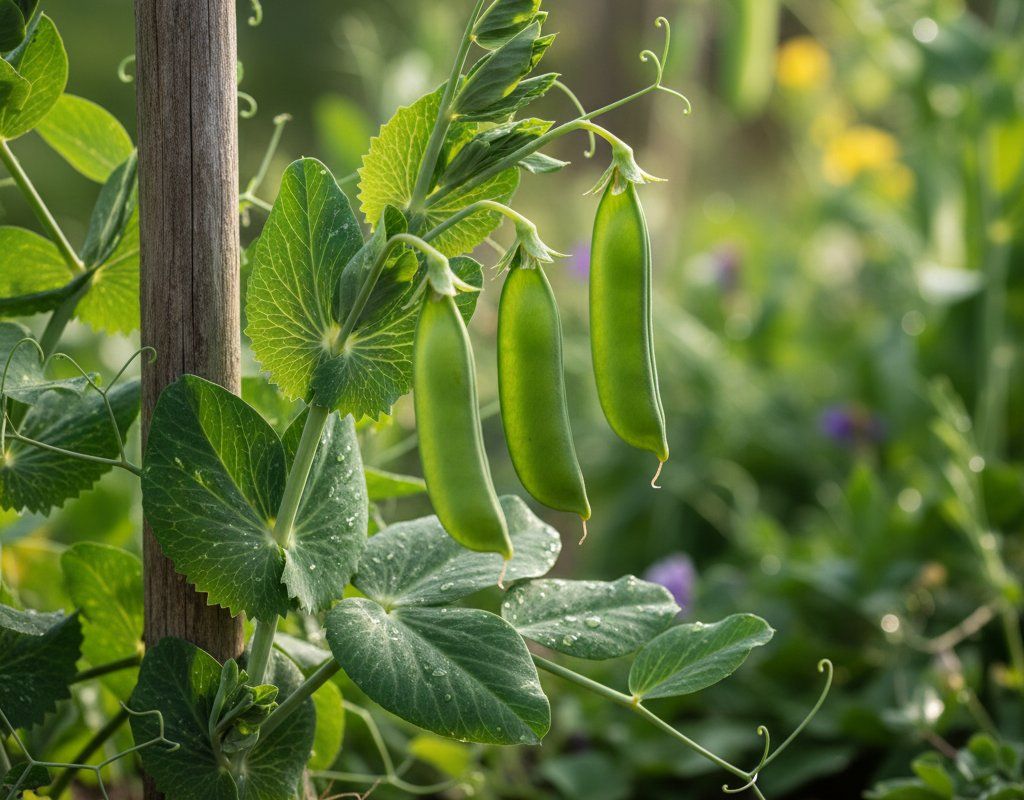
Plant cucumbers with beans, corn, or sunflowers for natural trellising — the tall plants provide climbing support while cucumbers shade the soil and retain moisture for shallow-rooted companions. Radishes planted nearby help deter cucumber beetles and mature quickly before cucumber vines spread. Bush peas work well as early-season companions since they fix nitrogen and finish producing before cucumbers need full space.
Avoid planting cucumbers near potatoes, which compete for similar nutrients and can harbor diseases that affect cucumber family plants. Strong-scented herbs like sage or oregano can actually inhibit cucumber growth and flavor development. In our fertile Midwest soil, focus on companions that provide physical support or pest deterrence rather than trying to boost soil nutrition, which cucumbers rarely need here.
🌸Best Flowers to Plant with Cucumber
These flowers protect your Cucumber from pests and attract pollinators for better harvests.
For Pest Control







Get a Reminder When It's Time to Plant
We'll email you when key planting windows open for your zone.