
Yarrow in Zone 3B — Midwest
Achillea millefolium · Your Complete 2026 Planting Guide
Ideal Time: Start Seeds Indoors!
This is the perfect time for the biggest, best harvest.
Start Seeds Now
- Start seeds in trays or pots with seed-starting mix
- Keep soil moist and warm (70-80°F)
- Transplant outdoors Early May through early June
Not Starting from Seed?
Buy starts around May 6 — that works great too!
How to Plant Yarrow in Zone 3B — Midwest
Here are all your options for getting yarrow in the ground, from the easiest method to more advanced approaches.
Buy Starts
RecommendedEarly May through early June
around May 6
Plant purchased starts after last frost (May 20).
Perennial. Buy starts for flowers the first year.
Start Seeds Indoors
Works WellEarly to late March
around March 11
Then transplant: Early May through early June
Start seeds 8-10 weeks before transplanting outdoors.
Direct Sow Seeds
Works WellMid May through late June
around May 20
Consider succession planting every 2-3 weeks for continuous harvest.
Transplant Outdoors
Timing InfoEarly May through early June
around May 6
Can tolerate light frost, but wait for soil to be workable.
You have a nice window — no need to rush.
Overview
Yarrow is a fantastic addition to any Midwest garden. Its feathery foliage and clusters of colorful flowers add beauty, and it's incredibly versatile – use it in bouquets, dried arrangements, or even for medicinal purposes. Plus, it's a pollinator magnet, drawing beneficial insects to your garden, which is a huge win in our fertile soil and moderate-to-hot summers.
Our Midwest weather can be unpredictable, with cold winters and the occasional summer heat spell, but Yarrow is one tough cookie. With proper timing, you can easily grow this beauty within our 118-day growing season.
Starting Seeds Indoors
Starting Yarrow indoors gives you a head start, especially if you're after blooms in the first year. Begin in early to late March, about 8 weeks before you plan to transplant outdoors. This helps you beat the rush of spring and get a jump on our moderate-to-late spring.
Use seed trays with a good seed-starting mix, and keep them warm (around 70°F) and well-lit. Bottom watering is key to prevent damping off – just set the tray in a shallow dish of water until the soil surface is moist. Once seedlings emerge, make sure they get plenty of light to prevent legginess; a grow light works wonders.
Transplanting Outdoors
Transplant your Yarrow seedlings outdoors from early May through early June, after the risk of frost has passed. This gives them plenty of time to establish before our summer heat spells hit. Be sure to harden them off for about a week before planting, gradually exposing them to outdoor conditions.
Space the plants 12-18 inches apart in a sunny spot with well-drained soil. Our fertile soil is great, but Yarrow doesn't need much. Weather in early May can still be variable in the Midwest, so keep an eye out for late frost warnings and be ready to cover your transplants if needed. If you want flowers the first year, buying starts is your best bet.
Direct Sowing
Direct sowing Yarrow is a simple option, though you might not see blooms until the second year. Sow seeds mid May through late June, once the soil has warmed up a bit. This timing avoids any late frosts and gives the seeds the warmth they need to germinate.
Prepare the soil by loosening it and removing any weeds. Scatter the seeds thinly over the surface and gently press them into the soil. Keep the soil consistently moist until the seedlings emerge. Thin the seedlings to 12-18 inches apart as they grow.
Watering Yarrow in Zone 3B (Midwest)
Yarrow is incredibly drought-tolerant once established, making it perfect for our Midwest summers. While we get a decent amount of rainfall (30-40 inches annually), there can be dry spells, especially during the moderate-to-hot summer months.
During the first few weeks after planting, water regularly to help the plants establish strong roots. After that, ease up on the watering. A good rule of thumb is to check the soil moisture about 2 inches deep – if it's dry, it's time to water. Aim for about an inch of water per week, either from rainfall or irrigation.
Water at the base of the plants to avoid wetting the foliage, as our moderate-to-humid conditions can encourage fungal diseases. Overwatering can lead to floppy growth and root rot, so err on the side of caution. Signs of underwatering include wilting leaves and stunted growth. A layer of mulch around the base of the plants can help retain moisture and suppress weeds.
Pruning & Maintaining Yarrow
Pruning Yarrow is simple and helps keep it looking its best. Deadhead spent flowers regularly throughout the growing season to encourage more blooms. Just snip off the flower heads below the lowest set of petals.
In the fall, after the first frost around mid- September, cut the plants back to their basal foliage (the leaves at the base of the plant). This helps tidy up the garden and prepares the plants for winter. Yarrow can be aggressive, so divide the plants every 2-3 years to keep them from spreading too much.
🧪Fertilizing Yarrow
Feeding Schedule
Organic Fertilizer Options
Harvest Time
You can expect your first Yarrow harvest from late July through late September, about 65 days after planting. The flowers are ready to harvest when they are fully open and their color is at its peak. These flowers make excellent dried flowers.
To harvest, simply cut the stems with sharp scissors or pruners, leaving several inches of stem on the plant to encourage continued production. Harvest in the morning after the dew has dried for the best results.
Keep harvesting throughout the season to encourage more blooms. As the first frost approaches in mid- September, harvest any remaining flowers for drying.
Common Problems in Zone 3B (Midwest)
Here are a few common problems you might encounter with Yarrow in the Midwest:
Spreading Aggressively
- What it looks like: Yarrow can quickly spread via rhizomes, popping up in unwanted areas of your garden.
- What causes it: Our fertile soil and adequate rainfall provide ideal conditions for Yarrow to thrive and spread.
- How to fix/prevent it: Plant Yarrow in a contained area, such as a raised bed or surrounded by edging. Divide the plants every 2-3 years to control their spread. Remove unwanted shoots as they appear.
Powdery Mildew
- What it looks like: White or grayish powdery coating on leaves, stems, and sometimes flower heads. Leaves may curl, yellow, and eventually die.
- What causes it: Powdery mildew thrives in warm days, cool nights, and moderate humidity – conditions we often see in the Midwest. Dry leaf surfaces actually favor it.
- How to fix/prevent it: Improve air circulation by spacing plants adequately and pruning to remove crowded growth. Remove affected leaves promptly. Neem oil or potassium bicarbonate sprays can help control the spread. Milk spray (1 part milk to 9 parts water) is a surprisingly effective remedy.
Aphids
- What it looks like: Clusters of tiny soft-bodied insects (green, black, or white) on stems and leaf undersides. Sticky honeydew residue. Curled or distorted new growth.
- What causes it: Aphids are sap-sucking insects that reproduce rapidly, especially in warm weather. Ant colonies may farm them for honeydew.
- How to fix/prevent it: Knock aphids off plants with a strong spray of water. Encourage natural predators like ladybugs and lacewings. Insecticidal soap can be used for heavy infestations. Neem oil works systemically. Avoid excess nitrogen fertilizer, as it attracts aphids.
Midwest Specific Challenges: Our moderate-to-hot summers and moderate-to-humid conditions can create an environment where powdery mildew and aphids thrive. Be vigilant in monitoring your plants and take action promptly to prevent these problems from getting out of control.
Best Companions for Yarrow
Plant these nearby for healthier Yarrow and better harvests.
View Full Companion Planting Chart →

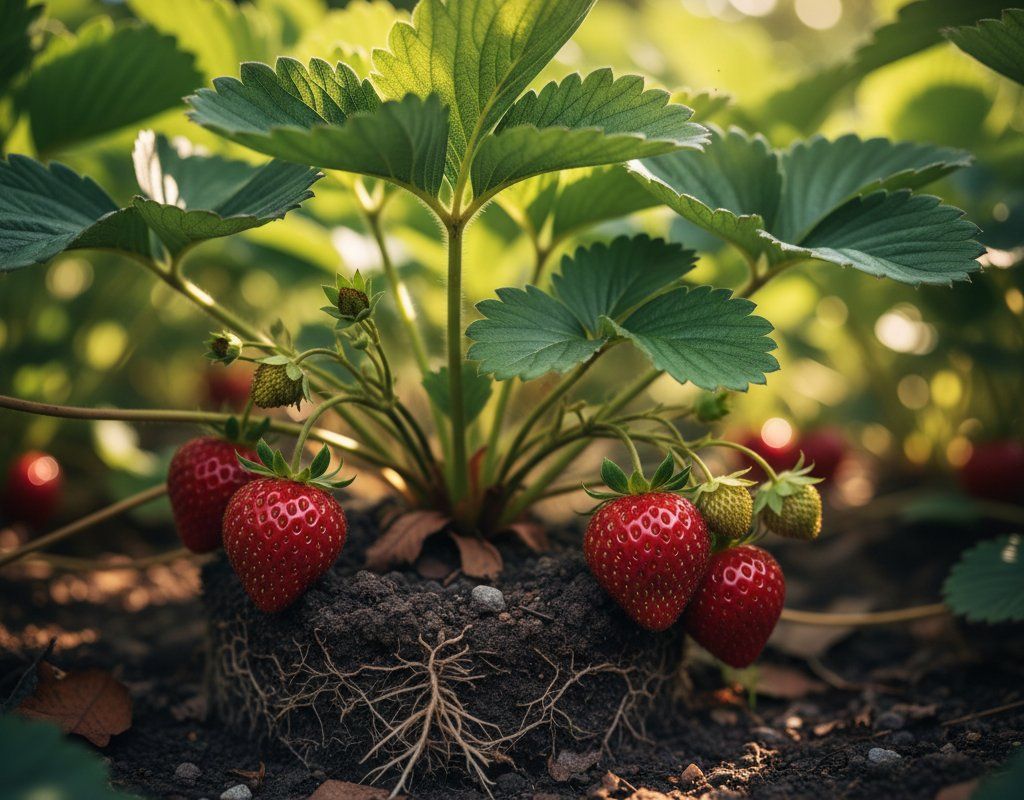
Companion Planting Details
Yarrow is a great companion plant for many vegetables and herbs in the Midwest garden.
Good companions:
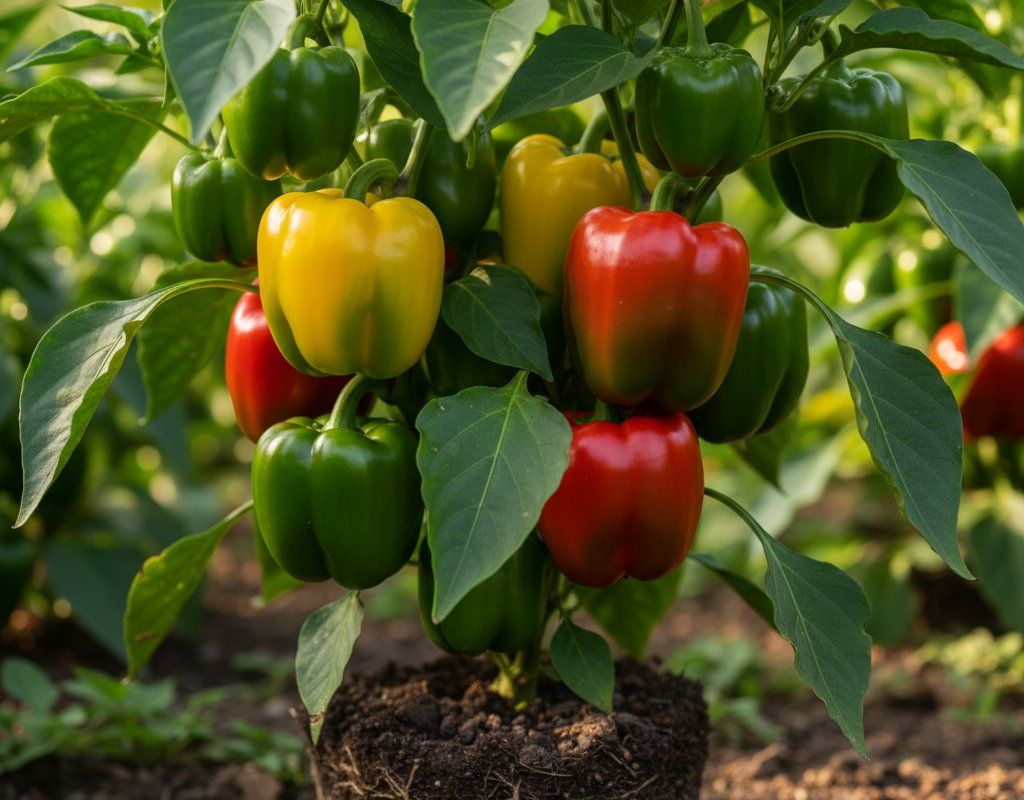
- Tomatoes & Peppers: Yarrow attracts beneficial insects like ladybugs and hoverflies, which prey on aphids and other pests that can damage tomatoes and peppers.
- Herbs: Yarrow is said to enhance the essential oils of herbs like rosemary, thyme, and oregano, improving their flavor and fragrance.
- Strawberries: Yarrow can help deter pests like strawberry root weevils and improve the overall health of strawberry plants.
While Yarrow doesn't have specific "bad companions," it's important to be mindful of its aggressive spreading habit. Avoid planting it too close to delicate or slow-growing plants that could be overwhelmed.
🥬Best Vegetables to Pair With Yarrow
Yarrow benefits these vegetables through pest control, pollinator attraction, or improved garden health.





Get a Reminder When It's Time to Plant
We'll email you when key planting windows open for your zone.