
Cucumber in Zone 8B — Desert Southwest
Cucumis sativus · Your Complete 2026 Planting Guide
Missed Seed Starting? No Problem!
Wait for starts to become available.
What to Do
Starts will be available at nurseries in 7 days (around March 11).
How to Plant Cucumber in Zone 8B — Desert Southwest
Here are all your options for getting cucumber in the ground, from the easiest method to more advanced approaches.
Direct Sow Seeds
RecommendedEarly March through late September
around March 4
Consider succession planting every 2-3 weeks for continuous harvest.
Direct sowing is easiest. Start indoors only if you need a head start.
Buy Starts
Works WellMid March through early April
around March 11
Plant purchased starts after last frost (February 25).
Start Seeds Indoors
Works WellMid February through early March
around February 18
Then transplant: Mid March through early April
Start seeds 3-5 weeks before transplanting outdoors.
Start only 3 weeks before transplant — cucumbers grow fast and get rootbound.
Transplant Outdoors
Timing InfoMid March through early April
around March 11
Wait until nighttime temperatures stay above 50°F.
You have a nice window — no need to rush.
Overview
Cucumbers thrive in our Desert Southwest climate when you time them right, delivering crisp, cooling satisfaction during our intense heat. With our 279-day growing season, you can grow cucumbers through two distinct windows — spring plantings for early summer harvest, and fall plantings that produce through our mild winters. Fresh cucumbers from your garden taste nothing like the watery store versions, and in our arid climate, their high water content makes them especially refreshing.
Our extreme heat and low humidity can stress cucumber plants, but smart timing and consistent watering make success very achievable. The key is working with our two growing seasons rather than fighting the summer survival period — plant early spring for summer harvest, then again in fall for winter production.
Starting Seeds Indoors
Starting cucumber seeds indoors gives you a 3-week head start on the season, but it's not essential in our very-early spring climate. If you choose this route, start seeds mid-February through early March, about 3 weeks before your planned transplant date. Use seed trays with good drainage and keep soil temperature around 70-80°F — a heat mat helps in our cooler February nights.
Bottom water your seedlings to prevent damping off and encourage deep root development. Cucumbers grow fast and hate being rootbound, so transplant within 3 weeks of germination. Most Desert Southwest gardeners find direct sowing easier and more reliable, but indoor starting works if you want cucumbers as early as possible.
Transplanting Outdoors
Transplant cucumber seedlings outdoors mid-March through early April, after nighttime temperatures consistently stay above 60°F. Our spring weather can still bring temperature swings, so harden off seedlings gradually over a week — start with 2-3 hours of morning sun, increasing daily.
Space transplants 36-60 inches apart depending on whether you're trellising (closer spacing) or letting them sprawl (wider spacing). Plant after any risk of late cold snaps has passed. Our desert soils warm quickly in March, but check that soil temperature is at least 65°F before transplanting. Protect young plants with shade cloth if daytime temperatures spike above 85°F immediately after transplanting.
Direct Sowing
Direct sowing is the recommended method for cucumbers in the Desert Southwest — they germinate quickly and don't suffer transplant shock. Sow seeds early March through late September, giving you two distinct growing windows. For spring planting, sow as soon as soil temperature reaches 65°F, typically by early March. For fall planting, start in late August through September for winter harvest.
Plant seeds 1 inch deep and space them 36-60 inches apart, depending on your growing method. In our alkaline soils, add compost to improve drainage and provide some acidity. Seeds germinate in 7-10 days in warm soil. For fall plantings, the soil stays warm well into October, so germination remains quick even with later sowings.
Fall direct-sown cucumbers often outperform spring plantings since they mature during our mild winter weather rather than struggling through extreme summer heat.
Watering Cucumber in Zone 8B (Desert Southwest)
Cucumbers are 95% water and need consistent, deep irrigation — especially critical in our arid Desert Southwest climate. During spring growth, provide 1-2 inches per week through deep watering sessions. Once extreme heat arrives (typically May), increase to 2-3 inches weekly, watering every other day rather than daily shallow drinks.
Use the finger test regularly — soil should feel moist 2 inches down but not waterlogged. In our low humidity climate, plants lose water rapidly through their leaves, so consistent soil moisture prevents the drought stress that causes bitter fruit. Water at the base of plants rather than overhead to reduce evaporation and keep foliage dry.
During monsoon season, reduce supplemental watering but don't stop completely — our clay soils shed water quickly, and cucumber roots need steady moisture even when surface soil looks wet. A 2-3 inch layer of organic mulch helps retain soil moisture and keeps roots cooler during extreme heat periods.
Watch for signs of stress: wilting during hot afternoons (normal), drooping that doesn't recover by evening (underwatered), or yellowing lower leaves (overwatering). Drought-stressed cucumbers produce bitter, misshapen fruit that won't improve with better watering later.
Supporting Your Cucumber
Install trellises or cages at planting time since cucumber vines grow rapidly and become heavy with fruit. A 6-foot trellis works well — cucumbers can climb 8-10 feet but become harder to harvest at that height. Trellising saves space, improves air circulation (important in our low humidity), and produces straighter fruit that's easier to harvest.
Use soft ties or plant clips to train vines onto supports weekly. In our strong desert winds, secure trellises firmly — cucumber-laden vines can catch wind and topple unstable supports. You can also grow cucumbers on the ground, but they'll need more space (5-6 feet per plant) and fruit may develop flat spots where they touch soil.
For fall plantings, lower trellises or cages work fine since plants won't grow as vigorously in cooler weather. The improved air circulation from vertical growing helps prevent powdery mildew during our humid monsoon period.
🧪Fertilizing Cucumber
Feeding Schedule
Organic Fertilizer Options
Harvest Time
First cucumbers appear 55 days after planting, typically late April for spring sowings and late October for fall plantings. In the Desert Southwest, you'll harvest continuously from late April through early December if you plant both seasons. Pick cucumbers when they're firm, dark green, and reach the expected size for your variety — usually 6-8 inches for slicing types.
Harvest every 2-3 days once production starts. Overripe cucumbers turn yellow and bitter, and leaving them on the vine stops new fruit production. Cut cucumbers with garden shears rather than pulling them — tugging can damage the vine and reduce future harvests.
During extreme heat periods (typically June through August), production slows significantly. Keep plants watered and they'll resume heavy production when temperatures moderate in fall. Spring-planted vines often produce through September if well-maintained, while fall plantings continue until our first frost in early December.
Check plants daily during peak harvest — cucumbers can size up quickly in our intense sun. Morning harvest gives you crisper fruit since plants are fully hydrated from nighttime watering.
Common Problems in Zone 8B (Desert Southwest)
Powdery Mildew White, dusty coating appears on leaves, stems, and sometimes fruit, starting as small spots that spread rapidly. Leaves yellow, curl, and eventually die back. Unlike most fungal diseases, powdery mildew thrives in our dry desert air, especially during warm days with cool nights. Improve air circulation through proper spacing and prune lower leaves touching the ground. Remove affected foliage immediately. Neem oil sprays work well, or try milk spray (1 part milk to 9 parts water) applied weekly. Plant resistant varieties when possible.
Cucumber Beetles Small yellow-green beetles with black spots or stripes feed on leaves and flowers, creating small holes throughout the foliage. More seriously, they transmit bacterial wilt that causes sudden plant collapse. These beetles love our warm Desert Southwest climate and appear consistently each growing season. Use row covers until flowering begins (remove for pollination). Hand-pick adults in early morning when they're sluggish. Yellow sticky traps help monitor populations. Neem oil or kaolin clay coating deters feeding. Plant radishes nearby as trap crops.
Bitter Fruit Cucumbers taste bitter, especially near the stem end, even though they look normal. This happens when plants produce excess cucurbitacin due to stress — common in our climate with temperature extremes and inconsistent watering. Water consistently and deeply rather than frequent shallow irrigation. Mulch heavily to maintain soil moisture. Harvest regularly before fruits get oversized. Choose bitter-free varieties like 'Sweet Success' or 'Suyo Long' if this is a recurring problem.
Desert Southwest Specific Challenges: Our extreme heat and arid conditions create perfect storms for cucumber stress. The combination of 105°F+ temperatures, low humidity, and alkaline soils means plants work harder to stay hydrated and cool. Monsoon humidity can trigger powdery mildew just when you think you've mastered desert growing. Success comes from consistent deep watering, shade cloth during peak heat, and choosing heat-tolerant varieties.
Best Companions for Cucumber
Plant these nearby for healthier Cucumber and better harvests.


Keep Away From
Companion Planting Details
Plant cucumbers with beans, corn, and peas — the legumes fix nitrogen that cucumber vines love, while corn provides natural trellising and afternoon shade during our intense heat. Radishes planted nearby serve double duty: their quick growth breaks up clay soil for cucumber roots, and they attract cucumber beetles away from your main crop. Sunflowers make excellent companion plants, offering afternoon shade and attracting beneficial insects that prey on cucumber pests.
Avoid planting cucumbers near potatoes, which compete for similar soil nutrients, or aromatic herbs like sage and rosemary. These herbs can inhibit cucumber growth, and in our water-scarce climate, you don't want plants competing unnecessarily. The strong scents may also confuse beneficial pollinators that cucumbers need for fruit set.
🌸Best Flowers to Plant with Cucumber
These flowers protect your Cucumber from pests and attract pollinators for better harvests.
For Pest Control



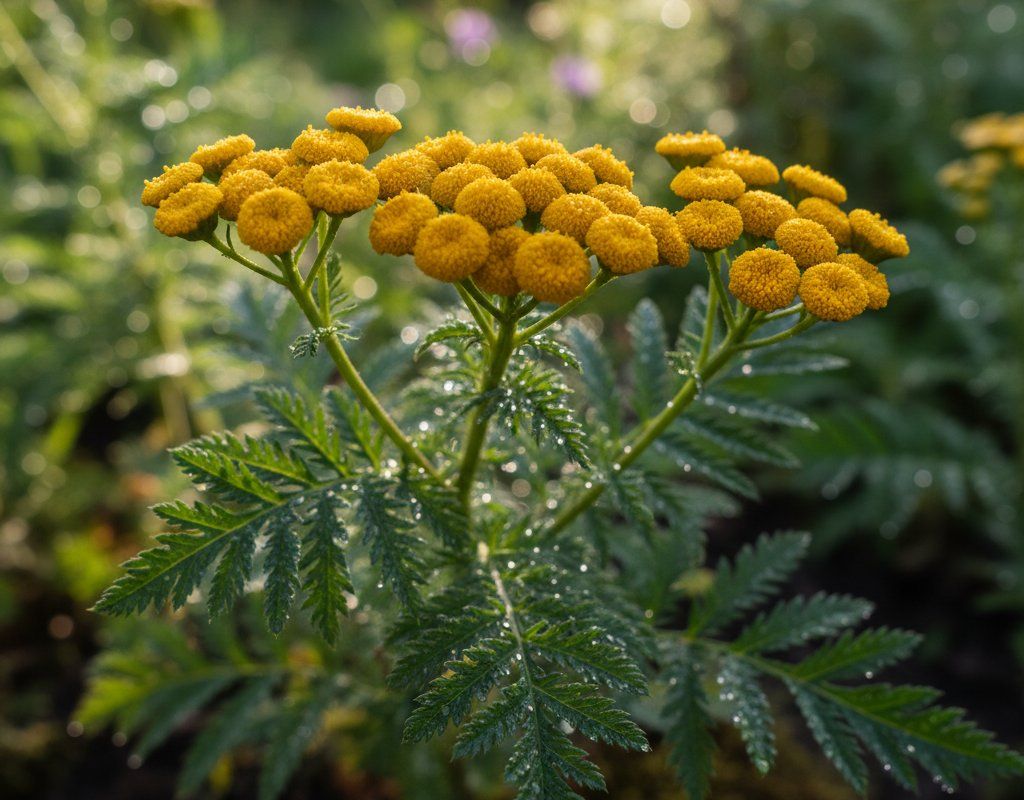


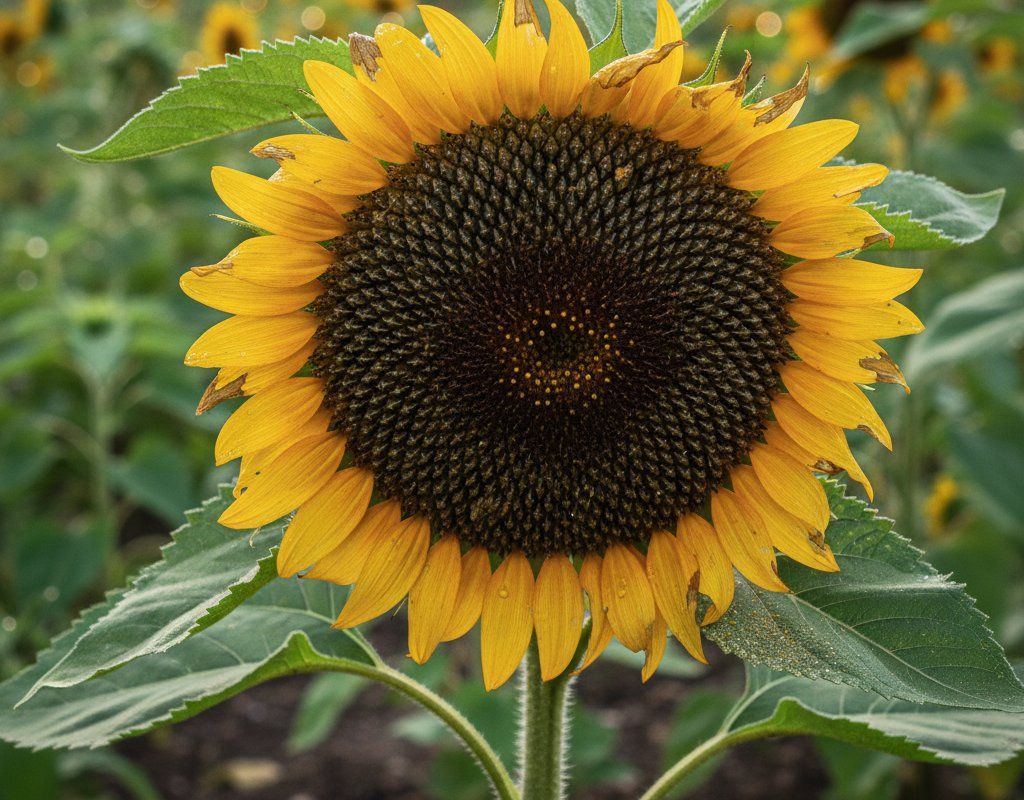

Get a Reminder When It's Time to Plant
We'll email you when key planting windows open for your zone.