
Cucumber in Zone 9B — Southern California
Cucumis sativus · Your Complete 2026 Planting Guide
Time to Buy Starts!
Seed starting window passed, but starts are available now.
Buy Starts Now
Head to your local nursery, Home Depot, or farmers market for transplants.
- Look for stocky plants with dark green leaves
- Avoid leggy seedlings or plants already flowering
- Check that roots aren't circling the pot (rootbound)
How to Plant Cucumber in Zone 9B — Southern California
Here are all your options for getting cucumber in the ground, from the easiest method to more advanced approaches.
Direct Sow Seeds
RecommendedEarly February through mid October
around February 1
Consider succession planting every 2-3 weeks for continuous harvest.
Direct sowing is easiest. Start indoors only if you need a head start.
Buy Starts
Works WellEarly February through early March
around February 8
Plant purchased starts after last frost (January 25).
Start Seeds Indoors
Works WellMid January through early February
around January 18
Then transplant: Early February through early March
Start seeds 3-5 weeks before transplanting outdoors.
Start only 3 weeks before transplant — cucumbers grow fast and get rootbound.
Transplant Outdoors
Timing InfoEarly February through early March
around February 8
Wait until nighttime temperatures stay above 50°F.
You have a nice window — no need to rush.
Overview
Cucumbers are a perfect choice for Southern California gardens, where our long growing season and reliable sunshine create ideal conditions for these heat-loving vines. You can enjoy fresh, crisp cucumbers from your garden for most of the year, avoiding the waxy, flavorless supermarket versions that have traveled thousands of miles. Whether you're growing slicing varieties for salads or pickling types for preserves, cucumbers thrive in our Mediterranean-like climate and reward consistent care with abundant harvests.
Our hot, dry summers and mild winters do present some challenges – cucumbers are water-hungry plants that need consistent moisture to avoid bitter fruit, and our low humidity can stress them during peak heat. However, with proper timing and water management, you can take advantage of our 334-day growing season to grow cucumbers from late winter through early winter, something gardeners in most other regions can only dream of.
Starting Seeds Indoors
Starting cucumber seeds indoors makes sense if you want the earliest possible harvest or if you're trying to get a jump on the season in late January. You can start seeds in mid-January through early February, about three weeks before your planned transplant date. Cucumbers germinate quickly in warm conditions – keep seed trays at 70-80°F and they'll sprout in 3-7 days.
Set up your seedlings with good grow lights or a sunny south-facing window, and water from the bottom to prevent damping-off disease. Our early spring warmth in Southern California means you don't need to start as early as gardeners in colder regions. Keep the timing tight though – cucumbers grow fast and become rootbound if kept in small containers too long.
The main advantage of indoor starting here is getting ahead of the season by a few weeks, but direct sowing works so well in our climate that most SoCal gardeners skip this step entirely.
Transplanting Outdoors
If you've started seeds indoors, you can transplant cucumber seedlings outdoors from early February through early March, once soil temperatures reach at least 60°F consistently. Harden off your seedlings gradually over a week by moving them outside for increasingly longer periods each day – start with a few hours of morning sun and work up to full days outdoors.
Space transplants 36-60 inches apart to allow for their vigorous spreading habit and good air circulation. In our mild winter climate, late February is usually perfect for transplanting, though watch for any unexpected cold snaps that could set back these frost-tender plants.
Handle the root ball gently when transplanting – cucumbers have delicate roots that don't like disturbance. Plant at the same depth they were growing in their containers and water thoroughly to help them establish in their new location.
Direct Sowing
Direct sowing is the recommended method for cucumbers in Southern California since they establish quickly and don't like root disturbance. You have an incredibly long planting window from early February through mid-October, though the best times are early spring and late summer when temperatures are more moderate. Wait until soil temperature reaches at least 60°F consistently – usually by early February in most SoCal locations.
Prepare your soil by working in plenty of compost, as cucumbers are heavy feeders and need well-draining yet moisture-retentive soil. Plant seeds 1/2 to 1 inch deep and space them 36-60 inches apart, or plant in hills with 3-4 seeds per hill spaced 4 feet apart. The wide spacing seems excessive, but cucumber vines spread 6-8 feet and need room for air circulation to prevent disease.
Plant successive crops every 2-3 weeks through spring for continuous harvest, then start again in late August for fall production. Direct-sown seeds will germinate in 5-10 days in warm soil, making this the easiest path to cucumber success in our favorable climate.
Watering Cucumber in Zone 9B (Southern California)
Cucumbers are 95% water, so consistent, deep watering is absolutely critical – especially in our hot, dry Southern California summers. These plants need about 1-2 inches of water per week, but during our inland summer heat when temperatures hit 90°F+, they may need water every other day or even daily. The finger test works perfectly: stick your finger 2 inches into the soil, and if it's dry at that depth, it's time to water.
Water at the base of the plant rather than overhead to keep leaves dry and prevent powdery mildew, which thrives in our warm days and cooler nights. Deep, infrequent watering is better than light, frequent watering – you want to encourage deep root growth that can access moisture during our dry periods. A soaker hose or drip irrigation system works wonderfully for cucumbers and helps comply with water restrictions many SoCal communities face.
Watch for signs of water stress: wilting during the heat of the day is normal, but if plants don't perk up by evening, they need more water. Drought stress is the primary cause of bitter cucumbers, so don't let them dry out completely. Conversely, overwatering shows up as yellowing leaves and poor fruit development.
Mulch around plants with 2-3 inches of straw or compost to retain moisture and reduce watering frequency. This is especially valuable during our fire season when water use may be restricted, and it helps moderate soil temperature during extreme heat events.
Supporting Your Cucumber
Trellising cucumber vines is highly recommended in Southern California gardens, where space is often at a premium and air circulation helps prevent disease problems. Install a sturdy trellis, fence, or cage at planting time – cucumber vines can reach 6-8 feet long and become quite heavy when loaded with fruit. A 6-foot tall structure works well for most varieties.
Train the vines up the support by gently wrapping the main stem around the trellis or tying it loosely with soft plant ties. Cucumbers have tendrils that will grab onto supports, but they may need some initial guidance. Vertical growing produces straighter fruit, makes harvesting easier, and improves air circulation around the plants – important in our sometimes humid coastal areas.
If you have the space, cucumbers can also sprawl on the ground, but trellised plants generally produce cleaner fruit and are less prone to pest and disease issues. The improved air circulation is especially valuable during our marine layer season when humidity can promote fungal problems.
🧪Fertilizing Cucumber
Feeding Schedule
Organic Fertilizer Options
Harvest Time
Your first cucumbers will be ready for harvest from late March through late December, depending on when you planted – about 55 days from seeding for most varieties. Pick cucumbers when they're firm, dark green, and the appropriate size for your variety, usually 6-8 inches for slicing types and 2-4 inches for pickling varieties. The skin should have a slight shine and feel firm when gently squeezed.
Harvest frequently – every day or two during peak season – to keep plants producing. Once cucumbers start turning yellow or become oversized, they're overripe and will be bitter and seedy. Regular picking signals the plant to keep producing more fruit, extending your harvest well into fall and early winter in our mild climate.
Use a sharp knife or pruning shears to cut the stem rather than pulling, which can damage the vine. Check plants carefully as cucumbers can hide under large leaves and grow surprisingly quickly during our warm weather. Even small, overlooked cucumbers can become oversized within a few days.
Your cucumber harvest can potentially continue until the first frost arrives in late December, though production typically slows as temperatures drop and day length decreases. In warmer microclimates or protected areas, you might harvest right through our mild winter.
Common Problems in Zone 9B (Southern California)
Powdery Mildew This appears as white or grayish powdery coating on leaves, stems, and sometimes fruit. Leaves curl, turn yellow, and eventually die, reducing plant vigor and fruit production. In Southern California, powdery mildew is especially problematic because it thrives in our warm days and cooler nights, even with our relatively low humidity. Improve air circulation through proper spacing and remove affected leaves immediately. Spray with neem oil, potassium bicarbonate, or try the surprisingly effective milk spray (1 part milk to 9 parts water). Plant resistant varieties when possible.
Cucumber Beetles These small yellow-green beetles with black spots or stripes feed on leaves and flowers, creating small holes. More seriously, they transmit bacterial wilt disease that can kill plants suddenly. These pests are active during our warm springs and can devastate young plants. Use row covers until flowering begins (remove for pollination), hand-pick adults in early morning, and set up yellow sticky traps. Neem oil or pyrethrin spray can help, and interplanting with radishes or nasturtiums as trap crops may reduce pressure on your cucumbers.
Bitter Fruit Cucumbers develop a bitter taste, especially near the stem end, even though they look perfectly normal. This frustrating problem is caused by increased cucurbitacin levels from water stress, temperature extremes, and uneven watering – all common issues during our hot, dry summers. Prevent bitterness by watering consistently, avoiding drought stress, and harvesting regularly before fruits become oversized. Choose 'burpless' varieties that are bred to be less bitter, and if bitterness does occur, peel from the blossom end toward the stem.
Southern California Specific Challenges: Our combination of intense summer heat, low humidity, and periodic Santa Ana winds creates perfect conditions for plant stress and rapid moisture loss. During extreme heat events and fire season, when outdoor watering may be restricted, cucumber plants struggle to maintain the consistent moisture they need, leading to bitter fruit and reduced production.
Best Companions for Cucumber
Plant these nearby for healthier Cucumber and better harvests.

Keep Away From
Companion Planting Details
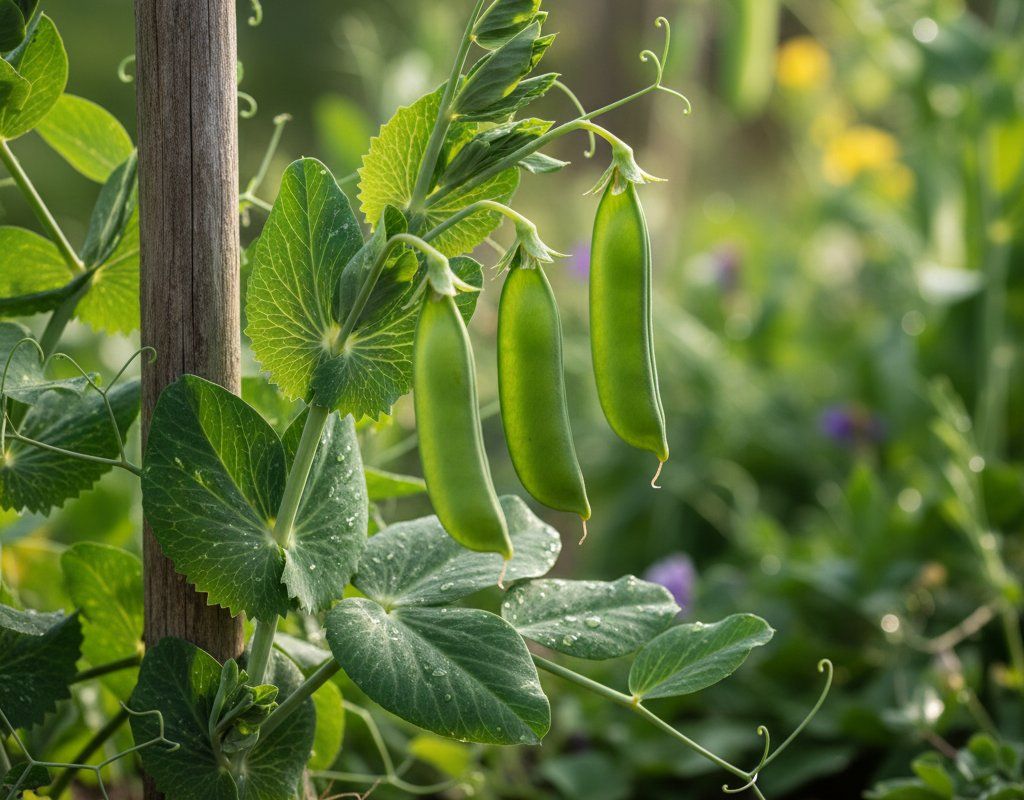
Beans make excellent cucumber companions since they fix nitrogen that cucumbers can use, while corn provides natural trellising for both crops in a classic "three sisters" combination with pole beans climbing the corn stalks. Radishes planted nearby help deter cucumber beetles and mature quickly before cucumbers need the space. Sunflowers create beneficial shade during our intense summer heat and attract pollinators while their deep roots don't compete with cucumbers' shallow root system.
Avoid planting potatoes near cucumbers as they compete for similar nutrients and space, and both are susceptible to similar diseases. Aromatic herbs like sage or oregano can inhibit cucumber growth – their strong oils may interfere with cucumber development. Keep these herbs in separate garden areas where their pest-repelling properties can be beneficial without affecting your cucumber harvest.
🌸Best Flowers to Plant with Cucumber
These flowers protect your Cucumber from pests and attract pollinators for better harvests.
For Pest Control







Get a Reminder When It's Time to Plant
We'll email you when key planting windows open for your zone.