Tansy in Zone 9B — Southern California
Tanacetum vulgare · Your Complete 2026 Planting Guide
You Can Still Sow!
Direct sowing window is open for Tansy.
Direct Sow Now
Plant seeds directly in prepared garden soil.
How to Plant Tansy in Zone 9B — Southern California
Here are all your options for getting tansy in the ground, from the easiest method to more advanced approaches.
Direct Sow Seeds
RecommendedMid January through late September
around January 11
Consider succession planting every 2-3 weeks for continuous harvest.
Start Seeds Indoors
RecommendedLate November through mid December
around November 30
Then transplant: Mid January through early February
Start seeds 6-8 weeks before transplanting outdoors.
Buy Starts
Works WellMid January through early February
around January 11
Plant purchased starts after last frost (January 25).
Transplant Outdoors
Timing InfoMid January through early February
around January 11
Can tolerate light frost, but wait for soil to be workable.
You have a nice window — no need to rush.
Overview
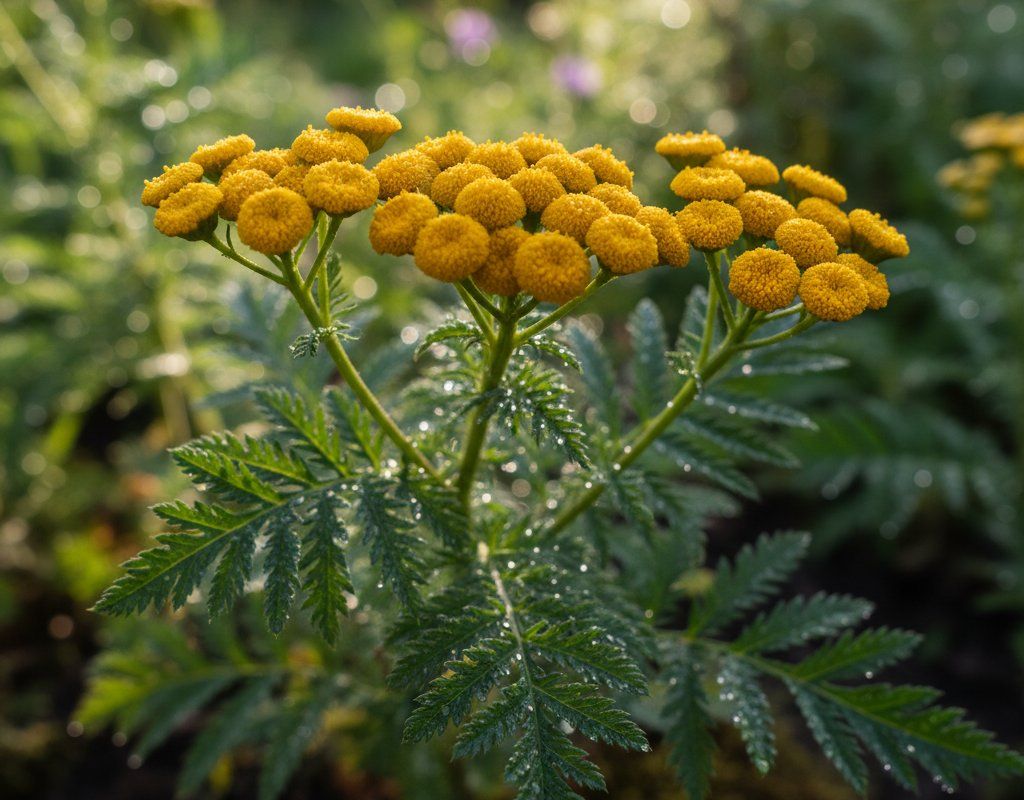
Tansy is worth growing in your Southern California garden for its natural pest-repelling properties and its attractive, button-like yellow flowers that add a touch of brightness to any landscape. It's incredibly low-maintenance, which is a huge plus considering our water restrictions and the summer heat inland. Plus, it's a perennial, so it'll come back year after year.
Our semi-arid climate and occasional Santa Ana winds can be tough on some plants, but Tansy is surprisingly resilient. With our long, 334-day growing season, you have plenty of time to get it established.
Starting Seeds Indoors
Starting Tansy seeds indoors is an option, especially if you want a head start on the season. Begin in late November through mid December, about six weeks before you plan to transplant outdoors. This timing takes advantage of our very-early spring character.
Use seed trays with a good seed-starting mix, and keep them in a warm spot with plenty of light – a sunny windowsill or under grow lights will work. Remember to water from the bottom to avoid damping off. This method also helps develop strong root systems early.
Transplanting Outdoors
Transplant your Tansy seedlings outdoors in mid January through early February. Before you plant, harden them off by gradually exposing them to outdoor conditions for about a week. This helps them adjust to the sun and wind, preventing transplant shock.
Space the plants 12-18 inches apart to give them room to grow. Keep an eye on the weather forecast – even though our winters are mild, we can still get occasional cold snaps that might stress young transplants.
Direct Sowing
Direct sowing Tansy is a simple and effective method, and it works well in our climate. Sow seeds directly into the garden from mid January through late September. This wide window takes full advantage of our long growing season.
Prepare the soil by loosening it and removing any weeds. Tansy isn't too fussy about soil, but good drainage is always a plus. Sow the seeds thinly and lightly cover them with soil.
Watering Tansy in Zone 9B (Southern California)
Tansy thrives on neglect, making it perfect for water-wise gardens in Southern California. Once established, it's highly drought-tolerant and actually prefers drier conditions. Overwatering can make it even more aggressive, so less is more.
During our winter-wet season, you likely won't need to water at all unless we're experiencing an unusually dry spell. In the summer heat inland, water deeply but infrequently, about once every 2-3 weeks, providing about 1 inch of water each time. Use the finger test – if the top 2 inches of soil are dry, it's time to water.
Water at the base of the plant to avoid wetting the foliage, which can encourage fungal diseases in our low-to-moderate humidity. Signs of underwatering include wilting leaves, while yellowing leaves can indicate overwatering. Mulching around the base of the plant with organic matter like wood chips helps retain moisture and suppress weeds.
Pruning & Maintaining Tansy
Pruning Tansy is mainly about keeping it in check. Deadhead the flowers regularly to prevent aggressive self-seeding, which can quickly turn it into a garden bully.
Throughout the growing season, remove any dead or damaged foliage. In late fall, after the first frost around late December, cut the plant back to the ground. This helps it conserve energy over the winter and encourages fresh growth in the spring.
🧪Fertilizing Tansy
Feeding Schedule
Organic Fertilizer Options
Harvest Time
You can expect your first harvest of Tansy starting in late March, and it will continue through early January. While Tansy isn't typically used for culinary purposes (it can be toxic in large amounts), it's valued for its insect-repelling properties.
Harvest the leaves and flowers as needed throughout the growing season. The button-like yellow flowers bloom in midsummer, indicating peak potency. Cut the stems carefully to avoid damaging the plant, and use the harvested material fresh or dried for your desired applications. Since our first frost is usually around late December, you can continue to harvest until then, but the plant's vigor will naturally slow down as temperatures cool.
Common Problems in Zone 9B (Southern California)
Here are two common problems you might encounter with Tansy in Southern California:
Invasive Spread
- What it looks like: Tansy can quickly spread beyond its intended area, popping up in unwanted locations throughout your garden.
- What causes it: Tansy is a vigorous grower and prolific self-seeder. Our mild winters allow it to thrive year-round, contributing to its invasive potential.
- How to fix/prevent it: Contain Tansy by planting it in pots or raised beds with barriers to prevent roots from spreading. Deadhead flowers regularly to reduce self-seeding. Be vigilant about removing any unwanted seedlings as soon as they appear.
Aphids
- What it looks like: Clusters of tiny soft-bodied insects (green, black, or white) on stems and leaf undersides. Sticky honeydew residue. Curled or distorted new growth.
- What causes it: Rapid-reproducing sap-sucking insects. Populations explode in warm weather. Ant colonies may farm them for honeydew.
- How to fix/prevent it: Strong water spray knocks them off. Encourage ladybugs and lacewings (natural predators). Insecticidal soap for heavy infestations. Neem oil works systemically. Avoid excess nitrogen fertilizer (it attracts them).
Southern California Specific Challenges: Our hot, dry summers and occasional Santa Ana winds can stress Tansy, making it more susceptible to pests like aphids. However, its drought tolerance and adaptability generally allow it to thrive with minimal intervention. Just be mindful of containment and monitor for pests.
Best Companions for Tansy
Plant these nearby for healthier Tansy and better harvests.
View Full Companion Planting Chart →


Companion Planting Details
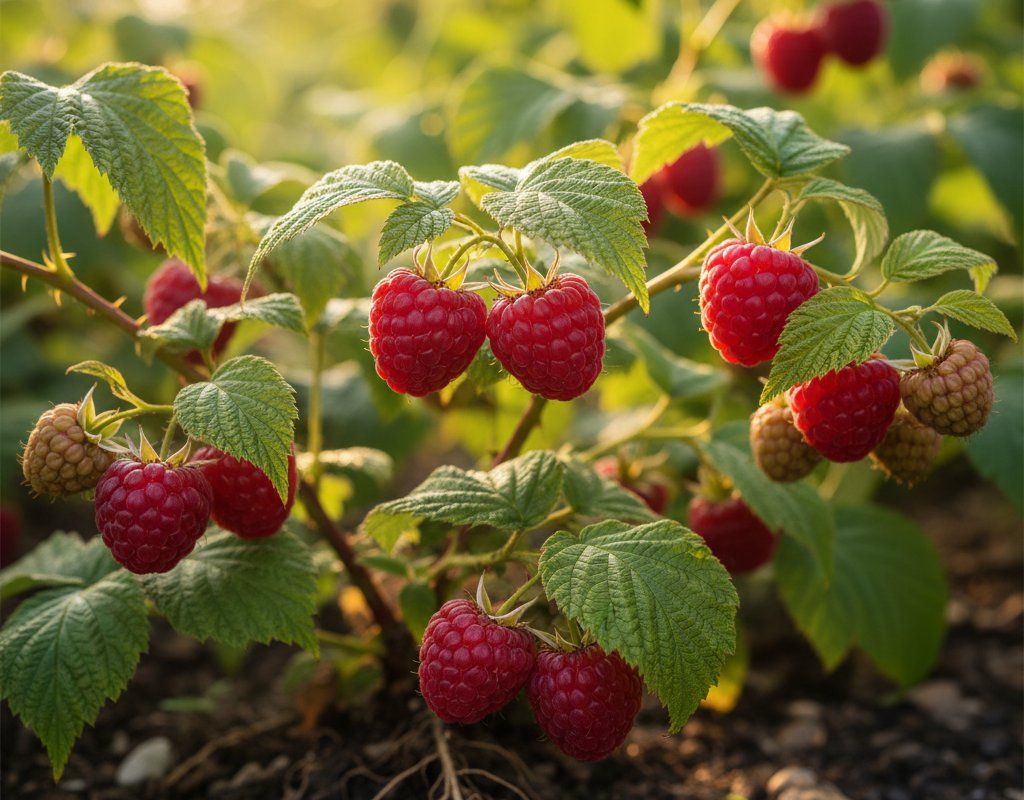
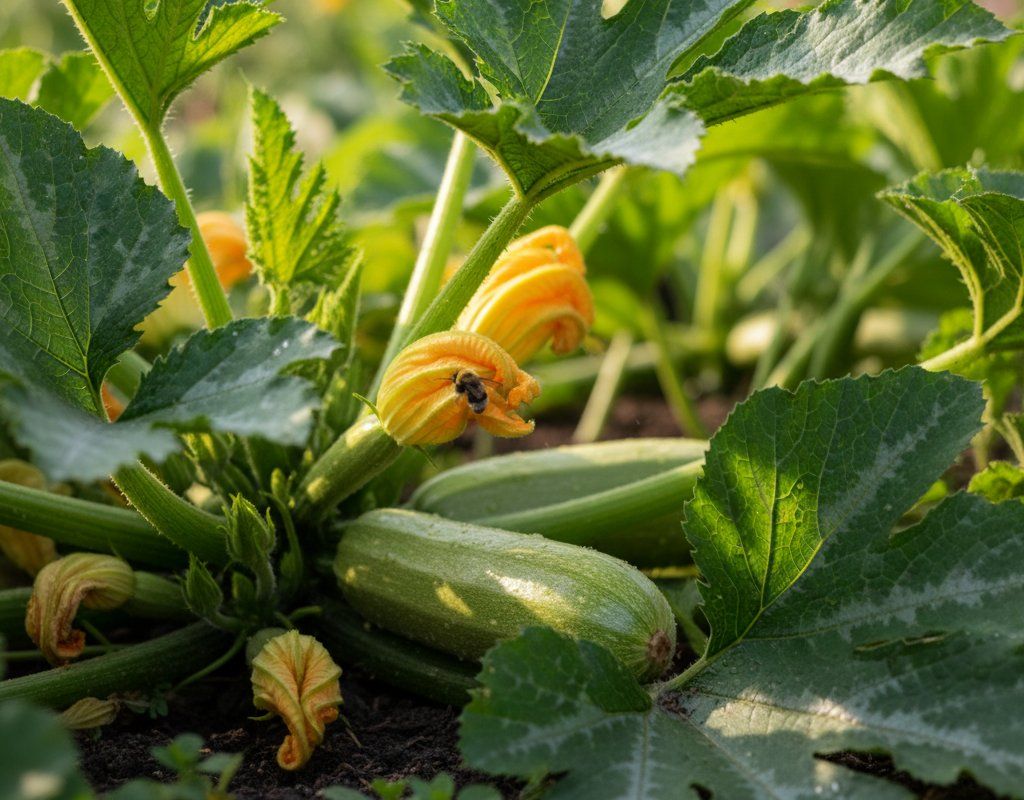
Tansy makes a good companion plant for several vegetables and fruits in your Southern California garden. It's known to repel certain pests, benefiting plants like potatoes, squash, and cucumbers. These veggies appreciate the protection from common garden pests, helping them thrive in our sometimes challenging climate.
Raspberries also benefit from having Tansy nearby, as it can deter certain insects that bother them. Avoid planting Tansy near brassicas like cabbage and broccoli, as it can inhibit their growth.
🥬Best Vegetables to Pair With Tansy
Tansy benefits these vegetables through pest control, pollinator attraction, or improved garden health.


Get a Reminder When It's Time to Plant
We'll email you when key planting windows open for your zone.