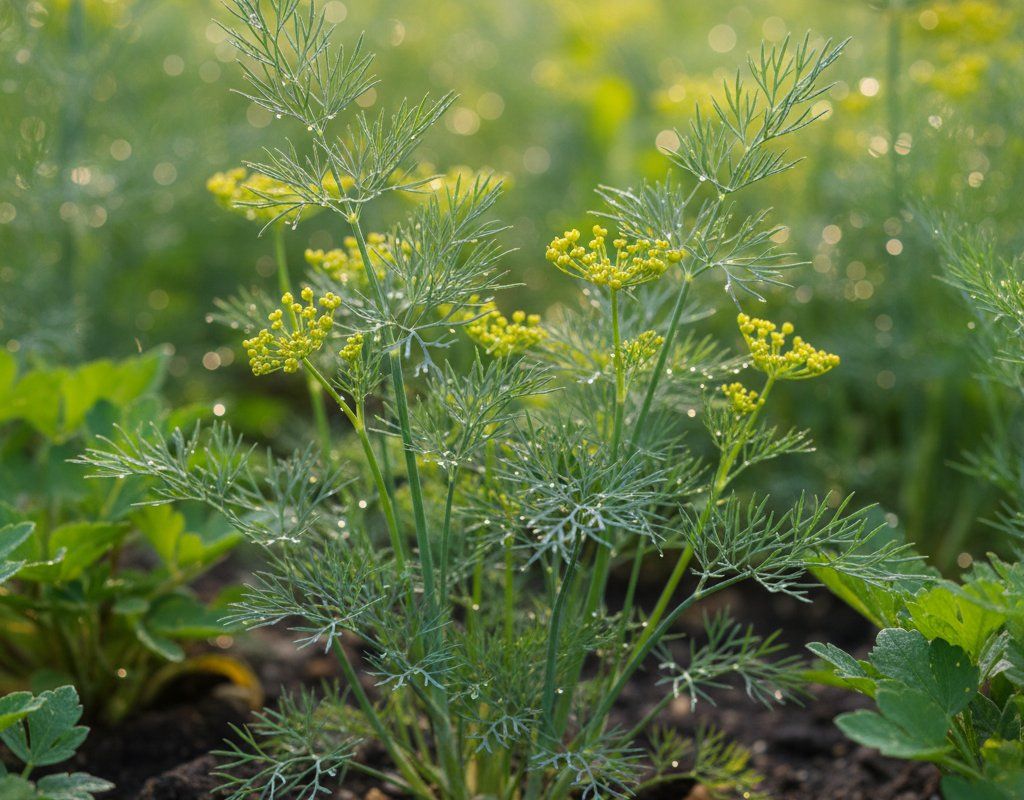
Dill in Zone 6B — Pacific Northwest
Anethum graveolens · Your Complete 2026 Planting Guide
Planning Ahead — Great!
You’re ahead of the season. Here’s when to start.
Mark Your Calendar
How to Plant Dill in Zone 6B — Pacific Northwest
Here are all your options for getting dill in the ground, from the easiest method to more advanced approaches.
Direct Sow Seeds
RecommendedEarly May through mid August
around May 1
Consider succession planting every 2-3 weeks for continuous harvest.
Dill has a taproot and prefers direct sowing, but transplants work if handled carefully.
Start Seeds Indoors
RecommendedEarly to late April
around April 10
Then transplant: Early May through mid June
Start seeds 4-6 weeks before transplanting outdoors.
Buy Starts
Works WellEarly May through mid June
around May 8
Plant purchased starts after last frost (May 1).
Transplant Outdoors
Timing InfoEarly May through mid June
around May 8
Can tolerate light frost, but wait for soil to be workable.
You have a nice window — no need to rush.
Fall Planting
Mid August through mid September
August 29 ideal · Direct sow for fall harvest
Plant a second crop in mid-summer for fall harvest. Dill actually prefers the cooling temperatures of fall.
Overview
Dill thrives in our Pacific Northwest climate, offering that distinctive feathery foliage and aromatic seeds that make fresh pickles and salmon dishes sing. Our mild summers and cool nights create perfect conditions for this herb, preventing the quick bolting that plagues gardeners in hotter regions. The dry summer months mean you won't battle fungal diseases, and dill's moderate water needs align well with our typical watering schedule.
While our wet springs can delay outdoor planting and cool soil takes time to warm up, dill's hardy nature and flexibility make it forgiving for PNW gardeners. With our 162-day growing season, you have plenty of time for multiple succession plantings from spring through late summer, ensuring fresh dill from early June through our first frost in early October.
Starting Seeds Indoors
Starting dill indoors isn't the preferred method since this herb develops a taproot that resents transplanting, but it can work if you're careful. Start seeds in early to late April, about four weeks before you plan to transplant outdoors. Use deeper seed trays or individual pots to accommodate that taproot, and keep soil consistently moist with bottom watering to encourage strong root development.
Our slow spring warming means indoor starting can give you a head start when outdoor soil is still too cool and soggy. Set up your seed trays in a warm spot (65-70°F) with good light, either from a sunny window or grow lights. The key is transplanting while plants are still small—once that taproot gets established, dill becomes much more difficult to move successfully.
Transplanting Outdoors
If you've started dill indoors, transplant seedlings outdoors from early May through mid-June, timing it for after our last frost risk passes in early May. Harden off transplants gradually over a week, starting with just a few hours of outdoor exposure and building up to full days. This gradual adjustment helps them handle our often overcast spring days and occasional temperature swings.
Space transplants 12 inches apart in your prepared bed, handling the root ball gently to avoid disturbing that sensitive taproot. Our cool, wet spring conditions actually help transplant success—just watch for slug damage on young plants during those damp May mornings. Water in well after transplanting, but don't overdo it since our spring soil often stays moist longer than expected.
Direct Sowing
Direct sowing is dill's preferred planting method, and our climate makes it straightforward from early May through mid-August. Wait until soil temperature reaches at least 60°F—usually by early May in our zone. Prepare your planting area with loose, well-draining soil since dill doesn't tolerate waterlogged conditions, something to watch for during our wet springs.
Sow seeds about ¼ inch deep and 12 inches apart, or plant more thickly and thin later. The beauty of direct sowing in the Pacific Northwest is that our mild summer temperatures rarely stress young seedlings the way brutal heat does elsewhere. For continuous harvests, succession plant every 2-3 weeks through mid-August—our long, mild fall extends the growing season beautifully.
Watering Dill in Zone 6B (Pacific Northwest)
Dill needs moderate, consistent moisture but never waterlogged soil—a balance that works well with our Pacific Northwest watering patterns. During our dry summer months, aim for about an inch of water per week, checking soil moisture with the finger test about two inches deep. When the top two inches feel dry, it's time to water deeply at the base of the plants.
Our mild summer temperatures (rarely above 82°F) mean dill won't bolt from heat stress like it does in hotter climates, but drought stress can still trigger early flowering. Water early morning to give plants time to dry before our cool nights, reducing any fungal risk. The dry summer air means you can water overhead without worry, though base watering is still more efficient.
Signs of underwatering include yellowing lower leaves and premature flowering, while overwatering shows up as yellowing leaves with soft stems—more common during our wet spring months. A thin layer of organic mulch helps maintain consistent soil moisture without creating the overly damp conditions that can cause problems in our climate.
Our natural rainfall pattern works in dill's favor: wet springs get plants established, then dry summers allow you to control moisture levels precisely. By late summer and fall, you may need to increase watering frequency as plants size up, but our mild temperatures keep water stress manageable.
🧪Fertilizing Dill
Feeding Schedule
Organic Fertilizer Options
Harvest Time
Your first dill harvest typically begins in early June, about 40 days after sowing, and can continue through mid-October thanks to our extended growing season. Start harvesting the feathery leaves anytime they're large enough to use—regular cutting actually encourages more leafy growth and delays flowering. Cut stems just above a leaf node to promote branching.
For fresh leaves, harvest in the morning after dew dries but before the day warms up, when oils are most concentrated. The plant will continuously produce new growth as long as you keep harvesting regularly and don't let it go to seed. If you want dill seeds for pickling, allow some flower heads to develop and mature until they turn brown and dry—usually by late summer.
To collect seeds, cut the entire flower head into a paper bag and shake vigorously, or hang bundles upside down in a dry, well-ventilated area. Our dry summer conditions make seed curing straightforward, unlike more humid regions. As temperatures drop toward our early October frost date, harvest remaining fresh growth for drying or freezing.
The mild fall weather often allows dill to keep producing well into September, giving you one of the longest harvest windows for this herb compared to hotter climates where summer heat cuts the season short.
Common Problems in Zone 6B (Pacific Northwest)
Bolting appears when your dill suddenly sends up tall flower stalks and the feathery leaves become sparse and bitter. In hot climates this happens quickly, but our mild summers give you more control. Bolting in the Pacific Northwest usually results from drought stress or plants getting too mature, rather than heat stress. Keep soil consistently moist and harvest regularly to prevent this, or embrace it if you want dill seeds.
Aphids show up as clusters of small, soft-bodied insects on stems and new growth, often accompanied by sticky honeydew residue and distorted leaves. Our dry summer conditions actually discourage many pest problems, but aphids can still appear, especially on stressed plants. Blast them off with water spray, encourage beneficial insects like ladybugs, or use insecticidal soap for heavy infestations. Avoid over-fertilizing with nitrogen, which creates succulent growth that attracts them.
Caterpillars, particularly parsley worms (black swallowtail butterfly larvae), can defoliate dill plants quickly. These striped caterpillars are actually quite beautiful, so many gardeners choose to hand-pick and relocate them rather than kill beneficial butterfly larvae. If damage is severe, Bt (Bacillus thuringiensis) provides organic control, but often sharing your dill with these creatures works fine since the plants grow so readily.
Pacific Northwest Specific Challenges: Our slug population loves tender dill seedlings during wet spring weather, so use barriers or organic slug bait around young plants. The mild temperatures that benefit dill also mean pest generations can overlap more than in harsh climates, so stay vigilant for aphid buildup through the long growing season.
Best Companions for Dill
Plant these nearby for healthier Dill and better harvests.


Keep Away From
Companion Planting Details
Dill makes an excellent companion for brassicas like cabbage and broccoli, helping repel cabbage worms while attracting beneficial insects that control other pests. Plant it near cucumbers where it can attract pollinators and predatory wasps, though keep it far enough away that harvesting one doesn't disturb the other. Lettuce and other cool-season greens pair well with dill in our climate since they share similar growing preferences and timing.
Avoid planting dill near carrots since they're in the same family and can cross-pollinate, potentially affecting flavor. Keep it away from tomatoes too—while this pairing works in some climates, our shorter season means you want tomatoes in the sunniest, warmest spots without competition from tall herbs. In our Pacific Northwest gardens, focus on grouping dill with plants that appreciate similar moisture levels and won't be shaded by its eventual height.
🌸Best Flowers to Plant with Dill
These flowers protect your Dill from pests and attract pollinators for better harvests.
For Pest Control




Get a Reminder When It's Time to Plant
We'll email you when key planting windows open for your zone.