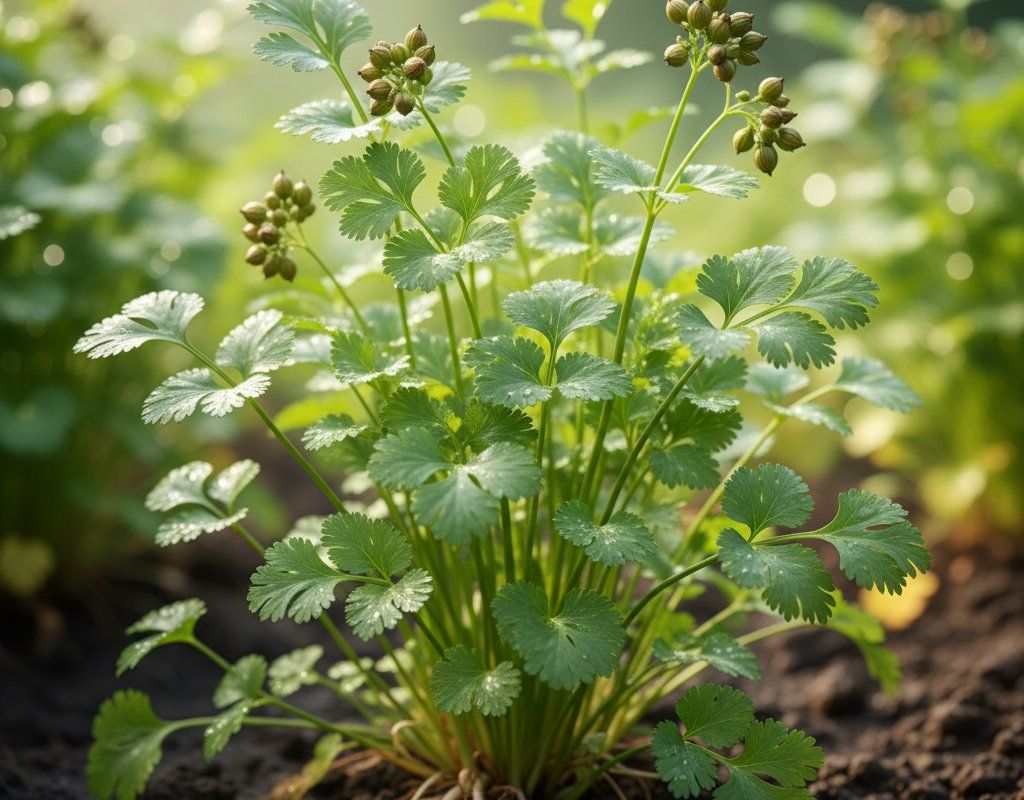
Cilantro in Zone 6B — Pacific Northwest
Coriandrum sativum · Your Complete 2026 Planting Guide
Planning Ahead — Great!
You’re ahead of the season. Here’s when to start.
Mark Your Calendar
How to Plant Cilantro in Zone 6B — Pacific Northwest
Here are all your options for getting cilantro in the ground, from the easiest method to more advanced approaches.
Direct Sow Seeds
RecommendedMid April through mid August
around April 17
Consider succession planting every 2-3 weeks for continuous harvest.
Cilantro bolts quickly in heat. Direct sow in cool weather for best results.
Start Seeds Indoors
RecommendedLate March through mid April
around April 3
Then transplant: Early May through mid June
Start seeds 4-6 weeks before transplanting outdoors.
Buy Starts
Works WellEarly May through mid June
around May 1
Plant purchased starts after last frost (May 1).
Transplant Outdoors
Timing InfoEarly May through mid June
around May 1
Can tolerate light frost, but wait for soil to be workable.
You have a nice window — no need to rush.
Fall Planting
Mid August through mid September
August 29 ideal · Direct sow for fall harvest
Plant a second crop in mid-summer for fall harvest. Cilantro actually prefers the cooling temperatures of fall.
Overview
Cilantro thrives in our Pacific Northwest climate, making it one of the most rewarding herbs for Zone 6B gardens. Our mild summers and cool nights create perfect conditions for this heat-sensitive herb, while the long growing season means you can succession plant from mid-April through late summer for continuous harvests. The fresh, citrusy flavor of homegrown cilantro far surpasses anything from the store, and you'll appreciate having it on hand for fresh salsas, curries, and Thai dishes.
While cilantro can be tricky in regions with hot summers, our dry-summer climate and rarely-above-90°F temperatures work in your favor. The main challenge is timing your plantings to avoid bolting during our brief warm spells, but with our 162-day growing season, you have plenty of opportunities to get multiple harvests. Plant it right, and you'll enjoy fresh cilantro from early June through your first October frost.
Starting Seeds Indoors
Starting cilantro indoors isn't the most common approach, but it makes sense if you want an early harvest or need better control over timing. Start seeds late March through mid-April, about 4 weeks before you plan to transplant outdoors. Our slow spring warm-up actually works well for indoor starts since you're not rushing to get transplants outside.
Use standard seed trays with good drainage and keep soil consistently moist using bottom watering—this prevents damping off and gives more even moisture than overhead watering. Cilantro seeds need consistent moisture to germinate well, usually taking 7-14 days. A basic grow light or sunny windowsill provides enough light during our often overcast spring days.
The main advantage of indoor starting is getting a jump on the season, but cilantro actually transplants better than many herbs handle the root disturbance. Just be gentle when moving seedlings to avoid shocking the taproot.
Transplanting Outdoors
Transplant your indoor-started cilantro seedlings from early May through mid-June, once soil has warmed and the risk of hard frost has passed. Our typical last frost around early May gives you a good window, though cilantro is fairly hardy and can handle light frosts just fine.
Harden off seedlings gradually over a week by moving them outside for increasing periods each day. This helps them adjust to our cool spring breezes and fluctuating temperatures. Space plants 6-8 inches apart to allow good air circulation—important during our wet springs to prevent fungal issues.
Plant on a cloudy day if possible, or in late afternoon to reduce transplant shock. Our overcast spring days are actually perfect for transplanting since the plants won't be stressed by intense sun. Water gently after planting and keep soil consistently moist until they establish.
Direct Sowing
Direct sowing is often the preferred method for cilantro since it avoids root disturbance and the plants often perform better. Sow seeds from mid-April through mid-August, taking advantage of our long growing season for succession plantings every 2-3 weeks.
Prepare soil by working in some compost—cilantro likes rich, well-draining soil. Plant seeds ¼ inch deep and space them about 6-8 inches apart, or sow more densely and thin as they grow. Seeds germinate best in cool soil, making our spring and fall conditions ideal.
The key advantage of direct sowing is avoiding transplant shock, but timing is crucial since cilantro bolts quickly once temperatures consistently reach the 80s. Early spring and late summer sowings work best in our climate, though you can continue through summer with afternoon shade and consistent moisture.
Watering Cilantro in Zone 6B (Pacific Northwest)
Cilantro needs consistent moisture to prevent bolting, making watering strategy critical in our dry-summer climate. During spring establishment, water deeply when the top 2 inches of soil feel dry—usually every 3-4 days depending on our variable spring weather. Once established, aim for about 1 inch of water per week.
Summer watering becomes more important as our rainfall drops off. Water at soil level rather than overhead to keep leaves dry—this helps prevent leaf spot diseases that can develop during humid mornings even in our dry-summer climate. Morning watering works best, allowing plants to dry before cool nighttime temperatures.
Watch for signs of stress: wilting during the day (even with adequate soil moisture) often means the plant is preparing to bolt. Underwatered cilantro will bolt immediately, while overwatered plants develop yellowing leaves and poor flavor. The finger test works well—soil should feel like a wrung-out sponge 2 inches down.
Apply a light mulch around plants to conserve moisture during our dry summer months. Straw or shredded leaves work well and help keep roots cool during those occasional 85°F+ days. Consistent moisture is especially important during the long days of summer when plants are most prone to bolting.
🧪Fertilizing Cilantro
Feeding Schedule
Organic Fertilizer Options
Harvest Time
Expect your first cilantro harvest from early June through mid-October, depending on planting time. Plants are ready to harvest when they reach 6+ inches tall and have developed several sets of true leaves—usually around 45 days from seed. The cool nights in our region actually improve the flavor, making leaves more tender and aromatic.
Harvest by cutting outer stems at the base, leaving the center growing point intact for continuous production. Take no more than one-third of the plant at a time to keep it productive. Our mild summers allow for extended harvests if you keep plants well-watered and shaded during the warmest part of the day.
Once cilantro sends up a flower stalk (bolting), leaf production slows and flavor becomes bitter. This typically happens during warm spells or as days lengthen in summer. You can pinch off flower buds to extend leaf harvest slightly, but it's better to start succession plantings every 2-3 weeks for continuous fresh leaves.
Take advantage of our long mild fall to extend the harvest season. Plants sown in late summer often produce well into October before the first frost ends the season. The cooler temperatures actually improve leaf quality, giving you the best cilantro of the year right before winter.
Common Problems in Zone 6B (Pacific Northwest)
Bolting appears as a tall central flower stalk shooting up from the plant center, often happening seemingly overnight. Leaves become smaller, tougher, and develop a bitter flavor once the plant shifts energy to seed production. In our Pacific Northwest climate, bolting typically occurs during warm spells in late spring or summer, especially if plants experience drought stress combined with our long daylight hours.
Plant during cooler periods (early spring or late summer) and provide afternoon shade during warm spells. Keep soil consistently moist since drought stress triggers immediate bolting. Choose slower-bolting varieties like 'Slow Bolt' or 'Long Standing' for summer plantings, and succession plant every 2-3 weeks rather than trying to keep one planting productive all season.
Aphids show up as clusters of tiny green, black, or white insects on stem tips and leaf undersides, often leaving sticky honeydew residue. New growth becomes curled or distorted, and you might notice ants farming the aphids. These sap-sucking pests multiply rapidly during warm weather and can quickly overwhelm young cilantro plants.
Blast them off with a strong water spray from your hose—this works well for light infestations. Encourage beneficial insects like ladybugs and lacewings by planting diverse flowers nearby. For heavy infestations, use insecticidal soap or neem oil, applying in early morning or evening to avoid leaf burn. Avoid over-fertilizing with nitrogen, which makes plants more attractive to aphids.
Leaf spot appears as small brown or black spots on leaves, sometimes with yellow halos around them. Spots may merge and cause entire leaves to yellow and drop. This fungal disease thrives in our humid spring mornings, especially when leaves stay wet and air circulation is poor.
Improve air circulation by proper spacing and avoid overhead watering. Water at soil level in the morning so any splashed water evaporates quickly. Remove affected leaves immediately and dispose of them in the garbage, not compost. In severe cases, apply copper-based fungicide following label directions.
Pacific Northwest Specific Challenges: Our wet springs can promote fungal diseases while our dry summers stress plants into bolting. The combination of humid mornings and dry afternoons creates perfect conditions for leaf spot, while slugs may nibble young plants during wet periods. Plan succession plantings to work with rather than against these natural patterns.
Best Companions for Cilantro
Plant these nearby for healthier Cilantro and better harvests.

Keep Away From

Companion Planting Details
Plant cilantro near tomatoes and peppers—it reportedly helps repel aphids and other pests while the taller plants provide afternoon shade during warm spells. Spinach makes an excellent companion since both prefer cool weather and similar soil conditions, letting you maximize space in your spring and fall beds. Bush beans also work well, as their nitrogen-fixing roots benefit the heavy-feeding cilantro.
Avoid planting cilantro near fennel, which can stunt its growth and affect flavor development. The two herbs seem to compete poorly together, and fennel's strong root system may interfere with cilantro's more delicate taproot. In our Pacific Northwest climate, focus on companions that provide natural pest control and shade during those brief but intense summer heat waves.
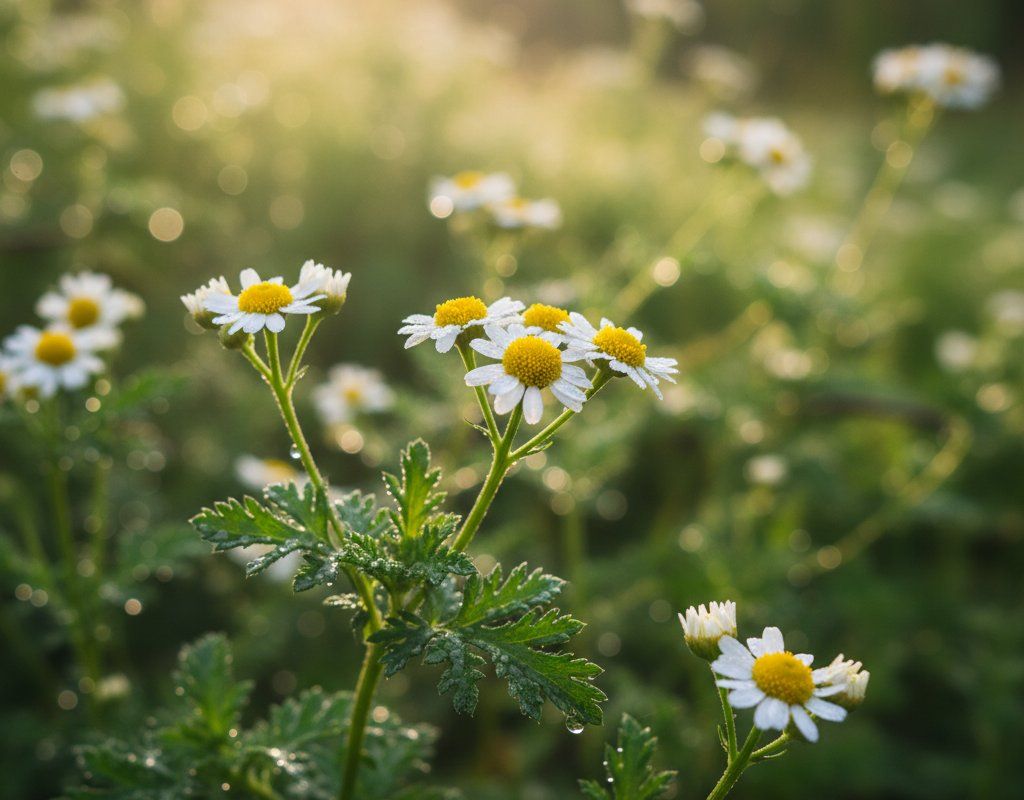
🌸Best Flowers to Plant with Cilantro
These flowers protect your Cilantro from pests and attract pollinators for better harvests.



Get a Reminder When It's Time to Plant
We'll email you when key planting windows open for your zone.