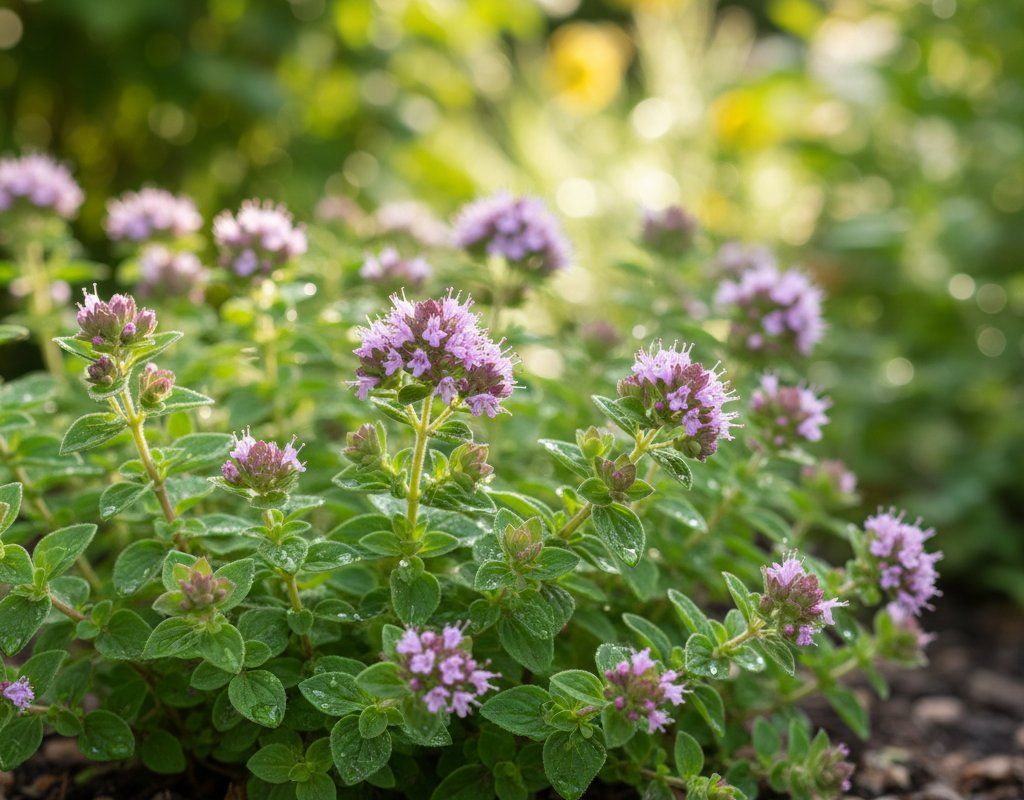
Oregano in Zone 8A — Texas
Origanum vulgare · Your Complete 2026 Planting Guide
Missed Seed Starting? No Problem!
Wait for starts to become available.
What to Do
Starts will be available at nurseries in 1 days (around March 5).
How to Plant Oregano in Zone 8A — Texas
Here are all your options for getting oregano in the ground, from the easiest method to more advanced approaches.
Buy Starts
RecommendedEarly March through mid April
around March 5
Plant purchased starts after last frost (March 5).
Easy from seed but slow. Starts give faster results.
Start Seeds Indoors
Works WellEarly to late January
around January 8
Then transplant: Early March through mid April
Start seeds 8-10 weeks before transplanting outdoors.
Direct Sow Seeds
Works WellEarly March through late September
around March 5
Consider succession planting every 2-3 weeks for continuous harvest.
Transplant Outdoors
Timing InfoEarly March through mid April
around March 5
Can tolerate light frost, but wait for soil to be workable.
You have a nice window — no need to rush.
Overview
Oregano thrives in our Texas heat and brings that authentic Mediterranean flavor to your kitchen year-round. This hardy perennial loves our long growing season and drought-prone conditions, making it one of the most reliable herbs you can grow here. Once established, oregano becomes almost maintenance-free and provides fresh leaves for pizza, pasta, and grilled meats throughout our extended 260-day growing season.
While our unpredictable Texas weather can challenge many herbs, oregano actually benefits from our hot summers and mild winters. The key is getting it established before the brutal heat arrives, then letting it coast through summer with minimal water. With proper timing, you'll have fresh oregano from spring through our first frost in mid-November.
Starting Seeds Indoors
Starting oregano seeds indoors makes sense if you want multiple plants or can't find good transplants locally. Begin in early to late January, about 8 weeks before our last frost in early March. Oregano seeds need warmth to germinate well, so place your seed trays on top of the refrigerator or use a heat mat.
Set up your seeds in standard seed-starting trays with good drainage. Keep the soil consistently moist using bottom watering - place trays in a shallow pan of water rather than watering from above. This prevents the tiny seeds from washing around and reduces damping-off issues.
Oregano seedlings grow slowly at first, so don't expect quick results. They'll need strong light once they germinate, either from a south window or grow lights. Since our spring starts early here, you'll want these seedlings ready to transplant by early March when soil temperatures warm up.
Transplanting Outdoors
Transplant your oregano starts outdoors from early March through mid-April, after our typical last frost passes. Even though oregano is hardy, young transplants need gradual adjustment to our intense Texas sun and variable spring weather. Harden them off over a week by gradually increasing their outdoor exposure time.
Space plants 12-18 inches apart to allow for their spreading habit. Oregano will fill in quickly once established, especially with our long growing season. Choose a spot with excellent drainage - this is crucial since oregano hates wet feet, and our unpredictable spring rains can create soggy conditions.
Plant on a calm day if possible, since spring winds can stress new transplants. Water them in well initially, but be prepared to back off on watering as they establish. Most transplants from nurseries adapt quickly to our climate and will be ready for light harvesting within a month.
Direct Sowing
Direct sowing oregano works well in Texas, especially for fall plantings when you want fresh herbs through winter. You can sow from early March through late September, though spring and fall sowings perform better than mid-summer plantings in our extreme heat.
Prepare a well-draining bed with loose soil - oregano seeds are tiny and need good seed-to-soil contact without being buried too deep. Scatter seeds lightly and barely cover them with fine soil. Keep the seedbed consistently moist until germination, which takes 1-2 weeks in warm weather.
Space your plantings 12-18 inches apart, or sow more thickly and thin later. Fall sowings often work better than spring ones since the plants establish during cooler weather and then take off when temperatures rise. Direct-sown oregano takes longer to reach harvestable size but often develops stronger root systems than transplants.
Watering Oregano in Zone 8A (Texas)
Oregano is genuinely drought-tolerant once established, making it perfect for our unpredictable Texas rainfall patterns. Water deeply but infrequently - about once a week during establishment, then back off to every 10-14 days once plants are growing strongly. In our variable humidity and extreme summer heat, this herb actually prefers to dry out between waterings.
Use the finger test by checking soil moisture 2 inches deep before watering. If it's still moist, wait another few days. Overwatering oregano dilutes its essential oils and creates weak, flavorless leaves - the opposite of what you want. During our typical summer highs of 97°F, established plants can often survive on rainfall alone.
Water at the base of plants rather than overhead, especially during our humid periods when fungal issues can develop on wet foliage. A soaker hose or drip irrigation works perfectly for oregano. Watch for signs of stress: wilted leaves that don't recover overnight mean it needs water, while yellow or mushy leaves usually indicate overwatering.
Apply a thin layer of mulch around plants to conserve moisture and moderate soil temperature swings. In our intense heat, even drought-tolerant plants benefit from some soil protection. Remove mulch temporarily during heavy rain periods to prevent soil from staying too soggy.
Pruning & Maintaining Oregano
Oregano needs minimal pruning but responds well to periodic cutting back. Pinch or cut stems just above a pair of leaves to encourage branching - this keeps plants compact and produces more harvestable growth. Regular harvesting actually serves as pruning and keeps plants productive.
Cut plants back by about one-third in midsummer when they start looking leggy or begin flowering heavily. This rejuvenation pruning encourages fresh, tender growth for fall harvesting and helps plants survive our late summer heat stress. Don't worry about being too aggressive - oregano bounces back quickly.
In late fall before our first frost around mid-November, cut plants back to about 2 inches from the ground. This helps them overwinter cleanly and reduces places for pests to hide. Since oregano is perennial here, it'll regrow from the roots once temperatures warm in spring.
🧪Fertilizing Oregano
Feeding Schedule
Organic Fertilizer Options
Harvest Time
Begin harvesting oregano sprigs once plants reach 4+ inches tall, usually by mid-April from spring plantings. Cut stems just above a pair of leaves to encourage continued growth - never strip a stem bare. The best flavor develops just before flowers open, when essential oil concentration peaks.
For continuous harvest through our long season, take no more than one-third of the plant at any cutting. Morning harvest after dew dries gives you the strongest flavor, since essential oils are most concentrated then. Cut stems rather than picking individual leaves - you'll get better regrowth and cleaner cuts heal faster.
Oregano produces harvestable growth from mid-April through late November in most Texas areas. Hot summer growth may be slightly less flavorful than spring and fall harvesting, but it's still perfectly usable. Plants slow down during extreme heat but resume vigorous growth once temperatures moderate in fall.
As our first frost approaches in mid-November, harvest heavily since tender growth will be damaged. Cut stems can be dried, frozen, or used fresh. The plant's root system will survive most Texas winters and regrow vigorously the following spring.
Common Problems in Zone 8A (Texas)
Root Rot Oregano leaves turn yellow from the bottom up, and stems become soft and dark at soil level. Plants may collapse suddenly, especially after heavy rains. This happens when soil stays too wet for extended periods, which can occur during our unpredictable flash flood cycles or in poorly-draining clay soils. Improve drainage immediately by adding compost or moving plants to raised beds. Water only when soil feels dry 2 inches down, and avoid overhead watering during humid periods.
Aphids Look for clusters of tiny green, black, or white insects on stems and leaf undersides, along with sticky honeydew residue and curled new growth. These sap-sucking pests multiply rapidly in our warm weather and are often tended by fire ants who farm them for honeydew. Blast them off with a strong water spray daily for a week. Encourage beneficial insects like ladybugs, or use insecticidal soap for heavy infestations. Avoid high-nitrogen fertilizers that create soft growth aphids love.
Spider Mites Fine white stippling appears on leaves, followed by bronze or yellow discoloration and fine webbing on leaf undersides. These tiny pests thrive in our hot, dry conditions and population explode during drought stress. Increase humidity around plants with regular water sprays - this is your best defense. Daily strong water sprays for a week knock down populations effectively. Neem oil or insecticidal soap helps, but avoid broad-spectrum pesticides that kill beneficial predatory insects.
Texas Specific Challenges: Our extreme heat and variable humidity create perfect conditions for spider mites while potentially stressing plants into susceptibility. The combination of drought followed by flash flooding can trigger root rot issues. Fire ants complicate aphid management since they protect aphid colonies, so controlling ant populations helps reduce pest pressure overall.
Best Companions for Oregano
Plant these nearby for healthier Oregano and better harvests.

Keep Away From
Companion Planting Details
Oregano makes an excellent companion for peppers, tomatoes, and other heat-loving crops in your Texas garden. Plant it near pepper plants where it helps repel aphids and other soft-bodied insects while thriving in the same well-drained, hot conditions peppers prefer. Tomatoes benefit from oregano's pest-deterrent properties, and both crops appreciate similar watering schedules during our unpredictable rainfall patterns.
Oregano also works well with beans and squash since it doesn't compete aggressively for space or nutrients. Its spreading habit provides living mulch that helps conserve soil moisture during our hot summers. Avoid planting oregano where it might get overwatered by moisture-loving crops, since most companion planting failures with oregano stem from mismatched water needs rather than actual plant incompatibility.
🌸Best Flowers to Plant with Oregano
These flowers protect your Oregano from pests and attract pollinators for better harvests.
For Pest Control




Get a Reminder When It's Time to Plant
We'll email you when key planting windows open for your zone.