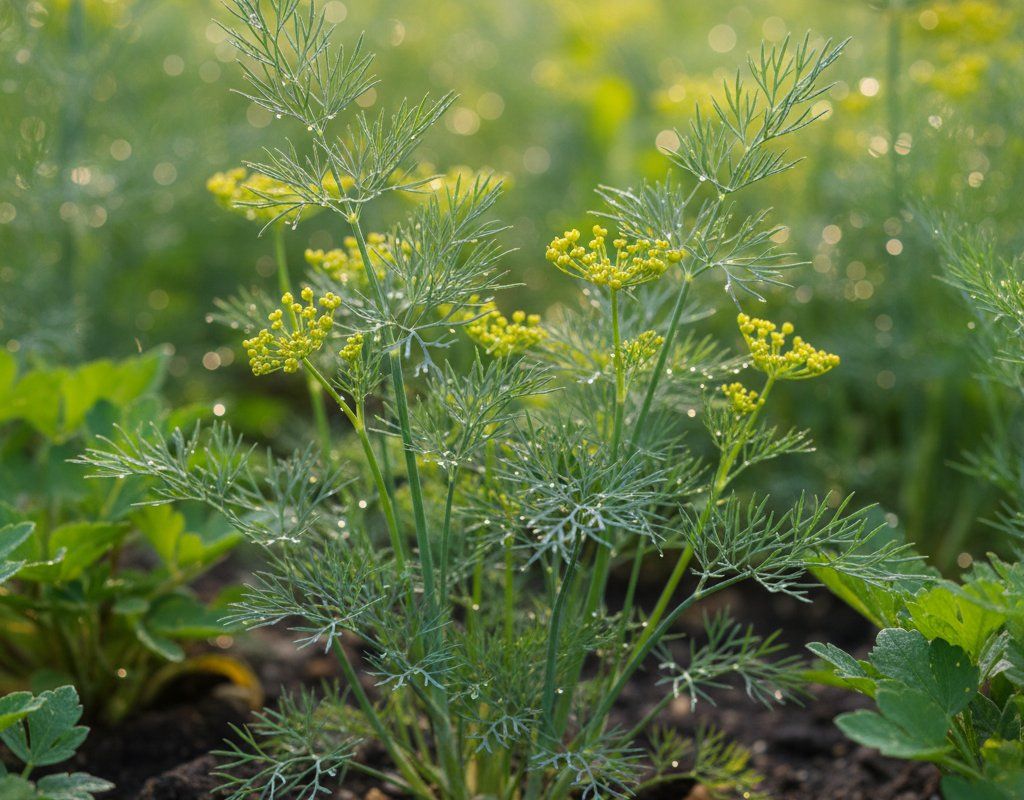
Dill in Zone 8B — Florida
Anethum graveolens · Your Complete 2026 Planting Guide
Time to Buy Starts!
Seed starting window passed, but starts are available now.
Buy Starts Now
Head to your local nursery, Home Depot, or farmers market for transplants.
- Look for stocky plants with dark green leaves
- Avoid leggy seedlings or plants already flowering
- Check that roots aren't circling the pot (rootbound)
How to Plant Dill in Zone 8B — Florida
Here are all your options for getting dill in the ground, from the easiest method to more advanced approaches.
Direct Sow Seeds
RecommendedMid February through late October
around February 15
Consider succession planting every 2-3 weeks for continuous harvest.
Dill has a taproot and prefers direct sowing, but transplants work if handled carefully.
Start Seeds Indoors
RecommendedMid January through early February
around January 25
Then transplant: Late February through early April
Start seeds 4-6 weeks before transplanting outdoors.
Buy Starts
Works WellLate February through early April
around February 22
Plant purchased starts after last frost (February 15).
Transplant Outdoors
Timing InfoLate February through early April
around February 22
Can tolerate light frost, but wait for soil to be workable.
You have a nice window — no need to rush.
Fall Planting
Mid October through mid November
November 3 ideal · Direct sow for fall harvest
Plant a second crop in mid-summer for fall harvest. Dill actually prefers the cooling temperatures of fall.
Overview
Dill transforms from grocery store afterthought to garden star here in Florida, where our unique growing calendar lets you harvest fresh, aromatic leaves almost year-round. Unlike store-bought dill that often arrives wilted and expensive, your homegrown feathery fronds carry that distinctive tangy bite perfect for everything from fresh fish to pickles, and the flowers attract beneficial insects when our gardens need them most. Florida's reversed seasons actually work in dill's favor – you'll get your best growth during our mild winters when this cool-weather herb thrives.
Our extreme humidity and scorching summers do challenge dill, since it bolts quickly once temperatures climb into the 90s. But with our 303-day growing season, you can succession plant from late winter through mid-fall to keep fresh dill on your table. The key is working with Florida's rhythms rather than fighting them – plant when the weather cools, harvest before the heat hits, then start again.
Starting Seeds Indoors
Starting dill seeds indoors works in Florida, though it's not your only option since we can direct sow so much of the year. If you want an early spring harvest or prefer controlled germination, start seeds mid-January through early February, about four weeks before your last transplant date. This timing gives you sturdy seedlings ready to go out when night temperatures stay consistently above 50°F.
Set up seed trays with a quality seed-starting mix and bottom water to keep soil evenly moist without creating soggy conditions that invite fungal problems in our humid climate. Dill seeds germinate best at 60-70°F, so a heat mat helps in January if your house runs cool. Once seedlings emerge, they need bright light – either a sunny south-facing window or grow lights positioned 4-6 inches above the plants.
Handle transplants gently since dill develops a taproot early and doesn't love root disturbance. If you're new to seed starting or just want fresh dill without the indoor setup, direct sowing works beautifully here once soil temperatures warm up in late February.
Transplanting Outdoors
Transplant your indoor-started dill seedlings late February through early April when nighttime temperatures consistently stay above 45°F and soil has warmed up from our brief winter chill. In Florida, this window often coincides with those perfect 70-degree days that remind us why we garden here – before the heat and humidity crank up to summer levels.
Harden off seedlings gradually over a week by moving them outdoors for increasing periods each day, starting with an hour of morning sun and building up to full day exposure. This prevents transplant shock and helps them adjust to our intense UV rays and humidity changes. Florida's spring weather can swing dramatically, so watch for any late cold snaps that might stress young plants.
Space transplants 12 inches apart in well-draining soil – crucial in Florida where heavy summer rains can waterlog plants. Choose a spot that gets morning sun but has some afternoon protection during late spring, as this helps extend your harvest before the plant bolts in summer heat. Water gently after transplanting and expect to see new growth within a week if conditions are right.
Direct Sowing
Direct sowing works exceptionally well for dill in Florida since the herb develops a long taproot that prefers staying put. You have a generous window from mid-February through late October, though your most successful plantings will happen during our cooler months – late winter through early spring, then again in fall when temperatures drop below 85°F consistently.
Prepare your planting area by working compost into Florida's naturally sandy soil, which drains quickly but needs organic matter to hold nutrients and moisture. Sow seeds ¼ inch deep and 12 inches apart once soil temperature reaches at least 60°F – usually late February in most of Zone 8B Florida. The seeds germinate in 7-14 days when conditions are right.
For continuous harvest, succession plant every 2-3 weeks through spring, then pause during summer's brutal heat and resume in early October. This rhythm matches Florida's growing calendar perfectly – you'll have fresh dill during prime cooking season when tomatoes, cucumbers, and fish are at their peak. Direct-sown plants often outperform transplants here since they develop stronger root systems to handle our sandy soil and variable moisture conditions.
Watering Dill in Zone 8B (Florida)
Dill needs consistent but not excessive water in Florida – about 1 inch per week including rainfall, which means you'll supplement differently depending on our dramatic seasonal patterns. During dry winter months, you'll likely water twice weekly, while our wet summers often provide too much moisture, creating fungal problems that plague herbs in high humidity.
Check soil moisture with the finger test – stick your finger 2 inches into the soil near the plant base. If it's dry at that depth, it's time to water. In Florida's sandy soil, this happens faster than in other regions, especially during windy spring days that dry plants quickly. Water at the base rather than overhead to minimize fungal issues that thrive in our 90%+ humidity.
Watch for signs of stress: wilting during morning hours usually means underwatering, while yellowing lower leaves often indicate overwatering or poor drainage. Dill bolts quickly when stressed by heat or inconsistent watering, so maintaining steady soil moisture during our intense spring warming helps extend your harvest window.
Apply a 2-inch layer of organic mulch around plants to moderate soil temperature and moisture swings, but keep it pulled back from stems to prevent fungal problems in our humid climate. As summer approaches and temperatures climb toward 93°F, even well-watered dill will bolt – this is normal and signals time to let plants go to seed or start fresh plantings for fall.
🧪Fertilizing Dill
Feeding Schedule
Organic Fertilizer Options
Harvest Time
Your first dill harvest typically arrives late March through late May for spring plantings, about 40 days from seeding, when feathery leaves reach 6-8 inches tall with that characteristic blue-green color and aromatic punch. In Florida's ideal growing conditions, you might see harvestable leaves even sooner, especially with fall plantings that mature in cooler, less stressful weather.
Harvest by snipping outer leaves first, cutting stems about 2 inches above ground level to encourage continued growth from the center. Take what you need for immediate use – fresh dill doesn't store well in Florida's humidity, though it freezes beautifully in ice cube trays with a little water. For dill seed (excellent for pickling), let plants flower and wait until the umbrella-shaped heads turn brown and papery, then shake seeds into a paper bag.
The key to continuous dill harvest in Florida is succession planting every 2-3 weeks and accepting that individual plants have short productive windows. Once temperatures consistently hit the upper 80s, dill bolts rapidly – the stems stretch tall, leaves lose flavor, and energy goes into flower and seed production. This isn't a problem you can solve, just Florida's signal to start your next planting.
Plan your final harvest before our first frost around mid-December. Until then, fall plantings often produce the most flavorful dill since cool nights and warm days create ideal growing conditions without the stress that triggers early bolting.
Common Problems in Zone 8B (Florida)
Bolting hits dill harder in Florida than almost anywhere else due to our intense heat and humidity swings. You'll notice the plant suddenly shooting up a central flower stalk while leaves become sparse and bitter – this happens when soil temperatures climb above 80°F or during our dramatic spring warm-ups that jump from 70°F to 85°F in days. What causes it: Heat stress, long daylight hours, and inconsistent watering all trigger this survival response where the plant rushes to set seed. How to fix it: Plant during cooler months, provide afternoon shade during late spring, and maintain consistent soil moisture. Choose bolt-resistant varieties if available, but accept that summer bolting is inevitable in Florida – focus on succession planting instead.
Aphids love dill's tender new growth and multiply rapidly in our warm, humid conditions. What it looks like: Clusters of tiny green, black, or white insects on stem tips and leaf undersides, often with sticky honeydew residue that attracts ants and can lead to sooty mold in our humid climate. New growth appears curled or distorted, and you might notice ants farming the aphids. What causes it: These sap-suckers reproduce explosively in temperatures above 70°F, and Florida's year-round warmth means multiple generations per season. How to prevent/fix it: Spray them off with strong water bursts early morning, encourage beneficial insects like ladybugs with diverse plantings, and apply insecticidal soap for heavy infestations. Avoid high-nitrogen fertilizers that create lush growth aphids prefer.
Caterpillars, particularly parsley worms (black swallowtail larvae), consider dill family plants their favorite food source. What it looks like: Large green caterpillars with black stripes and yellow dots, plus obvious leaf damage with entire fronds stripped down to stems. You might see the distinctive hornworm-type caterpillars during daylight hours since they're not shy. What causes it: Adult butterflies lay eggs on dill plants, and the larvae feed voraciously, especially during warm months when multiple generations overlap. How to manage it: Hand-pick larger caterpillars (they're actually beautiful and become beneficial butterflies), or use Bt (Bacillus thuringiensis) spray for heavy infestations. Consider planting extra dill to share with wildlife – these caterpillars become important pollinators.
Florida-Specific Challenges: Our extreme humidity creates perfect conditions for fungal diseases, while sandy soil drains so quickly that consistent watering becomes critical. Summer heat above 90°F makes dill bolt within days, and hurricane season can destroy entire plantings, making succession planting and timing even more important for continuous harvests.
Best Companions for Dill
Plant these nearby for healthier Dill and better harvests.


Keep Away From
Companion Planting Details
Dill makes an excellent companion for cabbage family plants like broccoli, kale, and Brussels sprouts since it repels cabbage moths and other brassica pests while attracting beneficial predatory insects. Plant it near cucumbers – dill's flowers bring in pollinators just when cucumber blossoms need them most, and both crops appreciate similar watering schedules during Florida's spring growing season. Onions and garlic planted nearby help deter aphids and other soft-bodied pests that target dill, while their root zones don't compete for the same soil nutrients.
Lettuce benefits from dill's pest-repelling properties and appreciates the light shade cast by taller dill plants during our intense spring sun. However, avoid planting dill near carrots – they're in the same family and compete for nutrients, plus dill can inhibit carrot seed germination. Tomatoes and dill also make poor companions since tomatoes prefer our hot summer weather when dill wants to bolt, and their different watering needs don't match well in Florida's extreme seasonal patterns.
🌸Best Flowers to Plant with Dill
These flowers protect your Dill from pests and attract pollinators for better harvests.
For Pest Control




Get a Reminder When It's Time to Plant
We'll email you when key planting windows open for your zone.