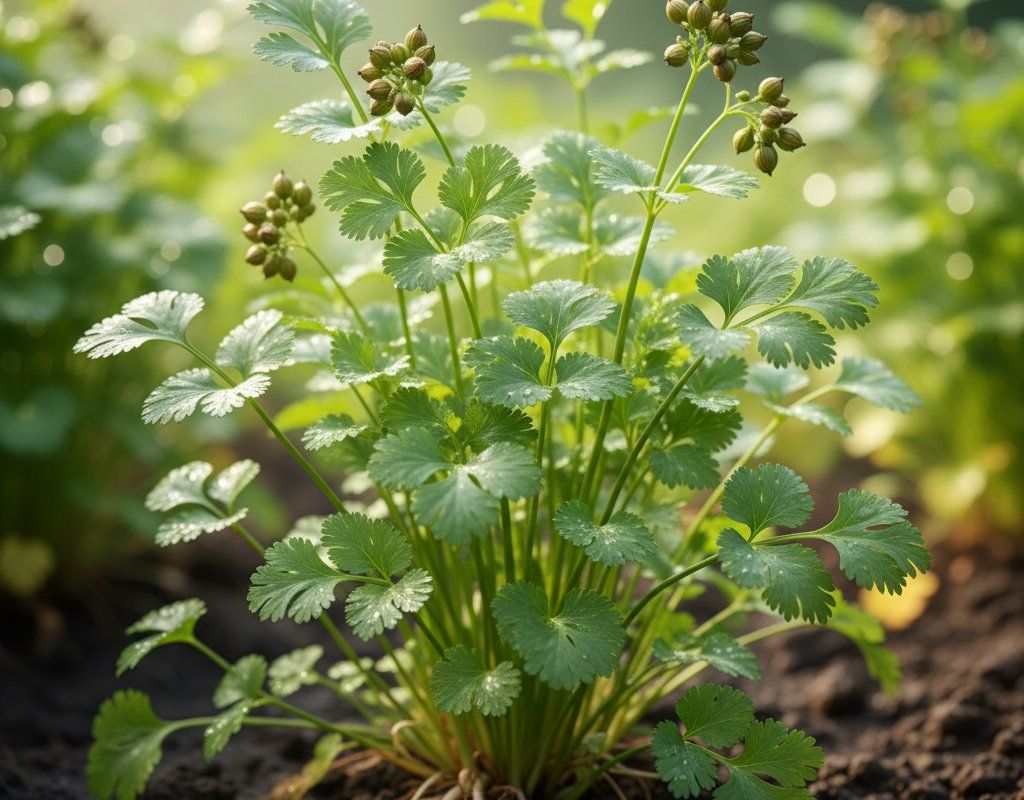
Cilantro in Zone 8B — Florida
Coriandrum sativum · Your Complete 2026 Planting Guide
Time to Buy Starts!
Seed starting window passed, but starts are available now.
Buy Starts Now
Head to your local nursery, Home Depot, or farmers market for transplants.
- Look for stocky plants with dark green leaves
- Avoid leggy seedlings or plants already flowering
- Check that roots aren't circling the pot (rootbound)
How to Plant Cilantro in Zone 8B — Florida
Here are all your options for getting cilantro in the ground, from the easiest method to more advanced approaches.
Direct Sow Seeds
RecommendedEarly February through mid October
around February 1
Consider succession planting every 2-3 weeks for continuous harvest.
Cilantro bolts quickly in heat. Direct sow in cool weather for best results.
Start Seeds Indoors
RecommendedMid January through early February
around January 18
Then transplant: Mid February through late March
Start seeds 4-6 weeks before transplanting outdoors.
Buy Starts
Works WellMid February through late March
around February 15
Plant purchased starts after last frost (February 15).
Transplant Outdoors
Timing InfoMid February through late March
around February 15
Can tolerate light frost, but wait for soil to be workable.
You have a nice window — no need to rush.
Fall Planting
Mid October through mid November
November 3 ideal · Direct sow for fall harvest
Plant a second crop in mid-summer for fall harvest. Cilantro actually prefers the cooling temperatures of fall.
Overview
Cilantro brings that distinctive, bright flavor to your Florida kitchen that you simply can't get from wilted grocery store bunches. In our Zone 8B climate, you can grow fresh cilantro almost year-round, taking advantage of our 303-day growing season to have homegrown herbs for salsa, curry, and pho when you need them most. The key is working with Florida's reversed seasons—planting when it's cool and harvesting through our mild winters.
Yes, our extreme humidity and summer heat present challenges for this cool-weather herb, but timing is everything. Plant cilantro during our cooler months, and you'll avoid the bolting problems that plague summer attempts. With succession planting every few weeks, you can keep a steady supply going from fall through spring.
Starting Seeds Indoors
Starting cilantro seeds indoors makes sense if you want precise timing for transplants, though it's not your only option here in Florida. Start seeds from mid-January through early February, about 4 weeks before you plan to transplant outdoors. Use seed trays with good drainage and keep them in a warm spot—around 65-70°F works well.
Bottom watering helps prevent fungal issues that our humid climate can encourage. Place seed trays in shallow water and let the soil absorb moisture from below rather than misting the surface. Once seedlings emerge, they'll need bright light—a sunny south-facing window or grow lights work best.
Since our spring arrives early compared to northern zones, indoor starting gives you control over timing. You can have sturdy transplants ready when outdoor conditions are perfect in mid-February through late March.
Transplanting Outdoors
Transplant your cilantro seedlings outdoors from mid-February through late March, when nighttime temperatures consistently stay above 40°F. Before moving them outside permanently, harden them off with a week of gradual exposure—start with a few hours of morning shade, then gradually increase their outdoor time.
Space transplants 6-8 inches apart to allow good air circulation, which is crucial in our humid climate. Choose a spot with morning sun and afternoon shade if possible, especially as we head into warmer spring weather. Our sandy soil drains well, but add some compost to help retain moisture around the shallow roots.
Watch the weather during transplant season—late February and March can bring unexpected warm spells that stress young plants. Have row cover ready if temperatures spike above 80°F during the day.
Direct Sowing
Direct sowing works well for cilantro in Florida, especially during our main growing windows from early February through mid-October. The trick is timing it right for cool weather—direct sow in early spring or start again in fall when temperatures begin dropping below 85°F consistently.
Prepare your planting area with loose, well-draining soil mixed with compost. Scatter seeds about 6-8 inches apart and cover lightly with soil. Seeds germinate best when soil temperatures are between 55-68°F, which happens during our cooler months. Water gently but consistently—dried-out soil will cause quick bolting once heat arrives.
Skip summer direct sowing unless you're in a particularly shaded, cooler microclimate. Our hot, humid summers cause cilantro to bolt within weeks, making it more frustrating than productive during peak heat season.
Watering Cilantro in Zone 8B (Florida)
Cilantro needs consistent moisture but not soggy conditions—think of it as a steady drink rather than occasional flooding. During our dry winter months, provide about 1 inch of water per week, checking soil moisture by sticking your finger 2 inches down. If it feels dry at that depth, it's time to water.
Our wet summers present a different challenge. If you're growing cilantro during the rainier months (late spring through early fall), focus on drainage and air circulation rather than regular watering. Too much moisture combined with our extreme humidity creates perfect conditions for fungal problems. Water at the base of plants rather than overhead to keep leaves dry.
Watch for signs of stress: wilting despite moist soil usually means the roots are waterlogged, while rapid bolting often indicates drought stress. In our sandy soil, water tends to drain quickly, so you may need to water more frequently than gardeners in heavier soils—but always check first.
A thin layer of mulch helps retain moisture during dry spells without creating the soggy conditions that encourage disease. Pine straw or shredded leaves work well in our climate.
🧪Fertilizing Cilantro
Feeding Schedule
Organic Fertilizer Options
Harvest Time
Your first cilantro harvest will be ready mid-March through late December, about 45 days from seeding depending on growing conditions. Start harvesting when plants reach 6+ inches tall by cutting outer stems at the base, leaving the center growing point intact for continued production.
Fresh cilantro leaves have the best flavor before the plant bolts—once you see a flower stalk shooting up from the center, the leaves become bitter and tough. In Florida's climate, this happens quickly once temperatures consistently hit the mid-80s, so harvest generously during cooler weather.
Cut stems in the morning when plants are well-hydrated for the best flavor and longest storage life. Take no more than one-third of the plant at a time to keep it producing. If you stay on top of harvesting and keep plants well-watered, you can get multiple cuts from each plant.
As our first frost approaches in mid-December, harvest any remaining cilantro and either use it fresh, freeze it, or let some plants go to seed for coriander spice and next year's planting.
Common Problems in Zone 8B (Florida)
Bolting Your cilantro suddenly sends up a tall flower stalk from the center, and the leaves turn bitter or tough. This is bolting, and in Florida it happens fast once temperatures climb above 80°F consistently or if plants experience drought stress.
Hot weather and long daylight hours trigger this response naturally, but you can delay it by providing afternoon shade and keeping soil consistently moist. Choose slow-bolt varieties like 'Slow Bolt' or 'Calypso' for better heat tolerance. The best prevention is timing—grow cilantro during our cooler months and succession plant every 2-3 weeks for continuous harvest.
Aphids Look for clusters of tiny, soft-bodied insects (usually green or black) on stem tips and leaf undersides, often accompanied by sticky honeydew and curled new growth. These sap-sucking pests multiply rapidly in warm weather and are often tended by ant colonies.
A strong spray from your hose knocks them off effectively, and encouraging beneficial insects like ladybugs helps with long-term control. For heavy infestations, insecticidal soap works well. Avoid over-fertilizing with nitrogen, which creates the tender growth aphids prefer.
Leaf Spot Brown or black spots on leaves, often with yellow halos, indicate fungal leaf spot diseases that thrive in our humid climate. Leaves may turn yellow and drop, especially during wet periods or when overhead watering keeps foliage damp.
Water at soil level rather than spraying leaves, and ensure good air circulation by proper spacing. Remove affected leaves immediately and avoid working around plants when they're wet. In severe cases, apply copper-based fungicides, but prevention through proper cultural practices works better long-term.
Florida Specific Challenges Our extreme humidity and wet summer rainfall create perfect conditions for fungal diseases, while sudden temperature swings can trigger premature bolting. The combination of heat and humidity means cilantro really needs that cool-season timing to thrive—summer attempts usually end in disappointment.
Best Companions for Cilantro
Plant these nearby for healthier Cilantro and better harvests.

Keep Away From

Companion Planting Details
Plant cilantro alongside tomatoes, peppers, and beans—the herb's strong scent helps confuse pests looking for these vegetables, while its low growth habit doesn't compete for space. Spinach makes an excellent companion since both prefer cool weather and similar growing conditions, letting you maximize your cool-season garden space.
Avoid planting cilantro near fennel, which can cross-pollinate and create off-flavors in both plants if they go to seed. In Florida's heat, keeping companions with similar water and shade needs together helps create beneficial microclimates that extend your growing season for cool-weather crops.
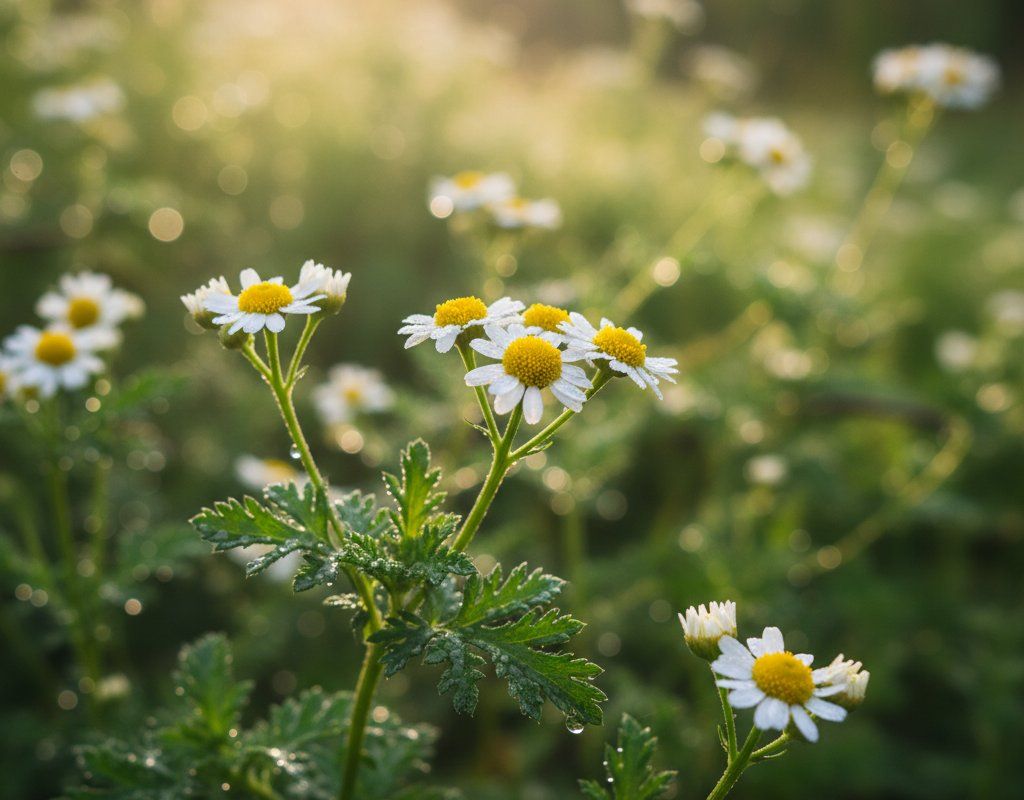
🌸Best Flowers to Plant with Cilantro
These flowers protect your Cilantro from pests and attract pollinators for better harvests.



Get a Reminder When It's Time to Plant
We'll email you when key planting windows open for your zone.