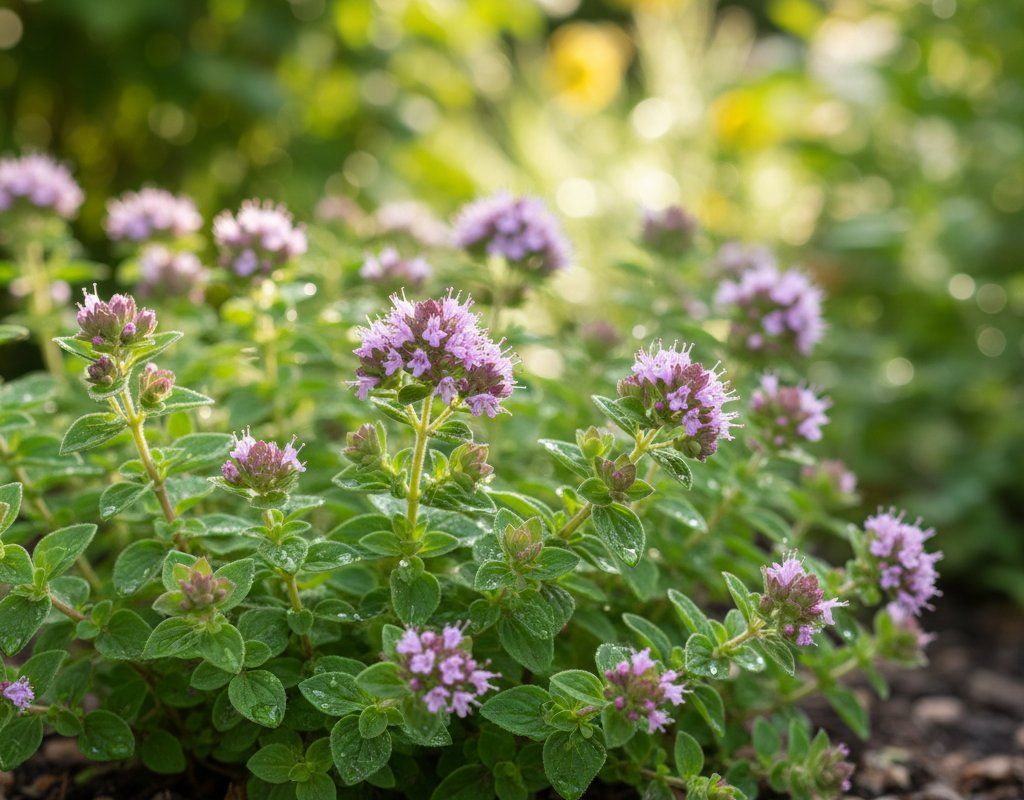
Oregano in Zone 8B — Florida
Origanum vulgare · Your Complete 2026 Planting Guide
Time to Buy Starts!
Seed starting window passed, but starts are available now.
Buy Starts Now
Head to your local nursery, Home Depot, or farmers market for transplants.
- Look for stocky plants with dark green leaves
- Avoid leggy seedlings or plants already flowering
- Check that roots aren't circling the pot (rootbound)
How to Plant Oregano in Zone 8B — Florida
Here are all your options for getting oregano in the ground, from the easiest method to more advanced approaches.
Buy Starts
RecommendedMid February through late March
around February 15
Plant purchased starts after last frost (February 15).
Easy from seed but slow. Starts give faster results.
Start Seeds Indoors
Works WellMid December through early January
around December 21
Then transplant: Mid February through late March
Start seeds 8-10 weeks before transplanting outdoors.
Direct Sow Seeds
Works WellMid February through mid October
around February 15
Consider succession planting every 2-3 weeks for continuous harvest.
Transplant Outdoors
Timing InfoMid February through late March
around February 15
Can tolerate light frost, but wait for soil to be workable.
You have a nice window — no need to rush.
Overview
Oregano thrives in Florida's Zone 8B, giving you fresh, aromatic leaves nearly year-round thanks to our extended growing season. This Mediterranean herb loves our warm winters and adapts well to Florida's sandy soils, producing intensely flavored leaves that make store-bought oregano taste like sawdust in comparison. You'll harvest continuously from spring through fall, and in mild winters, your plants keep producing right through December.
Florida's extreme humidity and wet summers can challenge oregano, but proper timing makes all the difference. Plant in fall or late winter to establish before the brutal summer heat arrives, and you'll have healthy plants that power through our 303-day growing season. The key is working with our reversed Florida gardening calendar instead of fighting it.
Starting Seeds Indoors
Starting oregano seeds indoors makes sense if you want multiple plants or specific varieties not available as transplants. In Florida, start seeds from mid-December through early January, about 8 weeks before your transplant window opens in mid-February. This timing works well since our mild winter temperatures make indoor growing easier than in colder climates.
Set up seed trays in a warm spot (70-75°F) with good light, either near a south-facing window or under grow lights. Oregano seeds are tiny and slow to germinate, taking 10-14 days even with warmth. Use bottom watering to keep seedlings from damping off in our humid conditions - fill a tray with water and let the seed cells absorb moisture from below.
Remember that oregano is slow from seed, so while this method works, you'll get faster results buying transplants in late February when garden centers stock up for our spring planting season.
Transplanting Outdoors
Transplant oregano outdoors from mid-February through late March, after our last frost risk passes but before summer heat becomes overwhelming. This timing gives plants 6-8 weeks to establish strong root systems before facing Florida's intense summer conditions. Choose transplants with sturdy stems and healthy green foliage - avoid any with yellowing or leggy growth.
Harden off transplants gradually over a week, starting with 2-3 hours of morning sun and gradually increasing exposure. Our late February weather can swing between 45°F nights and 80°F days, so this gradual transition prevents shock. Space plants 12-18 inches apart since oregano spreads as it matures, and Florida's humid conditions require good air circulation.
Plant on a calm day when no strong cold fronts are forecast - even though oregano is frost-hardy, newly transplanted roots need time to anchor before facing weather swings. Water thoroughly at planting but avoid overwatering in our already-moist spring conditions.
Direct Sowing
Direct sowing oregano works well in Florida from mid-February through mid-October, though spring and fall plantings perform best. The extended window gives you flexibility, but avoid sowing during peak summer heat (June through August) when germination rates drop and seedlings struggle in 93°F temperatures. Fall sowings from September through mid-October establish beautifully for winter harvests.
Prepare your soil by working in compost to improve drainage - oregano hates wet feet, especially important in our sandy soils that can hold too much moisture during rainy periods. Scatter tiny seeds thinly and barely cover with soil, as they need light to germinate. Keep soil consistently moist but not soggy during the 10-14 day germination period.
Space final plants 12-18 inches apart once seedlings develop their first true leaves. Direct-sown oregano starts slowly but develops stronger root systems than transplants, making them more resilient during our summer survival season.
Watering Oregano in Zone 8B (Florida)
Oregano is refreshingly drought-tolerant once established, making it perfect for Florida gardeners dealing with water restrictions and sandy soils that drain quickly. During the first month after planting, water deeply twice weekly to establish roots, then reduce to once weekly or less. In our wet summer months (June through September), you may not need to water at all thanks to our 50-65 inches of annual rainfall.
Use the finger test - stick your finger 2 inches into soil near the plant base. If it's dry, water deeply until you see moisture draining from the bottom. During our dry winter and spring months, oregano typically needs about 1 inch of water per week, but always check soil moisture first. Our high humidity can make soil appear wet on top while being dry underneath.
Water at the base rather than overhead to prevent fungal issues in our very humid conditions. Morning watering is ideal, allowing plants to dry before evening humidity peaks. Overwatering actually dilutes oregano's essential oils, giving you bland-tasting leaves instead of the intense flavor you want.
Apply 2-3 inches of mulch around plants to retain moisture during dry spells and prevent soil splashing during heavy summer downpours. Pine straw or shredded leaves work well in Florida's climate, breaking down slowly and improving our sandy soil structure over time.
Pruning & Maintaining Oregano
Oregano needs minimal pruning, but strategic cuts keep plants productive and compact in Florida's growing conditions. Pinch off flower buds as they appear to maintain leaf production and prevent plants from going to seed - in our long growing season, oregano can flower multiple times if left unchecked. Regular harvesting naturally prunes the plant and encourages bushy growth.
Cut plants back by one-third in midsummer (July) when they start looking leggy or stressed from heat. This rejuvenation pruning encourages fresh, tender growth that will carry you through fall and winter harvests. The new growth often has better flavor than older, woody stems that have endured Florida's summer heat.
In late fall, around mid-November, cut plants back to 2 inches above ground level. While oregano is hardy enough to survive our mild winters, this hard pruning removes any hurricane-damaged or disease-prone growth and prepares plants for fresh spring growth. Don't worry - they'll bounce back quickly as temperatures warm in late February.
🧪Fertilizing Oregano
Feeding Schedule
Organic Fertilizer Options
Harvest Time
Your first oregano harvest begins in early April, about 45 days after spring planting, and continues through late December in most years. Wait until plants reach 4+ inches tall before taking your first cuttings - this ensures they have enough energy stored in their roots to keep producing. The beauty of oregano is its continuous harvest nature, rewarding you with fresh leaves as long as you keep cutting.
Harvest sprigs by cutting stems just above a pair of leaves, which encourages branching and more production. Take no more than one-third of the plant at any harvest to avoid stressing it during Florida's challenging summer months. The best flavor comes just before plants flower, when essential oil concentration peaks - you'll notice the leaves smell more intense and pungent.
For the strongest flavor, harvest in the morning after dew dries but before afternoon heat builds. During summer, oregano may taste slightly milder due to heat stress, but fall and winter harvests often have the most intense flavor as plants recover from summer survival mode.
As first frost approaches in mid-December, harvest heavily and dry or freeze what you can't use fresh. Even if plants survive our mild winters, having a preserved supply ensures you're not left without oregano if an unexpected hard freeze damages your plants.
Common Problems in Zone 8B (Florida)
Root Rot Yellowing leaves that start from the bottom up, musty smell from soil, and plants that wilt despite moist soil all signal root rot. In Florida's humid conditions and frequent summer downpours, oregano roots can suffocate in waterlogged soil, especially in heavy clay or poorly draining areas. Improve drainage by planting in raised beds or adding coarse sand and compost to your soil. Water only when the top 2 inches of soil are dry, and ensure good air circulation around plants to reduce humidity levels near the ground.
Aphids Look for clusters of tiny green, black, or white insects on stems and leaf undersides, often accompanied by sticky honeydew residue and curled new growth. Florida's warm temperatures allow aphid populations to explode rapidly, and they're particularly troublesome during spring and fall when plants are actively growing. Blast them off with a strong water spray from your hose - this simple method works better than most sprays. Encourage natural predators like ladybugs by avoiding broad-spectrum pesticides, and use insecticidal soap for heavy infestations.
Spider Mites Fine stippling on leaves (tiny white dots), bronze or yellow discoloration, and fine webbing between stems indicate spider mites. These microscopic pests thrive in Florida's hot, dry conditions, especially during drought periods or when plants are stressed from summer heat. Increase humidity around plants with mulch and consistent soil moisture, then spray affected areas daily with water for a week. This disrupts their life cycle better than chemical controls and works with our natural rainfall patterns.
Florida Specific Challenges Florida's combination of extreme humidity, intense summer heat, and heavy rainfall creates perfect conditions for fungal problems while stressing oregano plants. Our sandy soils drain quickly but don't hold nutrients well, requiring more attention to soil improvement than gardeners in other regions. Hurricane season can damage mature plants, making late-season pruning and propagation important for maintaining your oregano patch year after year.
Best Companions for Oregano
Plant these nearby for healthier Oregano and better harvests.

Keep Away From
Companion Planting Details
Oregano makes an excellent companion for peppers and tomatoes in Florida gardens, as its strong scent helps repel common pests like aphids and spider mites that plague these warm-season crops. Plant oregano around the edges of your pepper beds or between tomato plants - the herbs will be ready to harvest when your summer vegetables start producing, giving you fresh ingredients for the same dishes. Oregano also pairs well with squash and beans since its low water needs complement these crops during our wet summer months.
Avoid planting oregano near water-loving herbs like mint or basil, as their different moisture requirements create management challenges in Florida's variable rainfall patterns. The spreading nature of oregano can also overwhelm smaller, more delicate herbs if planted too closely. Give oregano its own space where it can spread naturally and where its drought tolerance becomes an advantage rather than a mismatch with thirstier neighbors.
🌸Best Flowers to Plant with Oregano
These flowers protect your Oregano from pests and attract pollinators for better harvests.
For Pest Control



Get a Reminder When It's Time to Plant
We'll email you when key planting windows open for your zone.