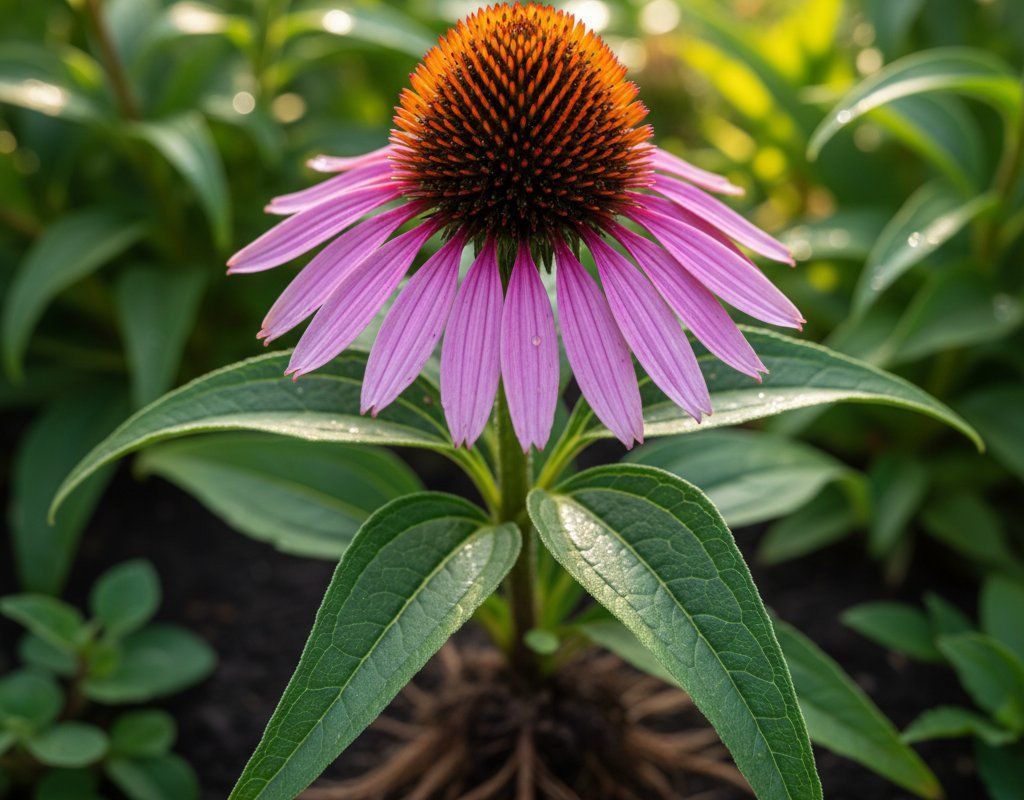
Echinacea in Zone 3A — Mountain West
Echinacea purpurea · Your Complete 2026 Planting Guide
Planning Ahead — Great!
You’re ahead of the season. Here’s when to start.
Mark Your Calendar
How to Plant Echinacea in Zone 3A — Mountain West
Here are all your options for getting echinacea in the ground, from the easiest method to more advanced approaches.
Buy Starts
RecommendedEarly June
around June 1
Plant purchased starts after last frost (June 1).
Perennial. Seeds need cold stratification. Buy starts for easier results.
Start Seeds Indoors
Works WellLate March through mid April
around April 6
Then transplant: Early June
Start seeds 8-10 weeks before transplanting outdoors.
Direct Sow Seeds
Works WellDirect sowing is not typical for Echinacea.
Transplant Outdoors
Timing InfoEarly June
around June 1
Can tolerate light frost, but wait for soil to be workable.
Timing is critical in your zone — don’t delay!
Overview
Echinacea, or coneflower, is a fantastic addition to any Mountain West garden. Not only does it offer beautiful blooms that attract pollinators, but it's also incredibly hardy and drought-tolerant, perfect for our intense sun and dry conditions. Plus, those cool nights we get even in summer seem to intensify the flower color and fragrance.
Our short growing season and alkaline soil can be a challenge, but with a little planning, Echinacea thrives here. The key is getting a head start and choosing the right spot. With our 96-day growing season, you can definitely enjoy these vibrant flowers in your garden.
Starting Seeds Indoors
Starting Echinacea indoors can give you a jump on our short season, but honestly, it's often easier to buy starts from a local nursery. However, if you're eager to start from seed, aim for late March through mid April, about 8 weeks before you plan to transplant.
Use seed trays with a good seed-starting mix and provide warmth and plenty of light – a grow light is ideal. Remember to bottom water your seedlings to prevent damping off, a common issue in our cool spring conditions.
Transplanting Outdoors
Transplant your Echinacea seedlings outdoors around early June, once the risk of frost has passed. Before planting, harden them off for about a week by gradually exposing them to outdoor conditions. This helps them adjust to our intense UV and fluctuating temperatures.
Space your plants 18-24 inches apart. Echinacea is a perennial, so choose a location where it can thrive for years. Given our alkaline soil, consider amending the planting hole with compost. Keep in mind that Echinacea seeds need cold stratification, so buying starts might be easier for consistent results.
Watering Echinacea in Zone 3A (Mountain West)
Echinacea is very drought-tolerant once established, which is great for our dry Mountain West climate. After the initial transplant, water regularly until the plants are settled in, but then ease off. Overwatering is a bigger threat than underwatering here.
During the peak of summer, when temperatures are highest, check the soil moisture using the finger test – stick your finger about 2 inches deep. If it's dry, water deeply, aiming for about an inch of water per week, delivered all at once. Water at the base of the plant rather than overhead to minimize any potential for fungal issues in our low-humidity environment.
Signs of underwatering include wilting leaves and stunted growth. Overwatering can lead to yellowing leaves and root rot. A layer of mulch, like gravel or pine needles, can help retain moisture and regulate soil temperature.
Pruning & Maintaining Echinacea
Deadheading is key to encouraging more blooms on your Echinacea plants. Throughout the summer, simply snip off the spent flower heads just below the bloom. This directs the plant's energy into producing more flowers instead of seeds.
However, in late summer or early fall, you can leave some seed heads on the plants. These provide food for birds, especially goldfinches, and add winter interest to your garden. Once the foliage dies back after our first frost around early September, cut the plants back to the ground.
🧪Fertilizing Echinacea
Feeding Schedule
Organic Fertilizer Options
Harvest Time
You can expect your first Echinacea harvest from late August through mid September, about 90 days after transplanting. The flowers will be in full bloom, vibrant and colorful. If you plan to use the petals for tea, harvest the flowers when they are fully open but before they start to fade.
To harvest, simply cut the flower stems near the base of the plant. Leaving some seed heads on the plant will attract birds and allow the plant to self-seed, ensuring you have more Echinacea next year. Echinacea offers continuous blooms throughout the summer, so you can harvest multiple times.
As our first frost approaches in early September, harvest any remaining flowers.
Common Problems in Zone 3A (Mountain West)
Here are a few common problems you might encounter with Echinacea in the Mountain West:
Aster Yellows
- What it looks like: Distorted, greenish flowers, stunted growth, and yellowing leaves. The plant looks generally unhealthy and deformed.
- What causes it: A phytoplasma (bacteria-like organism) transmitted by leafhoppers. Leafhoppers thrive in hot, dry conditions, which we often experience.
- How to fix/prevent it: Unfortunately, there's no cure. Remove and destroy infected plants immediately to prevent the spread. Control leafhopper populations with insecticidal soap or neem oil.
Powdery Mildew
- What it looks like: White or grayish powdery coating on leaves and stems. Leaves might curl, yellow, and die.
- What causes it: Fungi that thrive in warm days, cool nights, and moderate humidity. While we have low humidity overall, microclimates in your garden can create favorable conditions.
- How to fix/prevent it: Improve air circulation by spacing plants properly. Remove affected leaves. Neem oil or potassium bicarbonate sprays can help. A milk spray (1 part milk to 9 parts water) can also be effective.
Japanese Beetles
- What it looks like: Metallic green beetles that skeletonize leaves, leaving a lacy appearance.
- What causes it: Japanese beetles are attracted to the scent of certain plants, including Echinacea.
- How to fix/prevent it: Handpick beetles off plants and drop them into a bucket of soapy water. Use insecticidal soap or neem oil. Floating row covers can protect plants, but they also block pollinators.
Mountain West Specific Challenges: Our intense UV light can sometimes stress plants, making them more susceptible to diseases. The low humidity generally helps prevent fungal issues, but proper spacing and watering practices are still essential. Be prepared for occasional hail, which can damage leaves and flowers.
Best Companions for Echinacea
Plant these nearby for healthier Echinacea and better harvests.
View Full Companion Planting Chart →

Companion Planting Details
Echinacea benefits from companion planting. Tomatoes and peppers make good companions because they enjoy similar sun and soil conditions. The tall tomato plants can provide some afternoon shade, protecting Echinacea from our intense sun, while Echinacea attracts beneficial insects that can help pollinate your peppers.
Herbs like rosemary and thyme are also great companions. They attract beneficial insects and their strong scents can deter pests. Avoid planting Echinacea near aggressive spreaders like mint, as they can compete for resources in our already challenging growing environment.
🥬Best Vegetables to Pair With Echinacea
Echinacea benefits these vegetables through pest control, pollinator attraction, or improved garden health.





Get a Reminder When It's Time to Plant
We'll email you when key planting windows open for your zone.