
Echinacea in Zone 7A — Midwest
Echinacea purpurea · Your Complete 2026 Planting Guide
Missed Seed Starting? No Problem!
Wait for starts to become available.
What to Do
Starts will be available at nurseries in 37 days (around April 10).
How to Plant Echinacea in Zone 7A — Midwest
Here are all your options for getting echinacea in the ground, from the easiest method to more advanced approaches.
Buy Starts
RecommendedEarly April through early May
around April 10
Plant purchased starts after last frost (April 10).
Perennial. Seeds need cold stratification. Buy starts for easier results.
Start Seeds Indoors
Works WellEarly to late February
around February 13
Then transplant: Early April through early May
Start seeds 8-10 weeks before transplanting outdoors.
Direct Sow Seeds
Works WellEarly April through early July
around April 10
Consider succession planting every 2-3 weeks for continuous harvest.
Transplant Outdoors
Timing InfoEarly April through early May
around April 10
Can tolerate light frost, but wait for soil to be workable.
Plan to transplant within a few weeks of your target date.
Overview
Echinacea, or coneflowers, are a fantastic addition to any Midwest garden. Not only are they beautiful with their daisy-like blooms in shades of purple, pink, and white, but they also attract pollinators like butterflies and bees to your garden. Plus, they're known for their medicinal properties, so you can even harvest the petals for tea!
Our Midwest weather can be unpredictable, with cold winters and the occasional summer heat spell, but Echinacea is a hardy perennial that can handle it. With our 193-day growing season, you'll have plenty of time to enjoy these beauties year after year. Just watch for those late frosts in spring!
Starting Seeds Indoors
Starting Echinacea indoors is an option, especially if you're eager to get a head start. Begin in early to late February, about 8 weeks before you plan to transplant them outdoors. You'll need seed trays, a good seed-starting mix, and a warm, well-lit area or grow lights.
Keep the soil consistently moist by bottom watering to avoid damping off. Given our moderate-to-late springs here in the Midwest, starting indoors can give your Echinacea a jumpstart, but honestly, buying starts from a local nursery is often easier and just as effective.
Transplanting Outdoors
Transplanting Echinacea seedlings outdoors should happen in early April through early May. Before you move them to their final home, harden them off by gradually exposing them to outdoor conditions for about a week. This helps them adjust to the Midwest weather.
Space your Echinacea plants 18-24 inches apart to give them room to grow. Keep an eye on the weather forecast, as late frosts can still occur during this time. Remember, Echinacea is a perennial, but the seeds need cold stratification. Honestly, for easier results, just buy established starts.
Direct Sowing
Direct sowing Echinacea is a viable option, especially if you're not in a rush. Sow seeds directly into the garden in early April through early July. Make sure the soil is well-drained and the soil temperature is consistently around 60-70°F.
Prepare the soil by loosening it and removing any weeds. Sow seeds about 1/4 inch deep and space them 18-24 inches apart. Keep the soil consistently moist until the seedlings emerge. Direct sowing is easy, but remember that the plants might not flower until the following year.
Watering Echinacea in Zone 7A (Midwest)
Echinacea is known for being drought-tolerant once established, making it a great choice for Midwest gardens. In our region, with its moderate-to-hot summers and moderate-to-humid conditions, overwatering is more of a concern than underwatering. Remember, we also get a good amount of wet-summer rainfall.
During the first few weeks after planting, water regularly to help the plants establish strong roots. After that, let the soil dry out between waterings. Use the finger test: stick your finger about 2 inches deep into the soil. If it feels dry, it's time to water. Aim for about 1 inch of water per week, including rainfall.
Water at the base of the plants to avoid wetting the foliage, which can lead to fungal diseases in our humid climate. Signs of underwatering include wilting leaves, while overwatering can cause yellowing leaves and root rot. Mulching around the plants can help retain moisture and suppress weeds.
Pruning & Maintaining Echinacea
Pruning Echinacea is simple and helps encourage more blooms. Deadhead the spent flowers throughout the growing season to encourage more blooms. Simply cut the stem just below the flower head.
In late winter, after the first frost around mid- October, cut back the entire plant to the ground. However, if you want to provide food for birds during the winter and add some winter interest to your garden, leave some of the seed heads intact. Goldfinches love them!
🧪Fertilizing Echinacea
Feeding Schedule
Organic Fertilizer Options
Harvest Time
You can expect your first Echinacea harvest from early July through late October, about 90 days after planting. The flowers will be in full bloom during this time, providing a beautiful display in your garden. Leave some seed heads for the goldfinches.
Harvest the petals for tea when the flowers are fully open and the petals are vibrant. Simply snip the petals off the flower head. To encourage continued production, harvest regularly and remove any spent flowers.
As the first frost approaches in mid- October, you can harvest any remaining flowers and petals. Dry them for later use in teas or other herbal remedies. Echinacea doesn't really "ripen" off the vine, so focus on harvesting when the flowers are at their peak.
Common Problems in Zone 7A (Midwest)
Here are some common problems you might encounter with Echinacea in the Midwest:
Aster Yellows
- What it looks like: Distorted, greenish flowers and stunted growth. The plant may also develop yellowed leaves and an overall decline in vigor.
- What causes it: A phytoplasma (bacteria-like organism) transmitted by leafhoppers. This is more common during our summer heat spells when leafhoppers are most active.
- How to fix/prevent it: Unfortunately, there's no cure for aster yellows. Remove and destroy infected plants immediately to prevent the spread of the disease. Control leafhopper populations with insecticidal soap or neem oil.
Powdery Mildew
- What it looks like: White or grayish powdery coating on leaves, stems, and sometimes flower heads. Leaves may curl, yellow, and die.
- What causes it: Various fungi that thrive in warm days, cool nights, and moderate humidity – conditions we often experience in the Midwest. Dry leaf surfaces actually favor it.
- How to fix/prevent it: Improve air circulation by spacing plants adequately and pruning if needed. Remove affected leaves promptly. Neem oil or potassium bicarbonate sprays can help. A milk spray (1 part milk to 9 parts water) is surprisingly effective. Plant resistant varieties if possible.
Japanese Beetles
- What it looks like: Skeletonized leaves, where only the veins remain. You'll likely see the beetles themselves, metallic green with bronze wings, feeding on the plants.
- What causes it: Japanese beetles are a common pest in the Midwest during the summer. They are attracted to the foliage and flowers of many plants, including Echinacea.
- How to fix/prevent it: Handpick beetles off the plants and drop them into a bucket of soapy water. Apply neem oil or insecticidal soap to deter them. Floating row covers can protect plants, but only if beetles aren't already present.
Midwest Specific Challenges: Our moderate-to-hot summers and moderate-to-humid conditions can create a favorable environment for powdery mildew and Japanese beetles. The wet-summer rainfall can also exacerbate fungal issues if plants are not properly spaced for good air circulation. Be vigilant in monitoring your plants and take action promptly to address any problems.
Best Companions for Echinacea
Plant these nearby for healthier Echinacea and better harvests.
View Full Companion Planting Chart →

Companion Planting Details
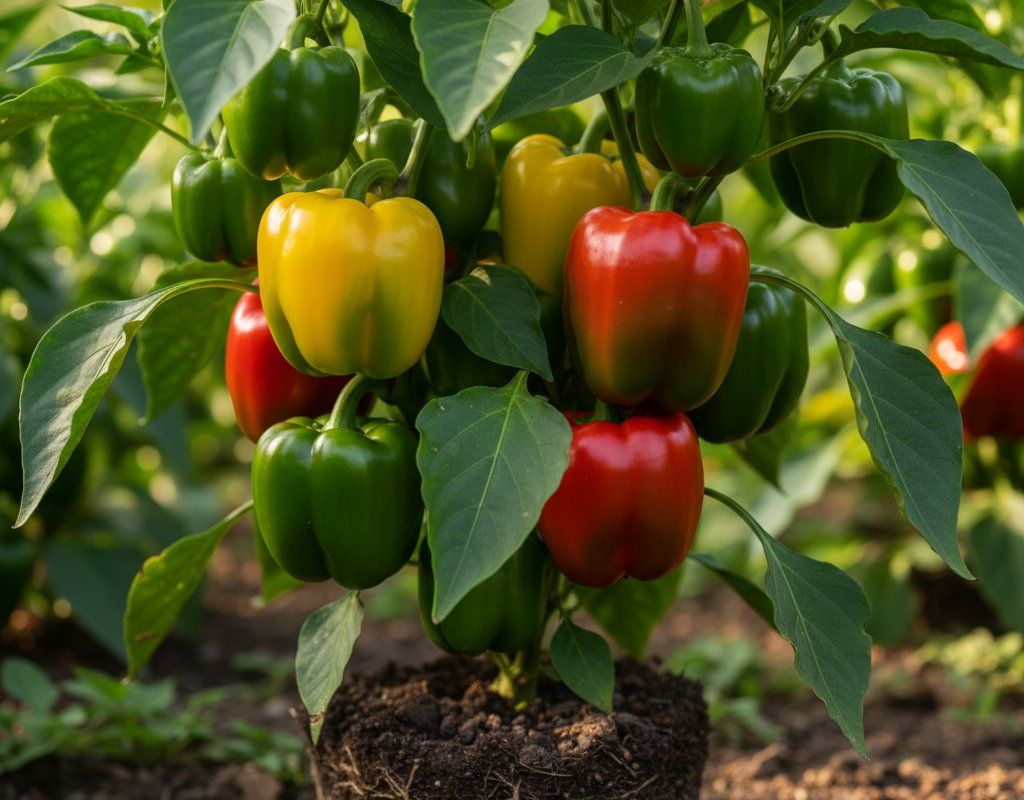
Echinacea thrives alongside certain companion plants in the Midwest garden. Tomatoes and peppers make great companions because they enjoy similar growing conditions: full sun and well-drained soil. Plus, the presence of Echinacea can attract pollinators, which benefit your tomato and pepper plants.
Many herbs, such as rosemary and thyme, also make excellent companions for Echinacea. These herbs can help deter pests and attract beneficial insects. Avoid planting Echinacea near anything that needs constant babying, as they like lean, mean conditions.
🥬Best Vegetables to Pair With Echinacea
Echinacea benefits these vegetables through pest control, pollinator attraction, or improved garden health.




Get a Reminder When It's Time to Plant
We'll email you when key planting windows open for your zone.