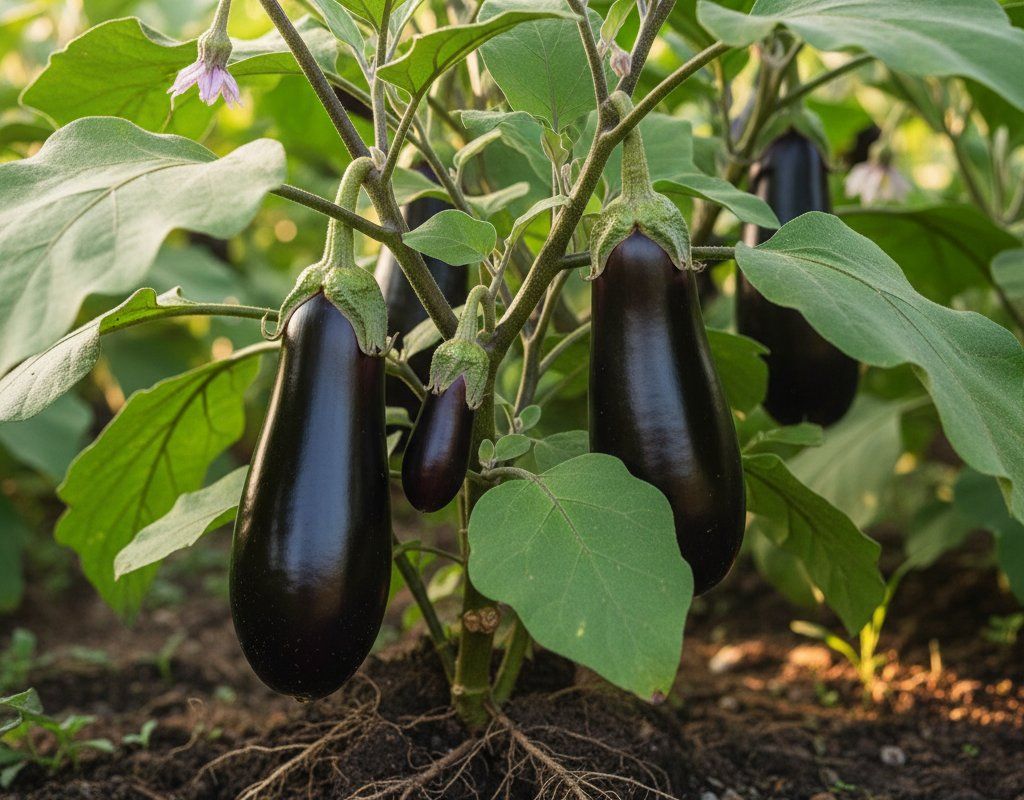
Eggplant in Zone 5B — Mountain West
Solanum melongena · Your Complete 2026 Planting Guide
Planning Ahead — Great!
You’re ahead of the season. Here’s when to start.
Mark Your Calendar
How to Plant Eggplant in Zone 5B — Mountain West
Here are all your options for getting eggplant in the ground, from the easiest method to more advanced approaches.
Start Seeds Indoors
RecommendedLate March through mid April
around March 31
Then transplant: Late May through late June
Start seeds 8-10 weeks before transplanting outdoors.
Eggplant needs warm soil and a long season. Start 8-10 weeks early.
Buy Starts
Works WellLate May through late June
around May 26
Plant purchased starts after last frost (May 5).
Wait until soil is truly warm (65°F+) before transplanting.
Direct Sow Seeds
ChallengingDirect sowing is not typical for Eggplant.
Transplant Outdoors
Timing InfoLate May through late June
around May 26
Wait until nighttime temperatures stay above 50°F.
You have a nice window — no need to rush.
Overview
Eggplant might seem like a stretch for our short Mountain growing season, but the unique flavor you get from cool nights is well worth the effort. The taste is richer and more complex than anything you'll find at the store. Plus, there's nothing quite like the satisfaction of harvesting those glossy purple jewels from your own high-altitude garden.
Our short season and cool nights definitely present a challenge, but with a little planning and the right timing, you can absolutely grow eggplant here. Starting seeds indoors gives you a head start, and choosing the right varieties ensures you'll have a productive harvest within our 149-day window.
Starting Seeds Indoors
Starting eggplant indoors is essential for us here in the Mountain West. Get your seeds going from late March through mid April, about eight weeks before you plan to transplant them outside. Eggplant needs warm soil to germinate, so use a heat mat under your seed trays.
Use a good quality seed starting mix and sow seeds about ¼ inch deep. Keep the soil consistently moist, and bottom watering is a great way to avoid damping off. Once seedlings emerge, provide plenty of light – a grow light works best. Remember, our spring weather is often unpredictable, so starting indoors gives your eggplant a fighting chance.
Transplanting Outdoors
Transplanting eggplant outdoors should happen from late May through late June, once the risk of frost has passed and the soil has warmed up. Before transplanting, harden off your seedlings by gradually exposing them to outdoor conditions for about a week. Start with an hour or two of shade and increase the time each day.
Plant your eggplant seedlings 18-24 inches apart in a sunny spot with well-drained soil. Keep an eye on the weather forecast – a late frost can still happen! If frost threatens, cover your plants with row covers or blankets.
Watering Eggplant in Zone 5B (Mountain West)
Eggplant needs consistent moisture to thrive, especially in our dry Mountain climate. Water deeply and regularly, aiming for about 1-2 inches of water per week, depending on rainfall. The finger test is your friend: stick your finger about 2 inches into the soil, and if it feels dry, it's time to water.
Water at the base of the plant to avoid wetting the foliage, which can lead to fungal problems in some situations, though our low humidity usually keeps that in check. Signs of underwatering include wilting leaves and dry soil. Overwatering can cause yellowing leaves and root rot.
Mulching around your eggplant plants with straw or wood chips helps retain moisture in our dry climate, suppress weeds, and regulate soil temperature. During the hottest part of the summer, you might need to water daily, especially if your plants are in containers.
Supporting Your Eggplant
Eggplant branches are prone to snapping under the weight of the fruit, so providing support is crucial. A sturdy stake works best for most eggplant varieties.
Install the stake at planting time, positioning it close to the main stem. As the plant grows, gently tie the main stem to the stake with soft twine or plant ties. This will keep the plant upright and prevent the fruit from touching the ground, which can lead to rot.
Pruning & Maintaining Eggplant
Eggplant doesn't require heavy pruning, but a little maintenance can improve air circulation and fruit production. Remove any suckers (small shoots) that grow below the first main branch fork.
Later in the season, you can also remove some of the lower leaves to improve air circulation and allow more sunlight to reach the fruit. Towards the end of the season, as our first frost approaches in early October, you can pinch off any new flowers to encourage the plant to focus its energy on ripening the existing fruit.
🧪Fertilizing Eggplant
Feeding Schedule
Organic Fertilizer Options
Harvest Time
You can expect your first eggplant harvest from early August through late September, about 70 days after transplanting. The best time to harvest is when the skin is glossy and the fruit feels firm but slightly yields when you gently press it. Dull skin indicates the fruit is overripe and may be seedy.
Use a sharp knife or pruning shears to cut the eggplant from the plant, leaving a short stem attached. Avoid pulling the fruit, as this can damage the plant. Eggplant will continue to produce fruit as long as you keep harvesting, so check your plants regularly.
As the first frost approaches in early October, harvest any remaining eggplant, even if they're not fully ripe. Smaller fruit can still be used in cooking, or you can try ripening them indoors in a warm, sunny spot.
Common Problems in Zone 5B (Mountain West)
- What it looks like: Tiny round holes (shot-hole pattern) in leaves. Small dark beetles that jump when disturbed. Worst damage to young seedlings.
- What causes it: Small jumping beetles that feed on leaves of brassicas, eggplant, and other crops. Most damaging to small, young plants.
- How to fix/prevent it: Row covers protect seedlings during vulnerable stage. Delay planting until plants are larger. Kaolin clay coating. Neem oil spray. Interplant with basil or catnip. Healthy, vigorous plants outgrow damage.
- What it looks like: Yellow and black striped beetles and orange larvae feeding on leaves. Defoliation can weaken or kill plants.
- What causes it: These beetles are attracted to the Solanaceae family, which includes eggplant, potatoes, and tomatoes. They can overwinter in the soil and emerge in spring to feed.
- How to fix/prevent it: Handpick beetles and larvae off plants. Use row covers to protect young plants. Rotate crops to disrupt their life cycle. Introduce beneficial insects like ladybugs and lacewings. Insecticidal soap or neem oil can also be effective.
- What it looks like: Lower leaves yellow, wilt, and die, progressing upward. One side of plant may be affected first. Brown streaks in stem cross-section.
- What causes it: Soil-borne fungus that persists for years. Cooler soil temperatures favor it (unlike fusarium). Wide host range.
- How to fix/prevent it: No cure — remove infected plants. Rotate with non-susceptible crops (corn, grains). Solarize soil. Plant resistant varieties (look for 'V' on labels).
- What it looks like: Flowers fall off without setting fruit. Small fruit yellows and drops. Plant looks healthy but produces no fruit.
- What causes it: Temperature stress. Eggplant flowers don't set fruit well when nights are consistently cool. Also caused by low humidity, excess nitrogen, or poor pollination.
- How to fix/prevent it: Be patient — fruit set resumes when temperatures moderate. Provide afternoon shade during extreme heat. Keep plants well-watered. Avoid excess nitrogen. Try hand-pollination.
Mountain West Specific Challenges: Our moderate-at-altitude summer heat and low humidity can actually be beneficial for eggplant, reducing the risk of fungal diseases. However, our cool nights can sometimes lead to blossom drop. Consistent watering is key to prevent stress. The intense UV at our high altitude can also stress plants, so consider providing some afternoon shade during the hottest part of the day.
Best Companions for Eggplant
Plant these nearby for healthier Eggplant and better harvests.



Keep Away From

Companion Planting Details
Eggplant benefits from companion planting in the Mountain West. Green beans are a great companion because they fix nitrogen in the soil, which helps eggplant grow. Peppers and tomatoes are also good companions because they have similar growing requirements and can provide shade for each other. Spinach can be planted as a ground cover to help retain moisture and suppress weeds.
Avoid planting fennel near eggplant, as it inhibits growth.
🌸Best Flowers to Plant with Eggplant
These flowers protect your Eggplant from pests and attract pollinators for better harvests.
For Pest Control




Get a Reminder When It's Time to Plant
We'll email you when key planting windows open for your zone.