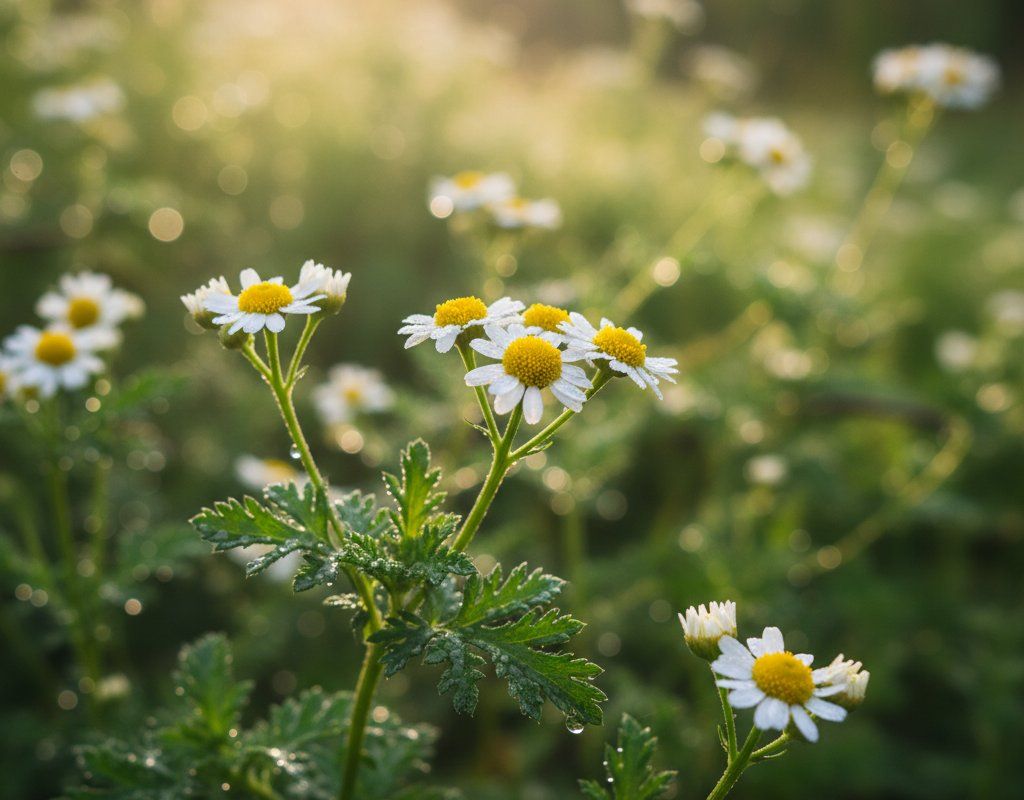
Feverfew in Zone 8B — Southeast
Tanacetum parthenium · Your Complete 2026 Planting Guide
Time to Buy Starts!
Seed starting window passed, but starts are available now.
Buy Starts Now
Head to your local nursery, Home Depot, or farmers market for transplants.
- Look for stocky plants with dark green leaves
- Avoid leggy seedlings or plants already flowering
- Check that roots aren't circling the pot (rootbound)
How to Plant Feverfew in Zone 8B — Southeast
Here are all your options for getting feverfew in the ground, from the easiest method to more advanced approaches.
Direct Sow Seeds
RecommendedEarly March through late August
around March 10
Consider succession planting every 2-3 weeks for continuous harvest.
Start Seeds Indoors
RecommendedLate December through mid January
around January 6
Then transplant: Early to late March
Start seeds 8-10 weeks before transplanting outdoors.
Buy Starts
Works WellEarly to late March
around March 3
Plant purchased starts after last frost (March 10).
Transplant Outdoors
Timing InfoEarly to late March
around March 3
Can tolerate light frost, but wait for soil to be workable.
You have a nice window — no need to rush.
Overview
Feverfew is a fantastic addition to any Zone 8B Southeast garden. Its cheerful, daisy-like flowers bring brightness, and its reputation as a traditional herbal remedy adds a layer of satisfaction. Plus, it attracts beneficial insects, making it a valuable companion plant in our long, warm summers.
Our hot and humid climate does present challenges like fungal disease and pest pressure, but with proper timing and a few preventative measures, you can easily grow healthy Feverfew. Our long growing season of around 255 days gives you plenty of time to enjoy this hardy plant.
Starting Seeds Indoors
Starting Feverfew indoors in the Southeast is an option, particularly if you want a head start on blooms. Begin sowing seeds late December through mid January, about eight weeks before you plan to transplant them outdoors. This gives the seedlings a chance to mature before our moderate spring weather arrives.
Use seed trays filled with a good seed-starting mix. Ensure they have bottom drainage, and water from the bottom to prevent damping off. Keep the trays in a warm location with plenty of light – a sunny windowsill or under grow lights works well.
Transplanting Outdoors
Transplant your Feverfew seedlings outdoors in early to late March, once the threat of frost has passed. Before planting, harden off the seedlings by gradually exposing them to outdoor conditions for about a week. This prevents transplant shock.
Choose a sunny or partially shaded spot with well-draining soil. Space the plants 12-15 inches apart to allow for adequate air circulation, which is crucial in our humid climate. Be mindful of any late-season temperature dips that are common in March.
Direct Sowing
Direct sowing Feverfew is a convenient option for Southeast gardeners. Sow the seeds early March through late August, after the soil has warmed up a bit. Ensure the soil is loose and well-draining.
Lightly press the seeds into the soil – they need light to germinate. Keep the soil consistently moist until seedlings emerge. Thin the seedlings to 12-15 inches apart once they are a few inches tall. Direct sowing avoids transplant shock, but requires more vigilance against weeds and pests early on.
Watering Feverfew in Zone 8B (Southeast)
Feverfew is relatively low-maintenance when it comes to watering, which is great news for us in the Southeast. Once established, it's quite drought-tolerant, but consistent moisture is key early on. Remember, our summers get hot and humid, and while we get reliable afternoon thunderstorms, consistent watering habits are still critical.
During the spring and early summer, before the rains become more consistent, water deeply about once a week, providing about an inch of water. Use the "finger test" – stick your finger about two inches into the soil. If it feels dry, it's time to water. As the summer heat intensifies, monitor the soil moisture more closely.
Water at the base of the plant to avoid wetting the foliage, which can encourage fungal diseases in our humid climate. Signs of underwatering include wilting and yellowing leaves. Overwatering can lead to root rot, so ensure the soil is well-draining. Adding a layer of mulch around the base of the plants helps retain moisture and suppress weeds.
Pruning & Maintaining Feverfew
Pruning Feverfew is straightforward and helps keep it blooming throughout our long summer. The key is to deadhead regularly. This means removing spent flowers as soon as they start to fade.
Deadheading encourages the plant to produce more blooms instead of putting energy into seed production. Cut back the entire plant after the main flowering flush in late summer to encourage a second bloom. In late fall, as the first frost approaches around mid- November, you can leave the last blooms on the plant for overwintering seeds, or cut the plant back completely. Just be aware that Feverfew self-seeds aggressively.
🧪Fertilizing Feverfew
Feeding Schedule
Organic Fertilizer Options
Harvest Time
You can expect your first Feverfew harvest mid May through late November in the Southeast. The plants are ready to harvest when the small, daisy-like flowers are fully open. The leaves can also be harvested for their herbal properties.
To harvest, simply snip off the flower heads or individual leaves with clean scissors or pruners. For continuous production, harvest regularly to encourage new growth. Even as the first frost approaches in mid- November, you can often extend the harvest by covering the plants during cold snaps.
Common Problems in Zone 8B (Southeast)
Here are some common problems you might encounter with Feverfew in the Southeast:
Self-Seeds Prolifically
- What it looks like: Seedlings popping up everywhere in your garden where you didn't plant them.
- What causes it: Feverfew readily drops its seeds, and our long growing season allows them ample time to germinate.
- How to fix/prevent it: Deadhead spent flowers regularly to prevent seed formation. If you want to save seeds, collect them intentionally and discard the rest. Consider growing Feverfew in containers to limit its spread.
Aphids
- What it looks like: Clusters of tiny green, black, or white insects on stems and leaf undersides. Sticky honeydew residue and curled or distorted new growth.
- What causes it: Aphids thrive in warm weather and can quickly multiply. They suck sap from the plants, weakening them.
- How to fix/prevent it: Knock aphids off with a strong spray of water. Encourage beneficial insects like ladybugs. For heavy infestations, use insecticidal soap or neem oil. Avoid over-fertilizing with nitrogen.
Leaf Miners
- What it looks like: Pale, winding trails or blotches within the leaves.
- What causes it: Leaf miner larvae tunnel through the leaves, feeding on the tissue.
- How to fix/prevent it: Remove and destroy affected leaves. Use floating row covers to prevent adult leaf miners from laying eggs on the plants. Neem oil can also help control infestations.
Southeast Specific Challenges Our hot and humid climate creates an environment where fungal diseases can thrive. Ensure good air circulation around your Feverfew plants by spacing them properly and pruning as needed. Also, our wet-summer rainfall can lead to waterlogged soil, so make sure your planting location has good drainage.
Best Companions for Feverfew
Plant these nearby for healthier Feverfew and better harvests.
View Full Companion Planting Chart →
Companion Planting Details
Feverfew makes a great companion plant in the Southeast garden, especially for tomatoes. It repels some pests that commonly bother tomatoes, such as whiteflies and aphids. Roses also benefit from having Feverfew nearby, as it can deter certain rose pests.
Herbs like rosemary and thyme are good companions for Feverfew because they share similar growing requirements (full sun, well-drained soil) and can help deter pests. Avoid planting Feverfew near plants that prefer very moist soil, as its drought tolerance might lead to competition for water.
🥬Best Vegetables to Pair With Feverfew
Feverfew benefits these vegetables through pest control, pollinator attraction, or improved garden health.





Get a Reminder When It's Time to Plant
We'll email you when key planting windows open for your zone.