
Spinach in Zone 8B — Southeast
Spinacia oleracea · Your Complete 2026 Planting Guide
Time to Buy Starts!
Seed starting window passed, but starts are available now.
Buy Starts Now
Head to your local nursery, Home Depot, or farmers market for transplants.
- Look for stocky plants with dark green leaves
- Avoid leggy seedlings or plants already flowering
- Check that roots aren't circling the pot (rootbound)
How to Plant Spinach in Zone 8B — Southeast
Here are all your options for getting spinach in the ground, from the easiest method to more advanced approaches.
Direct Sow Seeds
RecommendedLate January through late September
around January 27
Consider succession planting every 2-3 weeks for continuous harvest.
Spinach loves cold soil. Direct sow as soon as ground can be worked.
Start Seeds Indoors
RecommendedEarly to late January
around January 13
Then transplant: Early February through late March
Start seeds 4-6 weeks before transplanting outdoors.
Buy Starts
Works WellEarly February through late March
around February 10
Plant purchased starts after last frost (March 10).
Transplant Outdoors
Timing InfoEarly February through late March
around February 10
Can tolerate light frost, but wait for soil to be workable.
You have a nice window — no need to rush.
Fall Planting
Late September through late October
October 9 ideal · Direct sow for fall harvest
Plant a second crop in mid-summer for fall harvest. Spinach actually prefers the cooling temperatures of fall.
Overview
Spinach thrives in our Southeast climate when you time it right, giving you fresh, nutrient-packed leaves from early spring through late fall. Unlike the bland, wilted spinach from the grocery store, homegrown spinach has a sweet, tender flavor that makes salads shine and transforms into silky sautéed greens. Our hot, humid summers challenge this cool-season crop, but spinach absolutely loves our mild spring and fall weather.
The key to success here is working with our 255-day growing season rather than fighting our summer heat. While July and August are too brutal for spinach, you can enjoy fresh harvests from March through June and again from September through November. Plant early and late, skip the hottest months, and you'll have spinach thriving when other regions are still dealing with snow.
Starting Seeds Indoors
Starting spinach seeds indoors works well for your earliest spring plantings, though direct sowing is usually simpler. Start seeds indoors from early to late January, about four weeks before transplanting. This gives you a jump start when the soil is still cold and muddy from winter rains.
Use seed trays with good drainage and keep them in a cool spot around 60-70°F. Spinach actually prefers cooler conditions than most vegetables we grow here. Bottom watering works best to avoid disturbing the small seeds and prevents fungal issues in our humid conditions.
Since our spring weather is fairly moderate compared to regions with harsh winters, indoor starting isn't essential. However, it's worth doing for your first crop to get earlier harvests before the heat hits.
Transplanting Outdoors
Transplant your indoor-started spinach seedlings from early February through late March, after hardening them off for a week. Our moderate spring weather makes transplanting straightforward, though watch for those occasional warm spells that can stress young plants.
Space seedlings 4-6 inches apart in rows or scattered throughout your beds. Spinach forms neat rosettes that don't need much room, but good spacing helps air circulation in our humid climate. Plant them slightly deeper than they were growing in their containers.
Time your transplants to avoid late March heat waves that can shock young plants. If temperatures spike into the 80s right after transplanting, provide some afternoon shade with row covers or shade cloth until they establish.
Direct Sowing
Direct sowing works beautifully for spinach in our zone, especially since spinach loves cold soil. Start sowing from late January through late March for spring crops, then again from late September through late October for fall harvests. Skip summer entirely unless you're growing in shade.
Prepare your planting area by loosening the clay soil and mixing in compost to improve drainage. Spinach seeds germinate best in cool soil around 50-60°F, which we typically have from late winter through early spring. Sow seeds about half an inch deep and 4-6 inches apart.
The beauty of direct sowing is that you can succession plant every two weeks through the growing window for continuous harvests. Seeds germinate quickly in cool weather, often within a week when conditions are right.
Watering Spinach in Zone 8B (Southeast)
Spinach needs consistent moisture but excellent drainage, which can be tricky in our clay soil and humid conditions. Water deeply once or twice per week, providing about an inch total, but adjust based on our frequent afternoon thunderstorms. The goal is evenly moist soil that never becomes waterlogged.
Use the finger test - stick your finger two inches into the soil near the plants. If it's dry at that depth, it's time to water. In spring and fall, natural rainfall often handles most watering needs, but summer heat requires more attention if you're growing in partial shade.
Always water at the base of plants rather than overhead to reduce disease pressure in our humid climate. Overhead watering in high humidity creates perfect conditions for downy mildew and other fungal problems. Early morning watering helps keep the soil cool during hot spells.
Apply a light layer of organic mulch around plants to retain moisture and keep roots cool, but don't pile it against the stems. In our wet summers, too much mulch can trap moisture and create fungal issues, so use it sparingly and pull it back if plants show signs of disease.
🧪Fertilizing Spinach
Feeding Schedule
Organic Fertilizer Options
Harvest Time
Expect your first harvest about 40 days after direct sowing, typically from early March through late November depending on your planting schedule. Start picking outer leaves when they reach 3-4 inches long, leaving the center growing point intact for continued production. The leaves should be dark green and tender, not yellowing or tough.
Harvest in the cool morning hours when leaves are crisp and full of moisture. Cut individual leaves at the base with clean scissors, or harvest the entire rosette by cutting about an inch above soil level. The plant will regrow from the crown for a second harvest if conditions remain cool.
Keep harvesting regularly to prevent the plant from bolting, especially as days get longer and warmer in late spring. Once spinach sends up a flower stalk, the leaves become bitter and tough. In fall, you can continue harvesting until our first frost in mid-November.
For the best flavor and texture, harvest before the heat of the day. Spinach wilts quickly in our hot, humid conditions, so get it into cool water or the refrigerator promptly after picking.
Common Problems in Zone 8B (Southeast)
Bolting shows up as a tall flower stalk shooting up from the center of the plant, usually accompanied by increasingly bitter, tough leaves. This happens when spinach gets stressed by heat, drought, or long daylight hours - all common in our hot, humid summers. Once a plant bolts, the leaves are basically inedible. Prevent bolting by planting at the right times (avoiding summer heat), keeping soil consistently moist, and choosing bolt-resistant varieties. When spring temperatures start hitting the upper 70s regularly, it's time to switch to heat-loving crops.
Downy mildew appears as yellow patches on leaf tops with gray-purple fuzzy growth on the undersides, eventually causing leaves to brown and die from the bottom up. Our humid conditions create perfect conditions for this fungal disease, especially when combined with cool, wet weather in spring and fall. Remove affected leaves immediately and improve air circulation around plants. Water at the base only, never overhead, and consider copper-based fungicides for prevention. Plant resistant varieties when available.
Leaf miners create winding, pale tunnels through the leaves as tiny larvae feed between the leaf surfaces. The adult flies lay eggs on leaf undersides, and the hatching larvae tunnel through, creating unsightly damage that makes leaves inedible. Cover young plants with row covers to prevent adult flies from laying eggs. Remove and destroy affected leaves promptly. Yellow sticky traps can help catch adult flies.
Southeast Specific Challenges: Our combination of high humidity, afternoon thunderstorms, and clay soil creates challenging conditions for spinach. The humidity promotes fungal diseases, while clay soil can stay waterlogged after heavy rains, leading to root rot. Summer heat stress makes plants bolt quickly, shortening your harvest window significantly compared to cooler regions.
Best Companions for Spinach
Plant these nearby for healthier Spinach and better harvests.

Keep Away From
Companion Planting Details
Spinach pairs beautifully with strawberries, which provide living mulch and help keep the soil cool during warm spells. The shallow roots of both crops don't compete, and strawberries can continue producing after spinach is finished. Peas and beans make excellent companions since they add nitrogen to the soil that spinach loves, while their taller growth provides some afternoon shade during late spring heat.
Brassicas like lettuce, arugula, and Asian greens work well as companions because they have similar growing requirements and timing. Plant them together in blocks for efficient watering and care. All these cool-season crops benefit from the same soil amendments and protection from our summer heat, making garden management much easier in our challenging Southeast climate.
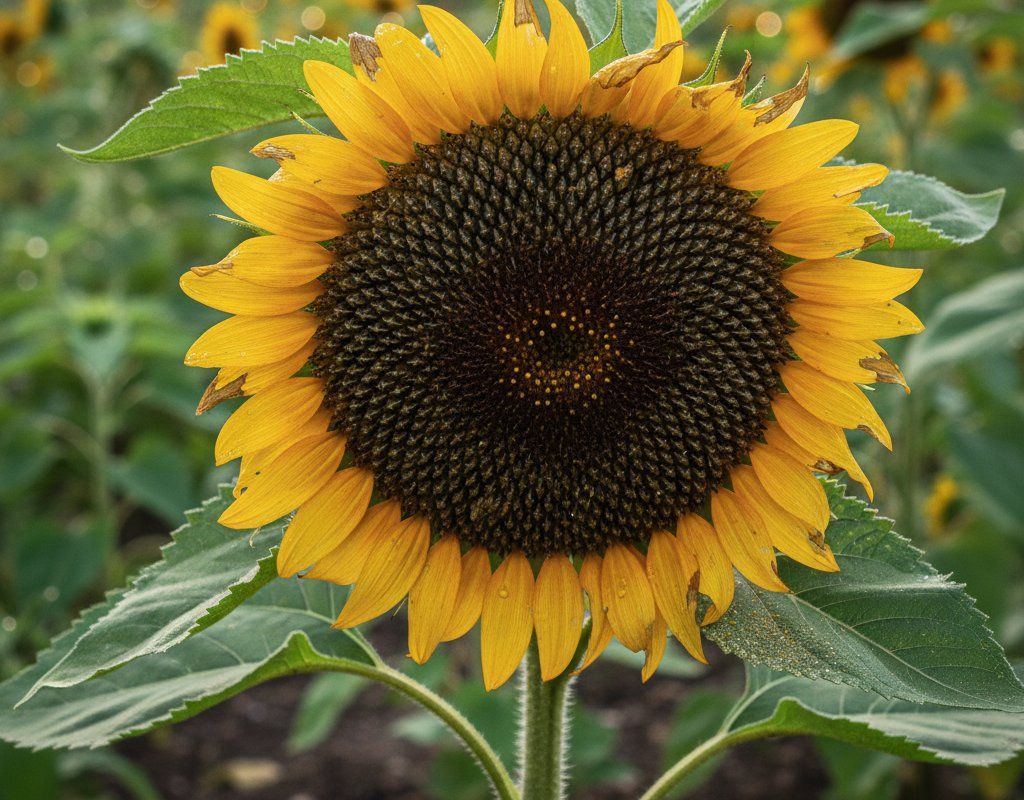
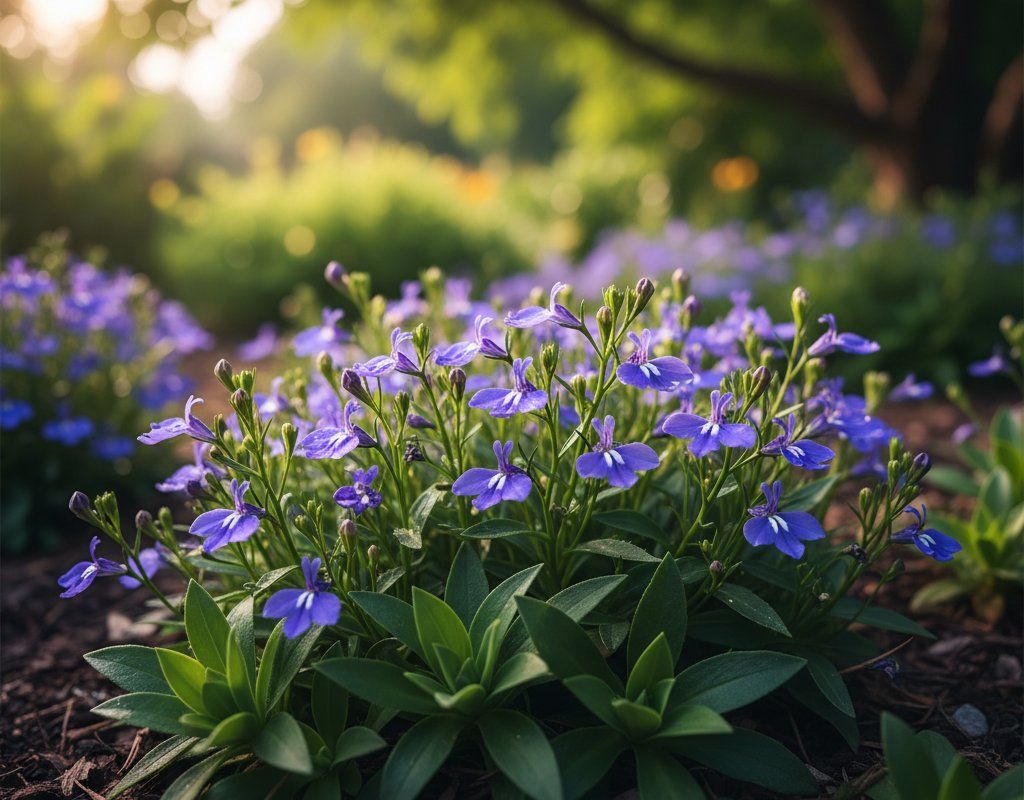
🌸Best Flowers to Plant with Spinach
These flowers protect your Spinach from pests and attract pollinators for better harvests.
For Pest Control



Get a Reminder When It's Time to Plant
We'll email you when key planting windows open for your zone.