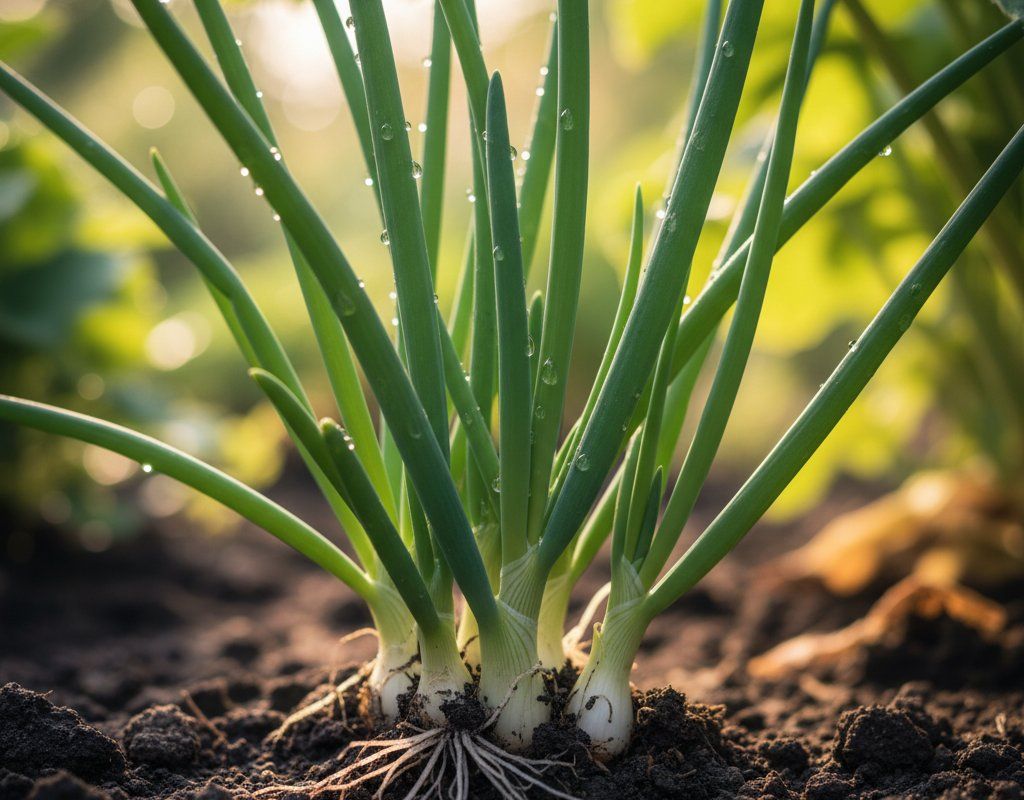
Green Onions in Zone 7B — Mid-Atlantic
Allium fistulosum · Your Complete 2026 Planting Guide
Still Time to Sow!
The sowing window is still open for Green Onions.
Sow Seeds Soon
Easy to direct sow. Can also plant the root ends of store-bought green onions.
How to Plant Green Onions in Zone 7B — Mid-Atlantic
Here are all your options for getting green onions in the ground, from the easiest method to more advanced approaches.
Direct Sow Seeds
RecommendedEarly March through mid August
around March 4
Consider succession planting every 2-3 weeks for continuous harvest.
Easy to direct sow. Can also plant the root ends of store-bought green onions.
Buy Starts
Works WellEarly March through early April
around March 4
Plant purchased starts after last frost (April 1).
Start Seeds Indoors
ChallengingThis plant is typically not started indoors.
Transplant Outdoors
Timing InfoEarly March through early April
around March 4
Can tolerate light frost, but wait for soil to be workable.
You have a nice window — no need to rush.
Overview
Green onions are a must-grow in any Mid-Atlantic garden. They're incredibly versatile in the kitchen, adding a mild onion flavor to everything from salads to stir-fries. Plus, there's something deeply satisfying about snipping fresh green onions you grew yourself, especially when our humid summers make growing certain alliums a bit tricky.
We definitely have our share of challenges here in Zone 7B, from unpredictable spring weather to deer pressure. But with our long, 214-day growing season, you have plenty of time to get your green onions established and enjoy a continuous harvest. Timing your planting right makes all the difference.
Transplanting Outdoors
You can transplant green onion seedlings outdoors in early March through early April here in the Mid-Atlantic. Starting them indoors isn't really necessary, but if you do, make sure to harden them off for about a week before planting. Gradually expose them to the outdoor elements, increasing their time outside each day.
Space your transplants about 2-3 inches apart in rows. Keep an eye on the weather forecast; we sometimes get a late frost around this time of year, so be ready to cover your seedlings if needed. A simple frost blanket can save your crop.
Direct Sowing
Direct sowing is the easiest and most common way to grow green onions in the Mid-Atlantic. You can sow seeds directly into your garden beds from early March through mid August, giving you a long window for successive plantings. This ensures a continuous harvest all season long.
Choose a spot with full sun to partial shade. Loosen the soil and amend with compost to improve drainage. Sow seeds about ¼ inch deep and 2-3 inches apart. Keep the soil consistently moist until germination. Another easy trick: plant the root ends of store-bought green onions directly in the soil. They'll readily sprout new growth.
Watering Green Onions in Zone 7B (Mid-Atlantic)
Green onions need consistent moisture to thrive, especially with our moderate-to-hot, humid summers. They aren't drought-tolerant, and their shallow roots can dry out quickly. Pay close attention to watering, especially during hotter periods.
During the spring and fall, when temperatures are milder and rainfall is more frequent, you might only need to water once or twice a week, providing about 1 inch of water. In the heat of summer, you may need to water every other day, especially if it hasn't rained. Stick your finger about 2 inches deep into the soil. If it feels dry, it's time to water.
Water at the base of the plants to avoid wetting the foliage, which can encourage fungal diseases in our humid climate. Signs of underwatering include wilting or yellowing leaves. Overwatering can lead to rot, so ensure your soil drains well. A layer of mulch, like straw or shredded leaves, helps retain moisture and suppress weeds.
🧪Fertilizing Green Onions
Feeding Schedule
Organic Fertilizer Options
Harvest Time
You can expect your first harvest of green onions from early May through early November, about 60 days after sowing. Look for stalks that are at least pencil-thick. That's a good indicator they're ready.
You have two options for harvesting. You can pull up the entire plant, roots and all, or you can cut the green onion about an inch above the soil line. If you cut them, the plant will regrow, providing you with multiple harvests. To encourage continued production, keep the area weeded and water regularly after harvesting.
As the first frost approaches in early November, harvest any remaining green onions. They can tolerate a light frost, but a hard freeze will damage them. You can also pot up some of your green onions and bring them indoors to extend your harvest through the winter.
Common Problems in Zone 7B (Mid-Atlantic)
Green onions, like all crops, can face some challenges in the Mid-Atlantic. Here are some common problems and how to deal with them:
- Onion Maggots
- What it looks like: Wilting plants, yellowing leaves, and small white maggots feeding on the roots and bulb.
- What causes it: Flies lay eggs near the base of onion plants, and the hatched maggots burrow into the roots.
- How to fix/prevent it: Use row covers to prevent flies from laying eggs. Introduce beneficial nematodes to the soil. Rotate crops annually.
- Thrips
- What it looks like: Silvery or white streaks on leaves, distorted growth, and tiny, slender insects on the plants.
- What causes it: Thrips are tiny insects that suck plant sap, causing damage to leaves and bulbs.
- How to fix/prevent it: Encourage beneficial insects like ladybugs and lacewings. Use insecticidal soap or neem oil. Remove infested leaves.
- Downy Mildew
- What it looks like: Yellow patches on leaf tops with fuzzy gray-purple growth on undersides. Leaves brown and die from the bottom up.
- What causes it: Oomycete pathogen that spreads in cool, humid conditions via wind-carried spores. Different species affect different plants.
- How to fix/prevent it: Remove affected leaves immediately. Improve air circulation. Water at the base, never overhead. Copper-based fungicides for prevention. Plant resistant varieties where available.
- Pink Root
- What it looks like: Roots turn pink or reddish, stunting plant growth and reducing bulb size.
- What causes it: A soilborne fungus that thrives in warm, moist conditions.
- How to fix/prevent it: Improve soil drainage. Rotate crops. Solarize the soil before planting. Use resistant varieties.
Mid-Atlantic Specific Challenges: Our moderate-to-hot heat and humid summers can create favorable conditions for fungal diseases like downy mildew. Good air circulation and proper watering techniques are key to preventing these problems. The even rainfall can be a blessing, but be mindful of overwatering, especially in clay soil.
Best Companions for Green Onions
Plant these nearby for healthier Green Onions and better harvests.

Keep Away From
Companion Planting Details
Companion planting can help your green onions thrive. Carrots are great companions because they deter onion flies, while green onions deter carrot root flies. Lettuce benefits from the shade provided by green onions, especially during our hot summers. Tomatoes and peppers also benefit from the pest-repelling properties of green onions. Beets are good companions because they don't compete for the same nutrients.
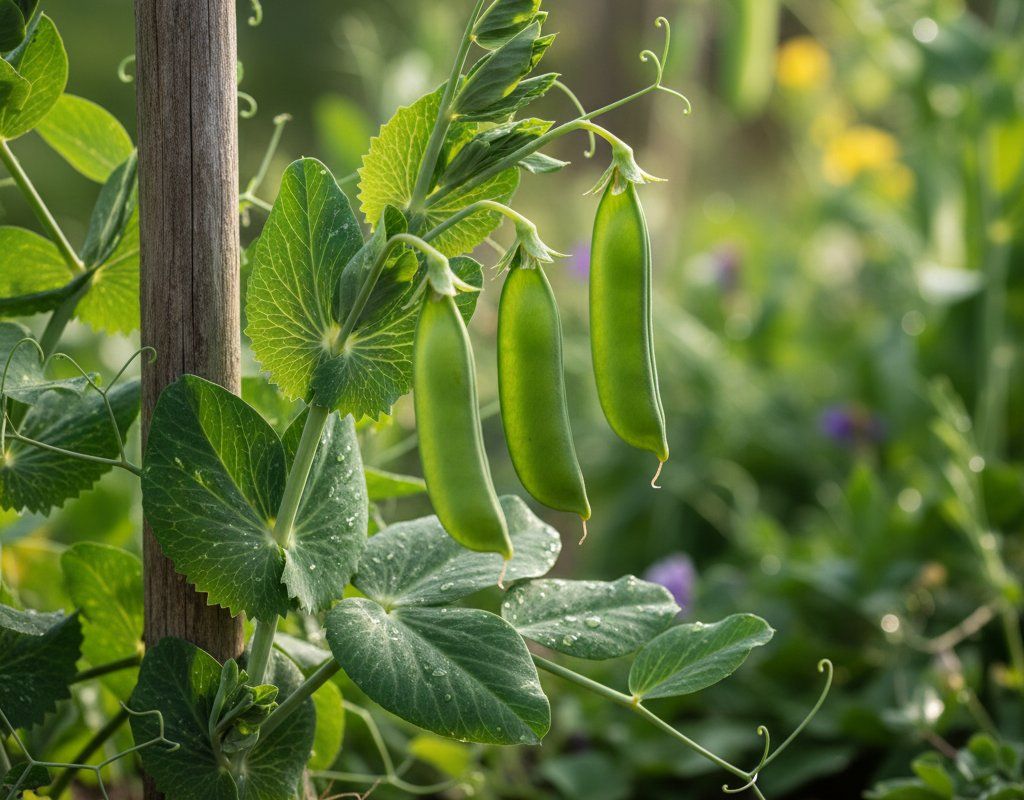
Avoid planting green onions near beans and peas. They can inhibit the growth of these legumes.
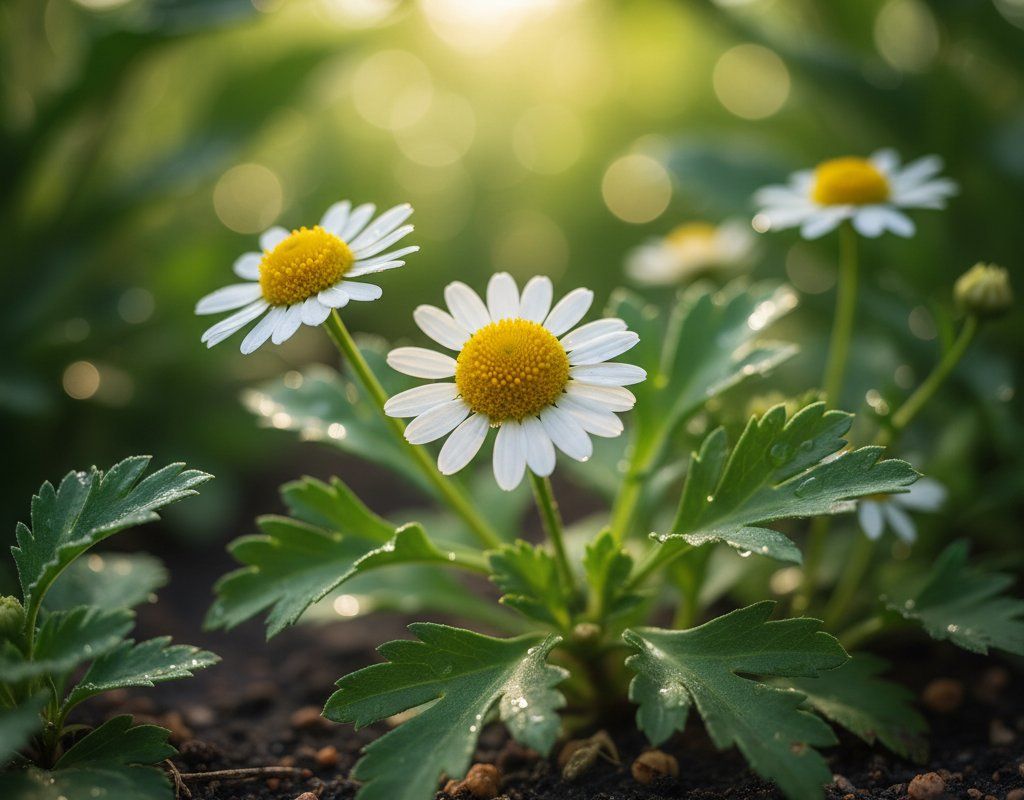
🌸Best Flowers to Plant with Green Onions
These flowers protect your Green Onions from pests and attract pollinators for better harvests.
For Pest Control
Get a Reminder When It's Time to Plant
We'll email you when key planting windows open for your zone.