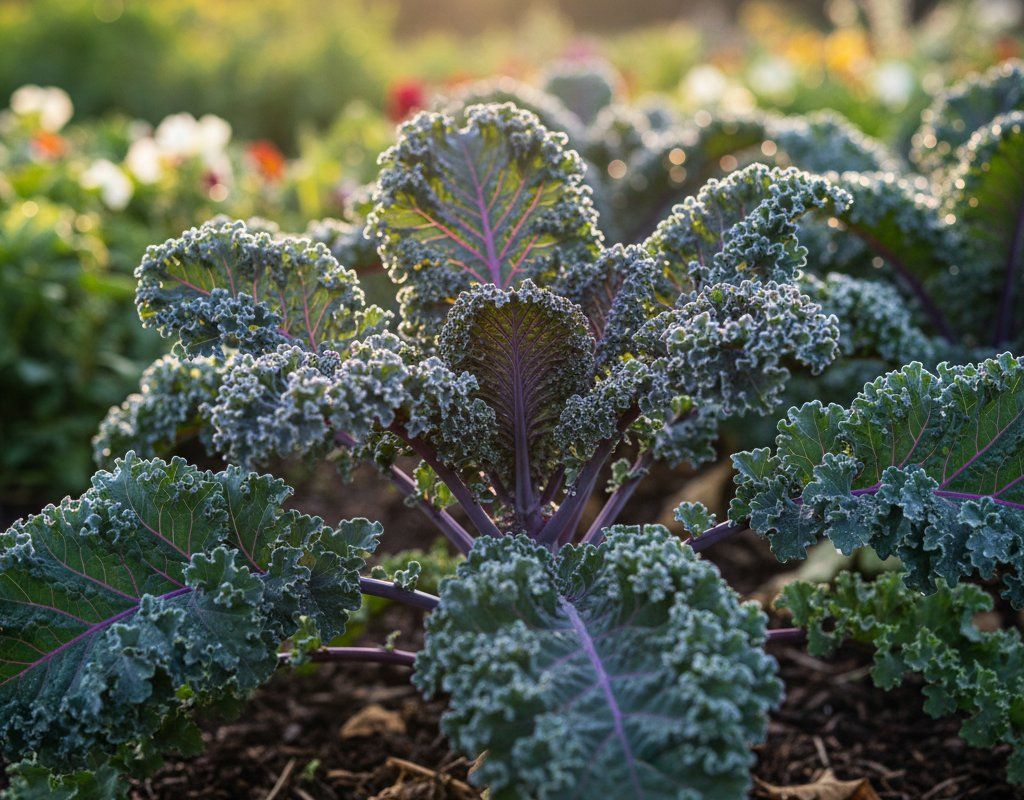
Kale in Zone 6B — Mountain West
Brassica oleracea var. sabellica · Your Complete 2026 Planting Guide
Planning Ahead — Great!
You’re ahead of the season. Here’s when to start.
Mark Your Calendar
How to Plant Kale in Zone 6B — Mountain West
Here are all your options for getting kale in the ground, from the easiest method to more advanced approaches.
Direct Sow Seeds
RecommendedLate March through late July
around March 28
Consider succession planting every 2-3 weeks for continuous harvest.
Hardy and easy to direct sow in spring or late summer for fall harvest.
Start Seeds Indoors
RecommendedEarly to late March
around March 14
Then transplant: Mid April through early May
Start seeds 4-6 weeks before transplanting outdoors.
Buy Starts
Works WellMid April through early May
around April 11
Plant purchased starts after last frost (April 25).
Transplant Outdoors
Timing InfoMid April through early May
around April 11
Can tolerate light frost, but wait for soil to be workable.
You have a nice window — no need to rush.
Fall Planting
Mid July through mid August
August 3 ideal · Direct sow for fall harvest
Plant a second crop in mid-summer for fall harvest. Kale actually prefers the cooling temperatures of fall.
Overview
Kale thrives in our Mountain West climate like few other greens can. The intense high-altitude sun develops incredible flavor complexity, while our naturally cool nights—even in mid-summer—keep leaves tender and sweet instead of bitter. You'll harvest armloads of nutrient-dense greens that taste nothing like store-bought kale, with that perfect balance of earthy richness our region's growing conditions create.
Our short 163-day season and late spring start might seem challenging, but kale actually loves these conditions. The plant handles our temperature swings beautifully, from late-spring cold snaps to early fall frost, giving you a reliable harvest window that spans nearly the entire growing season. With proper timing, you'll be cutting fresh kale from late May clear through to first frost in early October.
Starting Seeds Indoors
Starting kale indoors works well in the Mountain West, especially when you want to maximize your short growing season. Sow seeds in seed trays during early to late March, about 4 weeks before you plan to transplant outdoors. The timing gives your plants a head start against our late spring.
Set up your seed trays in a warm spot—kale germinates best around 65-70°F. Bottom watering works particularly well here since our low humidity means surface watering dries out quickly. You'll need grow lights or a very sunny south window, as our intense Mountain sun actually becomes an advantage for strong seedling development.
Indoor starting makes the most sense when you want an early harvest or if you're dealing with unpredictable late-spring weather. Your seedlings will be ready to transplant by mid-April through early May, giving you a solid jump on the season.
Transplanting Outdoors
Transplant your kale seedlings outdoors from mid-April through early May, after hardening them off for about a week. Gradually expose them to outdoor conditions, starting with a few hours of morning sun and building up to full days. Our intense UV can shock tender indoor-grown leaves if you rush this process.
Space plants 12-18 inches apart to give them room to spread in our dry air. The wider spacing also improves air circulation, which matters less for disease prevention here than in humid climates, but helps during our occasional late-spring temperature swings.
Watch the weather during transplant time—late April can still bring surprise cold snaps in the Mountains. Have row covers ready if temperatures threaten to drop below freezing. Once established, your kale will handle cool nights beautifully and actually develop better flavor because of them.
Direct Sowing
Direct sowing works exceptionally well for kale in our region. You can sow from late March through late July, giving you incredible flexibility for succession planting. Spring sowings from late March through May provide your main summer harvest, while mid to late summer sowings (mid-July through mid-August) give you that sweet fall crop.
Prepare your soil when it's workable in spring—usually late March in our zone. Kale germinates readily in cool soil, actually preferring temperatures around 55-65°F. Sow seeds ½ inch deep and space them 12-18 inches apart, or plant closer and thin as they grow.
The main advantage of direct sowing here is simplicity—no hardening off, no transplant shock, and the plants develop strong root systems from day one. This method works especially well for fall plantings, when our warm soil and cooling air temperatures create ideal germination conditions.
Watering Kale in Zone 6B (Mountain West)
Kale needs consistent moisture in our dry Mountain climate, especially during our 10-20 inch rainfall years. Plan to provide about 1-1.5 inches of water per week, either from rainfall or irrigation. The finger test works well—stick your finger 2 inches into the soil near the base of the plant, and water when it feels dry at that depth.
Our low humidity means plants lose moisture quickly through their leaves, so maintaining soil moisture becomes critical for tender, flavorful kale. Drought stress turns leaves tough and bitter fast—something you'll notice within days during our dry spells. Water at the base rather than overhead; our low humidity means foliar watering evaporates quickly anyway, and you'll use water more efficiently with ground-level irrigation.
During our moderate summer heat (typical highs around 85°F), you'll likely need to water 2-3 times per week. Early morning watering works best, giving plants time to absorb moisture before our intense midday sun. Watch for signs of underwatering: droopy leaves, especially during the heat of the day, or leaves developing a grayish tint.
Apply a light mulch around plants to conserve soil moisture—wood chips or straw work well in our climate. Keep mulch a few inches from the stem to prevent moisture buildup against the plant, which can cause problems even in our dry air.
🧪Fertilizing Kale
Feeding Schedule
Organic Fertilizer Options
Harvest Time
You'll get your first harvest from late May through mid-October, with plants typically ready about 55 days from seeding. Start harvesting outer leaves when they reach 8-10 inches long, cutting them cleanly with a sharp knife or scissors. Always leave the growing center intact—this allows the plant to keep producing new leaves throughout the season.
The beauty of kale in our Mountain climate is the extended harvest window. Cool nights keep leaves tender even in summer, while our moderate daytime temperatures rarely stress the plants into bolting. Harvest regularly, taking 3-4 outer leaves per plant every week or two, and you'll keep production going strong.
Fall-harvested kale tastes notably sweeter after our first light frost, which typically arrives in early October. The cold converts starches to sugars, creating that complex, almost nutty flavor Mountain gardeners prize. You can often harvest right through several light frosts, extending your season well into October.
Plan your final plantings by mid-August at the latest to get mature leaves before hard frost shuts down growth. Those late-season plants often provide the best-tasting kale of the entire year.
Common Problems in Zone 6B (Mountain West)
Aphids Small, soft-bodied insects clustering on stems and leaf undersides, often green, black, or white. You'll notice sticky honeydew residue and curled new growth. Our dry Mountain air actually helps—aphid populations don't explode as dramatically as they do in humid regions, but they still show up during warm spells.
These sap-sucking insects reproduce quickly in warm weather. A strong water spray knocks them off effectively, and our low humidity means they struggle to reestablish. Encourage ladybugs and lacewings by planting nearby flowers. For heavy infestations, insecticidal soap works well in our climate since it won't wash off immediately.
Cabbage Worms Smooth green caterpillars create irregular holes in leaves, leaving dark green droppings behind. You'll see white butterflies hovering around plants—those are the adults laying eggs. Our intense UV doesn't deter these pests, unfortunately.
Bt spray (Bacillus thuringiensis) works extremely well and breaks down quickly in our intense sun, so reapply every 7-10 days. Floating row covers prevent egg-laying entirely, which works especially well during our predictable growing season. Handpicking works for small infestations—check plants every few days.
Flea Beetles Tiny round holes creating a shot-hole pattern in leaves, especially damaging to young plants. Small dark beetles jump when disturbed. These pests can be particularly troublesome in our region because they overwinter well in our climate.
Row covers during the vulnerable seedling stage provide excellent protection. Our short season means you can delay planting until plants are larger and more resilient. Kaolin clay coating helps reflect our intense UV while deterring beetles.
Mountain West Specific Challenges: Our combination of intense UV and dry air can stress plants, making them more susceptible to pest damage. However, our low humidity significantly reduces fungal diseases that plague kale in other regions. Hail poses the biggest weather threat—have row covers ready during storm season. Our alkaline soil rarely causes nutrient deficiencies with kale, which tolerates higher pH well.
Best Companions for Kale
Plant these nearby for healthier Kale and better harvests.

Keep Away From
Companion Planting Details
Plant kale alongside beets and onions for an excellent partnership. Beets share similar water needs and won't compete for nutrients, while onions help deter many flying pests with their strong scent—particularly valuable in our dry climate where scents concentrate well. Celery makes another good companion, appreciating the same consistent moisture kale requires and providing natural pest deterrence.
Avoid planting kale near tomatoes, peppers, or strawberries. These warm-season crops have different water and nutrient requirements that conflict with kale's needs, and they can harbor pests that easily move to your brassicas. In our short Mountain growing season, it's better to group plants with similar requirements together for more efficient care and better overall yields.
🌸Best Flowers to Plant with Kale
These flowers protect your Kale from pests and attract pollinators for better harvests.




Get a Reminder When It's Time to Plant
We'll email you when key planting windows open for your zone.