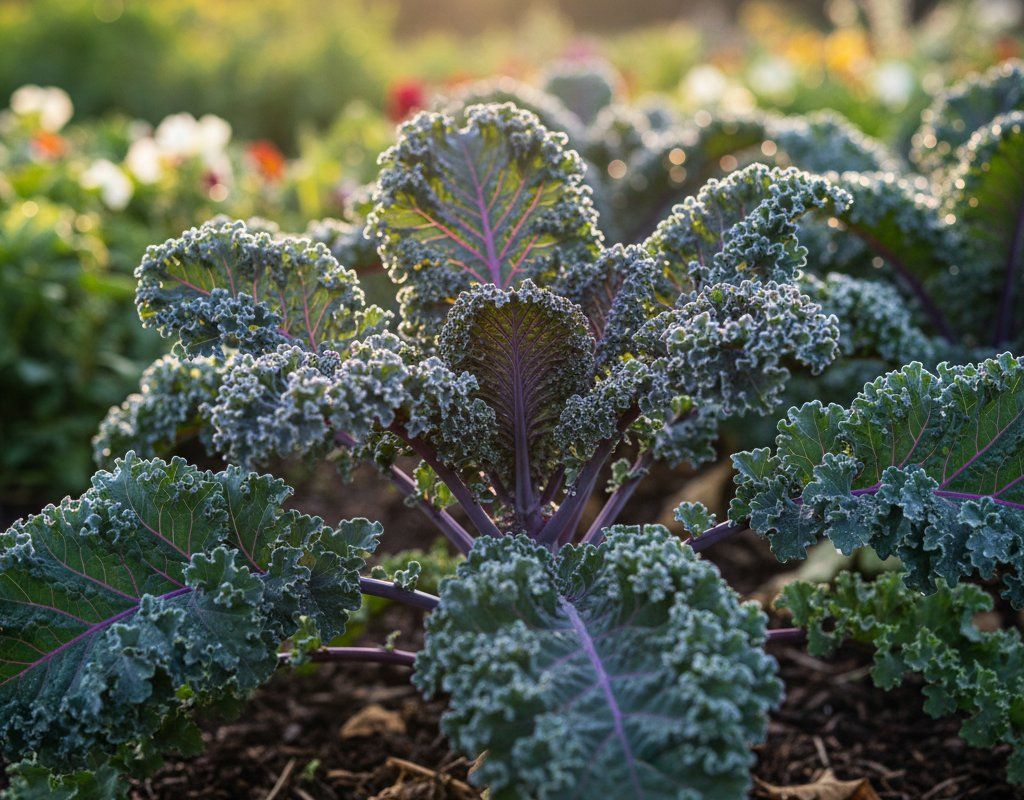
Kale in Zone 8B — Pacific Northwest
Brassica oleracea var. sabellica · Your Complete 2026 Planting Guide
Last Call for Seed Starting!
Indoor seed starting window closes in 4 days.
Start Seeds This Week
Start seeds now for transplanting later.
Or Wait for Starts
If you don’t want to start seeds, starts will be available around March 22.
How to Plant Kale in Zone 8B — Pacific Northwest
Here are all your options for getting kale in the ground, from the easiest method to more advanced approaches.
Direct Sow Seeds
RecommendedEarly March through late August
around March 8
Consider succession planting every 2-3 weeks for continuous harvest.
Hardy and easy to direct sow in spring or late summer for fall harvest.
Start Seeds Indoors
RecommendedMid February through early March
around February 22
Then transplant: Late March through mid April
Start seeds 4-6 weeks before transplanting outdoors.
Buy Starts
Works WellLate March through mid April
around March 22
Plant purchased starts after last frost (April 5).
Transplant Outdoors
Timing InfoLate March through mid April
around March 22
Can tolerate light frost, but wait for soil to be workable.
You have a nice window — no need to rush.
Fall Planting
Mid August through mid September
August 30 ideal · Direct sow for fall harvest
Plant a second crop in mid-summer for fall harvest. Kale actually prefers the cooling temperatures of fall.
Overview
Kale thrives in our Pacific Northwest climate like few other leafy greens can. Our cool nights and mild summers create the perfect conditions for tender, sweet leaves without the bitter edge that hot weather brings. You'll get months of continuous harvest from just a few plants, and the flavor actually improves as we head into our long, mild fall season.
While our wet springs can slow things down and slugs love our moisture, kale's hardy nature makes it nearly foolproof once you get the timing right. With our generous 210-day growing season, you can plant multiple successions for fresh leaves from spring through late fall. The key is working with our unique climate patterns rather than fighting them.
Starting Seeds Indoors
Starting kale indoors makes sense when you want an early spring harvest or need to get ahead of our slow-warming soil. Sow seeds mid-February through early March, about 4 weeks before you plan to transplant outside. Our overcast spring days mean seedlings won't get stressed by intense sun once they're outdoors.
Set up your seed trays in a warm spot - kale seeds germinate best around 65-70°F. Use bottom watering to keep the soil consistently moist without creating soggy conditions that invite damping off. A basic grow light helps compensate for our cloudy spring weather.
Since our springs are naturally mild, indoor starting isn't essential like it is in harsher climates. But it gives you a head start and lets you have transplants ready when soil conditions finally cooperate in late March.
Transplanting Outdoors
Transplant your indoor-started kale seedlings late March through mid-April, once soil temperatures consistently stay above 45°F. In our region, this timing usually coincides with the end of our wettest spring weather, giving roots a better chance to establish before summer's dry months arrive.
Harden off seedlings gradually over a week, taking advantage of our mild spring temperatures. Start with a few hours outdoors in filtered light, then gradually increase exposure. Our cool nights won't shock them like they might in warmer regions.
Space plants 12-18 inches apart to allow good air circulation - important for preventing disease in our naturally humid spring conditions. Plant when soil is workable rather than soggy, which can be tricky during our wet March weather.
Direct Sowing
Direct sowing works beautifully with kale in the Pacific Northwest, especially for fall harvests. Sow seeds early March through late August, though spring plantings may be slow to start in our cool soil. For best germination, wait until soil temperature reaches at least 45°F consistently.
Prepare your bed by working in compost, but avoid planting in waterlogged spring soil. Our clay-heavy soils need good drainage amendments. Space seeds for 12-18 inch final spacing, or plant more densely and thin as they grow.
Late summer direct sowing (mid-August through mid-September) often works better than spring plantings here. Seeds germinate quickly in warm late-summer soil, and plants mature during our ideal cool fall weather. This timing also avoids the worst of our slug pressure, which peaks in wet spring conditions.
Watering Kale in Zone 8B (Pacific Northwest)
Kale needs consistent moisture for tender, sweet leaves - drought stress quickly makes them tough and bitter. In our dry-summer climate, this means regular irrigation from June through September when natural rainfall drops off dramatically. Plan on about 1-1.5 inches per week during the growing season.
Use the finger test to check soil moisture 2 inches down. In our clay soils, this depth stays moist longer than sandy soils, but summer's dry conditions can create a hard crust that sheds water. Water deeply at the base rather than overhead - our dry summer air means less disease pressure, but efficient water use matters more.
During our wet spring months, you'll barely need to water at all. Focus on ensuring good drainage instead, as soggy conditions invite root problems. Come late June when our dry season starts, establish a regular watering schedule before plants show stress.
A 2-3 inch layer of organic mulch helps tremendously in our summer conditions. It conserves the moisture you do apply and keeps roots cool during those occasional heat waves when temperatures climb above 85°F.
🧪Fertilizing Kale
Feeding Schedule
Organic Fertilizer Options
Harvest Time
You can start harvesting outer leaves when they reach 8-10 inches long, typically 55 days from seeding or about early May for spring plantings. In our Pacific Northwest climate, kale keeps producing fresh leaves well into early November, giving you months of continuous harvest from each plant.
Cut outer leaves cleanly with scissors or a sharp knife, always leaving the growing center intact. The plant will keep producing new leaves from the center throughout our long, mild growing season. Those cool nights we're famous for actually make the leaves more tender and flavorful than kale grown in hotter climates.
Fall-planted kale tastes even better after our first light frosts, which usually arrive in early November. The cold temperatures convert starches to sugars, creating noticeably sweeter leaves. You can often harvest well into December during mild years.
As our first hard freeze approaches, harvest the entire plant or cover with row fabric to extend the season. Unlike summer crops that peter out in our cool fall weather, kale actually preforms better as temperatures drop.
Common Problems in Zone 8B (Pacific Northwest)
Aphids show up as clusters of tiny green, black, or white insects on leaf undersides and stems. You'll notice sticky honeydew residue and curled new growth. Our mild summers create perfect conditions for rapid reproduction, and populations can explode quickly in warm spells.
Strong water sprays knock most aphids off effectively. Encourage beneficial insects like ladybugs and lacewings - they thrive in our pesticide-light environment. For heavy infestations, insecticidal soap works well in our dry summer air. Avoid over-fertilizing with nitrogen, which makes plants more attractive to aphids.
Cabbage worms appear as smooth green caterpillars that chew irregular holes in leaves, leaving dark green droppings behind. You'll see white butterflies fluttering around plants - they're laying eggs for the next generation. Multiple generations per season make this an ongoing issue through our growing season.
Bt spray targets caterpillars specifically and works excellently in our climate. Floating row covers prevent egg-laying entirely but need removal for air circulation in warmer weather. Hand-picking works well on small plantings, and interplanting with aromatic herbs like thyme can help deter the butterflies.
Flea beetles create tiny round holes throughout leaves, creating a characteristic shot-hole pattern. These small, dark beetles jump when disturbed and cause the most damage to young seedlings. They're particularly troublesome during warm spring days.
Row covers protect vulnerable seedlings during their most susceptible stage. In our climate, delaying planting until soil warms up means stronger plants that can better withstand damage. Kaolin clay coating and neem oil provide organic control options that work well in our dry summer conditions.
Pacific Northwest Specific Challenges: Our wet springs create perfect conditions for slugs, which love kale seedlings. Beer traps, diatomaceous earth, and copper barriers help control them. Late blight pressure is lower on kale than tomatoes, but ensure good air circulation. Our mild temperatures mean fewer pest generations overall compared to hotter regions, making organic controls more effective.
Best Companions for Kale
Plant these nearby for healthier Kale and better harvests.

Keep Away From
Companion Planting Details
Kale grows beautifully alongside beets, celery, onions, and potatoes in Pacific Northwest gardens. Onions help deter cabbage pests with their strong scent, while their shallow roots don't compete with kale's deeper feeding zone. Beets make excellent use of space since their roots grow below kale's feeding area, and both crops appreciate similar cool-season conditions.
Avoid planting kale near tomatoes, peppers, or strawberries. These plants have different water needs - the nightshades prefer more consistent moisture during fruit development, while strawberries can harbor pests that also attack brassicas. In our climate where space management and efficient water use matter, grouping plants with similar needs makes much more sense.
🌸Best Flowers to Plant with Kale
These flowers protect your Kale from pests and attract pollinators for better harvests.




Get a Reminder When It's Time to Plant
We'll email you when key planting windows open for your zone.