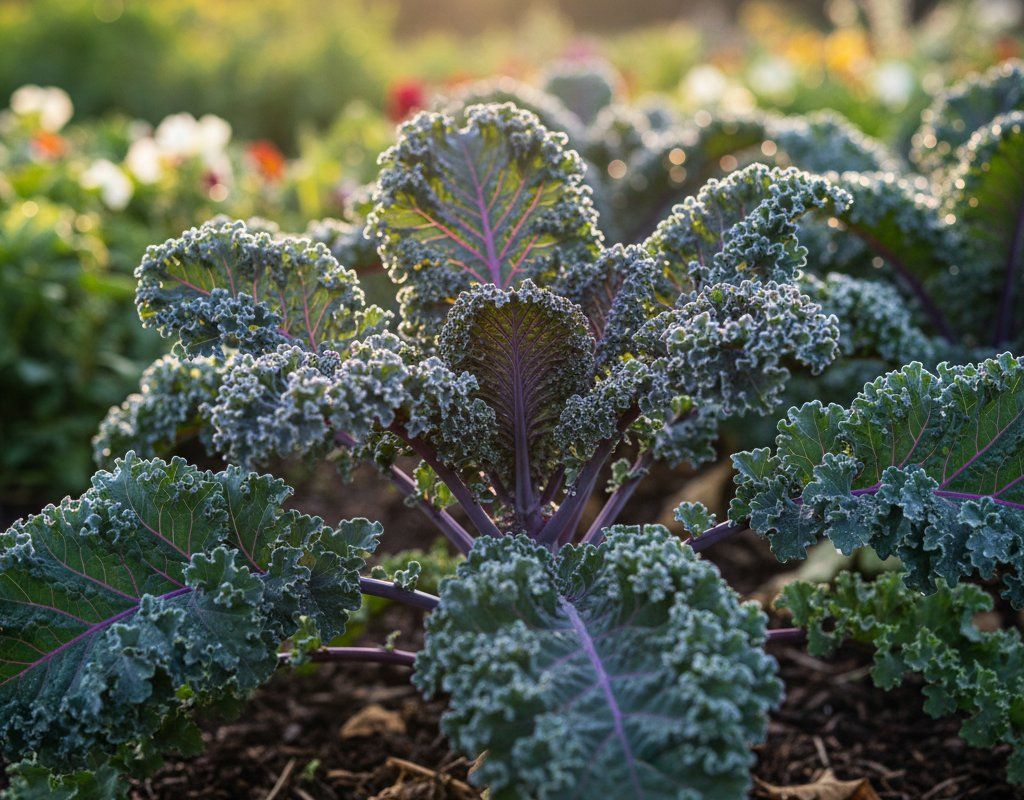
Kale in Zone 9B — Gulf Coast
Brassica oleracea var. sabellica · Your Complete 2026 Planting Guide
Harvest Time!
Your Kale should be producing now!
Harvest Tips
Harvest when heads are firm and tight, before they start to loosen.
How to Plant Kale in Zone 9B — Gulf Coast
Here are all your options for getting kale in the ground, from the easiest method to more advanced approaches.
Direct Sow Seeds
RecommendedEarly January through early October
around January 2
Consider succession planting every 2-3 weeks for continuous harvest.
Hardy and easy to direct sow in spring or late summer for fall harvest.
Start Seeds Indoors
RecommendedMid December through early January
around December 19
Then transplant: Mid January through mid February
Start seeds 4-6 weeks before transplanting outdoors.
Buy Starts
Works WellMid January through mid February
around January 16
Plant purchased starts after last frost (January 30).
Transplant Outdoors
Timing InfoMid January through mid February
around January 16
Can tolerate light frost, but wait for soil to be workable.
You have a nice window — no need to rush.
Fall Planting
Late September through late October
October 13 ideal · Direct sow for fall harvest
Plant a second crop in mid-summer for fall harvest. Kale actually prefers the cooling temperatures of fall.
Overview
Kale thrives in our Gulf Coast climate, giving you one of the most nutritious and versatile greens you can grow. Unlike many leafy greens that struggle in our heat and humidity, kale actually sweetens up after our light winter frosts and provides steady harvests throughout our cooler months. You'll get tender, flavorful leaves perfect for salads, soups, and smoothies - far superior to anything you'll find in the grocery store.
Our challenging Gulf Coast conditions - the extreme humidity, disease pressure, and unpredictable weather - might seem daunting for growing greens, but kale's natural hardiness makes it manageable with proper timing. With our 319-day growing season, you have plenty of flexibility to plant multiple successions and enjoy fresh kale from late winter through early summer, then again in fall.
Starting Seeds Indoors
Starting kale seeds indoors gives you a head start in our region, though it's not strictly necessary given kale's cold tolerance. If you want early spring harvests, sow seeds indoors from mid-December through early January, about four weeks before you plan to transplant outside.
Set up your seed trays in a warm spot around 65-70°F - our winter homes usually provide perfect conditions. Use quality seed starting mix and bottom water to prevent fungal issues that our high humidity can encourage. A simple fluorescent light or LED grow light keeps seedlings stocky and strong.
Your seedlings will be ready to transplant when they have 3-4 true leaves, usually around late January through mid-February. This timing works well with our early spring character, getting plants established before the heat really kicks in.
Transplanting Outdoors
Plan to transplant your indoor-started seedlings from mid-January through mid-February, when nighttime temperatures consistently stay above the mid-30s. This timing gives your kale plenty of cool growing weather before our heat and humidity become challenging.
Harden off seedlings gradually over a week by exposing them to outdoor conditions for increasing periods each day. Start with just an hour of morning sun and work up to full days outside. Our temperature swings and afternoon storms can shock tender seedlings, so this gradual transition is crucial.
Space transplants 12-18 inches apart in well-draining soil enriched with compost. The wider spacing helps with air circulation - important in our humid climate to prevent fungal diseases. Plant them slightly deeper than they were in their containers to encourage strong root development.
Direct Sowing
Direct sowing works beautifully for kale in our region, especially for spring and fall crops. You can sow seeds from early January through early October, though the best results come from spring plantings (January through March) and fall plantings (late September through late October).
Prepare your soil when it's workable after winter rains subside - usually by early January. Kale seeds germinate well in soil temperatures around 45-75°F, which we typically reach by late January. Sow seeds ¼ inch deep and thin seedlings to 12-18 inches apart once they're established.
Fall direct sowing in late September gives you the sweetest kale, as those plants mature during our cooler months and benefit from any light frosts we might get. Spring sowings need to be timed so plants mature before our intense summer heat arrives, typically by late May.
Watering Kale in Zone 9B (Gulf Coast)
Kale needs consistent moisture to produce tender, flavorful leaves, but our Gulf Coast conditions require a careful balance. With our 50-65 inches of annual rainfall, you'll often have nature's help, but our hot summers and sporadic dry spells mean you can't rely on rain alone.
During our cooler months (fall through spring), check soil moisture by inserting your finger 2 inches deep. Water deeply when the top inch feels dry, providing about 1 inch of water per week including rainfall. Our afternoon storms often provide irregular but intense watering, so monitor soil conditions rather than following a rigid schedule.
Summer heat changes everything - if you're growing kale in late spring or trying to push it through early summer, you'll need more frequent watering as plants struggle with temperatures in the 90s. Water at the base of plants early morning to avoid encouraging fungal diseases in our very high humidity. Overhead watering in our humid climate often leads to leaf spot and other problems.
Watch for signs of stress: wilted leaves in morning indicate underwatering, while yellowing lower leaves and soft stems suggest overwatering or poor drainage. A 2-3 inch layer of organic mulch helps retain consistent moisture and keeps roots cool, but keep mulch away from plant stems to prevent pest issues in our humid conditions.
🧪Fertilizing Kale
Feeding Schedule
Organic Fertilizer Options
Harvest Time
Your first kale harvest typically begins in late February if you started with transplants, extending through late December with successive plantings. Each plant reaches harvest size in about 55 days from seed, but you can begin picking outer leaves much earlier once they reach 8-10 inches long.
Harvest by cutting outer leaves at the base, leaving the growing center intact for continued production. The plant will keep producing new leaves from the center for months with proper care. Pick regularly to encourage tender new growth - leaves left too long become tough and bitter, especially as temperatures rise.
The sweetest kale comes after our light winter frosts, usually in December and January, when starches convert to sugars. Plants that experience temperatures in the upper 20s to low 30s develop exceptional flavor. Continue harvesting through spring until plants start bolting as temperatures consistently reach the upper 80s.
As summer approaches and your spring kale begins showing signs of heat stress (bolting, bitter leaves), harvest heavily and preserve what you can. Then plan your fall succession for late September planting, which gives you the year's best kale during our mild winter months.
Common Problems in Zone 9B (Gulf Coast)
Aphids cluster on stems and leaf undersides as tiny green, black, or white insects, leaving sticky honeydew residue and causing curled new growth. Our warm, humid conditions create perfect breeding environments where populations can explode quickly. Combat them with strong water sprays in early morning, encourage natural predators like ladybugs, and use insecticidal soap for heavy infestations. Avoid excess nitrogen fertilizer, which makes plants more attractive to aphids.
Cabbage worms appear as smooth green caterpillars that chew irregular holes in leaves, leaving dark green droppings behind. You'll see white butterflies hovering around plants - they're laying eggs that become these destructive larvae. Our long growing season means multiple generations per year. Bt spray works excellently against caterpillars, while floating row covers prevent egg-laying. Handpick caterpillars when you spot them, and interplant with aromatic herbs like thyme and sage to deter adults.
Flea beetles create tiny round holes in leaves (shot-hole pattern) and jump when disturbed. These small dark beetles cause the most damage to young seedlings and thrive in our warm conditions. Protect vulnerable seedlings with row covers until plants are larger and more resilient. Delay planting until plants are bigger if flea beetles are problematic in your area. Kaolin clay coating and neem oil provide organic control options.
Gulf Coast Specific Challenges: Our extreme humidity and year-round warmth create constant disease pressure for kale. Fungal problems develop quickly in our wet conditions, making proper spacing and air circulation critical. Hurricane season can destroy crops, so consider succession planting and have backup plans. Our heavy rainfall can lead to waterlogged soils, requiring raised beds or improved drainage for consistent success.
Best Companions for Kale
Plant these nearby for healthier Kale and better harvests.

Keep Away From
Companion Planting Details
Plant kale alongside beets, celery, onions, and potatoes for the best results in our Gulf Coast gardens. Beets and kale have similar water and nutrient needs, making irrigation simple, while their different root depths mean they don't compete. Celery appreciates the same consistently moist conditions kale requires. Onions help deter aphids and cabbage worms with their strong scent, while potatoes provide beneficial ground cover that helps retain soil moisture during our dry spells.
Avoid planting kale near tomatoes, peppers, and strawberries. These heat-loving crops have different water requirements and can harbor pests that attack brassicas. Tomatoes and peppers need our summer heat to thrive, while kale prefers cooler conditions - their growing seasons barely overlap in our climate. Strawberries can attract slugs and create humid microclimates that encourage fungal diseases, which are already challenging enough in our high-humidity environment.
🌸Best Flowers to Plant with Kale
These flowers protect your Kale from pests and attract pollinators for better harvests.




Get a Reminder When It's Time to Plant
We'll email you when key planting windows open for your zone.