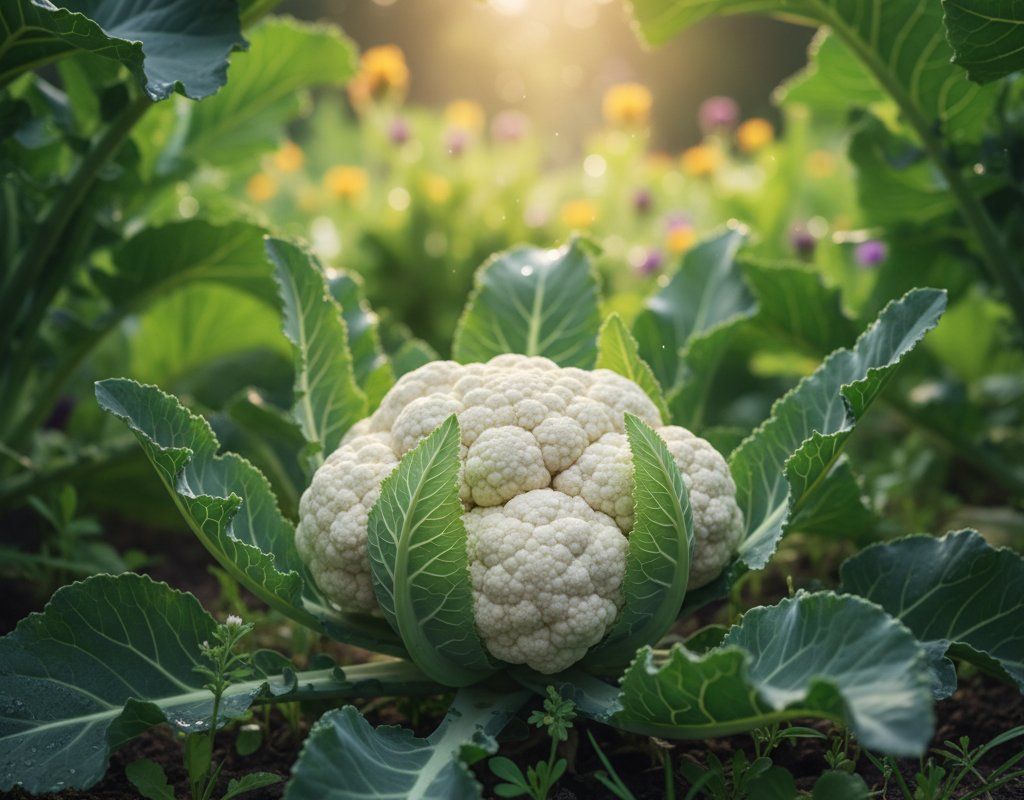
Cauliflower in Zone 9B — Gulf Coast
Brassica oleracea var. botrytis · Your Complete 2026 Planting Guide
Check Planting Details Below
See the full planting guide for timing information.
How to Plant Cauliflower in Zone 9B — Gulf Coast
Here are all your options for getting cauliflower in the ground, from the easiest method to more advanced approaches.
Start Seeds Indoors
RecommendedLate November through mid December
around December 5
Then transplant: Mid January through mid February
Start seeds 6-8 weeks before transplanting outdoors.
Cauliflower is fussy. Starting indoors gives you more control.
Buy Starts
Works WellMid January through mid February
around January 16
Plant purchased starts after last frost (January 30).
Direct Sow Seeds
ChallengingDirect sowing is not typical for Cauliflower.
Transplant Outdoors
Timing InfoMid January through mid February
around January 16
Can tolerate light frost, but wait for soil to be workable.
You have a nice window — no need to rush.
Fall Planting
Late September through late October
October 13 ideal · Transplant for fall harvest
Plant a second crop in mid-summer for fall harvest. Cauliflower actually prefers the cooling temperatures of fall.
Overview
Growing cauliflower in our Gulf Coast gardens gives you those pristine white heads that taste nothing like the mushy grocery store versions. Here in Zone 9B, our early springs and mild winters create perfect conditions for this cool-season crop, letting you harvest restaurant-quality cauliflower when others are still dealing with frozen ground. The satisfaction of cutting your own perfect head after months of careful tending makes every bit of effort worthwhile.
Our high humidity and disease pressure can challenge cauliflower, but timing is everything in the Gulf Coast. With our 319-day growing season, you have flexibility to work around the tricky periods and focus on those sweet spots when temperatures and moisture levels align perfectly for brassicas.
Starting Seeds Indoors
Starting cauliflower seeds indoors is your best bet for success in our Gulf Coast climate. Begin seeding from late November through mid-December, giving yourself about 6 weeks before transplanting time arrives. Our early spring character means you'll be moving these seedlings outdoors sooner than gardeners up north.
Set up your seed trays in a warm spot around 65-70°F with good artificial light or a bright south-facing window. Cauliflower seeds are fussy about moisture, so bottom watering works best to keep the soil evenly moist without creating soggy conditions that invite damping off. Use a seed starting mix and plant seeds about ¼ inch deep.
The indoor environment gives you complete control during those critical first weeks when cauliflower is most vulnerable. With our unpredictable winter weather patterns and occasional warm spells followed by cold snaps, indoor starting eliminates the guesswork and stress that direct sowing would create.
Transplanting Outdoors
Your cauliflower seedlings will be ready to transplant from mid-January through mid-February, when our Gulf Coast winters typically settle into their mildest stretch. Before moving them outside permanently, spend a full week hardening them off with gradually increasing outdoor exposure, starting with just an hour or two in filtered light.
Space your transplants 18-24 inches apart to allow good air circulation - crucial in our humid climate where fungal diseases love to take hold. Choose an overcast day for transplanting if possible, as our January and February sun can still be surprisingly intense for tender seedlings making the transition.
Watch the weather forecast carefully during this period, as late January cold fronts can still bring unexpected freezes. Have row covers or old sheets ready to protect your newly transplanted cauliflower if temperatures threaten to drop below 28°F, which can damage or kill young plants.
Watering Cauliflower in Zone 9B (Gulf Coast)
Cauliflower demands consistent moisture more than almost any other vegetable - irregular watering triggers buttoning, where plants form tiny, useless heads instead of the full-sized ones you're after. In our Gulf Coast climate, this means adjusting your watering strategy throughout the growing season as rainfall patterns and temperatures shift.
During the cool months when your cauliflower is actively growing, check soil moisture by sticking your finger 2 inches deep near the plant base. The soil should feel consistently damp but not waterlogged. With our 50-65 inches of annual rainfall, you'll often have weeks where nature handles the watering, but January and February can have dry spells requiring supplemental irrigation.
Apply about 1-1.5 inches of water per week when rainfall isn't adequate, watering at soil level rather than overhead. Our very high humidity makes wet foliage an invitation for fungal diseases, so soaker hoses or drip irrigation work better than sprinklers. Early morning watering gives plants time to dry off before the humid night air settles in.
Watch for stress signs: wilting during hot afternoons even with moist soil indicates heat stress, while yellowing lower leaves often signals overwatering in our heavy clay soils. A 2-3 inch layer of organic mulch helps moderate soil temperature and moisture, but keep it pulled back from plant stems to prevent pest issues in our humid environment.
🧪Fertilizing Cauliflower
Feeding Schedule
Organic Fertilizer Options
Harvest Time
Your first cauliflower heads will be ready from late March through mid-May, roughly 70 days after transplanting. Look for heads that are white, firm, and compact, measuring 6-8 inches across. The curds should be tightly packed without any separation or yellowing, which indicates the head is past its prime.
Harvest in the morning when heads are cool and crisp by cutting the main stem about 6 inches below the head with a sharp knife. Don't try to twist or pull the head off, as this can damage the plant unnecessarily. Unlike some vegetables, cauliflower heads won't continue ripening once cut, so timing is critical.
Once you cut the main head, smaller side shoots may develop, though these secondary heads will be much smaller. In our Gulf Coast climate, rising temperatures and humidity by late May make it challenging for plants to produce quality secondary heads, so most gardeners treat cauliflower as a single-harvest crop.
Plan to finish your harvest before our intense summer heat arrives in earnest. By late May, even with adequate water, the combination of high temperatures and humidity creates too much stress for cauliflower plants to maintain quality heads.
Common Problems in Zone 9B (Gulf Coast)
Buttoning Small, premature heads the size of golf balls instead of full-sized cauliflower indicate buttoning. You'll see tiny white heads forming when plants are only 6-8 inches tall instead of the mature 2-foot plants that should develop first. This happens when plants experience stress from inconsistent watering, temperature swings, or root disturbance during our unpredictable winter weather. Prevent buttoning by maintaining steady soil moisture and protecting young plants from temperature extremes with row covers during cold snaps.
Cabbage Worms Smooth green caterpillars chewing irregular holes in leaves, leaving dark green droppings behind, signal cabbage worm problems. You'll often notice white butterflies hovering around your plants before the damage appears. In our warm Gulf Coast climate, these pests can have multiple generations per season, making them particularly troublesome. Bt spray works effectively against the larvae, while floating row covers prevent adult butterflies from laying eggs. Hand-picking caterpillars in the morning and interplanting with aromatic herbs like thyme and sage help reduce infestations.
Heat Stress Leaves turning purple or yellow, stunted growth, and failure to form heads indicate heat stress as temperatures climb into the 80s and beyond. Our hot springs can arrive earlier than expected, cutting short the cool weather cauliflower needs. Once heat stress sets in, plants rarely recover to produce quality heads. Plant early enough to harvest before consistent 85°F+ days arrive, and consider shade cloth during unexpected warm spells in late winter.
Gulf Coast Specific Challenges: Our extreme humidity and wet conditions create perfect environments for fungal diseases like clubroot and black rot, while afternoon storms can physically damage the large, top-heavy plants. The combination of heat and humidity also accelerates pest reproduction cycles, meaning problems develop faster here than in drier climates.
Best Companions for Cauliflower
Plant these nearby for healthier Cauliflower and better harvests.


Keep Away From
Companion Planting Details
Plant cauliflower alongside beets and spinach, which share similar cool-season timing and water needs without competing for space since they grow at different levels. Onions planted around the perimeter help deter cabbage worms and other pests while their upright growth doesn't shade the cauliflower heads. Celery makes an excellent companion because it thrives in the same consistently moist conditions cauliflower requires and helps maximize garden space during our relatively short cool season.
Avoid planting cauliflower near tomatoes, peppers, or strawberries, which have completely different water and nutrient requirements and can harbor pests that affect brassicas. In our Gulf Coast humidity, the increased air circulation from proper companion spacing becomes even more critical for preventing fungal diseases that thrive in crowded, humid conditions.
🌸Best Flowers to Plant with Cauliflower
These flowers protect your Cauliflower from pests and attract pollinators for better harvests.




Get a Reminder When It's Time to Plant
We'll email you when key planting windows open for your zone.