
Lavender in Zone 7A — Northern California
Lavandula angustifolia · Your Complete 2026 Planting Guide
Missed Seed Starting? No Problem!
Wait for starts to become available.
What to Do
Starts will be available at nurseries in 30 days (around April 3).
How to Plant Lavender in Zone 7A — Northern California
Here are all your options for getting lavender in the ground, from the easiest method to more advanced approaches.
Buy Starts
RecommendedEarly to late April
around April 3
Plant purchased starts after last frost (March 20).
Lavender is difficult and slow from seed. Buy starts for reliable results.
Start Seeds Indoors
Works WellMid January through early February
around January 23
Then transplant: Early to late April
Start seeds 10-12 weeks before transplanting outdoors.
Direct Sow Seeds
ChallengingDirect sowing is not typical for Lavender.
Transplant Outdoors
Timing InfoEarly to late April
around April 3
Can tolerate light frost, but wait for soil to be workable.
Plan to transplant within a few weeks of your target date.
Overview
Lavender is a fantastic addition to any Northern California garden. Its calming fragrance, beautiful purple blooms, and culinary uses make it a worthwhile plant. Plus, it's well-suited to our Mediterranean climate and thrives in the dry summers we often experience here.
We know our region can be challenging with drought and water restrictions. But with a little planning, you can absolutely grow lavender successfully. Our long growing season, about 235 days, gives you plenty of time to enjoy this Mediterranean gem.
Starting Seeds Indoors
Starting lavender from seed indoors is possible, but it can be a bit slow and tricky, so many of us NorCal gardeners opt for established starter plants. If you're up for the challenge, sow seeds indoors from mid January through early February, about 10 weeks before you plan to transplant. Use seed trays with a well-draining seed starting mix and provide warmth and plenty of light, either from a sunny window or grow lights.
Bottom watering is your friend when starting lavender indoors. It helps prevent damping off and keeps the seedlings evenly moist without overwatering. Remember, even at this early stage, good drainage is key. Our early spring warmth can be deceiving, so be prepared to adjust your watering as needed.
Transplanting Outdoors
Transplant your lavender seedlings outdoors from early to late April, once the danger of frost has passed. Before planting, harden off your seedlings by gradually exposing them to outdoor conditions for about a week. This helps them adjust to the sun and wind, preventing transplant shock.
Space your lavender plants 12-18 inches apart to allow for good air circulation. Given that lavender can be slow and tricky from seed, consider buying established starts from a local nursery for more reliable results. They'll be better equipped to handle our variable spring weather.
Watering Lavender in Zone 7A (Northern California)
Lavender is very drought-tolerant and thrives in the dry conditions that are common in Northern California. Overwatering is a much bigger threat than underwatering, especially with our clay soils. The key is to provide excellent drainage.
During the summer heat, water deeply but infrequently, allowing the soil to dry out completely between waterings. A good rule of thumb is to check the soil with your finger – if the top 2 inches are dry, it's time to water. Typically, an inch of water per week is sufficient, but adjust based on rainfall and temperature. Always water at the base of the plant to avoid wetting the foliage, which can lead to fungal problems in our microclimates.
In the cooler months, reduce watering significantly. During our rainy season, you may not need to water at all. Signs of overwatering include yellowing leaves and root rot, while underwatering can cause wilting and stunted growth. A light layer of gravel mulch around the base of the plant can help improve drainage and prevent soil from splashing onto the foliage, a great trick for our region.
Pruning & Maintaining Lavender
Pruning is essential for maintaining the shape and health of your lavender plants. The goal is to encourage new growth and prevent the plant from becoming too woody.
After the flowers have finished blooming, usually from early July through mid August, deadhead the spent flower stalks. Then, prune the plant into a nice, rounded mound, cutting back by about one-third. Be careful not to cut into the old wood, as lavender doesn't typically regrow from there. As our first frost approaches around early November, give your lavender a light tidy-up, removing any dead or damaged growth.
🧪Fertilizing Lavender
Feeding Schedule
Organic Fertilizer Options
Harvest Time
Your first lavender harvest will likely be from early July through mid August, about 90 days after transplanting. Harvest the flower stems when the buds are showing good color but haven't fully opened. This is when the fragrance is most intense.
Cut the stems long in the morning, after the dew has dried. This helps to preserve the essential oils. To dry your lavender, bundle the stems together and hang them upside down in a cool, dark, and well-ventilated place. Regular harvesting encourages continued flower production throughout the season. As our first frost approaches in early November, harvest any remaining flower stems to enjoy their fragrance throughout the winter.
Common Problems in Zone 7A (Northern California)
Lavender, while generally easy to grow, can encounter some problems in Northern California gardens. The top three issues are root rot from overwatering, shab disease, and phytophthora.
Root Rot from Overwatering
- What it looks like: Yellowing leaves, wilting despite moist soil, and a general decline in plant health. The roots will be brown and mushy.
- What causes it: Overwatering, especially in poorly draining soil. Our clay soils, combined with infrequent but heavy rainfall, can create waterlogged conditions that lavender hates.
- How to fix/prevent it: Ensure excellent drainage by planting in raised beds or amending the soil with plenty of organic matter and gravel. Water deeply but infrequently, allowing the soil to dry out between waterings. Avoid overhead watering.
Shab Disease
- What it looks like: Stunted growth, yellowing leaves, and dark lesions on the stems. The plant may eventually die.
- What causes it: A fungal disease that thrives in humid conditions. While our region is generally dry, microclimates with poor air circulation can create favorable conditions for this disease.
- How to fix/prevent it: Provide good air circulation by spacing plants appropriately and pruning regularly. Remove and destroy any infected plant material. Consider using a fungicide if the problem is severe.
Phytophthora
- What it looks like: Sudden wilting and death of the plant, often accompanied by dark lesions on the roots and crown.
- What causes it: A soilborne pathogen that spreads through water. Poor drainage and overwatering can exacerbate the problem.
- How to fix/prevent it: Improve drainage and avoid overwatering. Use disease-free plants and soil. If phytophthora is a recurring problem, consider solarizing the soil before planting.
Northern California Specific Challenges: Our Mediterranean climate, with moderate-to-hot heat and dry summers, generally favors lavender. However, the combination of infrequent but heavy rainfall and clay soils can lead to drainage problems and root rot. Be mindful of microclimates in your garden and adjust watering accordingly. Water restrictions may require you to prioritize watering for other plants, but remember that lavender is drought-tolerant and can usually survive with minimal irrigation once established.
Best Companions for Lavender
Plant these nearby for healthier Lavender and better harvests.

Keep Away From

Companion Planting Details
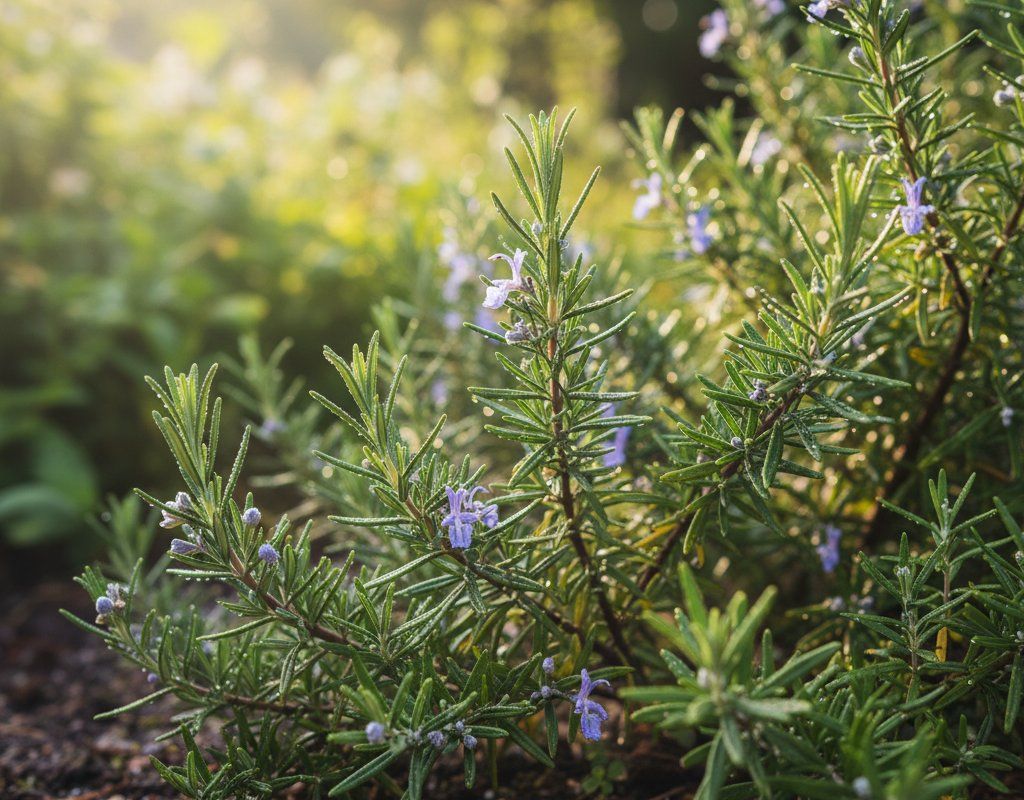
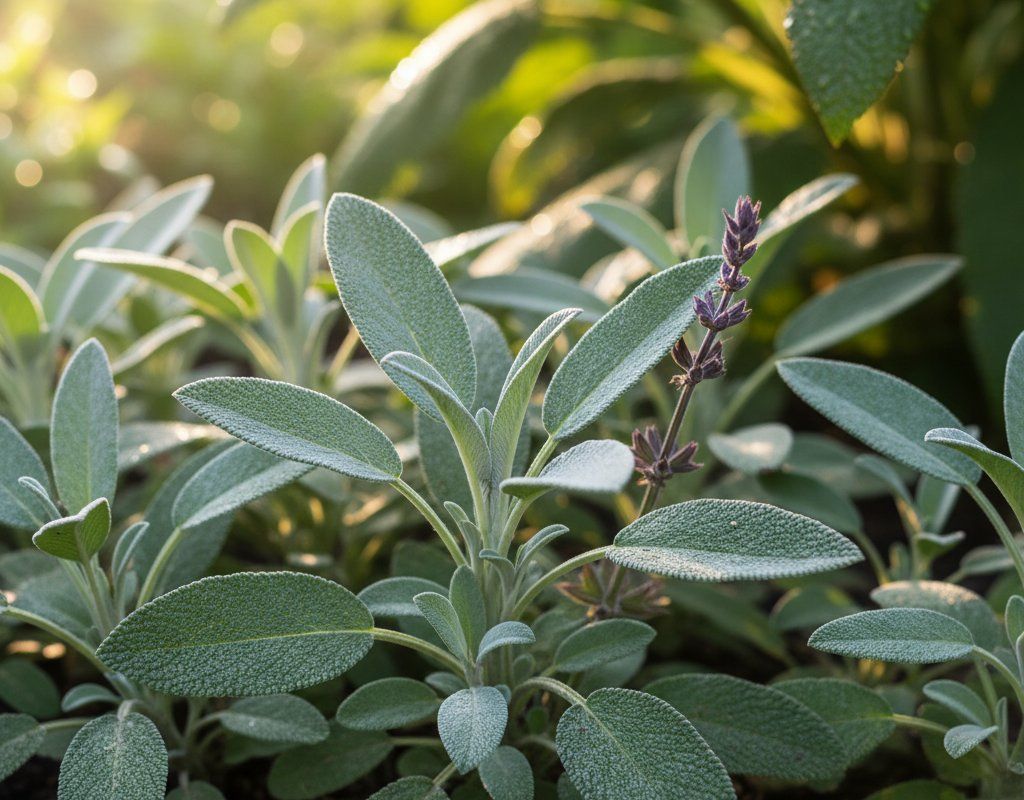
Lavender thrives alongside other Mediterranean herbs that share its love for full sun and well-drained soil. Rosemary, thyme, and sage make excellent companions, as they all enjoy similar growing conditions. Rosemary and thyme help to deter pests that might bother lavender, while sage can improve the soil's drainage.
Roses also make good companions for lavender. Lavender helps to deter aphids and other pests that can plague roses, while roses provide shade and shelter for lavender during the hottest parts of the day. Avoid planting mint near lavender. Mint is a vigorous grower that can quickly outcompete lavender for resources, and it prefers moister soil conditions, which are not ideal for lavender.
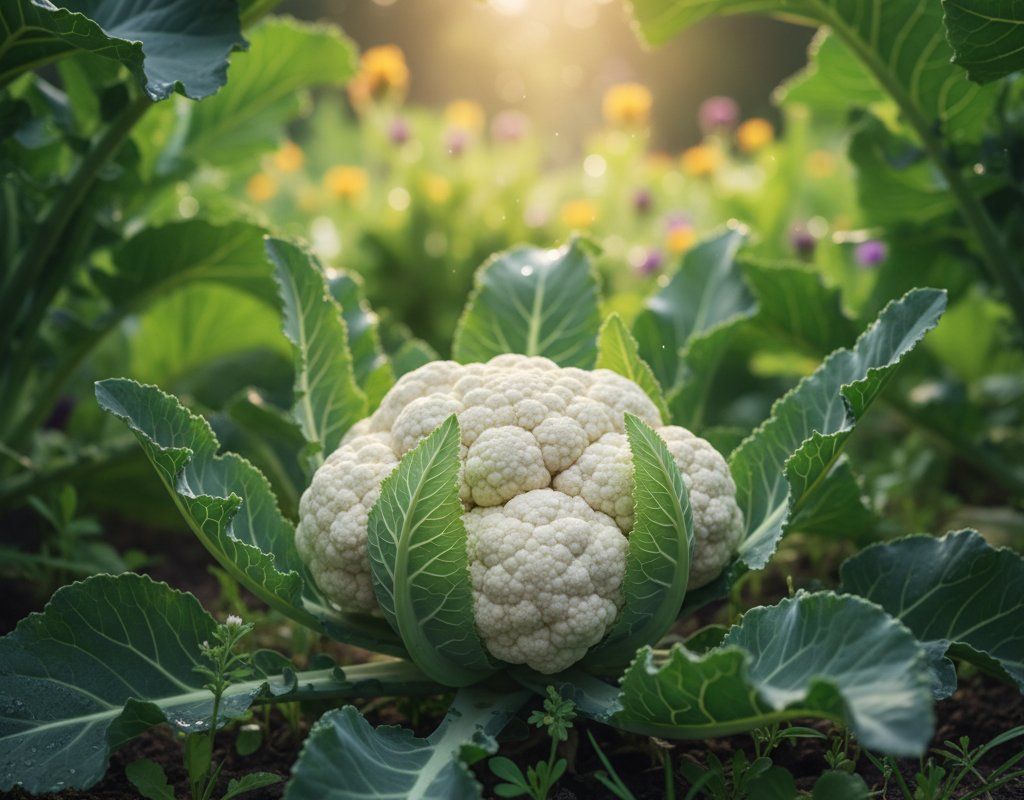
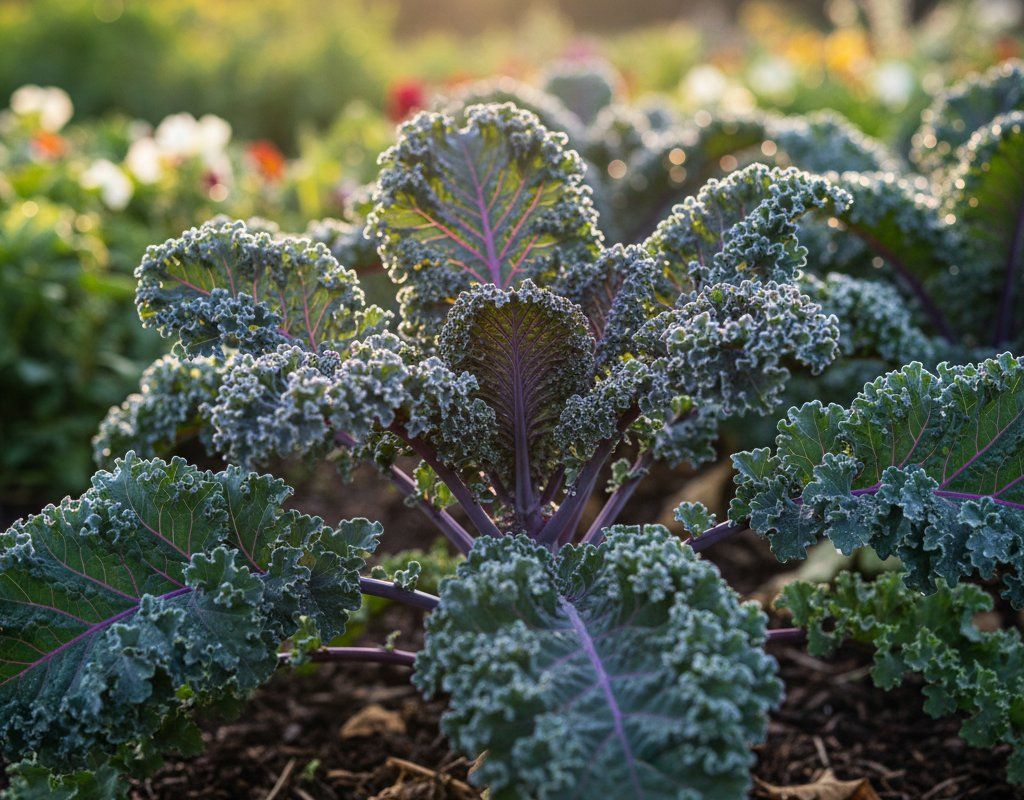
🥬Best Vegetables to Pair With Lavender
Lavender benefits these vegetables through pest control, pollinator attraction, or improved garden health.





Get a Reminder When It's Time to Plant
We'll email you when key planting windows open for your zone.