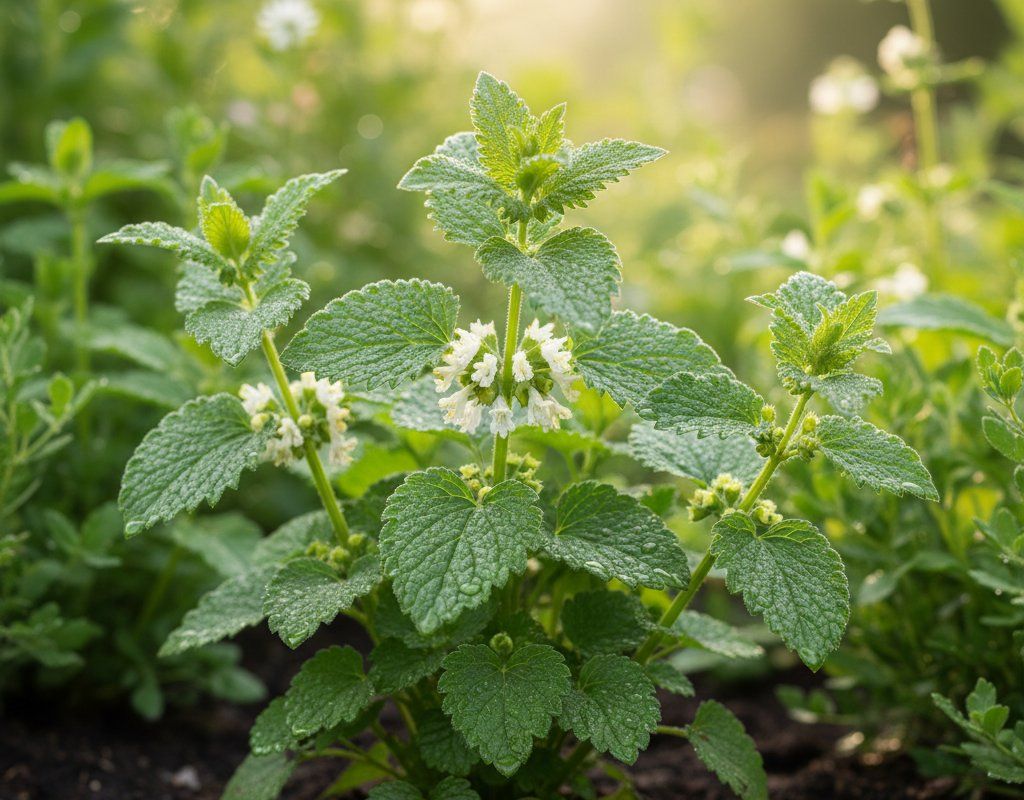
Lemon Balm in Zone 4A — Great Plains
Melissa officinalis · Your Complete 2026 Planting Guide
Planning Ahead — Great!
You’re ahead of the season. Here’s when to start.
Mark Your Calendar
How to Plant Lemon Balm in Zone 4A — Great Plains
Here are all your options for getting lemon balm in the ground, from the easiest method to more advanced approaches.
Direct Sow Seeds
RecommendedEarly May through early July
around May 10
Consider succession planting every 2-3 weeks for continuous harvest.
Start Seeds Indoors
RecommendedLate March through mid April
around March 29
Then transplant: Early May through early June
Start seeds 6-8 weeks before transplanting outdoors.
Buy Starts
Works WellEarly May through early June
around May 10
Plant purchased starts after last frost (May 10).
Transplant Outdoors
Timing InfoEarly May through early June
around May 10
Can tolerate light frost, but wait for soil to be workable.
You have a nice window — no need to rush.
Overview
Lemon Balm is a fantastic addition to any Great Plains garden. Its lemony scent and flavor brighten teas, salads, and even desserts. Plus, it's incredibly satisfying to snip fresh herbs right from your backyard, especially with our intense sunshine that really concentrates the flavors.
Our region can throw some curveballs with its extreme temperature swings, variable rainfall, and occasional hail. But with a little planning and attention to timing, you can easily grow Lemon Balm within our approximately 138-day growing season.
Starting Seeds Indoors
Starting Lemon Balm indoors can give you a jump on the season, but it's not strictly necessary. If you want to get a head start, aim to sow seeds indoors from late March through mid April – about six weeks before you plan to transplant.
Use seed trays with a good seed-starting mix. Keep them warm and provide plenty of light, either from a sunny window or a grow light. Bottom watering will help prevent damping-off, a common issue when starting seeds indoors, especially during our variable spring weather.
Transplanting Outdoors
Transplant your Lemon Balm seedlings outdoors from early May through early June, once the risk of frost has passed. Before planting, harden off your seedlings by gradually exposing them to outdoor conditions for about a week.
Choose a spot with full sun to partial shade and space the plants 18-24 inches apart. Keep an eye on the forecast – a late frost or a sudden hailstorm can set back young plants.
Direct Sowing
Direct sowing Lemon Balm is a simple and effective method, especially if you're not in a rush. Wait until the soil has warmed up, typically from early May through early July.
Prepare the soil by loosening it and removing any weeds. Sow the seeds directly into the ground, spacing them 18-24 inches apart. Keep the soil consistently moist until the seedlings emerge. Direct sowing avoids the stress of transplanting, but be aware that the plants may take a bit longer to mature.
Watering Lemon Balm in Zone 4A (Great Plains)
Lemon Balm thrives with moderate watering, which can be a bit of a balancing act in the Great Plains. Our summers can be hot, with typical highs around 93°F, but humidity tends to be low-to-moderate, and rainfall is often unpredictable.
During the peak of summer, check the soil moisture regularly using the "finger test" – stick your finger about two inches deep into the soil. If it feels dry, it's time to water. Aim for about an inch of water per week, either from rainfall or irrigation.
Water at the base of the plant to avoid wetting the leaves, which can encourage fungal diseases in our sometimes humid conditions. Signs of underwatering include wilting leaves and slow growth. Overwatering can lead to yellowing leaves and root rot. Mulching around the plants helps retain moisture and regulate soil temperature, crucial with our extreme weather.
Pruning & Maintaining Lemon Balm
Lemon Balm needs minimal pruning, but a little attention goes a long way. In midsummer, cut the plant back by about half to prevent it from becoming leggy and encourage bushier growth.
Remove any flower stalks as soon as you see them. This prevents the plant from self-seeding aggressively and helps maintain the flavor of the leaves. As the first frost approaches around late September, you can give the plant one final trim to tidy it up.
🧪Fertilizing Lemon Balm
Feeding Schedule
Organic Fertilizer Options
Harvest Time
You can start harvesting Lemon Balm leaves from mid July through early October, about 70 days after planting. The best flavor comes before the plant flowers, so keep an eye out for flower stalks and harvest frequently.
To harvest, simply snip off the leaves you need. Avoid taking more than a third of the plant at any one time to ensure continued production. Lemon Balm is best used fresh, as it loses much of its flavor when dried. As the first frost approaches in late September, harvest as much as you can and enjoy it while it lasts.
Common Problems in Zone 4A (Great Plains)
Here are some common problems you might encounter with Lemon Balm in the Great Plains:
Aggressive Spreading
- What it looks like: Lemon Balm pops up in unexpected places, spreading beyond its intended area.
- What causes it: The plant readily self-seeds and spreads via rhizomes (underground stems), especially in our fertile prairie soil.
- How to fix/prevent it: Plant in a contained area or raised bed. Remove flower stalks before they set seed. Regularly pull up unwanted seedlings.
Bolting
- What it looks like: The plant sends up a flower stalk prematurely. Leaves become bitter and tough.
- What causes it: Triggered by heat or drought stress, both common occurrences in our Plains summers.
- How to fix/prevent it: Provide shade during the hottest part of the day. Keep the soil consistently moist. Harvest leaves frequently to encourage vegetative growth.
Powdery Mildew
- What it looks like: White or grayish powdery coating on leaves and stems. Leaves curl, yellow, and die.
- What causes it: Fungi that thrive in warm days, cool nights, and moderate humidity.
- How to fix/prevent it: Improve air circulation through spacing and pruning. Remove affected leaves. Neem oil or potassium bicarbonate sprays can help.
Great Plains Specific Challenges: Our hot summers and variable rainfall can stress Lemon Balm, making it more susceptible to bolting and powdery mildew. Consistent watering and providing some afternoon shade can help mitigate these issues. The wind can also be tough on young plants, so provide some wind protection, especially when transplanting.
Best Companions for Lemon Balm
Plant these nearby for healthier Lemon Balm and better harvests.
View Full Companion Planting Chart →


Companion Planting Details
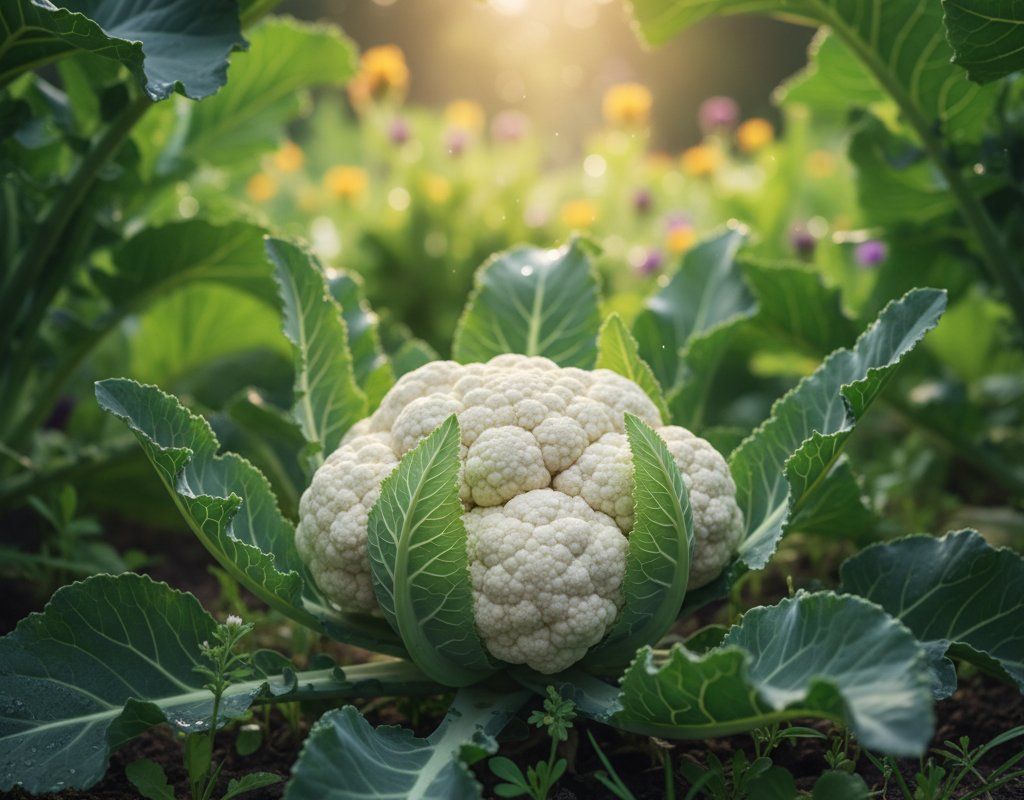
Lemon Balm is a great companion plant for several vegetables. It can help repel pests from tomatoes and squash. It also benefits broccoli and cauliflower by attracting beneficial insects that prey on common pests. Avoid planting it near , as the strong scent of Lemon Balm might interfere with its growth.
🌸Best Flowers to Plant with Lemon Balm
These flowers protect your Lemon Balm from pests and attract pollinators for better harvests.
For Pest Control

For Pollinators


Get a Reminder When It's Time to Plant
We'll email you when key planting windows open for your zone.