
Parsley in Zone 7B — Texas
Petroselinum crispum · Your Complete 2026 Planting Guide
Time to Buy Starts!
Seed starting window passed, but starts are available now.
Buy Starts Now
Head to your local nursery, Home Depot, or farmers market for transplants.
- Look for stocky plants with dark green leaves
- Avoid leggy seedlings or plants already flowering
- Check that roots aren't circling the pot (rootbound)
How to Plant Parsley in Zone 7B — Texas
Here are all your options for getting parsley in the ground, from the easiest method to more advanced approaches.
Direct Sow Seeds
RecommendedLate February through late August
around February 24
Consider succession planting every 2-3 weeks for continuous harvest.
Parsley is slow to germinate (2-4 weeks). Soaking seeds helps.
Start Seeds Indoors
RecommendedLate December through mid January
around December 30
Then transplant: Late February through late March
Start seeds 8-10 weeks before transplanting outdoors.
Start indoors 8-10 weeks early due to slow germination.
Buy Starts
Works WellLate February through late March
around February 24
Plant purchased starts after last frost (March 10).
Transplant Outdoors
Timing InfoLate February through late March
around February 24
Can tolerate light frost, but wait for soil to be workable.
You have a nice window — no need to rush.
Fall Planting
Early September through early October
September 18 ideal · Direct sow for fall harvest
Plant a second crop in mid-summer for fall harvest. Parsley actually prefers the cooling temperatures of fall.
Overview
Parsley deserves a spot in every Texas garden, delivering fresh, bright flavor that transforms everything from breakfast tacos to evening barbecue. While grocery store parsley often tastes like green paper, homegrown varieties offer complex, herbaceous notes that actually enhance your cooking. In our Texas climate, parsley thrives during our cooler months and provides steady harvests when many other herbs struggle with the heat.
Our unpredictable weather and brutal summer temperatures can challenge parsley, but timing your plantings right makes all the difference. With our generous 255-day growing season, you can enjoy fresh parsley from early spring through late fall, taking advantage of our mild winters and extended growing periods that most gardeners can only dream about.
Starting Seeds Indoors
Starting parsley seeds indoors makes sense if you want the earliest possible harvest or prefer specific varieties not available as transplants. Begin sowing seeds in late December through mid-January, about 8 weeks before you plan to transplant outdoors. Parsley seeds are notoriously slow to germinate—sometimes taking 3-4 weeks—so patience is essential.
Set up your seed trays in a warm location (65-70°F) with good light, either from a sunny south-facing window or grow lights. Use bottom watering to keep soil consistently moist without disturbing the tiny seeds. The extended germination time means you're committing to indoor care for quite a while, which is why many Texas gardeners prefer direct sowing when soil conditions allow.
Given our early spring start here in Texas, indoor sowing gives you a jump on the growing season, but it's not strictly necessary. If you have the space and enjoy starting seeds, it's a worthwhile project during our cooler January days.
Transplanting Outdoors
Transplant your indoor-started parsley seedlings outdoors from late February through late March, after hardening them off gradually over a week. Start by placing seedlings outside for just a few hours in a protected spot, gradually increasing their outdoor time until they can handle full days outside. This process helps them adjust to our variable Texas spring weather.
Space transplants 6-10 inches apart in well-draining soil. The closer spacing works well if you plan to harvest frequently, while wider spacing gives you larger, fuller plants. Plant them at the same depth they were growing in their containers.
Watch the weather closely during transplant time—our Texas springs can surprise you with late cold snaps or sudden heat waves. Have row covers ready if temperatures threaten to drop below freezing, though established parsley can handle light frosts once acclimated to outdoor conditions.
Direct Sowing
Direct sowing parsley works well in Texas from late February through late August, though spring and fall plantings perform best. Prepare your soil by working in compost and ensuring good drainage—parsley doesn't tolerate waterlogged conditions. Soak seeds overnight before planting to speed up the naturally slow germination process.
Plant seeds about ¼ inch deep and 2-3 inches apart, then thin to 6-10 inches spacing once seedlings establish. Keep the soil consistently moist during the 2-4 week germination period, which can be challenging during our unpredictable spring weather. Mark your rows clearly since parsley seedlings emerge slowly and look similar to weeds initially.
Fall direct sowing from early September through early October often produces the best results in Texas. Cooler temperatures and more predictable rainfall help with germination, and plants establish before winter sets in. These fall-planted parsley plants will provide harvests through the following spring.
Watering Parsley in Zone 7B (Texas)
Parsley needs moderate, consistent moisture throughout the growing season—about 1 inch of water per week from rain and irrigation combined. Unlike some herbs that prefer to dry out between waterings, parsley performs best with evenly moist (but not waterlogged) soil. Use the finger test: stick your finger 2 inches into the soil near the plants, and water when it feels dry at that depth.
During our brutal Texas summers, you'll likely need to water twice weekly or more, depending on your soil and recent rainfall. Water at the base of plants early in the morning to reduce evaporation and avoid wetting the foliage, which can lead to fungal problems in our variable humidity. Deep, less frequent watering encourages stronger root systems than daily light sprinklings.
Our unpredictable rainfall patterns—from drought to flash floods—make consistent watering challenging. During dry spells, parsley will show stress by wilting slightly in the afternoon heat even with adequate soil moisture. However, if leaves stay wilted in the morning or turn yellow, increase your watering frequency. Conversely, after heavy rains, check for standing water and improve drainage if needed.
Apply 2-3 inches of organic mulch around plants to help maintain soil moisture and moderate root temperature during extreme heat. Good mulch choices include shredded hardwood or compost, which also improve soil structure as they break down in our Texas heat.
🧪Fertilizing Parsley
Feeding Schedule
Organic Fertilizer Options
Harvest Time
Your first parsley harvest typically begins in early May if you planted in late winter, with continuous harvests possible through late November until our first frost hits. Parsley is ready to harvest when outer stems develop three distinct segments or leaflet clusters. This usually occurs about 70 days from seeding, though plants started from transplants may be ready sooner.
Cut stems at their base near soil level rather than snipping tips—this encourages new growth from the center of the plant. Start by harvesting the outer, older stems first, leaving younger inner growth to continue developing. A healthy plant can provide weekly harvests throughout the growing season with this method.
Parsley is biennial, meaning it focuses on leaf production during its first year, then flowers and sets seed in the second year. In Texas, most gardeners treat it as an annual since our summer heat often stresses plants enough that they bolt prematurely. For continuous harvests, succession plant every 4-6 weeks during the cooler months.
As our first frost approaches in mid-November, harvest heavily and preserve what you can't use fresh. Parsley doesn't store well after frost damage, so plan your final harvest accordingly. You can also pot up healthy plants and move them indoors for winter harvests.
Common Problems in Zone 7B (Texas)
Slow Germination Seeds take 2-4 weeks to germinate, often leaving you wondering if anything will emerge. Parsley seeds have tough seed coats that naturally inhibit quick sprouting, and cool soil temperatures slow the process even more. In Texas, early spring soil may still be too cool for optimal germination.
Soak seeds overnight before planting to soften seed coats. Keep soil consistently moist but not waterlogged during the extended germination period. Consider starting some seeds indoors during late winter where you can control temperature and moisture more easily.
Carrot Rust Fly Small dark flies hover around plants, and you'll notice rusty brown tunnels in parsley roots if you dig them up. Foliage wilts despite adequate water, and plant growth slows dramatically. The larvae tunnel into roots and crowns, eventually killing plants.
Row covers provide the most effective prevention—install them immediately after planting and keep them in place except when harvesting. Delay spring planting past the first fly generation (usually late March in Texas). Interplant with onions, as their scent helps confuse the flies. Avoid thinning plants during peak fly activity since bruised leaves attract them.
Crown Rot Plants suddenly collapse at soil level, with stems becoming dark and mushy near the base. This fungal disease thrives in our humid conditions, especially when combined with overwatering or poor drainage. You'll often see it after periods of flash flooding or extended wet weather.
Improve soil drainage by adding compost and avoid overhead watering. Plant in raised beds if your soil tends to stay wet. Remove affected plants immediately to prevent spread to healthy ones. Water early in the day so foliage dries quickly.
Texas Specific Challenges: Our extreme summer heat often causes parsley to bolt prematurely, while unpredictable rainfall creates cycles of drought stress followed by waterlogged conditions that encourage fungal problems. Fire ants may disturb root zones, and sudden temperature swings can stress plants just when they're establishing.
Best Companions for Parsley
Plant these nearby for healthier Parsley and better harvests.
View Full Companion Planting Chart →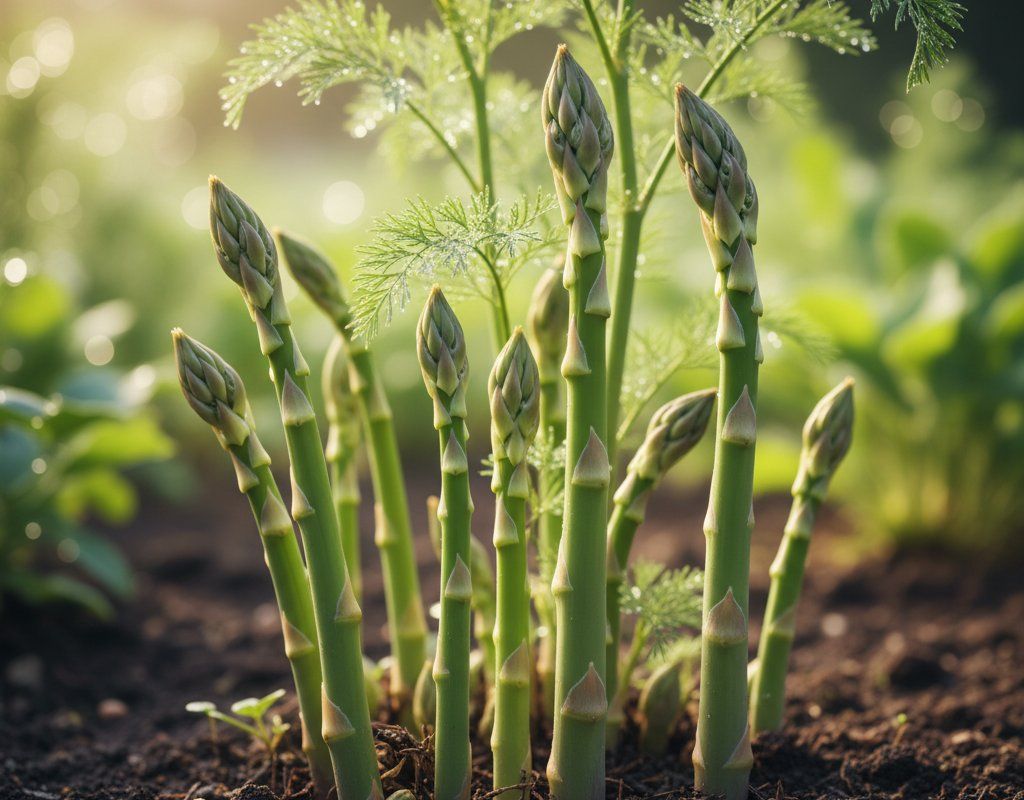



Companion Planting Details
Parsley makes an excellent companion for tomatoes, helping to repel some pests while attracting beneficial insects that control aphids and other harmful bugs. Plant it near your tomato beds during spring and fall growing seasons. It also pairs well with asparagus, providing ground cover that helps suppress weeds while the asparagus ferns develop. Corn benefits from parsley planted nearby, as the herb attracts predatory insects that control corn earworms and other pests.
Avoid planting parsley near lettuce, as both compete for similar nutrients and space, often resulting in poor growth for both crops. Keep it away from mint, which spreads aggressively and can overwhelm parsley plants while creating too much competition for water during our hot Texas summers. The dense growth of mint also reduces air circulation, increasing humidity around parsley and promoting fungal diseases.
🌸Best Flowers to Plant with Parsley
These flowers protect your Parsley from pests and attract pollinators for better harvests.
For Pest Control




Get a Reminder When It's Time to Plant
We'll email you when key planting windows open for your zone.