
French Marigold in Zone 9B — Florida
Tagetes patula · Your Complete 2026 Planting Guide
Time to Buy Starts!
Seed starting window passed, but starts are available now.
Buy Starts Now
Head to your local nursery, Home Depot, or farmers market for transplants.
- Look for stocky plants with dark green leaves
- Avoid leggy seedlings or plants already flowering
- Check that roots aren't circling the pot (rootbound)
How to Plant French Marigold in Zone 9B — Florida
Here are all your options for getting french marigold in the ground, from the easiest method to more advanced approaches.
Direct Sow Seeds
RecommendedMid January through late October
around January 20
Consider succession planting every 2-3 weeks for continuous harvest.
Start Seeds Indoors
RecommendedMid December through early January
around December 23
Then transplant: Early February through mid March
Start seeds 6-8 weeks before transplanting outdoors.
Buy Starts
Works WellEarly February through mid March
around February 3
Plant purchased starts after last frost (January 20).
Transplant Outdoors
Timing InfoEarly February through mid March
around February 3
Wait until nighttime temperatures stay above 50°F.
You have a nice window — no need to rush.
Overview
French marigolds are a fantastic addition to any Florida garden. Their vibrant colors brighten up your landscape, and they're surprisingly edible with a slightly citrusy flavor, perfect for salads. Plus, they attract beneficial insects that help keep your vegetable garden healthy.
While we face challenges like high humidity and nematodes here in Florida, French marigolds are relatively easy to grow if you time it right. Our long 344-day growing season means you can enjoy these cheerful blooms for a good portion of the year.
Starting Seeds Indoors
Starting French marigold seeds indoors is an option, especially if you want a head start on the season. Begin sowing your seeds from mid-December through early January, about six weeks before you plan to transplant them outdoors. Use seed trays filled with a well-draining seed-starting mix, and keep them in a warm, well-lit area – a sunny windowsill or under grow lights works well.
Remember to water from the bottom to avoid damping off, a common problem with seedlings. In Florida, our spring is reversed, so starting early indoors can give you a jump on the best weather for blooms.
Transplanting Outdoors
Transplant your French marigold seedlings outdoors from early February through mid-March, after the threat of frost has passed. Before transplanting, harden off your seedlings by gradually exposing them to outdoor conditions for about a week. This helps them adjust to the sunlight and temperature changes.
Space the seedlings 8-10 inches apart to allow for good air circulation. Be mindful of unexpected temperature swings we sometimes get in early spring here.
Direct Sowing
Direct sowing French marigold seeds is easy and often successful in Florida, given our long growing season. You can sow directly into the garden from mid-January through late October. Choose a sunny spot with well-draining soil.
Prepare the soil by loosening it and removing any weeds or debris. Sow the seeds about ¼ inch deep and 8-10 inches apart. Keep the soil consistently moist until the seedlings emerge. Direct sowing is less work, but be aware that seedlings are more vulnerable to pests and weather.
Watering French Marigold in Zone 9B (Florida)
Watering is critical, especially in Florida's unique climate. While French marigolds are drought-tolerant once established, they need regular watering during their initial growth phase. During the cooler months, water only when the top two inches of soil feel dry to the touch – use the finger test.
Aim for about 1 inch of water per week, depending on rainfall. In the rainy summer months, you might not need to water at all. Always water at the base of the plants to avoid wetting the foliage, which can encourage fungal diseases in our humid environment.
Signs of underwatering include wilting leaves, while yellowing leaves can indicate overwatering. Mulching around the base of the plants with pine straw or wood chips helps retain moisture and suppress weeds, both essential for successful Florida gardening.
Pruning & Maintaining French Marigold
Regular deadheading is key to keeping your French marigolds blooming throughout the season. Simply pinch or snip off the spent flowers just below the flower head, leaving the foliage intact. This encourages the plant to produce more blooms rather than focusing on seed production.
Continue deadheading throughout the growing season. As our first frost approaches around late December, you can let the last flowers of the season go to seed if you want to collect them for next year.
🧪Fertilizing French Marigold
Feeding Schedule
Organic Fertilizer Options
Harvest Time
You can expect your first harvest of French marigold blooms about 50 days after planting, from mid-March through late December. Harvest the flowers when they are fully open and the petals are vibrant. To harvest, simply snip the stem just below the flower head.
Regular harvesting encourages continuous blooming. If you want to save seeds, allow some of the flower heads to dry completely on the plant. As the first frost of late December nears, harvest any remaining blooms for a final display or to dry for later use.
Common Problems in Zone 9B (Florida)
Here are some common problems you might encounter with French marigolds in Florida:
Spider Mites
- What it looks like: Fine webbing on the leaves and tiny, spider-like creatures on the undersides. Leaves may appear stippled or yellowed.
- What causes it: Dry, hot conditions favor spider mites. They can be a nuisance during Florida's drier spring months.
- How to fix/prevent it: Increase humidity around the plants by misting them with water. Insecticidal soap or neem oil can also be effective.
Powdery Mildew
- What it looks like: White or grayish powdery coating on leaves, stems. Leaves curl, yellow, and die. Reduces plant vigor.
- What causes it: Various fungi that thrive in warm days, cool nights, and moderate humidity. Dry leaf surfaces actually favor it (unlike most fungi). Our humid Florida climate is a breeding ground.
- How to fix/prevent it: Improve air circulation through spacing and pruning. Remove affected leaves. Neem oil or potassium bicarbonate sprays help. Milk spray (1 part milk to 9 parts water) is surprisingly effective. Plant resistant varieties.
Slugs
- What it looks like: Irregular holes in leaves, especially on young plants. Slimy trails on the soil and foliage.
- What causes it: Slugs thrive in damp, shady conditions. They can be particularly problematic during our wet-summer months.
- How to fix/prevent it: Handpick slugs off the plants, especially at night. Use slug bait or traps. Encourage natural predators like birds and toads.
Florida Specific Challenges: The combination of extreme humidity and wet-summer rainfall can create ideal conditions for fungal diseases, so be sure to provide good air circulation and avoid overhead watering. Sandy soil can also be a challenge, so amend with plenty of organic matter to improve water retention.
Best Companions for French Marigold
Plant these nearby for healthier French Marigold and better harvests.

Keep Away From
Companion Planting Details
French marigolds make excellent companion plants in the Florida garden:
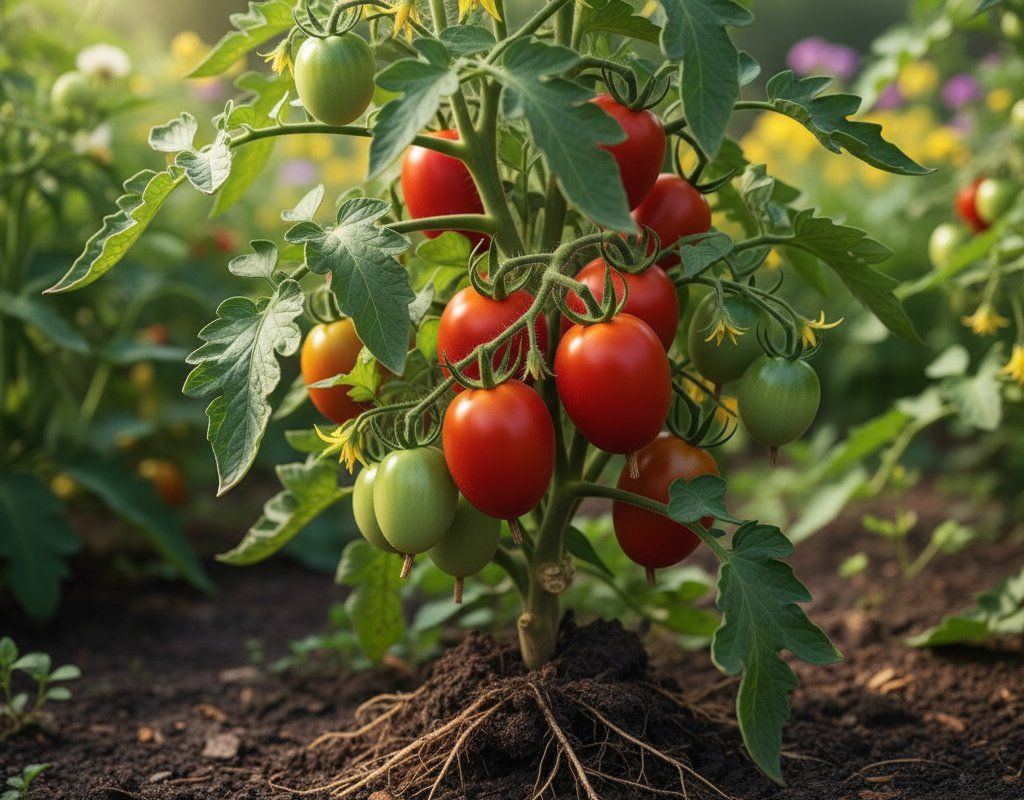
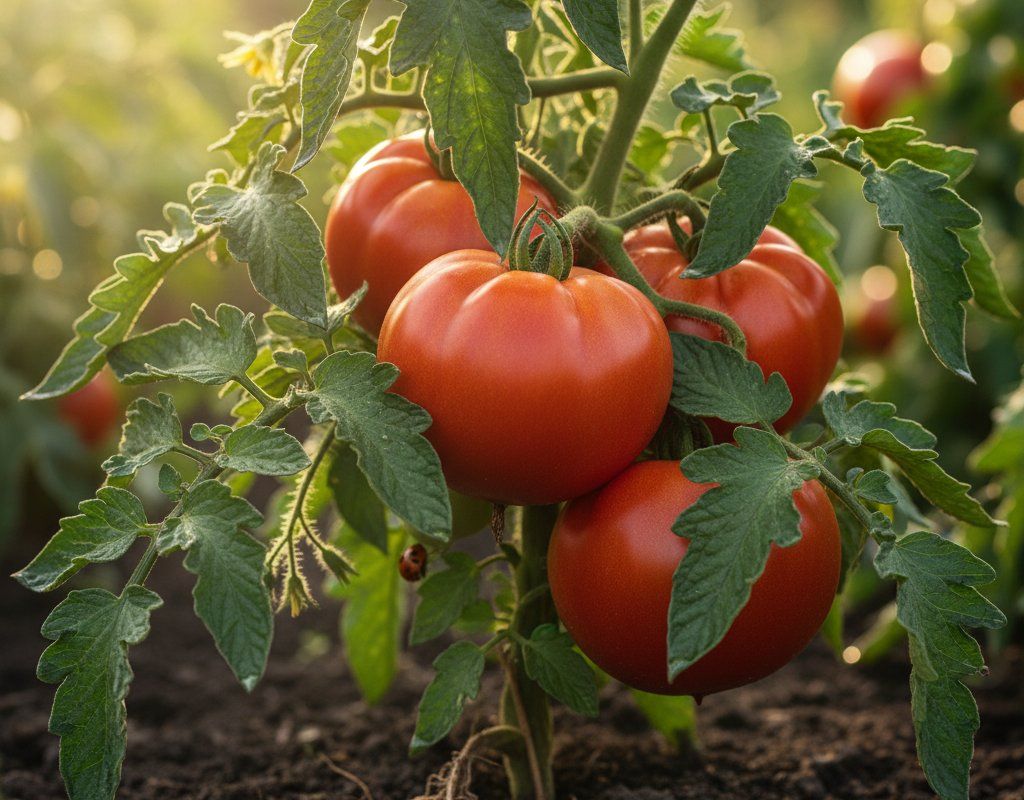
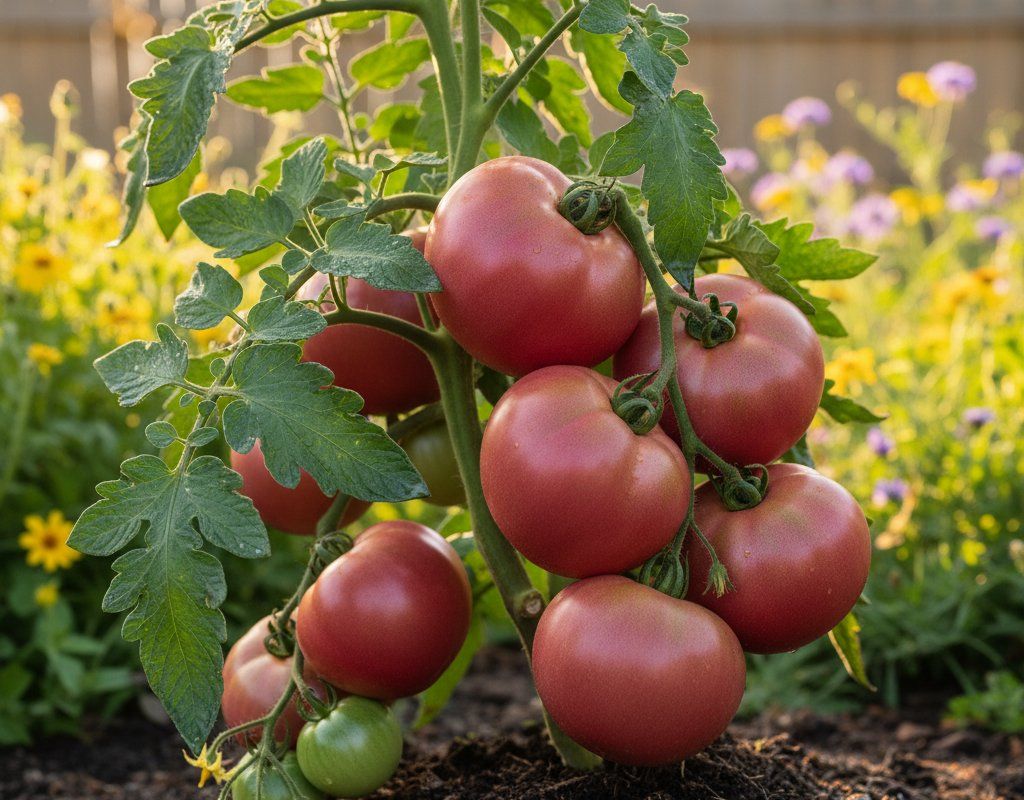
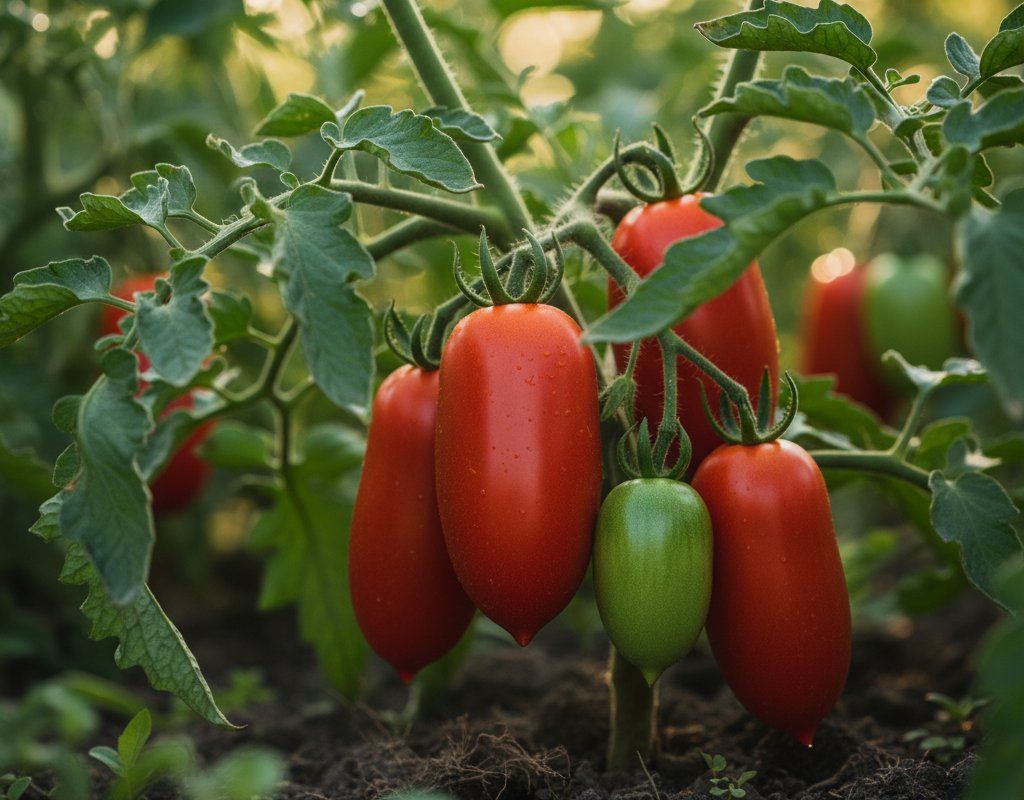
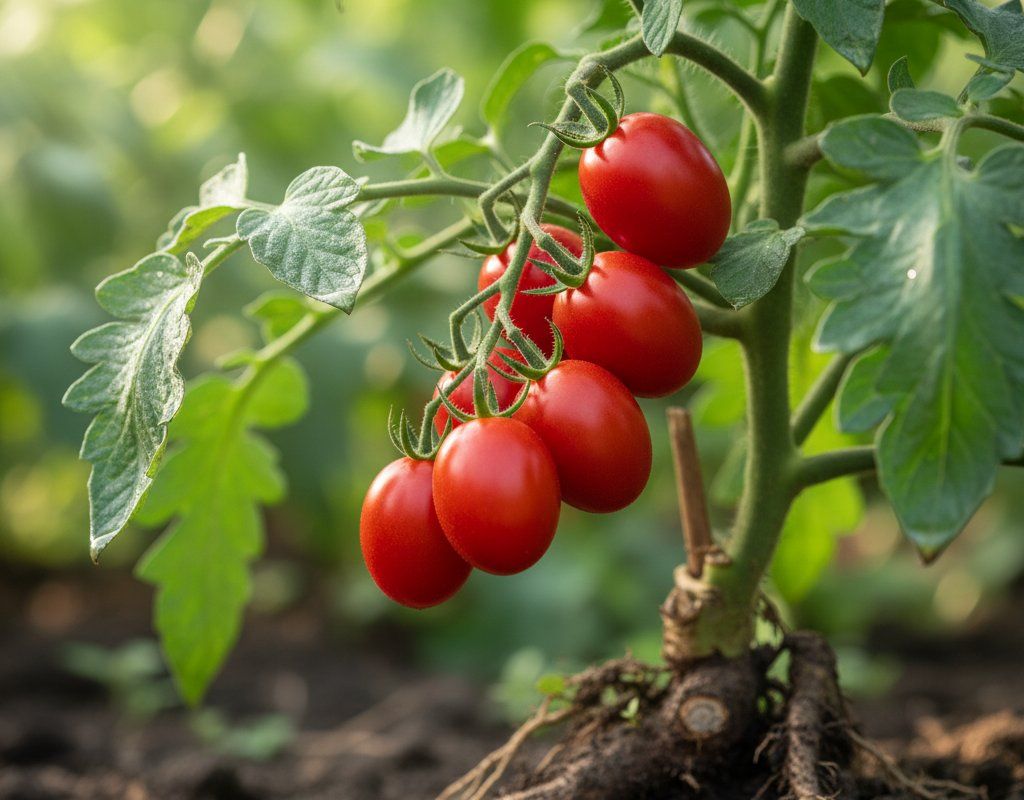
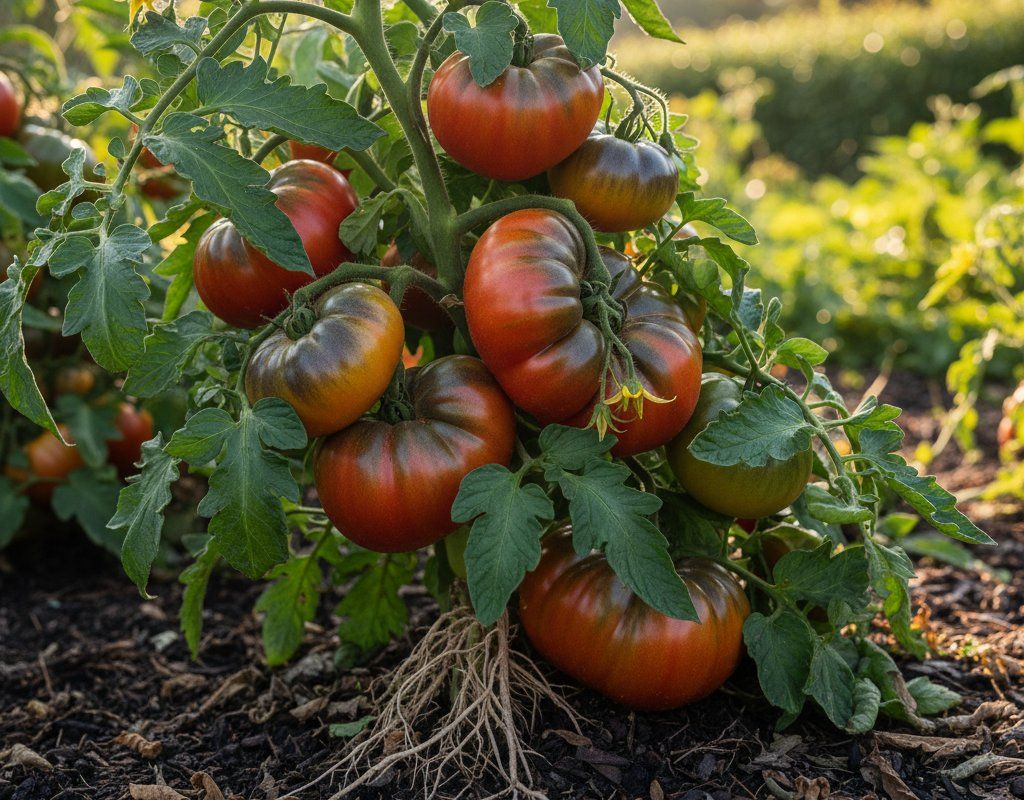
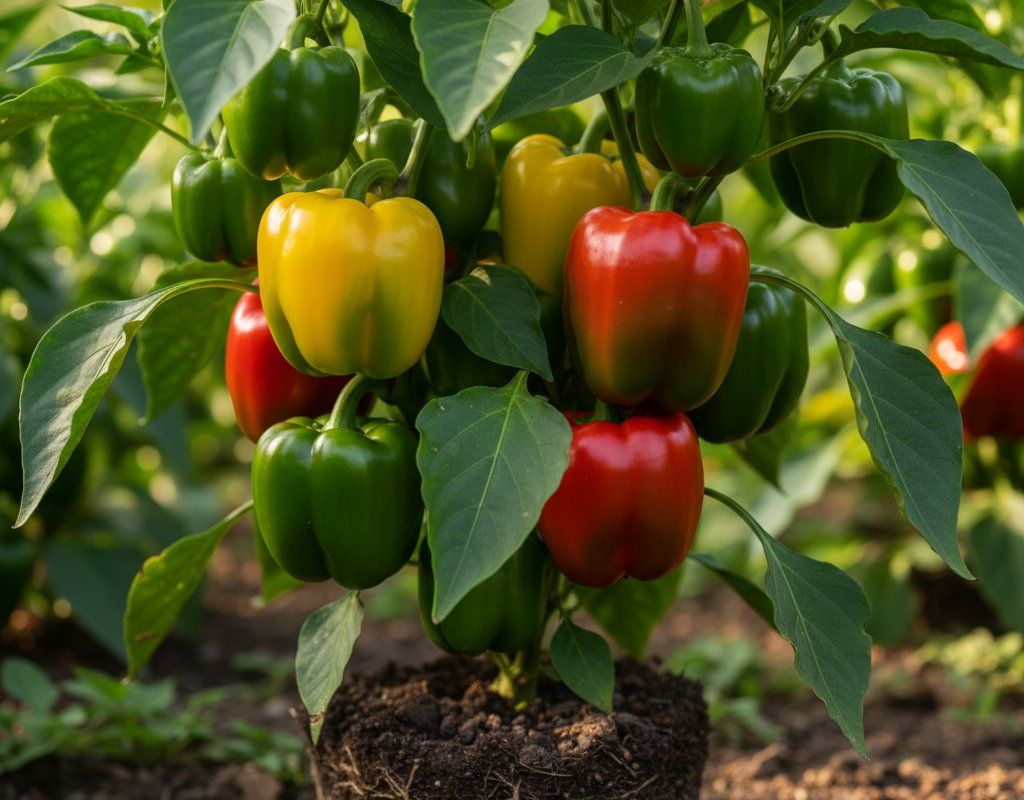
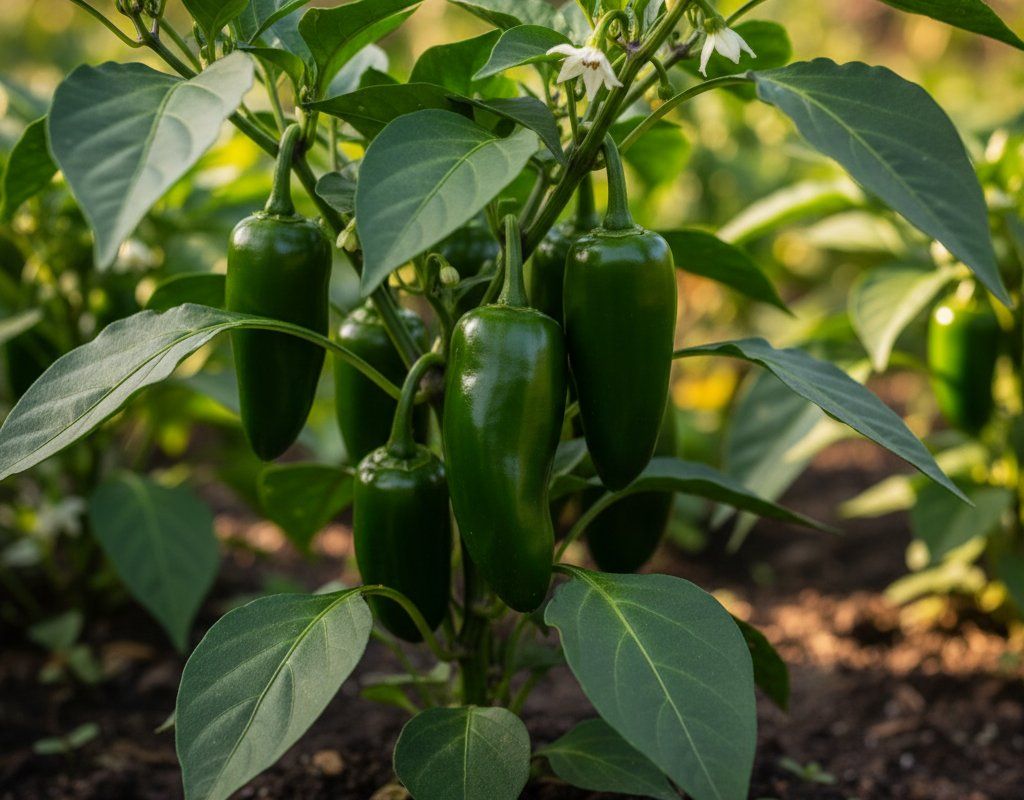
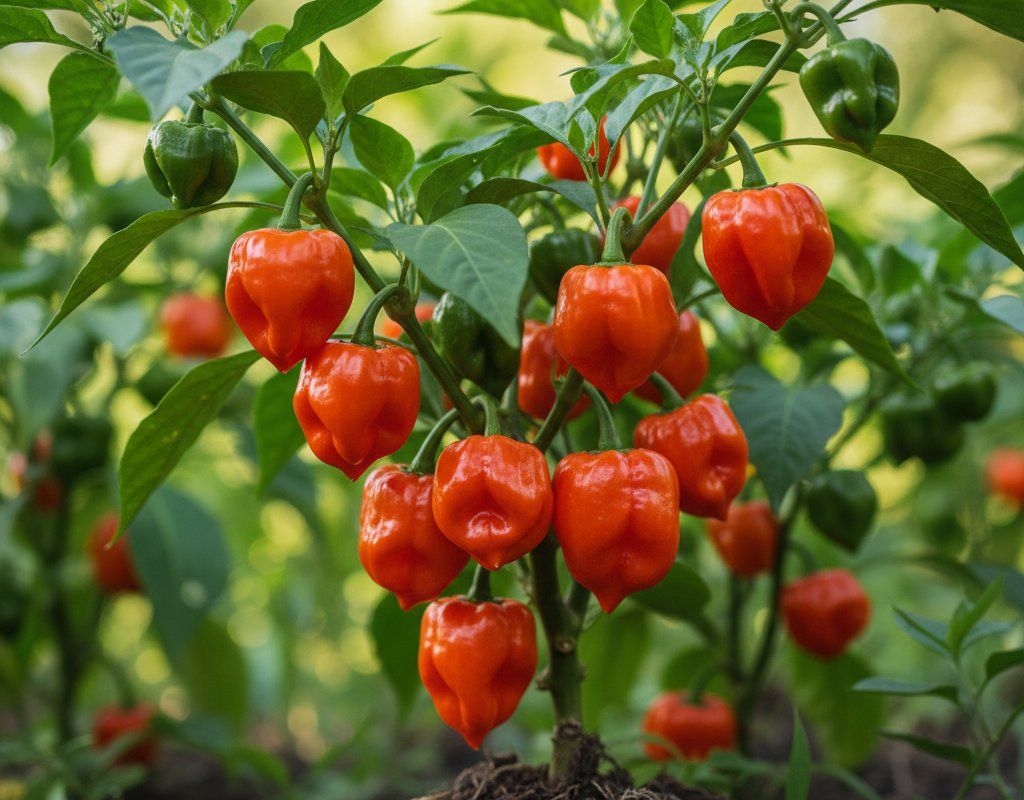
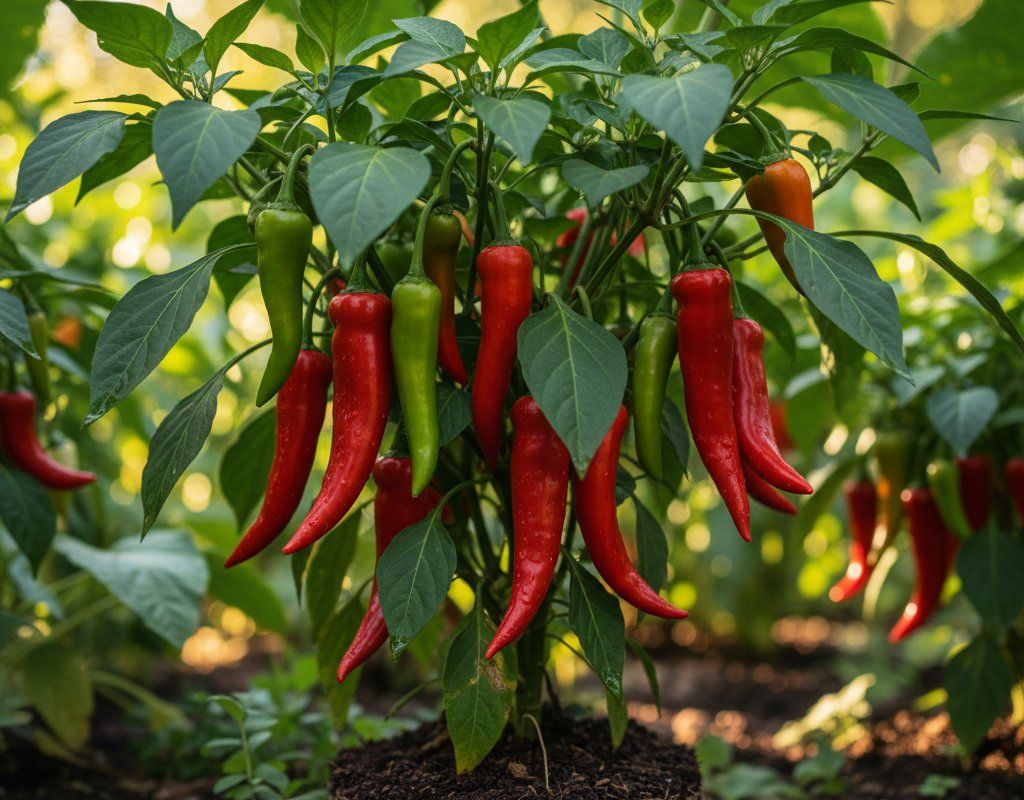
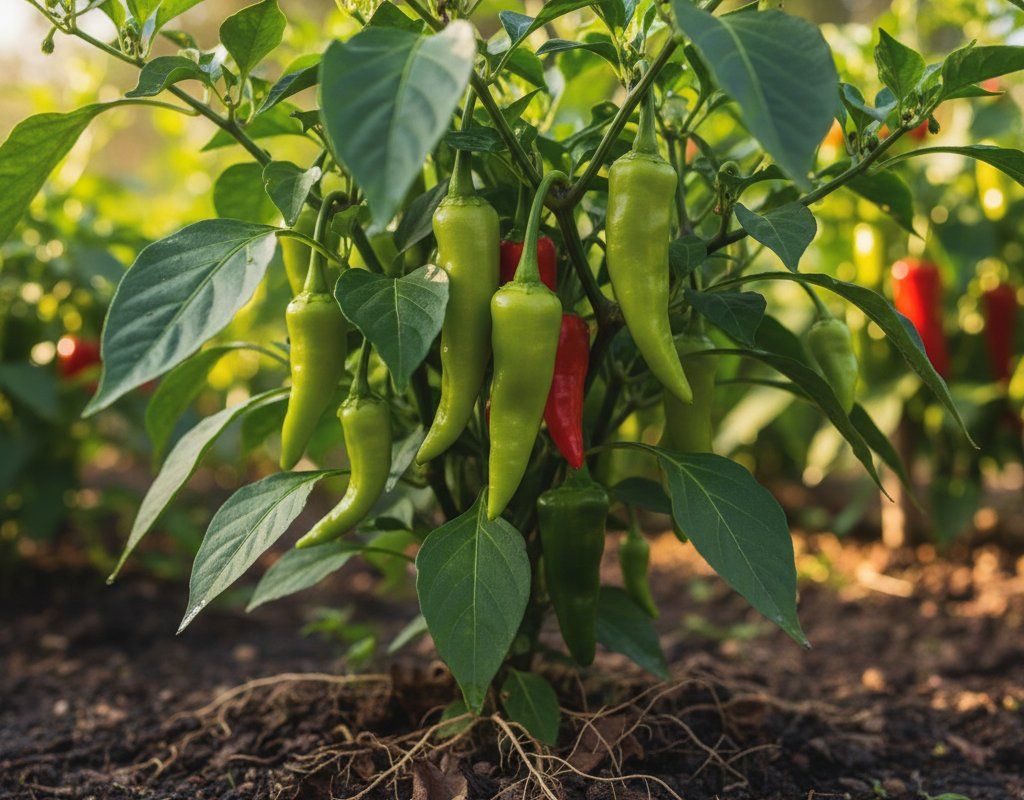
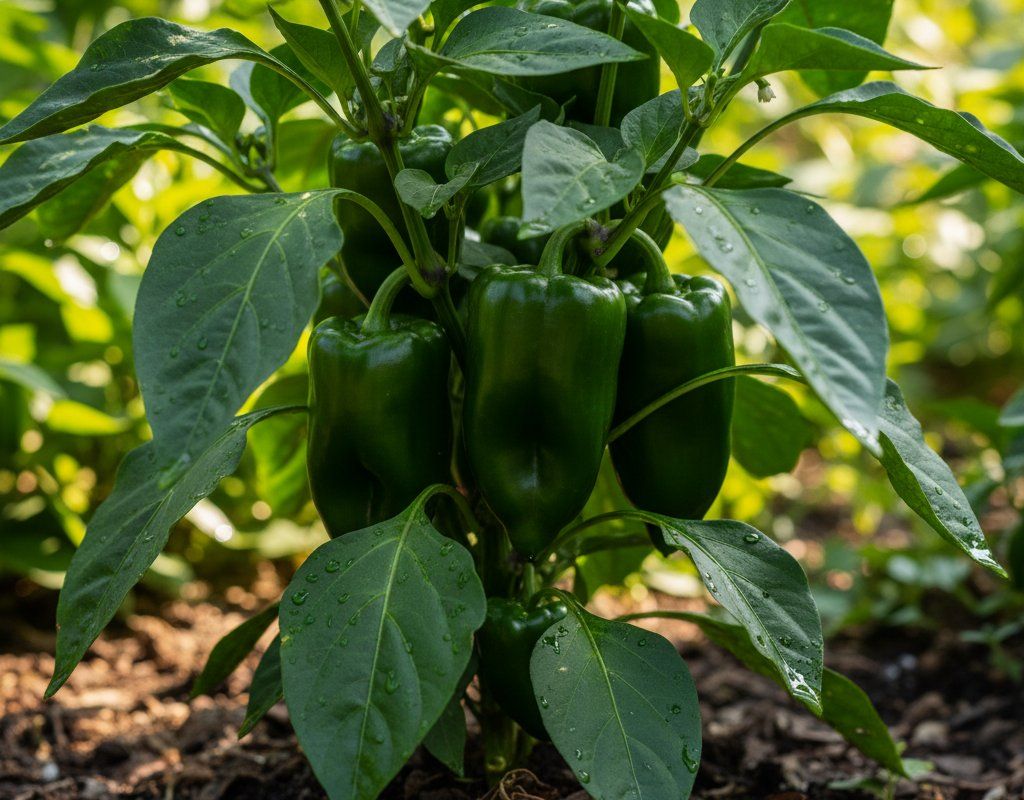
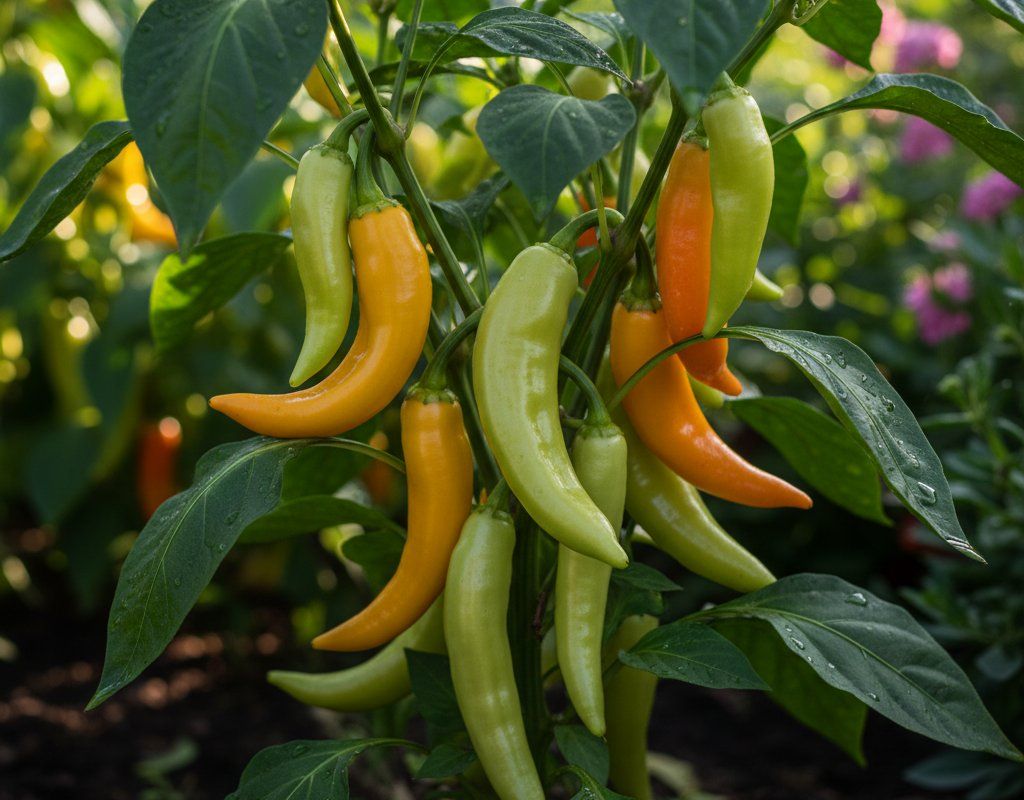
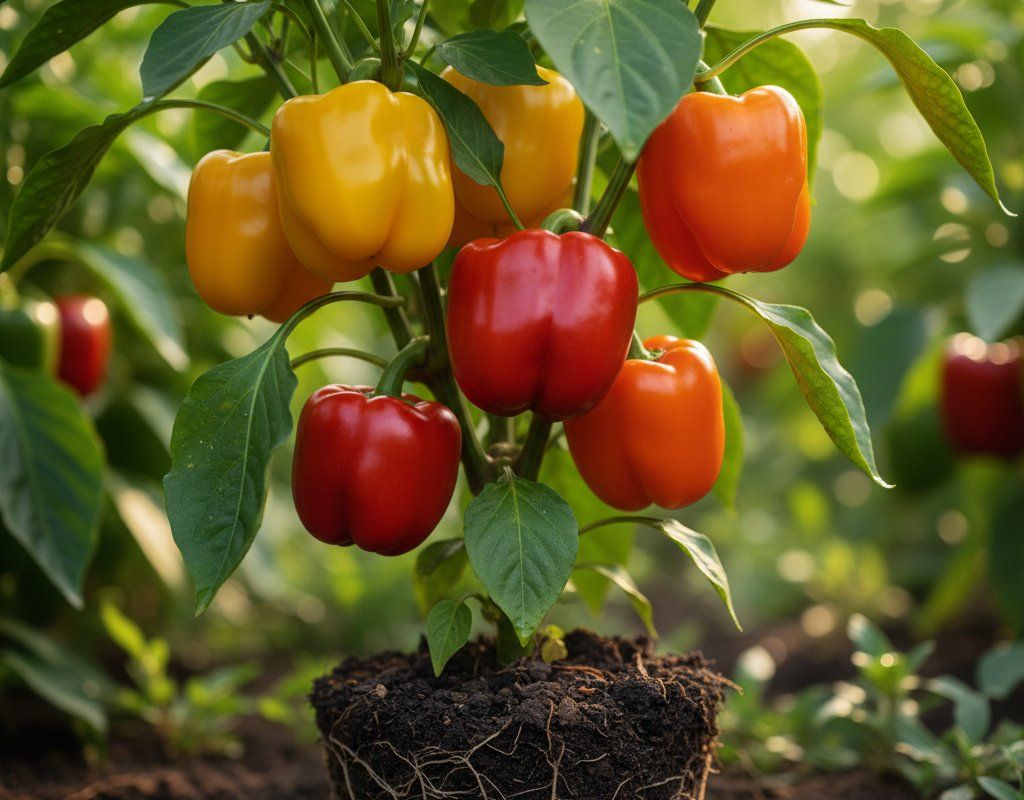
- Tomato and Pepper: Marigolds repel nematodes in the soil, which are a major problem for tomatoes and peppers in Florida.
- Basil: Marigolds help deter pests that attack basil, and basil can help repel pests that bother marigolds, a win-win!
- Cucumber: Marigolds can attract pollinators to cucumber plants, increasing fruit production.
- Avoid planting near beans-green: Marigolds can inhibit the growth of beans.
🥬Best Vegetables to Pair With French Marigold
French Marigold benefits these vegetables through pest control, pollinator attraction, or improved garden health.









Get a Reminder When It's Time to Plant
We'll email you when key planting windows open for your zone.