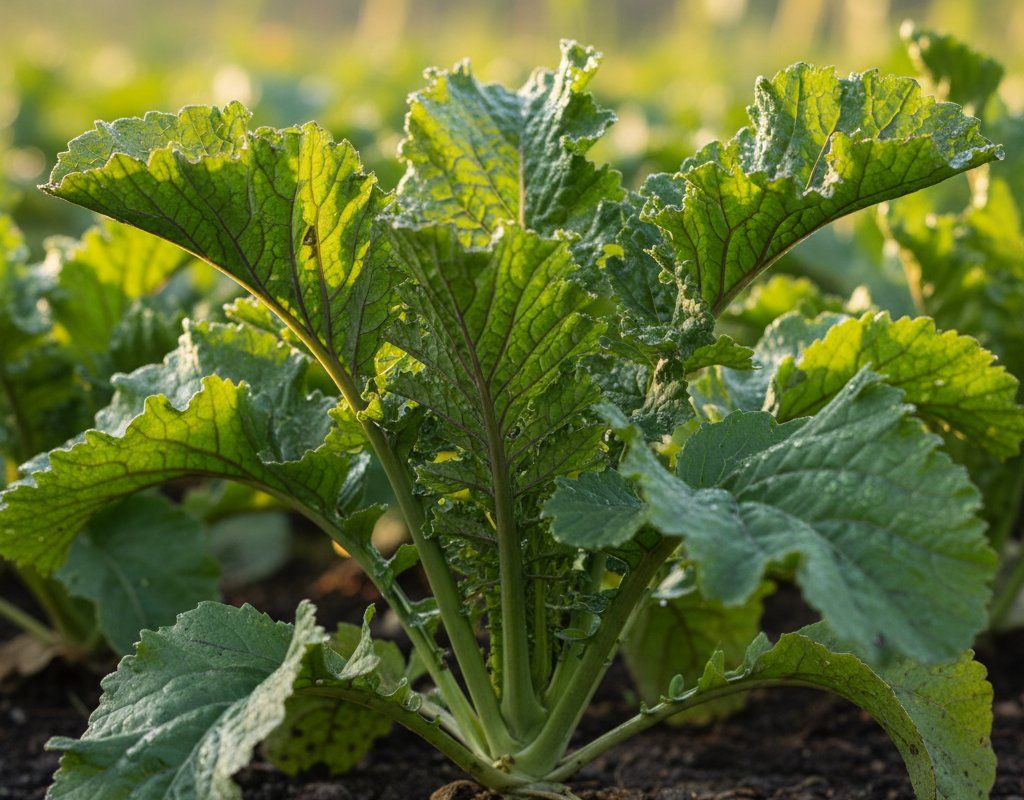
Mustard Greens in Zone 10A — Desert Southwest
Brassica juncea · Your Complete 2026 Planting Guide
Harvest Time!
Your Mustard Greens should be producing now!
Harvest Tips
Harvest outer leaves for cut-and-come-again, or cut whole head.
How to Plant Mustard Greens in Zone 10A — Desert Southwest
Here are all your options for getting mustard greens in the ground, from the easiest method to more advanced approaches.
Direct Sow Seeds
RecommendedLate December through late October
around December 23
Consider succession planting every 2-3 weeks for continuous harvest.
Start Seeds Indoors
RecommendedEarly to late December
around December 16
Then transplant: Early January through mid February
Start seeds 3-5 weeks before transplanting outdoors.
Buy Starts
Works WellEarly January through mid February
around January 6
Plant purchased starts after last frost (January 20).
Transplant Outdoors
Timing InfoEarly January through mid February
around January 6
Can tolerate light frost, but wait for soil to be workable.
You have a nice window — no need to rush.
Fall Planting
Late October through late November
November 13 ideal · Direct sow for fall harvest
Plant a second crop in mid-summer for fall harvest. Mustard Greens actually prefers the cooling temperatures of fall.
Overview
Mustard greens offer a peppery bite that brightens up salads and stir-fries, and they're surprisingly easy to grow in our Desert Southwest climate. The satisfaction of harvesting fresh greens from your own garden, even in the cooler months, is hard to beat. Plus, they tolerate a bit of frost, giving us a longer harvest window.
Sure, our extreme heat and alkaline soil present challenges, but with careful timing during our two growing seasons, you can enjoy a steady supply of mustard greens. Our long 339-day growing season gives you plenty of opportunity to work around the summer heat.
Starting Seeds Indoors
Starting mustard greens indoors is an option, but honestly, it's usually not necessary here in the Desert Southwest. Direct sowing works so well, and our very-early spring character means the soil warms up quickly. If you want a head start, though, start seeds indoors early to late December, about 3 weeks before you plan to transplant.
Use seed trays and a good seed-starting mix. Keep the soil consistently moist by bottom watering – setting the tray in a shallow dish of water until the surface of the soil is damp. Provide warmth and light, either with a heat mat and grow lights or in a sunny window.
Transplanting Outdoors
Transplant your mustard green seedlings outdoors early January through mid February. Before transplanting, harden them off by gradually exposing them to outdoor conditions for about a week. This helps them adjust to the stronger sun and temperature fluctuations.
Space the seedlings 6-12 inches apart in well-drained soil. Keep an eye on the weather forecast; even though we have mild winters, a late frost can still happen. If a frost is predicted, cover your transplants with frost cloth.
Direct Sowing
Direct sowing mustard greens is the easiest method in our Desert Southwest climate. You can direct sow from late December through late October, taking a break during the hottest part of summer. Aim for late October for a fall/winter harvest.
Prepare the soil by loosening it and amending with compost. Mustard greens prefer soil temperatures between 45°F and 85°F for germination. Sow seeds 1/4 inch deep and keep the soil consistently moist until they germinate. Thin seedlings to 6-12 inches apart once they have a few true leaves.
Watering Mustard Greens in Zone 10A (Desert Southwest)
Watering is crucial for mustard greens, especially in our arid Desert Southwest climate. Aim to keep the soil consistently moist, but not waterlogged. Remember, drought stress can increase the spiciness of the leaves and trigger bolting, which we want to avoid.
During the cooler months (late fall, winter, early spring), water deeply once or twice a week, providing about 1 inch of water each time. Use the finger test: stick your finger about 2 inches into the soil. If it feels dry, it's time to water. During the monsoon season, let nature do some of the work, but still check the soil moisture regularly. Avoid overhead watering, which can encourage fungal diseases in our humid monsoon conditions; water at the base of the plants instead.
Signs of underwatering include wilting leaves and slow growth. Overwatering can lead to yellowing leaves and root rot. A layer of organic mulch, like shredded leaves or straw, can help retain moisture in the soil and regulate soil temperature, which is especially helpful during our temperature swings.
🧪Fertilizing Mustard Greens
Feeding Schedule
Organic Fertilizer Options
Harvest Time
You can expect your first harvest of mustard greens early February through early January, about 45 days after planting. The leaves are usually ready to harvest when they are 4-6 inches long. Younger leaves have a milder flavor, while larger leaves are spicier.
To harvest, simply snip off the outer leaves with scissors or a knife, leaving the inner leaves to continue growing. This allows for continuous harvest throughout the season. Be sure to harvest before the plant starts to flower (bolt), as the leaves will become bitter.
As our first frost approaches in late December, harvest as many leaves as possible. You can also cover the plants with frost cloth to extend the harvest a bit longer.
Common Problems in Zone 10A (Desert Southwest)
Here are some common problems you might encounter growing mustard greens in the Desert Southwest:
Flea Beetles
- What it looks like: Tiny round holes (shot-hole pattern) in leaves. You'll see small dark beetles that jump when disturbed. Young seedlings are most vulnerable.
- What causes it: These small jumping beetles feed on the leaves. They thrive in dry conditions and are often prevalent in our Desert Southwest gardens.
- How to fix/prevent it: Use row covers to protect seedlings. Delay planting until plants are larger and stronger. A coating of kaolin clay can deter them. Neem oil spray can also help. Interplant with basil or catnip. Healthy, vigorous plants can usually outgrow the damage.
Aphids
- What it looks like: Clusters of tiny soft-bodied insects (green, black, or white) on stems and leaf undersides. You might also see sticky honeydew residue and curled or distorted new growth.
- What causes it: These sap-sucking insects reproduce rapidly, especially in warm weather. Ant colonies often "farm" them for honeydew.
- How to fix/prevent it: A strong spray of water can knock them off. Encourage natural predators like ladybugs and lacewings. Use insecticidal soap for heavy infestations. Neem oil works systemically. Avoid excess nitrogen fertilizer, as it attracts them.
Cabbage Worms
- What it looks like: Smooth green caterpillars on the leaves. You'll see irregular holes chewed in the leaves and dark green droppings. White butterflies hovering around the plants are a sign of infestation.
- What causes it: These are the larvae of white cabbage butterflies. They can have multiple generations per season in our warm climate.
- How to fix/prevent it: Bt spray is very effective. Floating row covers can prevent the butterflies from laying eggs. Handpick caterpillars when you see them. Interplant with aromatic herbs like thyme and sage. Encourage parasitic wasps.
Bolting in Heat
- What it looks like: The plant sends up a flower stalk. The leaves become tough and bitter, and the harvest quality declines.
- What causes it: This happens when the plant is exposed to extended warm temperatures. Mustard greens are a cool-season crop and bolt when temperatures consistently exceed 80°F.
- How to fix/prevent it: Time your plantings for the cooler parts of the year (spring and fall). Choose bolt-resistant varieties. Provide shade during warm spells, especially in the afternoon. Mulch to keep the soil cool. Harvest leaves frequently before bolting progresses.
Desert Southwest Specific Challenges: The extreme heat and low humidity stress of our Desert Southwest climate can make mustard greens more susceptible to bolting and insect infestations. Monitor your plants closely and provide adequate water and shade as needed. While our monsoon moisture can be a blessing, it can also create conditions for fungal diseases, so ensure good air circulation around your plants.
Best Companions for Mustard Greens
Plant these nearby for healthier Mustard Greens and better harvests.




Keep Away From


Companion Planting Details
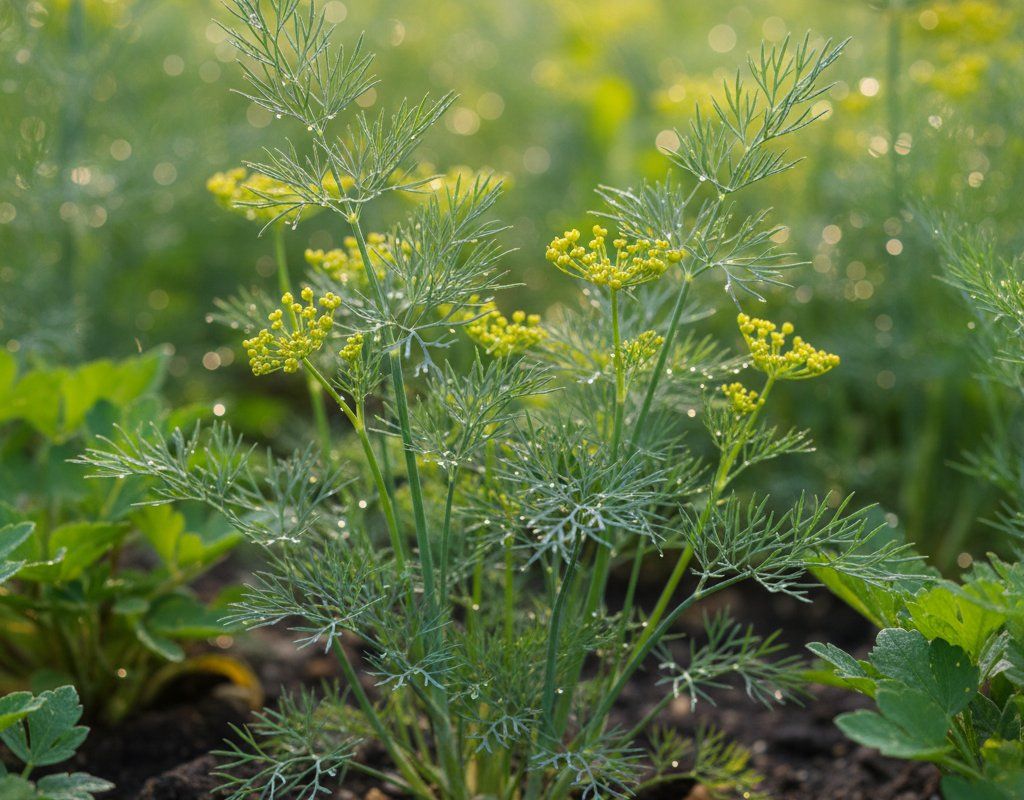
Good companions for mustard greens include onions and garlic, which deter pests like aphids. Beets are also a good choice, as they don't compete for the same nutrients in the soil. Dill attracts beneficial insects that prey on pests. Lettuce provides ground cover, helping to retain moisture in our dry climate.
Avoid planting mustard greens near strawberries or tomatoes. Strawberries are susceptible to some of the same pests as mustard greens, potentially increasing the risk of infestation. Tomatoes can stunt the growth of mustard greens, possibly due to allelopathic chemicals released by the tomato plants into the soil.
🌸Best Flowers to Plant with Mustard Greens
These flowers protect your Mustard Greens from pests and attract pollinators for better harvests.
For Pest Control



For Pollinators

Get a Reminder When It's Time to Plant
We'll email you when key planting windows open for your zone.