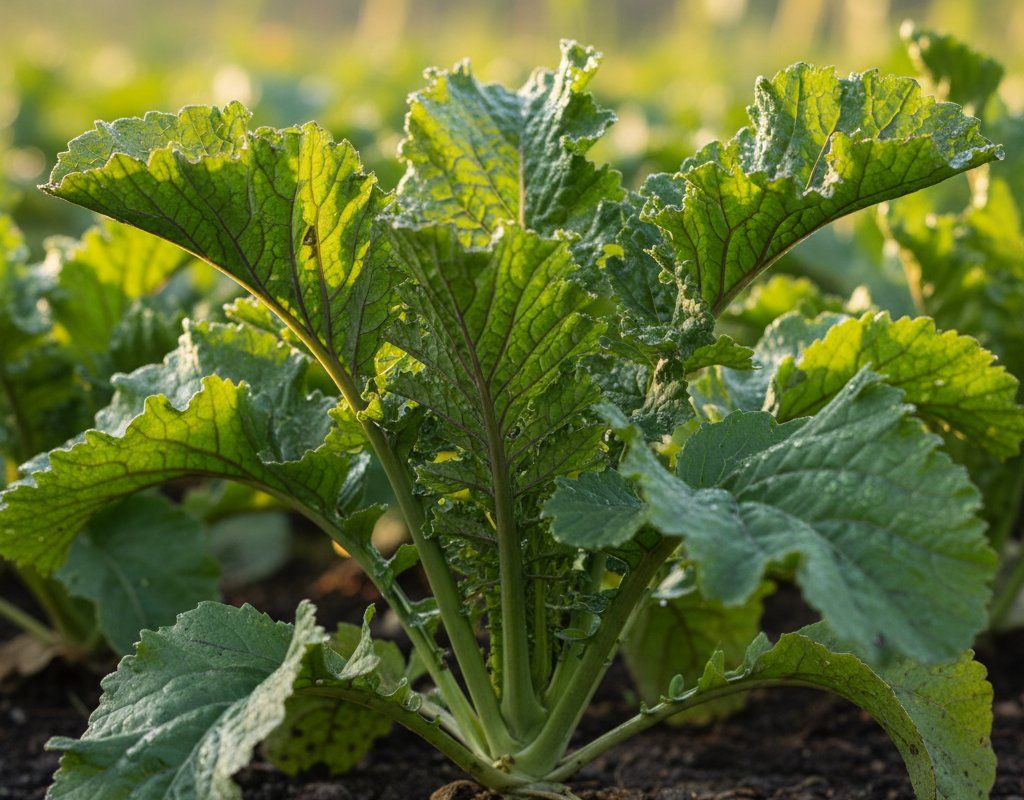
Mustard Greens in Zone 7A — Desert Southwest
Brassica juncea · Your Complete 2026 Planting Guide
Missed Seed Starting? No Problem!
Wait for starts to become available.
What to Do
Starts will be available at nurseries in 7 days (around March 11).
How to Plant Mustard Greens in Zone 7A — Desert Southwest
Here are all your options for getting mustard greens in the ground, from the easiest method to more advanced approaches.
Direct Sow Seeds
RecommendedLate February through mid September
around February 25
Consider succession planting every 2-3 weeks for continuous harvest.
Start Seeds Indoors
RecommendedMid February through early March
around February 18
Then transplant: Mid March through late April
Start seeds 3-5 weeks before transplanting outdoors.
Buy Starts
Works WellMid March through late April
around March 11
Plant purchased starts after last frost (March 25).
Transplant Outdoors
Timing InfoMid March through late April
around March 11
Can tolerate light frost, but wait for soil to be workable.
You have a nice window — no need to rush.
Fall Planting
Mid September through mid October
September 29 ideal · Direct sow for fall harvest
Plant a second crop in mid-summer for fall harvest. Mustard Greens actually prefers the cooling temperatures of fall.
Overview
Mustard greens bring a tangy, peppery kick to your plate that thrives in our Desert Southwest gardens. Their quick growth makes them incredibly satisfying, offering fresh greens during our mild seasons when other crops struggle in the extreme heat. Plus, they're incredibly versatile – toss them in salads, stir-fries, or even lightly sauté them as a side dish.
Desert gardening presents unique hurdles like intense sun and water scarcity, but with strategic timing, mustard greens can flourish here. Our 230-day growing season allows for both a spring and fall harvest, sidestepping the worst of the summer heat. Careful planning will ensure a delicious and rewarding crop.
Starting Seeds Indoors
Starting mustard greens indoors isn't essential, but it can give you a head start, especially for a very early spring harvest. Sow seeds indoors from mid February through early March, about three weeks before you plan to transplant. Use seed trays or small pots filled with a well-draining potting mix.
Keep the soil consistently moist (bottom watering works wonders) and provide a warm location with plenty of light – a sunny windowsill or grow light will do. Since our spring can bring an unexpected temperature swing, starting indoors offers a little extra protection for these tender seedlings.
Transplanting Outdoors
Transplant your mustard greens seedlings outdoors from mid March through late April. This timing lets you capitalize on the warming weather while avoiding the worst of the summer heat. Before transplanting, harden off your seedlings by gradually exposing them to outdoor conditions for about a week.
Choose a spot with full sun to partial shade and space the plants 6-12 inches apart. Be sure to protect the young transplants from unexpected late-season frosts with row covers or blankets if needed – those early temperature swings can be rough.
Direct Sowing
Direct sowing mustard greens is a convenient and effective method, particularly for succession planting throughout the cooler parts of our growing season. You can sow seeds directly into the garden from late February through mid September. This wide window allows for multiple harvests.
Prepare the soil by loosening it and adding compost to improve drainage and fertility. Sow seeds about ½ inch deep, spacing them 6-12 inches apart. Keep the soil consistently moist, especially during germination. A light layer of mulch can help retain moisture and regulate soil temperature.
Watering Mustard Greens in Zone 7A (Desert Southwest)
Mustard greens need consistent moisture to thrive in our arid Desert Southwest climate. While they aren’t drought-tolerant, overwatering can be just as harmful. The key is to find the right balance.
During the spring and fall growing seasons, aim to water deeply about 1-2 times per week, providing about 1 inch of water each time. Use the "finger test" – if the top 2 inches of soil feel dry, it's time to water. During the monsoon season, monitor rainfall and adjust your watering schedule accordingly. Avoid overhead watering to minimize the risk of fungal diseases in our arid environment; water at the base of the plants.
Signs of underwatering include wilting leaves and slow growth. Overwatering can lead to yellowing leaves and root rot. A layer of organic mulch, like shredded leaves or straw, can help retain soil moisture and regulate soil temperature, especially during our hot days. Remember, consistent moisture is key for tender, flavorful leaves, so don't let them dry out!
🧪Fertilizing Mustard Greens
Feeding Schedule
Organic Fertilizer Options
Harvest Time
You can expect your first harvest of mustard greens around mid April through mid November, about 45 days after planting. The timing depends on when you sowed your seeds, of course.
Harvest young leaves when they are about 4-6 inches long for a milder flavor. Larger leaves will be spicier and tougher. To harvest, simply snip off the outer leaves with scissors or a knife, leaving the inner leaves to continue growing. This encourages continuous production throughout the season.
As the first frost approaches in early November, harvest any remaining leaves to prevent them from being damaged by the cold. You can also cover the plants with a frost blanket for a few extra weeks of harvest.
Common Problems in Zone 7A (Desert Southwest)
Mustard greens, like all crops, can face a few challenges in our Desert Southwest gardens. Here are some common problems and how to address them:
Flea Beetles
- What it looks like: Tiny round holes (shot-hole pattern) in leaves, especially on young seedlings. You might see small, dark beetles jumping when disturbed.
- What causes it: These small jumping beetles feed on the leaves, and they thrive in dry conditions. Our arid climate can make them particularly problematic.
- How to fix/prevent it: Use row covers to protect seedlings. Delay planting until plants are larger and more resilient. A coating of kaolin clay can deter them. Neem oil spray can also help. Interplant with basil or catnip to repel them.
Aphids
- What it looks like: Clusters of tiny soft-bodied insects (green, black, or white) on stems and leaf undersides. Sticky honeydew residue. Curled or distorted new growth.
- What causes it: These sap-sucking insects reproduce rapidly, especially in warm weather. Our long growing season can allow for multiple generations.
- How to fix/prevent it: A strong spray of water can knock them off. Encourage natural predators like ladybugs and lacewings. Insecticidal soap works well for heavy infestations. Avoid excessive nitrogen fertilizer.
Cabbage Worms
- What it looks like: Smooth green caterpillars on brassica leaves. Irregular holes chewed in leaves. Dark green droppings. White butterflies hovering around plants.
- What causes it: These are the larvae of white cabbage butterflies. They love to feast on brassicas, and we often see multiple generations during our extended warm spells.
- How to fix/prevent it: Bt spray is very effective against cabbage worms. Use floating row covers to prevent butterflies from laying eggs. Handpick caterpillars whenever you spot them. Interplant with aromatic herbs like thyme and sage.
Bolting in Heat
- What it looks like: The plant sends up a flower stalk, and the leaves become tough and bitter.
- What causes it: Mustard greens are a cool-season crop, and they bolt (go to seed) when temperatures rise. Our extreme heat can trigger bolting quickly.
- How to fix/prevent it: Time your plantings for the cooler parts of the year (spring and fall). Choose bolt-resistant varieties. Provide shade during warm spells with shade cloth. Mulch to keep the soil cool. Harvest leaves frequently to delay bolting.
Desert Southwest Specific Challenges: The extreme heat and low humidity of the Desert Southwest can stress mustard greens, making them more susceptible to pests and bolting. The monsoon season can bring periods of intense rainfall followed by rapid drying, which can also impact growth. Consistent monitoring and proactive measures are key to success.
Best Companions for Mustard Greens
Plant these nearby for healthier Mustard Greens and better harvests.




Keep Away From

Companion Planting Details
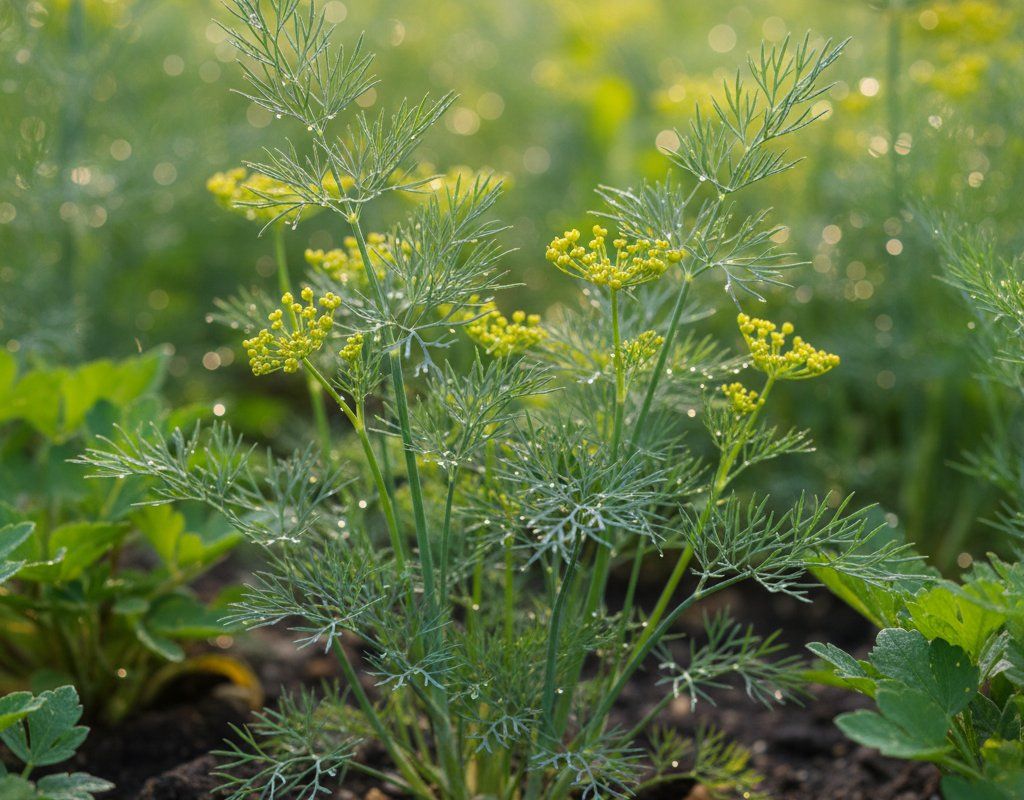
Companion planting can really boost your mustard green crop here in the Desert Southwest. Onions and garlic are great companions because their strong scent repels many common pests. Beets are also beneficial, as they help to loosen the soil and improve drainage, which is crucial in our sometimes-compacted soils. Dill attracts beneficial insects that prey on aphids and other pests. Lettuce provides ground cover, helping to keep the soil cool and moist.
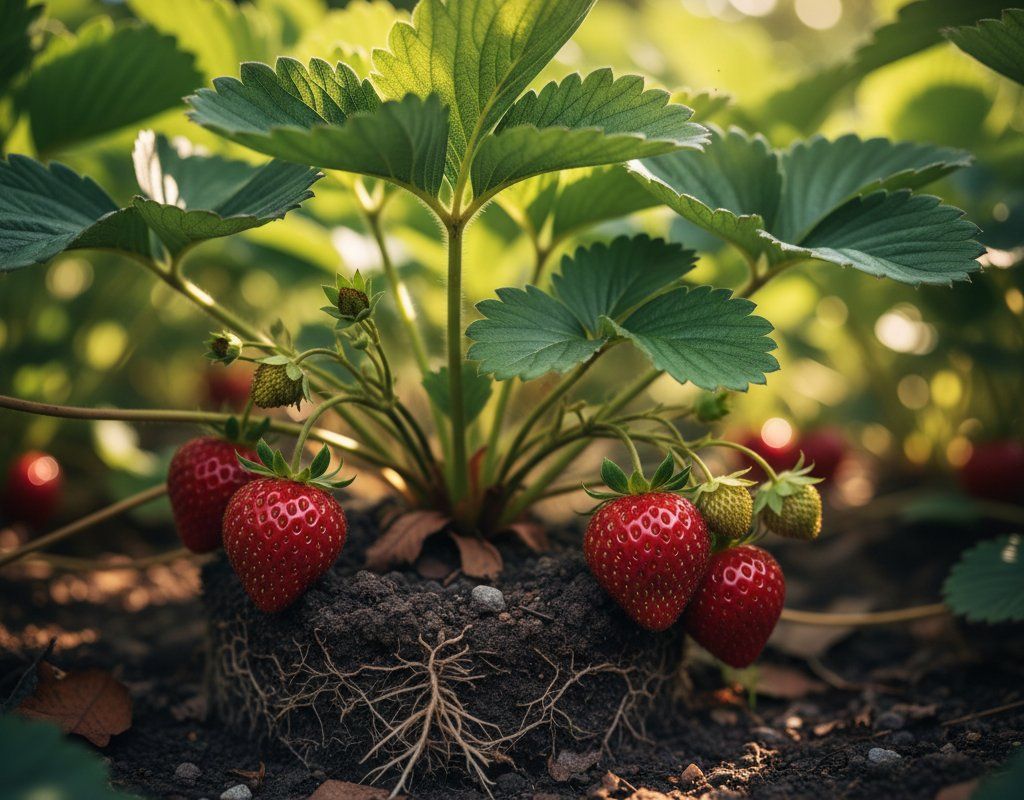
Avoid planting mustard greens near strawberries or tomatoes. Strawberries are susceptible to similar pests and diseases, potentially spreading problems to your mustard greens. Tomatoes can stunt the growth of mustard greens, so it's best to keep them separated.
🌸Best Flowers to Plant with Mustard Greens
These flowers protect your Mustard Greens from pests and attract pollinators for better harvests.
For Pest Control



For Pollinators

Get a Reminder When It's Time to Plant
We'll email you when key planting windows open for your zone.