
Onion in Zone 7B — Texas
Allium cepa · Your Complete 2026 Planting Guide
Time to Buy Starts!
Seed starting window passed, but starts are available now.
Buy Starts Now
Head to your local nursery, Home Depot, or farmers market for transplants.
- Look for stocky plants with dark green leaves
- Avoid leggy seedlings or plants already flowering
- Check that roots aren't circling the pot (rootbound)
How to Plant Onion in Zone 7B — Texas
Here are all your options for getting onion in the ground, from the easiest method to more advanced approaches.
Direct Sow Seeds
RecommendedEarly February through late July
around February 10
Consider succession planting every 2-3 weeks for continuous harvest.
Can direct sow seeds or plant sets (small bulbs) in early spring.
Start Seeds Indoors
RecommendedEarly to late December
around December 16
Then transplant: Late February through mid March
Start seeds 10-12 weeks before transplanting outdoors.
Start seeds indoors 10-12 weeks early for largest bulbs.
Buy Starts
Works WellLate February through mid March
around February 24
Plant purchased starts after last frost (March 10).
Onion sets (small bulbs) are the easiest method for beginners.
Transplant Outdoors
Timing InfoLate February through mid March
around February 24
Can tolerate light frost, but wait for soil to be workable.
Plan to transplant within a few weeks of your target date.
Overview
Growing onions in Zone 7B gives you access to sweet, pungent bulbs that store for months and transform everything from salsas to stews. Our Texas heat actually helps cure onions properly, and with our 255-day growing season, you can grow impressive bulbs that rival anything from the store. The satisfaction of braiding your own onion harvest and having homegrown flavor through winter makes this crop worth the space.
While our unpredictable weather and brutal summer heat can stress onions, proper timing makes all the difference. Plant early to take advantage of our mild spring weather, and you'll harvest before the worst Texas heat hits. The key is working with our long growing season rather than fighting it.
Starting Seeds Indoors
Starting onion seeds indoors works well if you want maximum variety choice and the largest possible bulbs. Sow seeds in early to late December, about 10 weeks before your last frost. This gives seedlings time to develop strong root systems before transplanting into our unpredictable spring weather.
Set up seed trays in a warm spot (65-70°F) with good light once germination begins. Bottom watering prevents damping-off, which can be an issue in our variable humidity. Onion seedlings look like tiny chives and grow slowly at first, but they'll strengthen up as transplant time approaches.
Since our spring starts early and can warm up fast, indoor starting gives you more control over timing. You'll transplant sturdy seedlings in late February through mid-March, well-positioned to bulk up before summer heat arrives.
Transplanting Outdoors
Transplant your onion seedlings from late February through mid-March, after hardening them off for about a week. Start with a few hours of outdoor exposure and gradually increase until they're spending full days outside. This prevents shock when they hit our sometimes-wild spring temperature swings.
Space transplants 4-6 inches apart in rows, planting them at the same depth they were growing in their containers. Our early spring weather can shift from mild to surprisingly warm, so keep an eye on soil moisture as transplants establish. A light mulch helps moderate soil temperature during this transition period.
For beginners, onion sets (small bulbs) are much easier than transplanting seedlings. Plant sets at the same time with the pointed end up, just barely covered with soil. They establish faster and handle our unpredictable spring weather better than seedlings.
Direct Sowing
Direct sowing onion seeds works in Texas, though it requires more patience than starting with sets or transplants. You can sow from early February through late July, but spring planting gives the best results. Wait until soil temperature reaches 45°F consistently, which usually happens by mid-February in most of our area.
Prepare a fine seedbed since onion seeds are small and need good soil contact. Plant seeds ¼ inch deep and space them about an inch apart - you'll thin them later to 4-6 inches between bulbs. Keep the soil consistently moist until germination, which takes 10-14 days in cool weather.
The main advantage of direct sowing is avoiding transplant shock, but germination can be spotty in our variable spring conditions. For fall crops, direct sow in July for winter harvest, though this timing requires consistent watering through our brutal summer heat.
Watering Onion in Zone 7B (Texas)
Onions need consistent moisture during their first months of growth and especially during bulb formation in late spring. In our Texas climate with its unpredictable rainfall patterns, you can't rely on nature alone. Check soil moisture with the finger test - if it's dry 2 inches down, it's time to water deeply.
Provide about 1 inch of water per week through spring and early summer, either from rainfall or irrigation. Water at the base of plants rather than overhead, especially during our humid periods when foliar diseases can develop quickly. Our variable humidity means overhead watering can sometimes cause problems with fungal issues.
As summer heat intensifies and bulbs begin maturing, reduce watering gradually. When the tops start falling over in late spring or early summer, stop watering completely - this signals the beginning of the natural curing process. Too much water during this final stage can cause bulbs to rot in storage.
A 2-inch layer of mulch helps maintain consistent soil moisture and keeps roots cool during our intense heat. Remove mulch from around bulbs as they approach maturity to allow proper curing in our warm, dry summer conditions.
🧪Fertilizing Onion
Feeding Schedule
Organic Fertilizer Options
Harvest Time
Your onions will be ready for harvest from late May through late November, depending on when you planted and which varieties you chose. The classic sign of maturity is when the green tops begin falling over and turning yellow. This usually happens about 100 days from transplanting, though our heat can accelerate the process.
Once 50-75% of the tops have fallen over, stop watering completely and harvest within a week or two. Carefully lift bulbs with a garden fork, brush off soil, and lay them out to cure in a warm, dry, well-ventilated area. Our Texas heat is perfect for curing - 2-3 weeks in temperatures around 80-85°F with good air circulation.
Properly cured onions will have papery outer skins and completely dry necks. Cut the tops to about 1 inch above the bulb, or leave them long for braiding. Store in a cool, dry place with good air circulation.
For onions planted in summer for fall harvest, you might need to harvest before our first frost in mid-November. Green tops won't fall over in cool weather, so harvest based on bulb size and cure them the same way.
Common Problems in Zone 7B (Texas)
Onion Thrips These tiny, slender insects create silvery streaks and stippling on onion leaves, eventually causing tips to turn brown and die back. You'll see the damage before you see the thrips themselves, which are barely visible and hide in leaf sheaths. Heavy infestations can significantly reduce bulb size and quality.
Our hot, dry summers create perfect conditions for thrips to multiply rapidly. They're especially problematic during drought periods when plants are already stressed. Spray plants with a strong stream of water early in the infestation, or use beneficial insects like minute pirate bugs. Reflective mulches can help deter thrips from landing on plants.
Pink Root This soil-borne fungal disease causes onion roots to turn pink, then purple, and eventually black and brittle. Plants become stunted, bulbs stay small, and leaves may yellow prematurely. You'll notice the problem when you pull up plants and see the characteristic colored roots.
Pink root thrives in our warm, humid soil conditions and is more severe during wet periods or with overwatering. It persists in soil for years, so crop rotation is essential. Plant in well-draining soil, avoid overwatering, and choose resistant varieties. There's no cure once plants are infected, so prevention is key.
Bolting Onion plants send up flower stalks prematurely, shifting energy from bulb development to seed production. The bulbs become smaller and may develop a woody core, while leaves turn bitter and tough. You'll see the characteristic round flower head on a tall, hollow stem.
Our unpredictable spring weather, especially warm spells followed by cool periods, can trigger bolting. Heat stress and drought also contribute to the problem. Plant at the right time for your variety, maintain consistent soil moisture, and choose bolt-resistant cultivars. Remove flower stalks immediately if they appear, though bulb quality may already be compromised.
Texas Specific Challenges: Our extreme heat and variable rainfall create a perfect storm for onion problems. The combination of hot days, warm nights, and unpredictable moisture stresses plants and makes them more susceptible to thrips and diseases. Fire ants can also disturb shallow onion roots while foraging.
Best Companions for Onion
Plant these nearby for healthier Onion and better harvests.

Keep Away From
Companion Planting Details
Onions make excellent companions for carrots, beets, lettuce, and tomatoes in your Texas garden. Plant them alongside carrots - the onions' strong scent helps deter carrot flies while carrots' deep roots don't compete with onions' shallow root system. Beets and lettuce work well because they mature quickly and don't interfere with onion bulb development. Tomatoes benefit from onions' natural pest-deterring compounds, and both crops appreciate similar watering schedules during our hot summers.
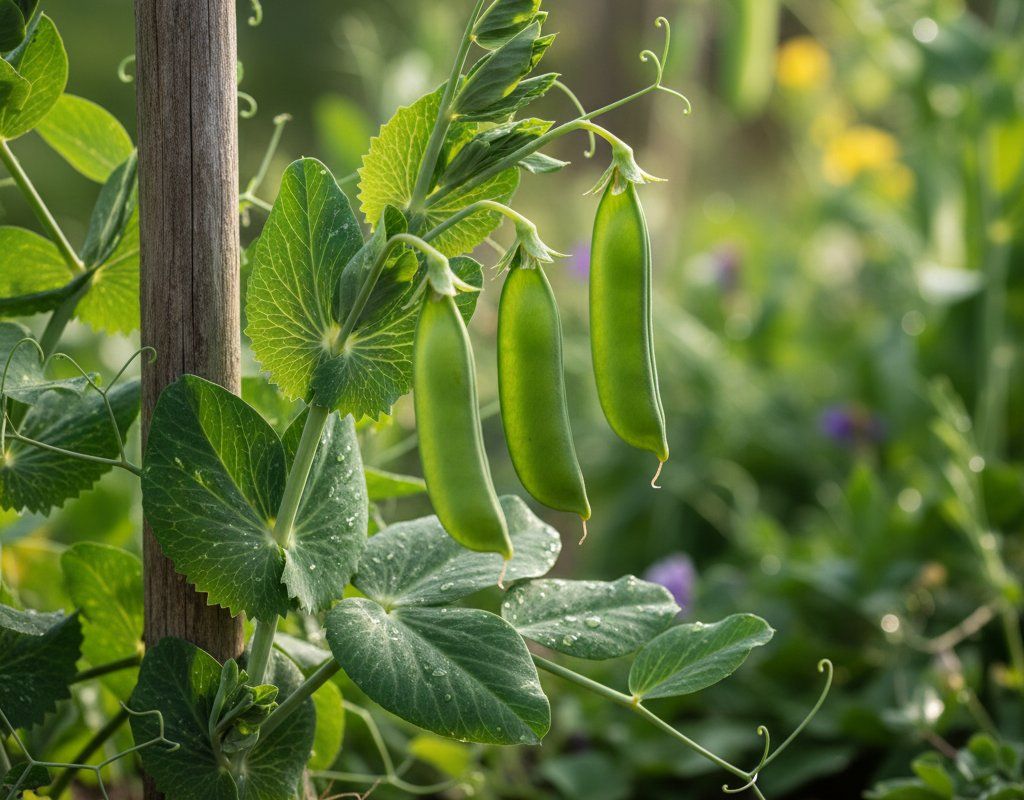
Avoid planting onions near beans and peas, as these legumes can inhibit onion growth. The compounds that make onions effective pest deterrents can actually stunt the growth of these nitrogen-fixing plants. In our Texas heat, both crops already face enough stress without adding incompatible companions to the mix.
🌸Best Flowers to Plant with Onion
These flowers protect your Onion from pests and attract pollinators for better harvests.
For Pest Control


For Pollinators

Get a Reminder When It's Time to Plant
We'll email you when key planting windows open for your zone.