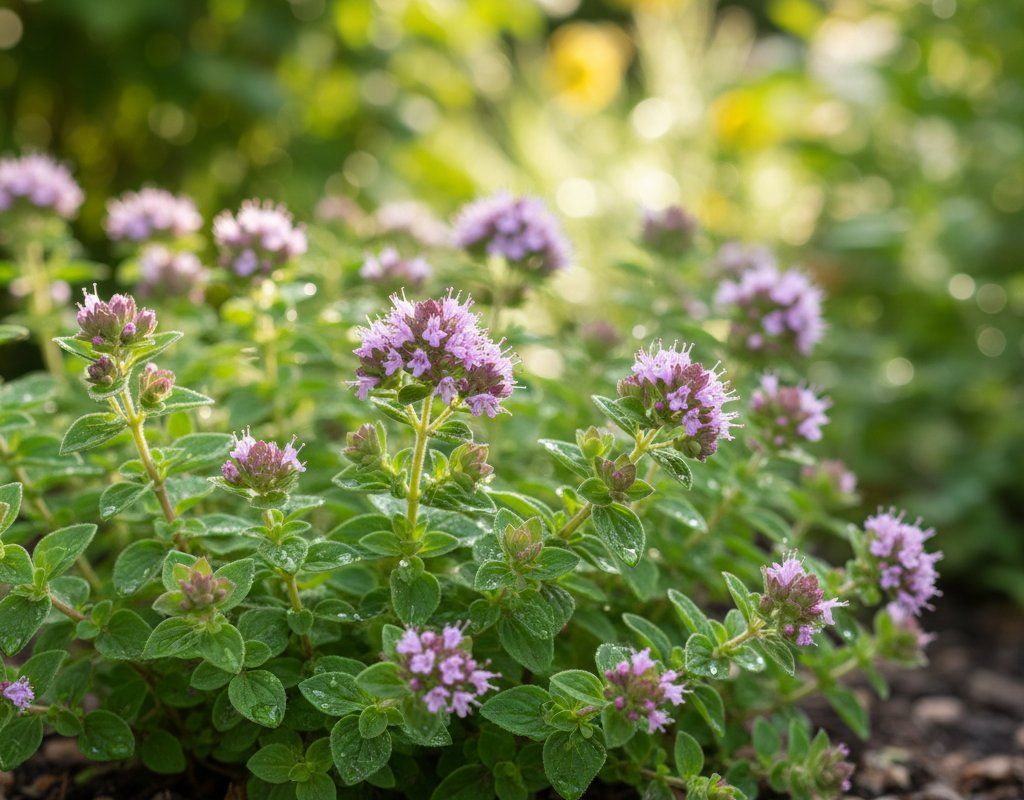
Oregano in Zone 3B — Midwest
Origanum vulgare · Your Complete 2026 Planting Guide
Planning Ahead — Great!
You’re ahead of the season. Here’s when to start.
Mark Your Calendar
How to Plant Oregano in Zone 3B — Midwest
Here are all your options for getting oregano in the ground, from the easiest method to more advanced approaches.
Buy Starts
RecommendedMid May through early July
around May 20
Plant purchased starts after last frost (May 20).
Easy from seed but slow. Starts give faster results.
Start Seeds Indoors
Works WellMid March through early April
around March 25
Then transplant: Mid May through early July
Start seeds 8-10 weeks before transplanting outdoors.
Direct Sow Seeds
Works WellMid May through mid July
around May 20
Consider succession planting every 2-3 weeks for continuous harvest.
Transplant Outdoors
Timing InfoMid May through early July
around May 20
Can tolerate light frost, but wait for soil to be workable.
You have a nice window — no need to rush.
Overview
Oregano transforms from a grocery store afterthought into a culinary powerhouse when you grow it yourself in Zone 3B. The difference between store-bought oregano and fresh-picked leaves from your own plants is remarkable — the essential oils are vibrant, the flavor is complex, and you'll find yourself reaching for it in dishes where you never considered oregano before. Our Midwest climate creates excellent conditions for oregano, with our warm summers allowing the plants to develop those concentrated flavors that make Mediterranean herbs so prized.
While our cold winters mean oregano won't survive outdoors year-round, our 118-day growing season gives you plenty of time to establish productive plants and harvest continuously from midsummer through the first frost in mid-September. The key is working with our moderate-to-late spring by starting plants at the right time and being patient with our variable spring weather.
Starting Seeds Indoors
Starting oregano from seed indoors makes sense if you want specific varieties or enjoy the full growing process, though it's not the fastest route to harvest. You'll want to sow seeds from mid-March through early April, giving yourself about 8 weeks before transplanting outdoors after our last frost risk passes.
Set up your seeds in standard seed trays with good seed-starting mix, keeping the soil consistently moist but not soggy — bottom watering works perfectly for oregano seeds. The seeds are tiny and need light to germinate, so barely cover them with soil. Keep your trays in a warm spot (65-70°F) and provide good light once they sprout.
Be realistic about timing in our moderate-to-late spring climate. Oregano seeds germinate slowly and the seedlings grow even more slowly in their first weeks, so you'll need patience before seeing substantial growth.
Transplanting Outdoors
Plan to move your oregano transplants outdoors from mid-May through early July, once you're confident the last frost has passed and soil temperatures have warmed. In our climate, Memorial Day weekend is typically safe, though watch the weather forecasts during those variable spring weeks when late cold snaps can still surprise us.
Spend a full week hardening off your plants gradually — oregano transplants can handle some cool weather but shock easily if moved directly from indoor warmth to outdoor conditions. Space your plants 12-18 inches apart, giving them room to spread as they mature. The wider spacing works well in our humid summers by improving air circulation.
Whether you're using store-bought transplants or your own seedlings, getting them established before summer heat spells arrive helps them develop strong root systems. Once established, they'll handle our typical 86°F summer highs without stress.
Direct Sowing
Direct sowing oregano works well in our climate, especially if you're patient with slow initial growth. You can sow seeds from mid-May through mid-July, with earlier sowings giving you longer harvest periods but later sowings still producing useful crops.
Wait until soil temperatures reach at least 65°F consistently — usually by late May in most Midwest areas. Prepare your planting area by working compost into the top few inches of soil, especially if you're dealing with heavy clay. Oregano needs good drainage, so raised rows or added organic matter helps in clay soils.
Sow seeds thinly and barely cover them, spacing your eventual plants 12-18 inches apart. Keep the soil consistently moist until germination occurs, which can take 10-14 days. Be prepared for slow growth initially — direct-sown oregano takes longer to reach harvestable size than transplants.
Watering Oregano in Zone 3B (Midwest)
Oregano's drought tolerance makes it well-suited to our moderate-to-hot summers, but getting the watering right in our moderate-to-humid climate requires some attention. During establishment (the first 4-6 weeks), keep the soil consistently moist but never soggy — oregano roots rot quickly in waterlogged conditions, which can happen easily in our clay soils during wet spells.
Once established, oregano actually performs better with less water than you might expect. In our wet-summer climate averaging 30-40 inches annually, you'll often need to hold back on supplemental watering rather than add more. Use the finger test: stick your finger 2 inches into the soil near the plants, and only water if it feels dry at that depth.
During typical Midwest summer weather, established oregano plants need about 1 inch of water per week total, including rainfall. Our frequent summer thunderstorms often provide this naturally, so monitor what nature provides before adding more. When you do water, apply it at the base of plants rather than overhead — our moderate-to-humid conditions combined with overhead watering can encourage fungal problems.
Watch for signs of overwatering in our humid climate: yellowing leaves, weak growth, or a musty smell around the plants. Properly watered oregano has sturdy stems and intensely flavored leaves. A light mulch helps maintain consistent soil moisture while improving drainage in heavy soils.
Pruning & Maintaining Oregano
Oregano requires minimal pruning, but a few strategic cuts keep your plants productive and compact through our growing season. The main technique is cutting back stems by about one-third in midsummer (typically mid-July), which prevents the plants from becoming leggy and encourages fresh, tender growth for continued harvesting.
When pruning, cut just above a set of leaves — this encourages branching and denser growth. Remove any flower buds as they appear if you want to maintain the best leaf flavor, though oregano flowers are also edible and attractive to beneficial insects if you want to let a few stems bloom.
As our first frost approaches in mid-September, you have two choices: harvest heavily and dry the leaves for winter use, or cut the entire plant back to about 2 inches above ground level. Since oregano won't survive our winters outdoors, most Midwest gardeners treat it as an annual and focus on preserving the final harvest.
🧪Fertilizing Oregano
Feeding Schedule
Organic Fertilizer Options
Harvest Time
Expect your first meaningful oregano harvest about 45 days after transplanting or direct sowing, which typically puts you into early July if you planted at the right times for our climate. Once plants reach 4 inches tall with several sets of leaves, you can begin harvesting individual sprigs as needed.
The best flavor comes from harvesting just before the plants flower — the leaves contain the highest concentration of essential oils at this stage. Cut stems just above a pair of leaves, which encourages the plant to branch and produce more harvestable growth. You can harvest continuously this way throughout our growing season.
For the most intense flavor, harvest in the morning after the dew has dried but before the day's heat peaks. In our moderate-to-hot summers, this usually means mid-morning harvesting gives you the best quality. The leaves can be used fresh immediately or dried for later use.
As mid-September and our average first frost date approaches, plan a final major harvest. Cut stems down to just above the lowest set of leaves, giving you plenty of material for drying while the plants might still produce a light final flush before frost ends the season.
Common Problems in Zone 3B (Midwest)
Root Rot Look for yellowing leaves that start from the bottom of the plant, weak or stunted growth, and stems that feel soft near the soil line. In severe cases, you might notice a musty smell around affected plants. Our clay soils and wet-summer climate create perfect conditions for root rot, especially when combined with overwatering or poor drainage. The fungal pathogens thrive in consistently wet soil conditions.
Prevent root rot by improving drainage before planting — work compost into clay soils and consider raised rows. Water at soil level rather than overhead, and always check soil moisture before watering. If you catch it early, reduce watering and improve air circulation around plants. Severely affected plants should be removed to prevent spread to healthy oregano.
Aphids Watch for clusters of small, soft-bodied insects (usually green, black, or white) on new growth and stem tips. You'll notice sticky honeydew residue on leaves and curled or distorted new growth where they've been feeding. Our warm summer temperatures allow aphid populations to explode quickly, and they're particularly drawn to the tender growth that oregano produces after pruning.
Strong water sprays knock aphids off plants effectively — use your hose to blast them away every few days until populations drop. Encourage beneficial insects like ladybugs and lacewings by planting diverse flowers nearby. For heavy infestations, insecticidal soap works well without harming beneficial insects. Avoid high-nitrogen fertilizers, which produce the soft growth aphids prefer.
Spider Mites Fine stippling appears on leaves as tiny white or yellow dots, followed by fine webbing on leaf undersides and between stems. Leaves eventually turn bronze or yellow and may drop. These tiny arachnids thrive during our summer heat spells, especially when plants experience drought stress despite our generally adequate rainfall.
Daily strong water sprays for a week often control spider mites effectively by disrupting their lifecycle and washing them away. Increase humidity around plants during hot, dry periods by mulching and avoiding water stress. Neem oil provides longer-term control, and predatory mites can be released for ongoing biological control. Avoid broad-spectrum pesticides that eliminate the beneficial insects that naturally control spider mites.
Midwest Specific Challenges Our moderate-to-humid summers create conditions where fungal problems develop more readily than in drier climates, making good air circulation and proper watering techniques especially important for oregano success.
Best Companions for Oregano
Plant these nearby for healthier Oregano and better harvests.

Keep Away From
Companion Planting Details
Oregano makes an excellent companion for warm-season crops that thrive in our Midwest summers. Plant it near tomatoes and peppers — oregano's strong scent helps deter aphids and other soft-bodied pests that commonly attack these crops, while its low water needs complement the similar preferences of established tomato and pepper plants. The spreading habit of oregano also helps suppress weeds around taller companion plants.
Oregano pairs well with beans and squash in our fertile soils, where its drought tolerance provides a nice contrast to these more water-hungry crops. The different root depths mean they don't compete directly for nutrients, and oregano's pest-deterrent properties benefit the entire growing area. There are no significant bad companions for oregano — its easygoing nature and beneficial properties make it welcome throughout most vegetable gardens.
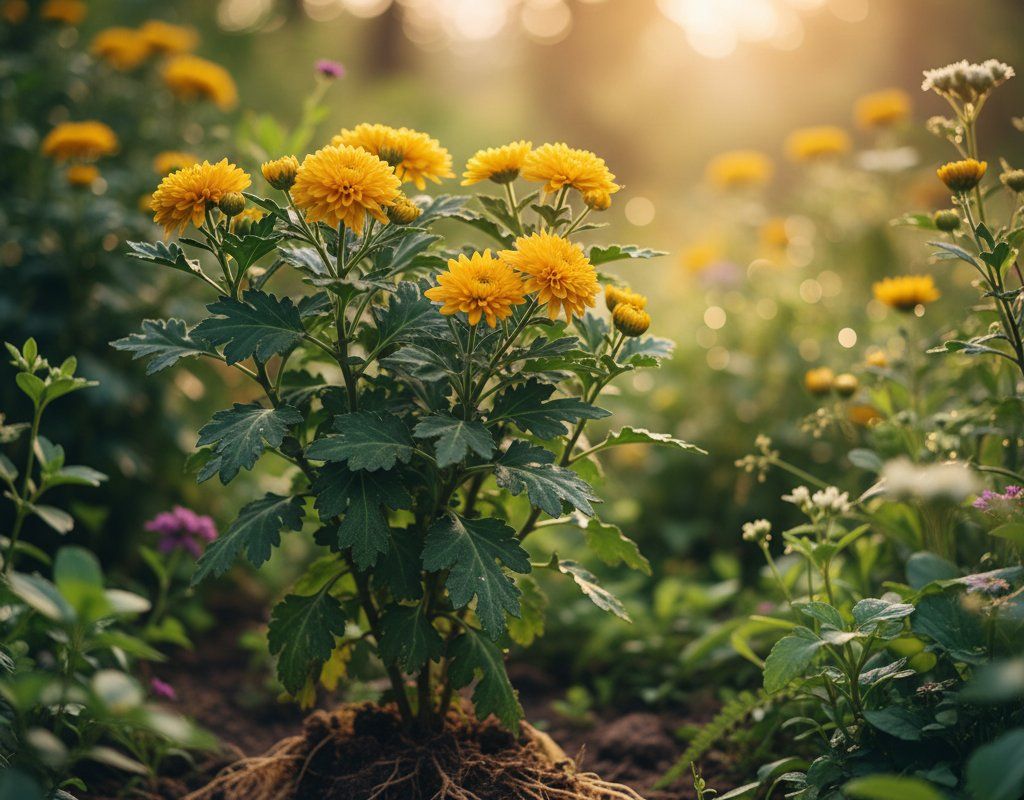
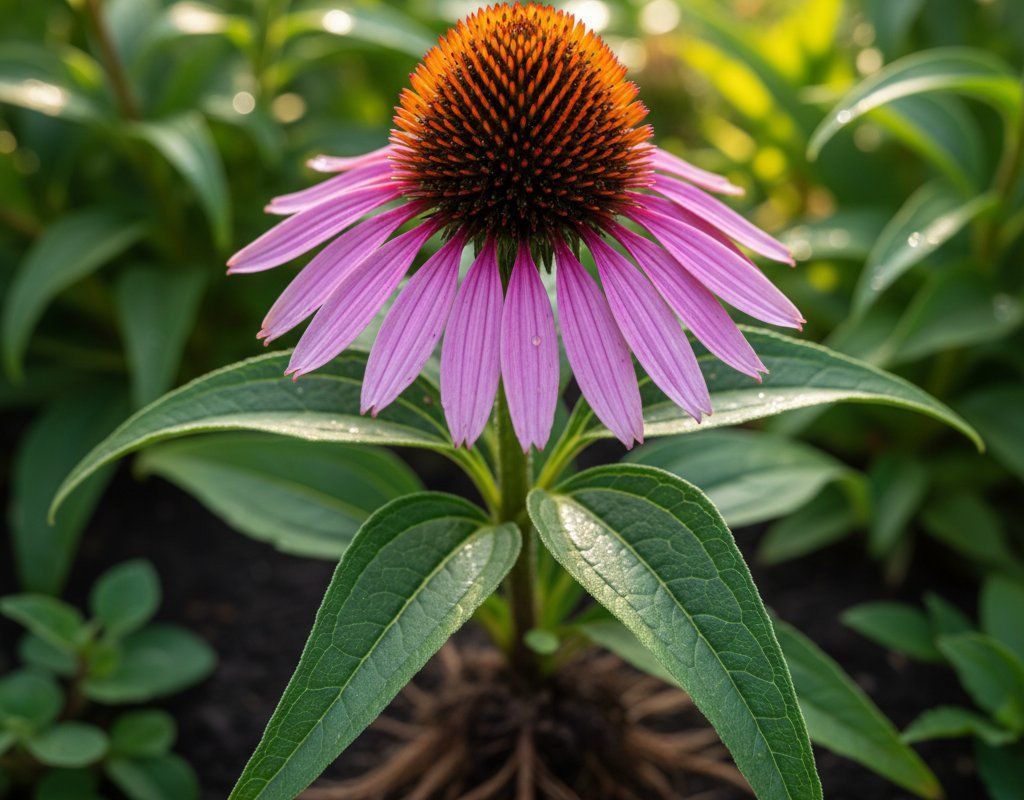
🌸Best Flowers to Plant with Oregano
These flowers protect your Oregano from pests and attract pollinators for better harvests.
For Pest Control


Get a Reminder When It's Time to Plant
We'll email you when key planting windows open for your zone.