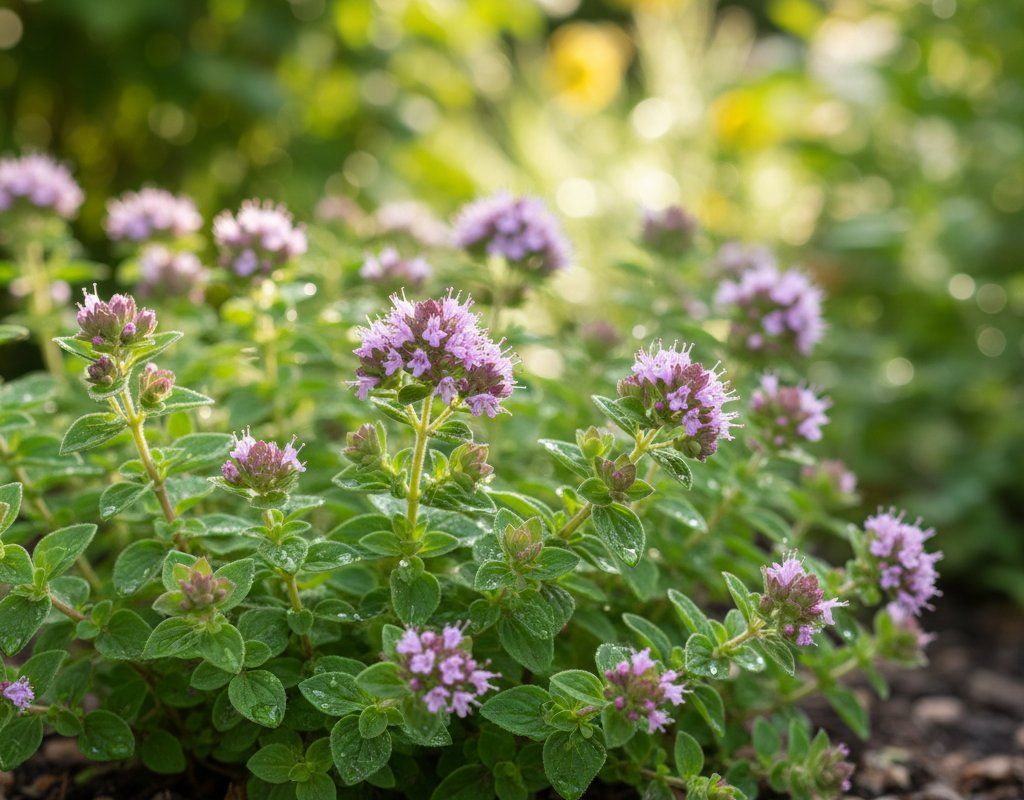
Oregano in Zone 4B — Northeast
Origanum vulgare · Your Complete 2026 Planting Guide
Planning Ahead — Great!
You’re ahead of the season. Here’s when to start.
Mark Your Calendar
How to Plant Oregano in Zone 4B — Northeast
Here are all your options for getting oregano in the ground, from the easiest method to more advanced approaches.
Buy Starts
RecommendedEarly May through late June
around May 10
Plant purchased starts after last frost (May 10).
Easy from seed but slow. Starts give faster results.
Start Seeds Indoors
Works WellEarly to late March
around March 15
Then transplant: Early May through late June
Start seeds 8-10 weeks before transplanting outdoors.
Direct Sow Seeds
Works WellEarly May through late July
around May 10
Consider succession planting every 2-3 weeks for continuous harvest.
Transplant Outdoors
Timing InfoEarly May through late June
around May 10
Can tolerate light frost, but wait for soil to be workable.
You have a nice window — no need to rush.
Overview
Oregano is a must-have herb for Northeast gardeners who want that authentic Mediterranean flavor right from their backyard. Unlike the dusty store-bought version, fresh oregano delivers a complex, almost spicy warmth that transforms everything from pizza sauce to grilled vegetables. Our cool nights here actually intensify the essential oils in the leaves, giving you more concentrated flavor than gardeners in hotter regions can achieve.
While our 138-day growing season and unpredictable spring weather can make timing tricky, oregano is surprisingly forgiving once you get it established. This hardy perennial laughs off our late frosts and keeps producing right up until the first hard freeze in late September. The key is working with our shorter season rather than fighting it.
Starting Seeds Indoors
Starting oregano seeds indoors makes sense if you want multiple plants or specific varieties that aren't available as starts. Begin sowing in early to late March, about 8 weeks before your last frost date. Our late spring means you'll have plenty of time to grow strong seedlings while it's still too cold to plant outside.
Set up your seed trays in a warm spot (70-75°F) with good light once they germinate. Bottom watering works best for oregano seedlings since it prevents the tiny plants from getting waterlogged. The seeds are small and can take 10-14 days to sprout, so be patient.
Keep in mind that oregano from seed grows slowly at first. If you only need a plant or two, buying starts will get you harvesting weeks sooner in our already-short season.
Transplanting Outdoors
Move your oregano seedlings outside anytime from early May through late June, once nighttime temperatures stay consistently above 45°F. Our spring can be deceiving with warm days followed by surprise cold snaps, so don't rush this step. A week of hardening off is essential - start with an hour outside on a mild day and gradually increase their outdoor time.
Space plants 12-18 inches apart to give them room to spread. Oregano loves well-draining soil, which works well with our often rocky New England ground. If you're dealing with heavy clay or poor drainage, consider raised beds or adding compost to improve soil structure.
Plant starts give you a major advantage in our climate since they'll be producing harvestable sprigs by midsummer instead of late summer from seed.
Direct Sowing
Direct sowing oregano works in our zone, though it's not the fastest route to harvest. You can sow seeds from early May through late July, giving you flexibility if spring planting doesn't work out. Wait until soil temperatures reach at least 60°F - cold, wet soil will cause the tiny seeds to rot.
Prepare a fine seedbed and barely cover the seeds since they need light to germinate. Keep the soil consistently moist but not soggy during the 2-3 week germination period. Our moderate summers provide good growing conditions once the plants get established.
Space plants 12-18 inches apart, thinning seedlings as needed. Direct-sown oregano will be ready for light harvesting by late summer, with full production the following year since it's perennial here.
Watering Oregano in Zone 4B (Northeast)
Oregano thrives with minimal water once established, making it perfect for our sometimes-rocky soil conditions. During the first month after planting, water regularly to help roots establish, then back off significantly. Our moderate summer heat (typically around 82°F) and even rainfall patterns mean you'll rarely need to supplement natural precipitation.
Check soil moisture with the finger test - stick your finger 2 inches into the soil near the plant. If it's dry at that depth, give the plant a deep drink. In most Northeast summers, this happens maybe once every 10-14 days unless we hit an unusual dry spell. Oregano actually prefers to dry out between waterings.
Water at the base of the plant rather than overhead, especially given our moderate-to-humid conditions. Wet leaves in humid weather invite fungal problems that can quickly damage your crop. When you do water, give each plant about a half-inch, watering slowly so it soaks in rather than running off.
Overwatering is the biggest mistake gardeners make with oregano. Too much moisture dilutes those essential oils you're growing it for, leaving you with bland, watery-tasting leaves. A thin layer of mulch helps retain moisture while keeping soil from splashing onto leaves during our frequent summer showers.
Pruning & Maintaining Oregano
Oregano needs very little pruning to stay productive through our growing season. Cut the plant back by about one-third in midsummer (usually mid to late July) to keep it compact and encourage fresh, tender growth. This prevents the plant from getting woody and keeps new shoots coming.
Regular harvesting counts as pruning - always cut stems just above a leaf pair to encourage branching. Remove any flower buds as they appear unless you want to save seeds, since flowering makes the leaves less flavorful.
In late fall, after our first frost hits in late September, cut the plant back to about 2 inches from the ground. This helps it survive our harsh winters and come back strong the following spring.
🧪Fertilizing Oregano
Feeding Schedule
Organic Fertilizer Options
Harvest Time
Your oregano will be ready for its first harvest by late June if you planted starts, or by mid to late summer from seed. Once plants reach 4+ inches tall, you can start snipping sprigs anytime. The best flavor comes just before the plant flowers, when essential oils are most concentrated in the leaves.
Cut stems just above a leaf pair, taking up to one-third of the plant at a time. This encourages bushier growth and more harvest opportunities. Morning harvest after the dew dries gives you the most potent flavor since cool nights concentrate those essential oils we prize.
Keep harvesting regularly through early October - our cool nights actually improve flavor as the season progresses. The more you cut, the more the plant produces. Fresh oregano beats dried every time, so plan to harvest small amounts frequently rather than cutting it all at once.
As our first frost approaches in late September, harvest heavily to preserve what you can. Oregano won't survive a hard freeze, though it may return from roots the following spring in protected locations.
Common Problems in Zone 4B (Northeast)
Root rot shows up as yellowing lower leaves, stunted growth, and eventually plant collapse. The stems near soil level turn dark and mushy. This happens when oregano sits in waterlogged soil, which our spring clay conditions and summer thunderstorms can create. Improve drainage with raised beds or added compost, and always check that finger-deep soil test before watering. Once root rot starts, it's usually too late to save the plant.
Aphids appear as clusters of tiny green, black, or white insects on stems and leaf undersides, often leaving sticky honeydew residue and causing new growth to curl. Our moderate summers can trigger population explosions, especially during warm, humid spells. Blast them off with a strong spray from your hose, which works better than most sprays. Encourage ladybugs and lacewings by avoiding broad-spectrum pesticides. For heavy infestations, insecticidal soap or neem oil applied in early morning works well.
Spider mites create fine stippling on leaves (tiny white dots) and may leave fine webbing between stems. Leaves eventually turn bronze or yellow. These tiny pests love hot, dry conditions and can explode during our occasional summer dry spells. Daily strong water sprays for a week usually controls them effectively. Increasing humidity around plants helps prevent future problems - our natural humidity is usually enough, but drought stress makes plants vulnerable.
Northeast Specific Challenges: Our moderate heat and moderate-to-humid conditions actually work in oregano's favor compared to hotter, more arid regions. The main challenge is avoiding overwatering in our naturally moist climate, since oregano evolved in Mediterranean conditions. Good drainage matters more here than extra water.
Best Companions for Oregano
Plant these nearby for healthier Oregano and better harvests.

Keep Away From
Companion Planting Details
Oregano makes an excellent companion for heat-loving crops like peppers, tomatoes, and squash in our Zone 4B gardens. Its strong scent helps deter aphids and spider mites from these more vulnerable plants, while its low water needs won't compete with their irrigation requirements. Plant oregano along the edges of tomato beds where it can spread without crowding the main crop.
Beans also pair well with oregano since both prefer well-draining soil and moderate watering. The oregano's perennial nature means it'll return next spring to continue the partnership. Avoid planting oregano near moisture-loving herbs like parsley or chives, since their different watering needs can create management headaches in our variable Northeast climate.
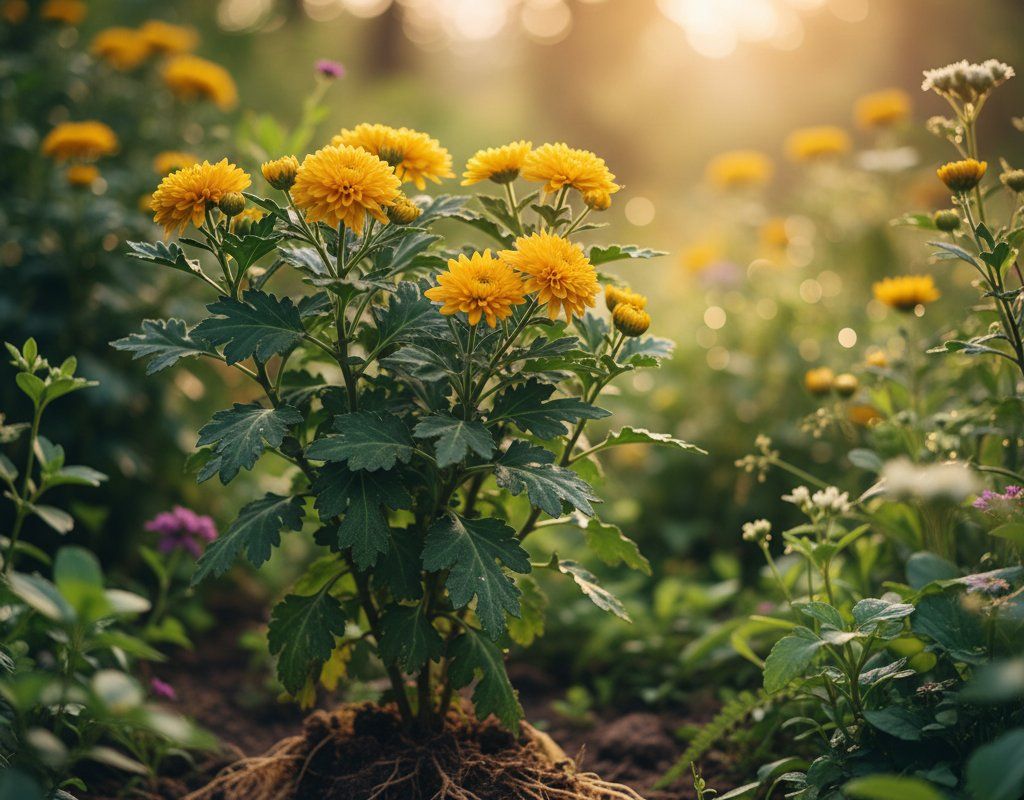
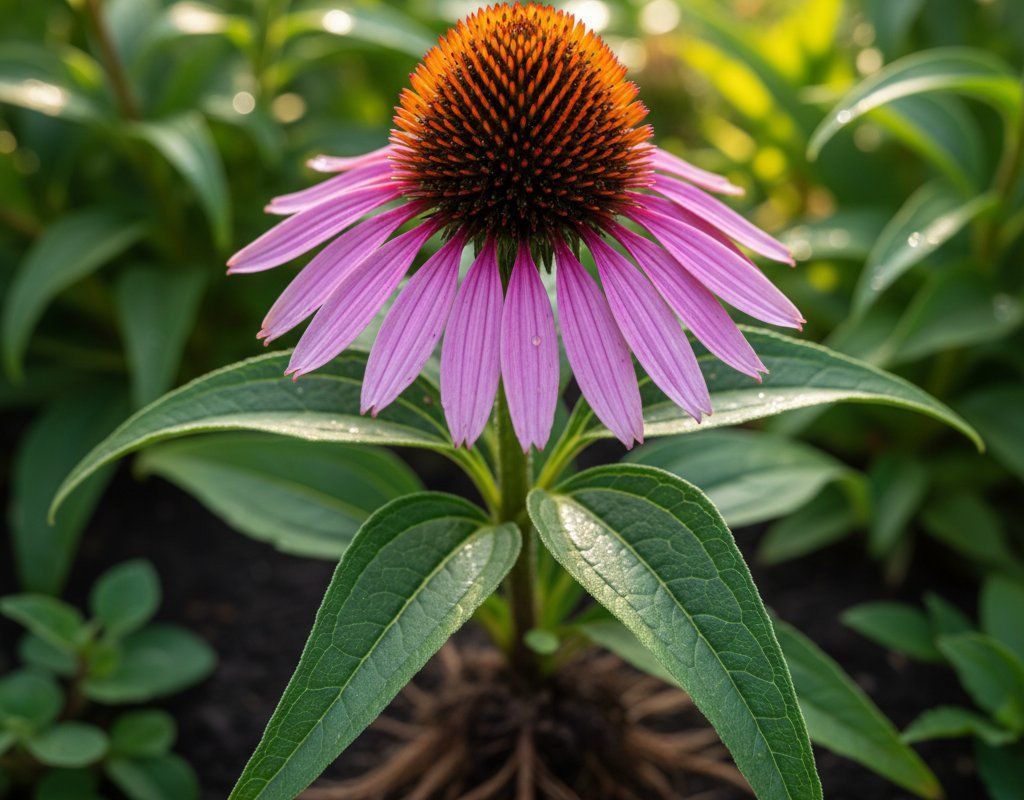
🌸Best Flowers to Plant with Oregano
These flowers protect your Oregano from pests and attract pollinators for better harvests.
For Pest Control


Get a Reminder When It's Time to Plant
We'll email you when key planting windows open for your zone.